Finding reliable weather alert devices for deaf households can be challenging, as traditional alarms are ineffective. The Weather Alert Radio with 23 County Codes stands out for comprehensive alerts and visual warnings, making it ideal for most users. The Sonic Alert HomeAware II offers seamless integration with existing home systems for heavy sleepers, while the Midland WR120B NOAA Emergency Weather Alert Radio provides a straightforward, budget-friendly option. Each device balances alert effectiveness, ease of use, and build quality, but tradeoffs include cost, complexity, and alert customization. Continue reading to explore these options in detail and find the best fit for your needs.

Get everyday helpers delivered free with Prime
- Fast, free delivery on millions of items
- Prime Video, Amazon Music and more included
- Member-only deals all year
Key Takeaways
- Top picks combine visual alerts with sound, ensuring deaf users receive notifications in various situations.
- More advanced models tend to offer broader NOAA coverage and customizable alert options, but at higher prices.
- Ease of setup and compatibility with existing home systems significantly impact usability for non-technical users.
- Battery backup is a common feature among the best devices, providing peace of mind during power outages.
- Choosing between standalone radios and integrated alert systems depends on the user’s home environment and alert preferences.
| Weather Alert Radio with 23 County Codes, 80+ NOAA Alerts, Emergency Warning Light, Battery Backup, Alarm Clock |  | Best Overall Weather Alert Radio for Targeted Emergency Notifications | County Codes Supported: 23 | Emergency Alerts Covered: 80+ | Alert Modes: Voice, Siren, Display | VIEW LATEST PRICE | See Our Full Breakdown |
| Midland WR120B NOAA Emergency Weather Alert Radio |  | Best for Localized Weather Alerts with Simple Programmability | Connectivity Technology: AC Power Adapter | Tuner Type: FM | Power Source: Corded Electric, Battery | VIEW LATEST PRICE | See Our Full Breakdown |
| Sonic Alert HomeAware II Basic Starter Kit – Alerting System for Deaf, Hard of Hearing, and Heavy Sleepers |  | Best for Enhancing Existing Smoke and CO Alarms with Multi-Sensory Alerts | Compatibility: Works with existing smoke and CO alarms | Alert Types: Strobe light, bed shaker, loud tones, scrolling display | Connectivity: Bluetooth | VIEW LATEST PRICE | See Our Full Breakdown |
| DreamSky NOAA Weather Radio with Battery Backup and FM Radio |  | Best for Hyper-Localized Alerts with Daily Use Features | NOAA Certified: Yes | S.A.M.E. Localized Programming: Yes | Emergency Alerts: 80+ | VIEW LATEST PRICE | See Our Full Breakdown |
| Midland Deluxe Home and Travel Emergency Radio – NOAA Weather Alert Scanner, Flashlight, Alarm Clock, AM/FM |  | Best for Multi-Function Emergency Preparedness in Home and Travel | Weather Scan: Yes | Weather Alert: Yes | S.A.M.E. Programming: Up to 25 counties, 80 alerts | VIEW LATEST PRICE | See Our Full Breakdown |
| NOAA Weather Radio with Emergency Alerts, S.A.M.E. Localized Programming, Battery Backup, External Warning Light |  | Best for Precise Localized Alerts and Continuous Operation | Channels: 7 WX band channels | Emergency Alerts: Over 80+ selectable alerts | Power Source: AC adapter and 4AA batteries | VIEW LATEST PRICE | See Our Full Breakdown |
| weather alert devices for deaf household | Power Source |
|---|---|
| Weather Alert Radio with 23 Co | — |
| Midland WR120B NOAA Emergency | Corded Electric, Battery |
| Sonic Alert HomeAware II Basic | — |
| DreamSky NOAA Weather Radio wi | Corded Electric and Battery |
| Midland Deluxe Home and Travel | — |
| NOAA Weather Radio with Emerge | AC adapter and 4AA batteries |
More Details on Our Top Picks
Weather Alert Radio with 23 County Codes, 80+ NOAA Alerts, Emergency Warning Light, Battery Backup, Alarm Clock
This NOAA Weather Alert Radio stands out for its ability to deliver highly localized alerts using 23 county codes, making it ideal for residents in high-risk areas. Compared with the Midland WR120B, it offers more precise geographic targeting, which reduces false alarms and unnecessary alerts. Its multiple alert modes—voice, siren, and visual display—ensure notifications are accessible regardless of hearing ability or noise levels. The dual power sources, including a substantial battery backup, guarantee continuous operation during outages, a critical feature in severe weather. However, batteries are not included, and the setup for programming county codes can be somewhat complex for first-time users. This model is best suited for households in storm-prone regions seeking reliable, targeted alerts that can operate independently of power disruptions.Pros:- Provides highly localized NOAA alerts by county code, reducing false alarms
- Multiple alert modes including voice, siren, and visual display for accessibility
- Dual power operation with battery backup for continuous alerts during outages
- Easy to set up with preconfigured county codes
Cons:- Batteries are not included, requiring additional purchase
- Initial setup and programming can be complex for some users
- Limited to 4 AA batteries for backup, which may not last long during extended outages
Best for: Deaf households living in areas with frequent severe weather who need tailored, reliable alerts with backup power.
Not ideal for: Users seeking a simple plug-and-play device with minimal setup, as programming county codes can be confusing.
- County Codes Supported:23
- Emergency Alerts Covered:80+
- Alert Modes:Voice, Siren, Display
- Power Sources:110V AC, 4x AA batteries (not included)
- Battery Backup Runtime:Over 72 hours
- Alarm System:Digital clock with snooze function
Our verdict“This radio is best for families in high-risk areas needing targeted alerts and reliable backup power, despite some setup complexity.”
Midland WR120B NOAA Emergency Weather Alert Radio
The Midland WR120B offers dependable NOAA alerts with S.A.M.E. programming, supporting up to 25 counties, and features a clear backlit LCD display for easy reading. Compared with the Weather Alert Radio with 23 County Codes, its simpler setup makes it more accessible for users unfamiliar with programming multiple zones. Its color-coded alerts and waterproof design add to its reliability in harsh conditions. However, it requires 6 AAA batteries, which can be a hassle for long-term use, and it lacks advanced connectivity options like Bluetooth or Wi-Fi. This device makes the most sense for households that prioritize straightforward, localized alerts without the need for extensive customization.Pros:- Supports up to 25 counties with S.A.M.E. programming for localized alerts
- Color-coded alert indicators and a backlit LCD display improve visibility
- Waterproof design suitable for outdoor or rugged environments
Cons:- Requires 6 AAA batteries, which may need frequent replacement
- Limited to NOAA alerts only, without additional connectivity features
- No Wi-Fi or Bluetooth for smart notifications
Best for: Deaf or hearing households seeking straightforward, localized alerts with minimal setup effort.
Not ideal for: People needing highly targeted alerts for very specific regions or advanced connectivity features.
- Connectivity Technology:AC Power Adapter
- Tuner Type:FM
- Power Source:Corded Electric, Battery
- Radio Bands Supported:1-Band
- Frequency:108 MHz
- Batteries:6 AAA batteries required
Our verdict“This radio is ideal for users wanting reliable, straightforward weather alerts with easy setup and durability.”
Sonic Alert HomeAware II Basic Starter Kit – Alerting System for Deaf, Hard of Hearing, and Heavy Sleepers
The Sonic Alert HomeAware II excels at amplifying existing smoke and CO alarms with visual, tactile, and audio alerts, making it a strong choice for those who already have traditional alarms but need additional notification methods. Its Bluetooth connectivity allows for notifications of calls and texts, bridging safety and communication gaps. Compared with dedicated weather radios, this system offers more comprehensive alerting for various emergencies, though it doesn’t detect smoke or CO directly, only amplifies alarms. The setup requires placement near existing alarms and some configuration to ensure alerts trigger properly, which might be a hurdle for less tech-savvy users. This pick suits households that want to upgrade existing alarms with multi-sensory alerts and smart device integration.Pros:- Amplifies existing smoke and CO alarms with visual, tactile, and audio signals
- Bluetooth connectivity for phone call and text alerts
- Rechargeable battery backup ensures alerts during power outages
- Versatile alert options improve safety and communication
Cons:- Does not detect smoke or CO directly, only amplifies alarms
- Requires placement in the same room as existing alarms for effectiveness
- Setup and testing are necessary to ensure proper function
Best for: Deaf or hard of hearing households that already have smoke and CO alarms and want to add tactile and visual alerts with phone notifications.
Not ideal for: Homes without existing alarms or those seeking a standalone weather alert device.
- Compatibility:Works with existing smoke and CO alarms
- Alert Types:Strobe light, bed shaker, loud tones, scrolling display
- Connectivity:Bluetooth
- Backup Power:Rechargeable battery
Our verdict“This system is best for households seeking to enhance existing alarms with multi-sensory alerts and smart notifications, though it relies on compatible existing equipment.”
DreamSky NOAA Weather Radio with Battery Backup and FM Radio
The DreamSky NOAA Weather Radio offers precise, area-specific alerts with S.A.M.E. technology, making it perfect for users who want relevant warnings without noise. Its built-in FM radio and alarm clock add daily convenience, which distinguishes it from simpler emergency-only devices like the Midland WR120B. Its dual power options—electric with battery backup—ensure it remains functional during outages, though setup involves programming county codes, which can be a little tedious. Its compact design makes it suitable for bedside or kitchen counters. This radio is ideal for users who want a combination of daily features and localized emergency alerts, but those expecting a plug-and-play device may find setup a bit cumbersome.Pros:- Provides highly localized alerts using S.A.M.E. technology
- Includes digital FM radio and alarm clock for daily convenience
- Dual power options ensure operation during outages
- Compact and easy to place in various rooms
Cons:- Batteries are not included, requiring additional purchase
- Requires programming of county codes for alerts
- Limited to FM radio bands, not supporting digital or internet streams
Best for: Deaf households that want a daily-use radio with hyper-local emergency alerts and reliable power backup.
Not ideal for: Users seeking a multi-sensory alert system or advanced connectivity options beyond basic alerts.
- NOAA Certified:Yes
- S.A.M.E. Localized Programming:Yes
- Emergency Alerts:80+
- Alert Modes:Voice, Tone, Display
- Display Type:LCD
- Power Source:Corded Electric and Battery
- Batteries Required:3 AA batteries
Our verdict“This device is well-suited for users wanting localized alerts combined with everyday radio and clock features, despite some setup effort.”
Midland Deluxe Home and Travel Emergency Radio – NOAA Weather Alert Scanner, Flashlight, Alarm Clock, AM/FM
The Midland ER40 combines weather alerts with a flashlight, alarm clock, and AM/FM radio, making it a versatile choice for both home and outdoor use. Its automatic weather scan and NOAA alerts provide peace of mind, especially with multiple power options like solar, hand crank, and rechargeable battery—an advantage over single-power models like the DreamSky. While the setup process can be somewhat complex due to multiple features, its slim, portable design makes it suitable for travel and emergency preparedness. However, the complexity might be overwhelming for users seeking a simple, dedicated weather alert device. This radio makes the most sense for those wanting a multi-purpose emergency tool that also functions daily.Pros:- Provides automatic weather scans and severe weather alerts from NOAA
- Multiple sustainable power sources including solar and hand crank
- Includes flashlight, alarm clock, and AM/FM radio for versatile use
- Compact and portable for travel and outdoor activities
Cons:- Setup can be complex due to multiple features and programming options
- Bulkier design may not suit those preferring minimal gear
- Advanced features may be unnecessary for users only interested in weather alerts
Best for: Deaf or hard of hearing households looking for a multi-functional emergency radio for both home and outdoor adventures.
Not ideal for: Users seeking a dedicated, straightforward weather alert device without additional functions like radio and flashlight.
- Weather Scan:Yes
- Weather Alert:Yes
- S.A.M.E. Programming:Up to 25 counties, 80 alerts
- Power Sources:Solar panel, hand crank, rechargeable lithium-ion battery
- USB Output:Yes
- Built-in Clock:Yes
- Device Size:Slim and compact
Our verdict“This device is ideal for users seeking a multi-use emergency gadget that combines weather alerts with daily utilities, despite its more involved setup.”
NOAA Weather Radio with Emergency Alerts, S.A.M.E. Localized Programming, Battery Backup, External Warning Light
This NOAA Weather Radio stands out for its ability to deliver highly localized alerts through S.A.M.E. programming, covering up to 23 counties, which makes it more tailored than models like the Midland WR120B that offers broad regional alerts. Its multiple alert modes—voice, siren, and display—allow users to choose the most effective notification method, especially important for deaf households relying on visual alerts. The inclusion of a battery backup and external warning light enhances reliability during power outages and ensures visibility, unlike simpler models lacking external indicators. However, the setup can be complex due to numerous programming options, and it requires batteries for emergency power, which adds to maintenance. While it doesn’t boast weather-resistant features, its focus on localized alerts and visibility makes it ideal for households prioritizing tailored, dependable warnings during severe weather.
Pros:- Provides highly localized alerts for up to 23 counties
- Multiple alert modes including voice, siren, and visual display
- Battery backup guarantees operation during power outages
- External warning light increases visibility in loud environments
Cons:- Requires batteries for emergency backup, increasing ongoing maintenance
- Complex setup with multiple programming options may be confusing for some users
- No weather-resistant or waterproof features for outdoor use
Best for: Deaf households that need specific, localized alerts and reliable power during outages
Not ideal for: Homeowners seeking a weather radio with waterproof features or simple, plug-and-play operation
- Channels:7 WX band channels
- Emergency Alerts:Over 80+ selectable alerts
- Power Source:AC adapter and 4AA batteries
- External Antenna Interface:Yes
- Alarm Modes:Voice, Siren, Display
- Memory:Stores up to 20 alarms
- Battery Backup:Yes
- Built-in Clock:Yes
- S.A.M.E. Programming:Yes, up to 23 counties
Our verdict“This model is best suited for deaf households needing precise, reliable alerts with visibility and backup power, despite its complex setup.”
How We Picked
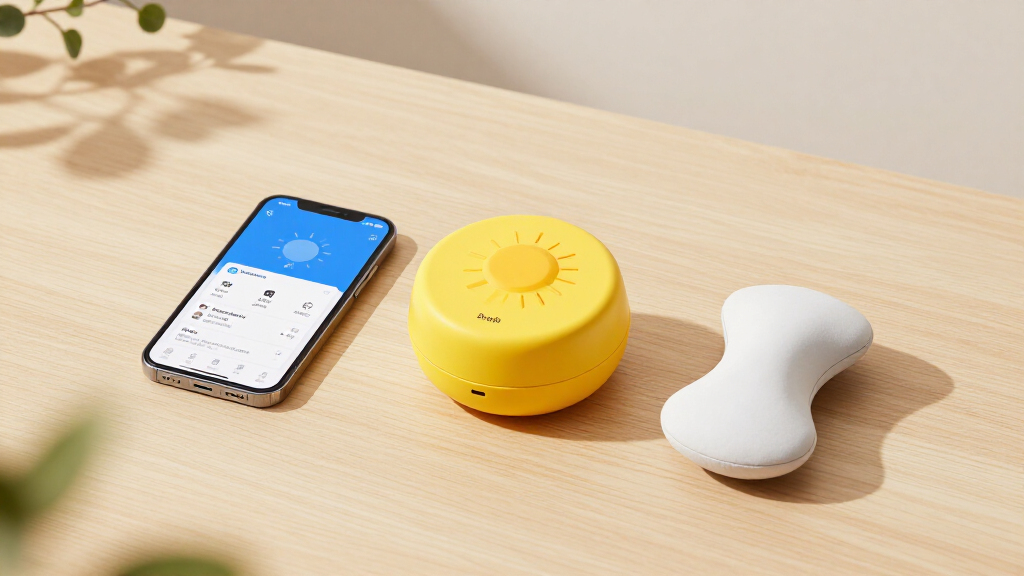
These products were evaluated based on their alerting capabilities, usability, build quality, and value. Priority was given to devices that combine visual signals with sound alerts, ensuring deaf households receive reliable notifications. We considered ease of setup, battery backup, NOAA coverage, and user controls to gauge overall performance. Devices ranked higher if they offered customization options, robust alerts, and good durability. Our selection reflects a balance of affordability, reliability, and feature set, aiming to recommend solutions suitable for various user needs and budgets.| weather alert devices for deaf household | Power Source |
|---|---|
| Weather Alert Radio with 23 Co | — |
| Midland WR120B NOAA Emergency | Corded Electric, Battery |
| Sonic Alert HomeAware II Basic | — |
| DreamSky NOAA Weather Radio wi | Corded Electric and Battery |
| Midland Deluxe Home and Travel | — |
| NOAA Weather Radio with Emerge | AC adapter and 4AA batteries |
Factors to Consider When Choosing Best Weather Alert Devices For Deaf Households
Choosing the best weather alert device for a deaf household involves considering several key factors beyond basic features. The right device should provide clear, reliable alerts that suit your environment and lifestyle. In this guide, I’ll highlight the most important considerations to help you make an informed decision, avoiding common pitfalls like overpaying for unnecessary features or selecting devices with limited alert coverage.Alert Types and Coverage
Ensure the device offers multiple alert methods, such as flashing lights, loud alarms, and vibrating alerts if applicable. It should cover local NOAA weather alerts relevant to your area, ideally with customizable alert zones. Broader coverage means you’ll stay informed during severe weather events, but beware of overly complex systems that can be difficult to program or understand.
Ease of Use and Setup
Devices should be straightforward to set up without requiring technical expertise. Look for options with clear instructions, intuitive controls, and minimal configuration needs. A device that integrates well with existing home systems or has user-friendly interfaces reduces frustration and ensures consistent alerts during emergencies.
Visual and Audible Alerts
Since deaf households rely on visual signals, the quality and visibility of alert lights are paramount. Some devices include external warning lights or strobe features that can be placed in different rooms. Combining visual cues with optional auditory alarms provides redundancy, enhancing safety in various scenarios.
Power Backup and Durability
Power outages are common during storms, so a device with a reliable battery backup is essential. Check how long the backup lasts and if it automatically switches during outages. Durability and weather resistance are also important if the device will be used outdoors or in harsh conditions.
Price and Value
Prices vary widely based on features, coverage, and brand reputation. Consider your budget but prioritize devices with proven reliability and comprehensive alert capabilities. Sometimes spending a little more results in better coverage and peace of mind, especially for households in areas prone to severe weather.
Frequently Asked Questions
Can these weather alert devices be used outdoors or in harsh weather?
Many weather alert devices are designed primarily for indoor use, with some offering outdoor-compatible models. Outdoor units typically feature weather-resistant casings and brighter visual signals to withstand the elements. If outdoor placement is needed, ensure the device explicitly states weather resistance and suitable outdoor use, as indoor units may not hold up well against rain or extreme temperatures.
Do I need a subscription or internet connection for these devices to work?
Most standalone NOAA weather radios operate independently of internet or subscriptions, relying solely on broadcast signals for alerts. However, some advanced alert systems with smart features or integration capabilities may require Wi-Fi or subscriptions for full functionality. Confirm the device’s requirements before purchasing to match your setup and preferences.
How loud or bright are these alerts? Will they wake or notify everyone in the household?
Alert volume and brightness vary between models. Many devices feature adjustable alert levels, with some including powerful flashing lights or vibrating pads to wake heavy sleepers or alert deaf users. Consider your household’s specific needs, such as whether the alert will be shared with hearing household members or if you need a device that can wake you during nighttime storms.
Are these devices easy to program and update with new alert zones?
Ease of programming depends on the device’s interface. Simpler units offer straightforward setup with preset alert zones, while more advanced models allow customization of alert regions and alert types. Look for devices with clear instructions, large displays, or remote programming options to reduce setup frustration, especially if you plan to update zones frequently.
What should I do if the device’s visual alert fails during an emergency?
Having multiple alert methods reduces this risk. Consider pairing your weather radio with additional visual alerts like external warning lights or strobe systems. It’s also wise to test the device regularly and have a backup alert method, such as a smartphone alert app or a secondary radio, to ensure you stay informed during critical weather events.
Conclusion
For most deaf households seeking reliable alerts, the Weather Alert Radio with 23 County Codes offers comprehensive coverage and strong visual signals, making it the best overall choice. Budget-conscious users might prefer the Midland WR120B NOAA Emergency Weather Alert Radio, which provides essential features at a lower price. For those who want a seamless, integrated alert system, the Sonic Alert HomeAware II delivers proven performance with added convenience. New users or households with minimal technical experience will benefit from straightforward set-up options, while households in high-risk areas should prioritize models with broad NOAA coverage and battery backup. By considering your environment and specific needs, you can select the device that provides the most peace of mind during severe weather.
Halloween Picks

Spirit Halloween 4 ft 7 in Sitting Scarecrow Animatronic

12-Foot Inflatable Pumpkin Halloween Archway with LED Lights

11.2-Foot Halloween Inflatable Pumpkin with LED Lights
As an affiliate, we earn on qualifying purchases.