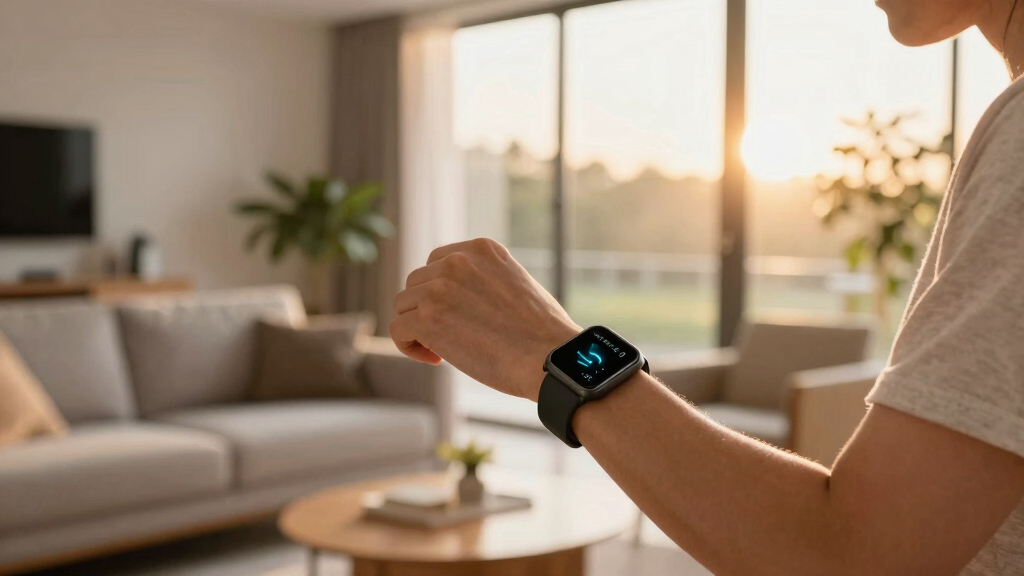
Finding reliable alert systems for deaf or hard-of-hearing individuals can be challenging, but the right setup ensures safety and awareness at home. For 2026, three standout options include the Freedom Alert Landline, which offers dependable two-way communication for seniors; the First Alert BRK 7020BSL, a hardwired smoke detector with a bright LED strobe for visual alerts; and the Sonic Alert HomeAware II, an adaptable system that amplifies existing alarms and adds tactile and Bluetooth notifications. Each brings unique strengths and tradeoffs, depending on your specific needs and home setup.

Get everyday helpers delivered free with Prime
- Fast, free delivery on millions of items
- Prime Video, Amazon Music and more included
- Member-only deals all year
Key Takeaways
- The Freedom Alert excels with no ongoing fees and direct two-way communication, ideal for seniors needing reassurance.
- The First Alert BSL provides robust visual alerts for fire safety, but requires professional installation and is limited to visual signals.
- The Sonic Alert HomeAware II offers versatile alerts, including tactile and Bluetooth, suitable for heavy sleepers and tech-savvy users.
- Tradeoffs include needing existing landline service for the Freedom Alert and setup complexity for the HomeAware system.
- Choosing the right system depends heavily on whether visual, tactile, or direct communication features are prioritized.
| Freedom Alert Landline Personal Emergency Device with 2-Way Call for Seniors and Elderly |  | Best for Reliable Emergency Communication | Connectivity: Landline | Two-Way Communication: Yes | Rechargeable: Yes | VIEW LATEST PRICE | See Our Full Breakdown |
| First Alert BRK 7020BSL Hardwired Hearing Impaired Smoke Detector with LED Strobe Light |  | Best for Visual Fire Alerts | Power Source: Hardwired with battery backup | Visual Sensor Type: LED Strobe | Battery Life: 10 years | VIEW LATEST PRICE | See Our Full Breakdown |
| Sonic Alert HomeAware II Basic Starter Kit – Alerting System for Deaf/Hard of Hearing/Heavy Sleepers |  | Best for Multi-Sensory Alerts and Smartphone Integration | Compatibility: Existing smoke/CO alarms | Alert Types: Visual, tactile, audio | Connectivity: Bluetooth | VIEW LATEST PRICE | See Our Full Breakdown |
| whole-home alert systems for deaf user | Connectivity |
|---|---|
| Freedom Alert Landline Persona | Landline |
| First Alert BRK 7020BSL Hardwi | — |
| Sonic Alert HomeAware II Basic | Bluetooth |
More Details on Our Top Picks
Freedom Alert Landline Personal Emergency Device with 2-Way Call for Seniors and Elderly
The Freedom Alert stands out for its straightforward two-way voice communication, making it a top pick for seniors who need immediate contact with family or emergency services. Compared to visual-only systems, this device offers the advantage of direct conversation, which can be critical during emergencies. However, it requires existing landline service, making it less suitable for homes relying solely on mobile phones. Its rechargeable battery with a 24-hour backup adds dependability, but the need for landline connectivity limits its flexibility.
Pros:- No monthly fees required
- Rechargeable with 24-hour battery backup
- Easy to use with wearable or mount options
- Allows direct communication with emergency contacts and services
Cons:- Requires existing landline phone service
- Limited to voice communication, no visual alerts
- Primarily designed for home use
Best for: Seniors or elderly users who want simple, reliable emergency communication without monthly fees.
Not ideal for: Homes without landline service or users seeking visual or tactile alerts.
- Connectivity:Landline
- Two-Way Communication:Yes
- Rechargeable:Yes
- Battery Backup:24 hours
- Monthly Fees:None
Our verdict“Ideal for seniors needing dependable voice-based emergency contact without ongoing costs, but not suited for homes without landlines.”
First Alert BRK 7020BSL Hardwired Hearing Impaired Smoke Detector with LED Strobe Light
The First Alert BRK 7020BSL offers a clear visual warning through a bright LED strobe, making it suitable for users with hearing impairments. Its hardwired design with a sealed 10-year battery backup provides peace of mind, especially during power outages. Compared to systems relying on sound or Bluetooth, this alarm ensures fire safety through a highly visible signal. Nonetheless, it’s not suitable for those who need tactile alerts or for homes where professional wiring isn’t feasible. Its aesthetic design may also vary from other home fixtures, so integration should be considered.
Pros:- Bright LED strobe provides unmistakable visual alerts
- Hardwired with a 10-year sealed battery backup
- Interconnects with other alarms for synchronized alerts
- Easy to install with compatible smoke and CO alarms
Cons:- Limited to visual alerts, no tactile or audio cues
- Requires professional installation
- Design variations may impact aesthetics
Best for: Hearing-impaired residents seeking a dedicated visual fire safety alert.
Not ideal for: Users needing tactile signals or comprehensive alerting beyond fire safety.
- Power Source:Hardwired with battery backup
- Visual Sensor Type:LED Strobe
- Battery Life:10 years
- Interconnects:Yes
- Installation:Professional recommended
Our verdict“A reliable visual alert system for fire safety that integrates well with existing alarms, but lacks tactile or multi-sensory options.”
Sonic Alert HomeAware II Basic Starter Kit – Alerting System for Deaf/Hard of Hearing/Heavy Sleepers
The Sonic Alert HomeAware II offers a flexible approach, amplifying existing smoke and CO alarms with visual, tactile, and loud audio alerts. Its Bluetooth connectivity allows users to receive call and text notifications directly on the system, making it ideal for heavy sleepers or those who rely on visual/tactile cues. Compared with dedicated alarms, this setup provides customizable alerts and smartphone integration, but it doesn’t detect smoke or CO itself, so it must be paired with existing detectors. Setup can be complex, especially ensuring alerts trigger correctly across different devices.
Pros:- Amplifies existing smoke and CO alarms
- Offers visual, tactile (bed shaker), and loud audio alerts
- Bluetooth connectivity for call and text alerts
- Rechargeable with backup power
Cons:- Does not directly detect smoke or CO
- Setup requires placement near alarms and testing
- Dependent on existing alarm system for safety coverage
Best for: Deaf or hard-of-hearing users who want multi-sensory alerts plus mobile notifications.
Not ideal for: Homes without existing smoke/CO alarms or users expecting standalone alert detection.
- Compatibility:Existing smoke/CO alarms
- Alert Types:Visual, tactile, audio
- Connectivity:Bluetooth
- Battery:Rechargeable with backup
- Setup:Requires placement and testing
Our verdict“A versatile, multi-sensory alerting system that enhances existing alarms and adds smartphone notifications, ideal for tech-savvy heavy sleepers.”

How We Picked
Our selection process focused on systems that prioritize visual, tactile, or direct communication alerts suitable for deaf or hard-of-hearing users. We considered reliability, ease of installation, compatibility, and ongoing costs. Each product was evaluated based on how well it integrates into a typical home environment, its ability to provide clear alerts, and its suitability for different user needs—whether seniors, heavy sleepers, or those with limited technical experience.
| whole-home alert systems for deaf user | Connectivity |
|---|---|
| Freedom Alert Landline Persona | Landline |
| First Alert BRK 7020BSL Hardwi | — |
| Sonic Alert HomeAware II Basic | Bluetooth |
Factors to Consider When Choosing Best Whole-home Alert Systems For Deaf Users
Selecting an effective whole-home alert system for deaf users involves understanding the different alert types—visual, tactile, and audible—and how they integrate into your home environment. Consider whether you need direct emergency communication, visual fire alerts, or multi-sensory notifications that connect to your existing alarms and devices. Your choice depends on your specific safety priorities, home setup, and whether you prefer standalone devices or systems that work with your current equipment.Types of Alerts
Visual alerts such as LED strobes are essential for fire safety, while tactile alarms like bed shakers provide wake-up cues for heavy sleepers. Two-way communication devices are vital for emergency reassurance, especially for seniors or those living alone. Understanding which alert type suits your lifestyle helps narrow down the options effectively.
Compatibility and Installation
Some systems require professional installation, especially hardwired alarms, while others are plug-and-play or wireless. Compatibility with existing smoke or CO detectors, landlines, or smartphones also influences your choice. Carefully evaluate your home’s infrastructure before selecting a system to avoid extra costs or setup delays.
Cost and Ongoing Fees
While some options like the Freedom Alert have no monthly fees, others may require subscriptions or professional wiring. Consider your budget for initial setup and ongoing expenses, including replacement batteries or service plans, to find a solution that balances safety and affordability.
Frequently Asked Questions
Do I need professional installation for these alert systems?
It depends on the system. The First Alert BSL typically requires professional wiring, especially if hardwired into your home’s electrical system. In contrast, the Sonic Alert HomeAware II is designed for easy setup, often wireless, and can be installed without professional help. Always review the installation requirements before purchasing to ensure it fits your comfort level and budget.
Can these systems work together or with existing alarms?
Yes, many systems are compatible or designed to complement existing alarms. For example, the Sonic Alert HomeAware II can amplify signals from existing smoke and CO detectors, while the First Alert BSL can interconnect with other compatible alarms for synchronized alerts. Compatibility varies, so verify with manufacturer specifications to ensure seamless integration.
Are visual alerts enough for fire safety?
Visual alerts like LED strobes are highly effective for fire safety, especially for those with hearing impairments. However, combining visual alerts with tactile cues or direct communication can enhance safety. It’s often recommended to use multiple alert types for comprehensive coverage, especially in larger or multi-story homes.
What if I have a mobile-only home or no landline?
Landline-based devices like the Freedom Alert require a landline, so if your home relies solely on mobile service, consider systems like the Sonic Alert HomeAware II, which connect to smartphones via Bluetooth. Always confirm compatibility with your home’s connectivity options before purchasing.
What features should I prioritize for my safety?
Prioritize features that match your specific needs—visual alerts for fire safety, tactile signals for waking heavy sleepers, or direct communication for emergencies. Combining multiple alert types can provide the most comprehensive safety coverage, especially for those with hearing impairments.
Conclusion
For seniors or those who prioritize reliable emergency communication without ongoing costs, the Freedom Alert is a strong choice. If visual fire safety is your main concern, the First Alert BSL offers dependable visual alerts for smoke and CO. For users seeking a flexible, multi-sensory system that integrates with existing alarms and smartphones, the Sonic Alert HomeAware II provides a customizable solution. Your selection should align with your home setup, safety priorities, and comfort with installation or ongoing costs.
Halloween Picks
halloween
As an affiliate, we earn on qualifying purchases.