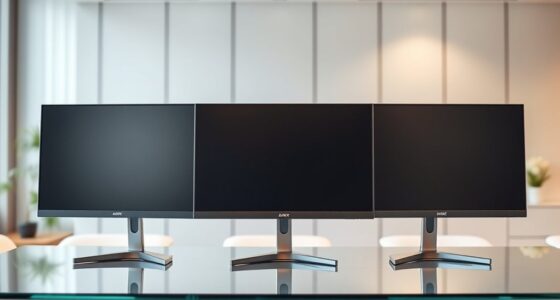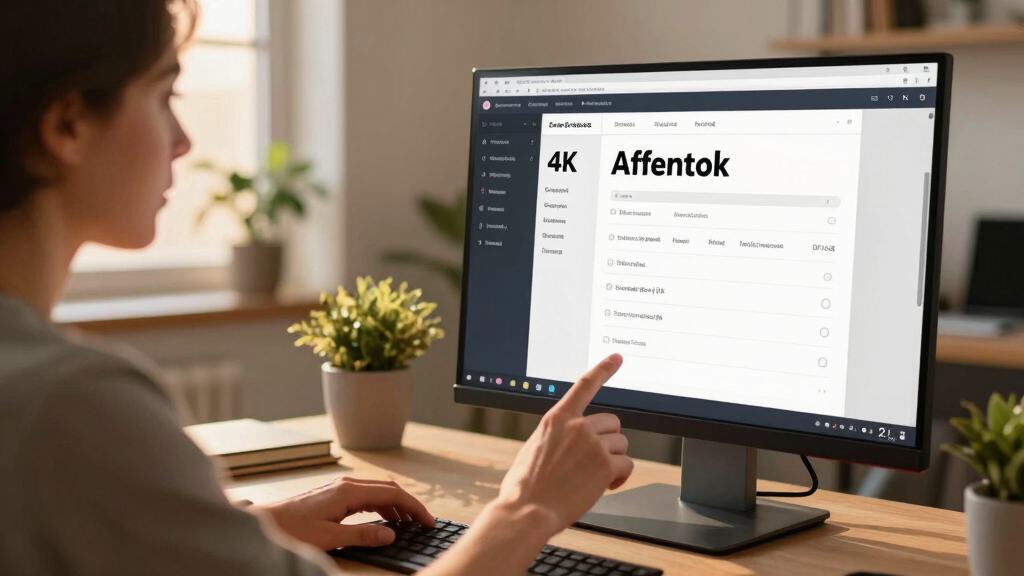

Finding the best 4K monitor for low vision accessibility involves balancing high resolution, adjustable features, and user-friendly interfaces. The ASUS 27″ Eye Care Monitor stands out for its eye comfort technology and sharp display, making it a top choice for clarity. The Samsung S80UA offers excellent color and HDR with USB-C for easy connectivity, while the LG 32UP83AK-W provides a larger screen with versatile adjustments. Each option presents tradeoffs between size, price, and feature set. Keep reading to see how these and others compare to help you find the best fit for your vision needs.

Get everyday helpers delivered free with Prime
- Fast, free delivery on millions of items
- Prime Video, Amazon Music and more included
- Member-only deals all year
Key Takeaways
- Higher contrast and adjustable brightness significantly improve visibility for low vision users.
- Larger screen sizes with ergonomic stands contribute to reduced eye strain and easier viewing.
- USB-C and multiple ports enhance accessibility by simplifying cable management and device connection.
- HDR support and color accuracy are secondary but helpful features that aid in visual distinction.
- Premium models tend to offer better ergonomic features but come at a higher price point.
| ASUS 27″ 4K Eye Care Monitor (VY27UQ) |  | Best Overall for Eye Comfort and Hygiene | Display Size: 27 inches | Resolution: 3840 x 2160 | Panel Type: IPS | VIEW LATEST PRICE | See Our Full Breakdown |
| Samsung 27″ S80UA 4K UHD IPS HDR10 Monitor with USB-C and Eye Saver Mode |  | Best for Versatile Connectivity and Ergonomics | Screen Size: 27 inches | Resolution: 3840 x 2160 | Panel Type: IPS | VIEW LATEST PRICE | See Our Full Breakdown |
| LG 32UP83AK-W 32″ 4K UHD IPS Monitor with HDR10, USB-C, Adjustable Stand |  | Best for Larger Screen and Enhanced Viewing Experience | Display Size: 32 inches | Resolution: 3840 x 2160 | Panel Type: IPS | VIEW LATEST PRICE | See Our Full Breakdown |
| LG 27US550-W 27″ 4K UHD IPS Computer Monitor |  | Best for Creative Professionals and Color Fidelity | Display Size: 27 inches | Resolution: 3840 x 2160 | Panel Type: IPS | VIEW LATEST PRICE | See Our Full Breakdown |
| ASUS 31.5” 4K HDR Eye Care Monitor (VP327Q) |  | Best for Multitasking and Content Creation | Display Size: 31.5 inches | Resolution: 3840 x 2160 | Panel Type: IPS | VIEW LATEST PRICE | See Our Full Breakdown |
| LG 27US500-W Ultrafine 27-Inch 4K UHD HDR10 IPS Monitor |  | Best for Creative Professionals Needing Wide Color and Flexibility | Display Size: 27 inches | Resolution: 3840×2160 (4K UHD) | Contrast Ratio: 1000:1 | VIEW LATEST PRICE | See Our Full Breakdown |
| LG 32UR550K-B 32-inch 4K UHD HDR Computer Monitor |  | Best for Multitasking and Versatile Use with Adjustable Stand | Display Size: 32 inches | Resolution: 3840 x 2160 (4K UHD) | HDR: HDR10 | VIEW LATEST PRICE | See Our Full Breakdown |
| Dell 27 Monitor S2725QS 4K UHD IPS with 120Hz Refresh Rate |  | Best for Smooth Performance and Color Accuracy in a 27-Inch Size | Screen Size: 27 inches | Resolution: 4K UHD | Refresh Rate: 120Hz | VIEW LATEST PRICE | See Our Full Breakdown |
| Samsung 27″ ViewFinity S8 (S80D) Series 4K UHD with HDR10 |  | Best for Versatile Connectivity and Creator-Focused Features | Resolution: 3840×2160 (4K UHD) | HDR: HDR10 | Ports: HDMI, DisplayPort, USB-A, USB-B | VIEW LATEST PRICE | See Our Full Breakdown |
| Samsung 27″ ViewFinity S8 (S80UH) 4K UHD with USB-C and Ergonomic Stand |  | Best for High-Resolution Detail with USB-C and Modern Ergonomics | Display Size: 27 inches | Resolution: 3840×2160 (4K UHD) | HDR: HDR10+ | VIEW LATEST PRICE | See Our Full Breakdown |
| Samsung 27″ ViewFinity S7 (S70H) 4K UHD Monitor |  | Best for Visual Clarity and Color Accuracy | Size: 27 inches | Resolution: 3840×2160 (4K UHD) | Panel Type: IPS | VIEW LATEST PRICE | See Our Full Breakdown |
| 4k monitors for low vision accessibility | Resolution | HDR | Display Size | Panel Type |
|---|---|---|---|---|
| ASUS 27" 4K Eye Care Monitor | 3840 x 2160 | HDR-10 | 27 inches | IPS |
| Samsung 27" S80UA 4K UHD IPS H | 3840 x 2160 | HDR10 | — | IPS |
| LG 32UP83AK-W 32" 4K UHD IPS M | 3840 x 2160 | HDR10 | 32 inches | IPS |
| LG 27US550-W 27" 4K UHD IPS Co | 3840 x 2160 | HDR10 | 27 inches | IPS |
| ASUS 31.5” 4K HDR Eye Care Mon | 3840 x 2160 | HDR-10 | 31.5 inches | IPS |
| LG 27US500-W Ultrafine 27-Inch | 3840×2160 (4K UHD) | HDR10 | 27 inches | — |
| LG 32UR550K-B 32-inch 4K UHD H | 3840 x 2160 (4K UHD) | HDR10 | 32 inches | — |
| Dell 27 Monitor S2725QS 4K UHD | 4K UHD | — | — | — |
| Samsung 27" ViewFinity S8 | 3840×2160 (4K UHD) | HDR10 | — | — |
| Samsung 27" ViewFinity S8 | 3840×2160 (4K UHD) | HDR10+ | 27 inches | — |
| Samsung 27" ViewFinity S7 | 3840×2160 (4K UHD) | HDR10 | — | IPS |
More Details on Our Top Picks
ASUS 27″ 4K Eye Care Monitor (VY27UQ)
This ASUS monitor excels as an all-around choice for low vision users needing sharp visuals combined with eye safety features. Its IPS panel delivers wide viewing angles essential for reducing strain, while the HDR-10 support enhances contrast for clearer, more distinguishable images. The Eye Care Plus technology with color augmentation and rest reminders directly targets eye fatigue, making it suitable for prolonged use. Compared with the Samsung S80UA, this model’s emphasis on antibacteria treatment and specialized eye care features offer an extra layer of protection, though it lacks USB-C and built-in speakers, which some users may find limiting. The higher price reflects its advanced hygiene and eye health features but could be a barrier for budget-conscious buyers.
Pros:- Sharp 4K UHD resolution with wide viewing angles for clear visuals
- HDR-10 support enhances contrast and color accuracy
- Eye Care Plus technology reduces eye strain through color augmentation and reminders
- Antibacterial coating promotes hygiene during long-term use
Cons:- No built-in speakers, limiting multimedia convenience
- Higher price point due to advanced health features
- Limited info on refresh rate or response time for fast-paced content
Best for: Low vision users who prioritize eye health, hygiene, and detailed visuals for extended viewing sessions
Not ideal for: Users seeking integrated USB-C charging or multimedia features, as this monitor lacks these options
- Display Size:27 inches
- Resolution:3840 x 2160
- Panel Type:IPS
- HDR:HDR-10
- Adaptive Sync:Yes
- Additional Features:Blue Light Filter, Flicker Free, DisplayWidget, antibacterial coating
Our verdict“This monitor is ideal for users who need excellent visual clarity combined with proactive eye and hygiene care, despite some missing multimedia features.”
Samsung 27″ S80UA 4K UHD IPS HDR10 Monitor with USB-C and Eye Saver Mode
The Samsung S80UA Series stands out for users who need a versatile, adjustable display with comprehensive eye care. Its IPS panel provides consistent color and wide angles, similar to the ASUS but with added ergonomic flexibility through height, tilt, pivot, and swivel adjustments. The inclusion of USB-C connectivity simplifies setups, allowing data, display, and charging through a single port—ideal for professional environments. Unlike the LG 32UP83AK-W, the S80UA’s single cable setup reduces clutter, but its premium pricing and limited size options may be less attractive for those on a tight budget or needing larger screens. Its power delivery capability up to 90W makes it especially appealing for laptop users.
Pros:- Vivid 4K UHD display with accurate, wide-angle colors
- Single USB-C port for display, charging, and data transfer
- Highly adjustable stand for ergonomic comfort
- Flicker-Free and Eye Saver Mode reduce eye strain
Cons:- Premium price may be prohibitive for budget users
- Limited to 27 inches, not suitable for those wanting larger screens
- Power saving features might slightly reduce brightness
Best for: Professionals and students who require flexible positioning and minimal cable clutter with high-quality visuals
Not ideal for: Gamers or those wanting larger displays, as the size is fixed at 27 inches and refresh rate details are unknown
- Screen Size:27 inches
- Resolution:3840 x 2160
- Panel Type:IPS
- HDR:HDR10
- Connectivity:USB-C
- Adjustability:Height, tilt, pivot, swivel
Our verdict“This monitor offers a compelling mix of color accuracy, connectivity, and ergonomic flexibility for productivity-focused users, though at a higher price point.”
LG 32UP83AK-W 32″ 4K UHD IPS Monitor with HDR10, USB-C, Adjustable Stand
The LG 32UP83AK-W is tailored for users who want a larger display with vibrant visuals and flexible connectivity. Its 32-inch size offers more screen real estate, making text and images easier to distinguish, especially for those with low vision. The support for HDR10 adds brightness and contrast, while the adjustable stand enhances ergonomics. Compared to the smaller Samsung S80UA, this model’s larger size can reduce eye strain by minimizing the need to squint or shift focus. However, its 60Hz refresh rate limits responsiveness for fast-paced gaming, and it lacks built-in speakers which could be a drawback for multimedia use. It’s a solid choice for extended work sessions and multimedia viewing.
Pros:- Large 32-inch 4K UHD display for easier visual distinction
- HDR10 support for improved contrast and color
- Fully adjustable stand for ergonomic comfort
- Multiple connectivity options including USB-C with 60W PD
Cons:- Limited to 60Hz, not ideal for high-speed gaming
- No built-in speakers or high-quality audio options
- Higher price due to size and features
Best for: Users seeking a larger, vivid display for detailed work or entertainment with adjustable comfort
Not ideal for: Fast-paced gaming enthusiasts or those needing integrated audio features
- Display Size:32 inches
- Resolution:3840 x 2160
- Panel Type:IPS
- HDR:HDR10
- Connectivity:HDMI, DisplayPort, USB-C 60W
- Stand Adjustments:Tilt, Height, Pivot
Our verdict“Best suited for users who prioritize screen size and visual clarity over gaming performance or integrated audio.”
LG 27US550-W 27″ 4K UHD IPS Computer Monitor
This LG 27-inch model is ideal for users who need accurate colors and vivid visuals for digital work. Its HDR10 support and a high contrast ratio of 1000:1 make images pop, which benefits those with low vision seeking more distinguishable details. The fully adjustable stand allows for ergonomic setup, reducing strain during long tasks. Compared to the ASUS VY27UQ, this monitor offers a slightly more affordable price point but at the expense of antibacterial treatments and specialized eye care features. Its 60Hz refresh rate isn’t suitable for fast gaming, but it excels in color accuracy and viewing angles for professional use.
Pros:- Vivid 4K resolution with up to 90% DCI-P3 color gamut
- HDR10 support for enhanced visual quality
- Fully adjustable stand for personalized ergonomic setup
- Wide viewing angles with IPS technology
Cons:- Limited to 60Hz refresh rate for fast action
- No built-in speakers or USB hub
- Higher cost compared to basic 4K monitors
Best for: Creative professionals or digital artists needing precise color and adjustable ergonomics
Not ideal for: High-speed gaming or multimedia users wanting built-in speakers and higher refresh rates
- Display Size:27 inches
- Resolution:3840 x 2160
- Panel Type:IPS
- Contrast Ratio:1000:1
- HDR:HDR10
- Color Gamut:Up to 90% DCI-P3
Our verdict“This monitor is perfect for users who prioritize color accuracy and ergonomic flexibility for creative work, despite lacking high refresh rates.”
ASUS 31.5” 4K HDR Eye Care Monitor (VP327Q)
The ASUS VP327Q offers a larger 31.5-inch display that benefits users requiring significant screen space for multitasking or detailed content. Its IPS panel ensures consistent colors from wide angles, while HDR-10 support boosts contrast and brightness for clearer visuals. The monitor’s Eye Care technology with blue light filters and flicker-free operation reduces eye fatigue during long sessions, making it suitable for low vision users who spend hours on screen. Although it includes built-in speakers, their quality may not satisfy audio enthusiasts, and the higher price might be a concern for some. Compared to smaller monitors, this size significantly enhances visibility and comfort for extended use.
Pros:- Large 31.5-inch 4K UHD display for detailed viewing
- HDR-10 support improves contrast and color depth
- Eye care features reduce fatigue during prolonged use
- Supports VESA mounting for flexible setup
Cons:- No high refresh rate, limiting gaming responsiveness
- Speakers are basic and may not suit audio-heavy tasks
- Higher cost for the larger size and advanced features
Best for: Content creators or professionals needing a large, comfortable workspace with eye care features
Not ideal for: Fast-paced gamers or users requiring high refresh rates for responsiveness
- Display Size:31.5 inches
- Resolution:3840 x 2160
- Panel Type:IPS
- HDR:HDR-10
- Features:Flicker Free, Blue Light Filter, VESA Mountable
Our verdict“This monitor is well-suited for users who need a large, detailed display with eye care at the forefront, though it’s less ideal for gaming or high-speed tasks.”
LG 27US500-W Ultrafine 27-Inch 4K UHD HDR10 IPS Monitor
This model makes the most sense for users who prioritize accurate color reproduction and flexible positioning, especially those involved in detailed digital work or creative tasks. Its 27-inch 4K UHD display offers vivid colors and deep blacks, thanks to HDR10 support and a 90% DCI-P3 color gamut, outperforming smaller or less color-accurate screens like the LG 27US550-W. The ergonomic stand with tilt adjustment promotes comfortable prolonged use, but the lack of built-in speakers and limited connectivity options may be a drawback for multimedia-focused users. Compared to the Dell S2725QS with its higher refresh rate, this monitor emphasizes color fidelity over performance for fast-paced visuals. Overall, it’s ideal for professionals needing vibrant visuals and ergonomic flexibility, with tradeoffs in multimedia features and connectivity.
Pros:- Vivid color accuracy with 90% DCI-P3 and HDR10 support
- Ergonomic stand with tilt for comfortable long-term use
- Wide viewing angles suitable for creative tasks
Cons:- No built-in speakers for multimedia use
- Limited connectivity options (only HDMI and DisplayPort)
Best for: Creative professionals and digital artists seeking precise color and ergonomic flexibility
Not ideal for: Gamers or multimedia users who require built-in speakers and extensive connectivity options
- Display Size:27 inches
- Resolution:3840×2160 (4K UHD)
- Contrast Ratio:1000:1
- HDR:HDR10
- Color Gamut:90% DCI-P3
- Connectivity:HDMI, DisplayPort
Our verdict“This monitor is perfect for creative professionals who prioritize color fidelity and ergonomic comfort over multimedia features.”
LG 32UR550K-B 32-inch 4K UHD HDR Computer Monitor
The LG 32UR550K-B stands out for users who need a larger screen for multitasking, streaming, or editing, offering a 32-inch 4K UHD display with HDR10 support and adjustable stand options like tilt, height, and pivot. Compared with the Dell S2725QS, which emphasizes responsiveness with a 120Hz refresh rate, this LG model focuses on size and flexibility, making it better suited for productivity and casual use rather than fast-paced gaming. Its lack of built-in speakers and absence of USB-C could be limiting for some users seeking an all-in-one solution. The larger display and ergonomic adjustments make it ideal for extended work sessions, although it doesn’t prioritize high refresh rates or gaming features. This makes it a strong choice for general use and creative work, with some tradeoffs in gaming responsiveness and connectivity options.
Pros:- Large 32-inch 4K UHD display with vibrant HDR10 color
- Flexible ergonomic stand with height, tilt, and pivot adjustments
- Suitable for multitasking and detailed visual work
Cons:- Limited to 60Hz refresh rate, not ideal for gaming
- No built-in speakers or USB-C connectivity
Best for: Office workers, creators, and multitaskers needing a large, adjustable display for extended use
Not ideal for: Fast-paced gamers or users seeking integrated audio and USB-C connectivity
- Display Size:32 inches
- Resolution:3840 x 2160 (4K UHD)
- HDR:HDR10
- Stand Adjustments:Tilt, Height, Pivot
- Connectivity:HDMI, DisplayPort
Our verdict“This monitor is well-suited for users who prioritize size, flexibility, and multitasking over gaming performance or integrated audio.”
Dell 27 Monitor S2725QS 4K UHD IPS with 120Hz Refresh Rate
The Dell S2725QS excels for users who want a balance between vibrant visuals and smooth performance, thanks to its 120Hz refresh rate and 99% sRGB color coverage. Compared to the LG 27US500-W, which emphasizes color and HDR support, this Dell model offers a higher refresh rate and faster response times, making it suitable for both creative work and casual gaming. Its IPS panel ensures accurate color from wide angles, but the overall feature set—like limited built-in audio options—means it may fall short for multimedia enthusiasts. The ergonomic stand with height, swivel, and pivot adjustments makes prolonged use comfortable. This monitor is ideal for those who need color precision combined with smoother motion, though at a price premium and with some limitations in integrated features.
Pros:- Vivid 4K visuals with 99% sRGB coverage
- 120Hz refresh rate with AMD FreeSync Premium for smooth motion
- Ergonomic stand with height, swivel, and pivot adjustments
Cons:- Limited built-in speakers for multimedia use
- Premium price point for advanced features
Best for: Creative professionals and casual gamers seeking color accuracy and smooth visuals
Not ideal for: Audio-focused users or those seeking extensive connectivity options like USB-C
- Screen Size:27 inches
- Resolution:4K UHD
- Refresh Rate:120Hz
- Response Time:5ms
- Color Gamut:99% sRGB
- Connectivity:HDMI, DisplayPort, USB-C
Our verdict“This monitor offers a compelling mix of color accuracy and smooth performance, ideal for creative users and casual gamers willing to invest in premium features.”
Samsung 27″ ViewFinity S8 (S80D) Series 4K UHD with HDR10
The Samsung ViewFinity S8 (S80D) shines for creators and professionals who need multiple ports and versatile ergonomic adjustments, including a height-adjustable, swiveling, and tilting stand. Its HDR10 support and vibrant 4K UHD display make it suitable for detailed editing and creative workflows. Compared with the S80UH model, which adds USB-C with Power Delivery, the S80D offers robust connectivity for multiple devices but lacks the same level of integrated features like KVM switch or built-in LAN. Its eye care technology reduces strain during long sessions, but absence of built-in speakers and limited detailed feature info might be a concern for some. This monitor is best for those who need a flexible, high-quality display with multiple device options and ergonomic versatility.
Pros:- Vibrant HDR10 and 4K UHD resolution for detailed visuals
- Multiple ports including HDMI, DisplayPort, USB-A, USB-B
- Full ergonomic adjustments and eye care features
Cons:- No built-in speakers
- Price and feature complexity may be high for casual users
Best for: Designers and content creators needing multiple ports and ergonomic flexibility
Not ideal for: Users seeking built-in audio or simplified connectivity
- Resolution:3840×2160 (4K UHD)
- HDR:HDR10
- Ports:HDMI, DisplayPort, USB-A, USB-B
- Stand:Height adjustable, swivels, tilts, pivots 90°
- Warranty:3 years
- Model Year:2024
Our verdict“This monitor suits creators who need extensive connectivity and ergonomic flexibility, with some compromises on integrated features like audio.”
Samsung 27″ ViewFinity S8 (S80UH) 4K UHD with USB-C and Ergonomic Stand
The Samsung S80UH is tailored for users who want a high-resolution display with integrated USB-C charging and extensive ergonomic adjustments. Its 27-inch 4K UHD panel with HDR10+ delivers vibrant, detailed images, ideal for tasks that demand precision, like editing or detailed design. The USB-C port provides 90W power delivery, reducing cable clutter, while the adjustable stand with tilt and swivel ensures comfort during extended sessions. Compared with the S80D, this version offers added convenience with USB-C and KVM switch capabilities, making it more versatile for multi-device setups. However, the high price and complex feature set may be overwhelming for casual users. It’s best for users who prioritize high resolution, modern connectivity, and ergonomic design in a single package.
Pros:- High-resolution 4K UHD with HDR10+ for vibrant visuals
- USB-C with 90W charging reduces cable clutter
- Ergonomic stand with tilt and swivel adjustments
Cons:- Premium price point
- Complex features may require learning curve
Best for: Professionals and creators requiring high resolution, USB-C charging, and ergonomic flexibility
Not ideal for: Budget-conscious buyers or those with simple connectivity needs
- Display Size:27 inches
- Resolution:3840×2160 (4K UHD)
- HDR:HDR10+
- USB-C Power Delivery:90W
- Stand:Tilt, Swivel
- Additional Ports:LAN, KVM, Picture-in-Picture
Our verdict“This monitor is ideal for professionals seeking high resolution, modern connectivity, and ergonomic comfort, with some premium tradeoffs.”
Samsung 27″ ViewFinity S7 (S70H) 4K UHD Monitor
The Samsung ViewFinity S7 (S70H) stands out for its high pixel density and vivid color reproduction, making it especially suitable for users who need precise visuals to differentiate details. Compared with the Samsung S80UA, it offers similar wide viewing angles and HDR10 support but at a more accessible price point, making it a strong contender for those prioritizing image quality over additional features like USB-C. Its IPS panel ensures consistent color accuracy from various angles, which is vital for low vision users who rely on stable visuals. The inclusion of eye comfort technology, such as Eye Saver Mode, reduces eye strain during prolonged use, a key benefit for individuals with sensitive eyes. However, the absence of built-in speakers and a potentially higher price tag due to its advanced features could be drawbacks for some. This model makes the most sense for users who need a reliable, color-accurate display for detailed work and extended viewing sessions.
Pros:- High-resolution 4K UHD display with excellent pixel density
- Wide 178° viewing angle ensures consistent visuals from different positions
- Supports HDR10 for enhanced contrast and color depth
- Eye comfort technology reduces eye strain during extended use
Cons:- Lacks built-in speakers, requiring external audio solutions
- Higher price point may be a barrier for budget-conscious buyers
Best for: Low vision users who prioritize color fidelity and visual clarity for detailed tasks like reading or design.
Not ideal for: Users who require integrated audio or a more budget-friendly option with fewer features, as this monitor focuses on display quality and eye comfort.
- Size:27 inches
- Resolution:3840×2160 (4K UHD)
- Panel Type:IPS
- HDR:HDR10
- Connectivity:HDMI, DisplayPort
- Eye Comfort:Yes, Eye Saver Mode
Our verdict“This monitor is ideal for low vision users who need precise, color-rich visuals with minimal eye strain, especially for detailed visual tasks.”

How We Picked
These monitors were evaluated based on several factors critical to low vision accessibility. Performance metrics such as resolution, contrast ratio, and color accuracy were prioritized to ensure sharp, vivid images. Usability features like adjustable stands, brightness controls, and screen size were also key, as they directly impact ease of use for individuals with low vision. Build quality and reliability were considered to confirm longevity, while value was assessed through price-to-feature ratio. The ranking reflects a balance of these elements, emphasizing features that make visual content more accessible without overwhelming budget considerations.| 4k monitors for low vision accessibility | HDR | Connectivity |
|---|---|---|
| ASUS 27" 4K Eye Care Monitor | HDR-10 | — |
| Samsung 27" S80UA 4K UHD IPS H | HDR10 | USB-C |
| LG 32UP83AK-W 32" 4K UHD IPS M | HDR10 | HDMI, DisplayPort, USB-C 60W |
| LG 27US550-W 27" 4K UHD IPS Co | HDR10 | — |
| ASUS 31.5” 4K HDR Eye Care Mon | HDR-10 | — |
| LG 27US500-W Ultrafine 27-Inch | HDR10 | HDMI, DisplayPort |
| LG 32UR550K-B 32-inch 4K UHD H | HDR10 | HDMI, DisplayPort |
| Dell 27 Monitor S2725QS 4K UHD | — | HDMI, DisplayPort, USB-C |
| Samsung 27" ViewFinity S8 | HDR10 | — |
| Samsung 27" ViewFinity S8 | HDR10+ | — |
| Samsung 27" ViewFinity S7 | HDR10 | HDMI, DisplayPort |
Factors to Consider When Choosing Best 4k Monitors For Low Vision Accessibility
When selecting a 4K monitor for low vision accessibility, it’s important to consider factors that directly enhance clarity and ease of use. Beyond resolution, features like adjustable brightness, contrast, and ergonomic stands can dramatically reduce eye strain. Connectivity options such as USB-C simplify setup, especially for users with limited dexterity or visual challenges. Size and screen quality matter too, as larger screens with high contrast and color accuracy can improve recognition and reduce fatigue. Avoiding models with poor ergonomic design or limited customization options can make a significant difference in daily usability.Display Size and Resolution
Choosing the right screen size depends on your workspace and vision needs. Larger screens (27 inches and above) reduce the need to squint or strain, especially when combined with 4K resolution, which provides sharp text and detailed images. However, bigger screens may require more desk space and higher budgets. Resolution alone isn’t enough—contrast ratio and color vibrancy also matter for low vision users. Opt for monitors that balance size with pixel density to maximize clarity without overwhelming your field of view.
Adjustability and Ergonomics
Features like height adjustments, tilt, swivel, and pivot are essential for customizing your viewing angle and reducing neck or eye strain. An ergonomic stand can help position the display at eye level, which is vital for those with limited mobility or who need to avoid awkward postures. Some monitors also include blue light filters and flicker-free technology, further reducing eye fatigue. Investing in adjustable features ensures the monitor can adapt to your specific needs, making long sessions more comfortable.
Brightness and Contrast
High brightness levels and contrast ratios are key for enhancing visibility, especially in well-lit environments. Monitors with customizable brightness controls allow you to set a comfortable level that prevents glare and eye strain. Contrast ratios influence how well you can distinguish between different shades, which is crucial for users with low vision. Look for models that offer local dimming or HDR support, as these features improve overall image depth and clarity.
Connectivity and Compatibility
Ease of connection can streamline your setup, especially if you use multiple devices. USB-C ports enable quick, single-cable connections for power and data, reducing clutter and making adjustments easier. Multiple input options like HDMI and DisplayPort increase compatibility with various computers and accessories. Be sure to check your device’s ports and compatibility to avoid needing adapters or additional hardware, which can complicate setup and access.
Price and Value
While premium monitors offer advanced features like better ergonomics and superior image quality, they come at a higher cost. Evaluate whether those features genuinely improve your daily experience or if a mid-range model suffices. For many users, essential features like adjustable stands, high contrast, and sufficient size outweigh extras like HDR or ultra-wide screens. Remember, investing in a monitor with strong core features can make a significant difference in accessibility and comfort without breaking the bank.
Frequently Asked Questions
How does screen size affect low vision accessibility?
Screen size plays a vital role in low vision accessibility by reducing the need for squinting or straining. Larger screens display more content at a comfortable size, making text and images easier to see without magnification. However, size should be balanced with resolution and desk space, as very large monitors can overwhelm smaller work areas. Ultimately, a bigger screen combined with high resolution can significantly improve visibility and reduce fatigue over long periods of use.
What features should I prioritize if I have limited dexterity?
For users with limited dexterity, ease of adjustment is crucial. Monitors with simple, accessible controls—such as touch-sensitive buttons or remote adjustments—are beneficial. Ergonomic features like height, tilt, and swivel adjustments allow you to position the screen without much effort. USB-C connectivity can also simplify setup, reducing the need for multiple cables or complex connections. Choosing models with sturdy stands and easy-to-use controls ensures better control and less frustration during setup and daily use.
Is HDR support necessary for low vision users?
HDR support can enhance contrast and brightness, making content more distinguishable. While not a necessity, HDR does improve overall image depth, which can benefit users with low vision by making details stand out more clearly. However, the primary focus should be on contrast ratio, brightness, and color accuracy. If your environment is well-lit or you work with visual tasks that benefit from enhanced contrast, HDR can be a valuable feature, but it’s not a substitute for core accessibility features.
How important is connectivity for low vision users?
Connectivity options like USB-C are especially important because they simplify setup and reduce cable clutter. Easy-to-access ports allow quick connection to peripherals or laptops, minimizing the effort required to configure your workspace. Multiple ports also provide flexibility for different devices, ensuring you can connect without adapters or extra hardware, which can be cumbersome. Prioritizing connectivity features enhances overall usability, especially for those who rely on adaptive devices or assistive technology.
Should I pay more for a monitor with better ergonomics?
Investing in a monitor with superior ergonomic features pays off in long-term comfort and health. Adjustable stands that allow for height, tilt, and swivel help position the screen exactly where it’s easiest to view, reducing eye strain and neck pain. For low vision users who spend many hours in front of the screen, these features can prevent fatigue and discomfort. While premium models may cost more upfront, the ergonomic benefits often justify the investment through improved comfort and accessibility.
Conclusion
For general use and the best overall experience, the ASUS 27″ Eye Care Monitor offers a strong combination of clarity, comfort, and adjustability at a reasonable price. Those seeking the best value might consider the LG 27US550-W, which provides essential features without excess cost. If budget isn’t a concern and premium features matter, the Samsung S80UA with HDR and USB-C stands out. Beginners or users with specific needs should look for models with straightforward controls and ergonomic stands, such as the LG 32UP83AK-W. Ultimately, your choice should reflect your workspace, budget, and specific visual requirements.Halloween Picks
halloween
As an affiliate, we earn on qualifying purchases.