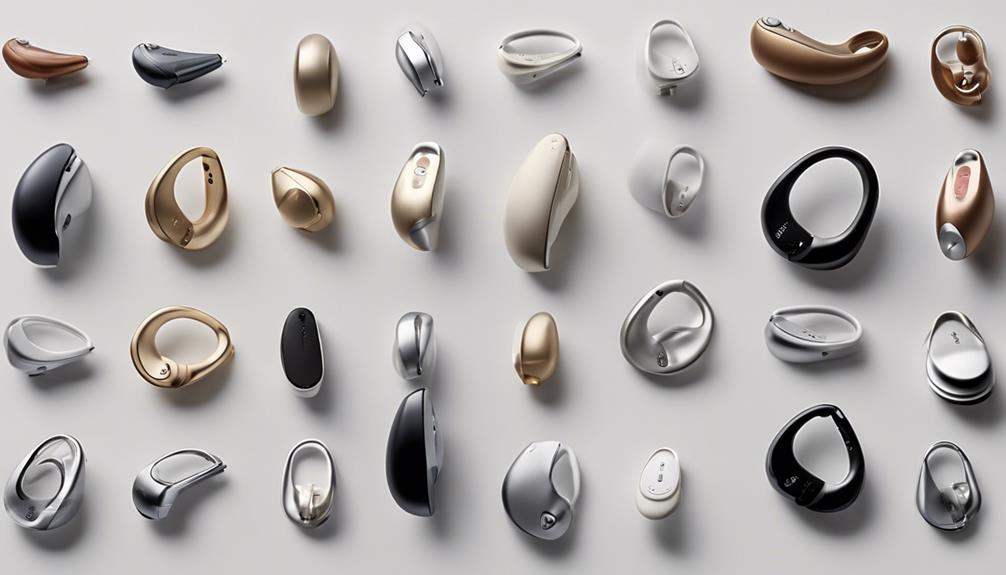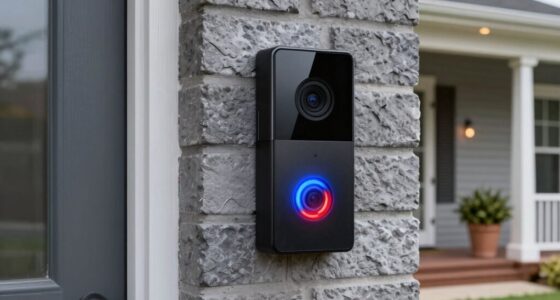


I find the Venucast AuraPlex M3 the strongest overall choice for venues seeking an Auracast-based assistive listening system, while the Williams Sound PockeTalker Ultra Duo is a simpler personal amplifier and the Avantree AuraPlex MX is aimed at churches. The main choice is between a personal device that amplifies nearby sound and a transmitter-and-receiver system that serves a group. Group size, compatibility, setup effort, and how listeners receive audio all affect which option makes sense. Traditional multi-receiver kits can be straightforward for tours or small events, while newer Auracast systems offer a different way to distribute audio. Read on for how these nine options compare and which fits your listening needs.

Get everyday helpers delivered free with Prime
- Fast, free delivery on millions of items
- Prime Video, Amazon Music and more included
- Member-only deals all year
Key Takeaways
- The Venucast AuraPlex M3 leads this lineup for venues prioritizing an Auracast assistive listening approach; buyers should check that their intended receivers support the needed broadcast format.
- The PockeTalker Ultra Duo includes headphones and an earbud, giving personal users more listening choices than a receiver kit designed for group distribution.
- The four-person kits from Enersound and the unnamed ADA-plaque bundle are sized for small groups; they do not match the supplied receiver counts of the Retekess T130 or TT119.
- The Retekess T130 is framed as a tour guide system with one transmitter and 15 receivers, while the TT119 targets church translation with 10 receivers, so use case matters alongside capacity.
- There are two Williams Sound PockeTalker Ultra listings: the Duo bundle specifies headphones and an earbud, while the separate Ultra listing does not specify those accessories in its name.
| Venucast AuraPlex M3 Auracast Assistive Listening System |  | Best Auracast Pick for Small Venues | Brand: Venucast | Model: AuraPlex M3 | Model number: BTTC-500K | VIEW ON AMAZON | See Our Full Breakdown |
| Williams Sound PockeTalker Ultra Duo Sound Amplifier with Headphones and Earbud |  | Best for One-to-One Conversations | Acoustic gain: 20–40 dB | Battery: 2 replaceable AAA batteries, not included | Listed battery life: Up to 100 hours | VIEW ON AMAZON | See Our Full Breakdown |
| 4-Person Assistive Listening System with Carrying Case and ADA Plaque |  | Best for a Supported Four-Listener Setup | Included accessories: Carrying case and ADA plaque | Base capacity: 4 people | Expansion: Compatible with additional R-120 or R-100 receivers | VIEW ON AMAZON | See Our Full Breakdown |
| Avantree AuraPlex MX Auracast Assistive Listening System for Churches |  | Best Auracast Package for Larger Groups | Brand: Avantree | Model: AuraPlex MX | Included devices: 1 transmitter and 10 clip-on receivers | VIEW ON AMAZON | See Our Full Breakdown |
| Retekess T130 Wireless Tour Guide System with 1 Transmitter and 15 Receivers |  | Best for Guided Tours and Mobile Groups | Brand: Retekess | Model: T130 | Included devices: 1 transmitter and 15 receivers | VIEW ON AMAZON | See Our Full Breakdown |
| Avantree Audiplex M3 Multi-Channel Assistive Listening System with 1 Transmitter and 3 Receivers |  | Best for Multiple Listening Groups | Wireless technology: 2.4 GHz RF | Selectable channels: Up to 4 | Latency: 30 ms | VIEW ON AMAZON | See Our Full Breakdown |
| Retekess TT119 Assistive Listening System for Church Translation, 1 Transmitter and 10 Receivers |  | Best for Multilingual Events | Included components: 1 transmitter and 10 receivers | Channels: 17 | Stated range: Up to 300 m (984 ft) | VIEW ON AMAZON | See Our Full Breakdown |
| Williams Sound Pocketalker Ultra Personal Sound Amplifier |  | Best for One-on-One Listening | Amplification: Up to 40 dB | Controls: Separate volume and tone controls | Power source: Battery powered | VIEW ON AMAZON | See Our Full Breakdown |
| Enersound 4-Person Assistive Listening System |  | Best for Small Venues Seeking Expandability | Included listener capacity: 4 | System type: Assistive listening system | Expansion receivers: Enersound R-120 or R-100 FM receivers | VIEW ON AMAZON | See Our Full Breakdown |
| assistive listening systems and device | Warranty |
|---|---|
| Venucast AuraPlex M3 Auracast | 2 years |
| Williams Sound PockeTalker Ult | — |
| 4-Person Assistive Listening S | 3 years |
| Avantree AuraPlex MX Auracast | 24 months with product registration |
| Retekess T130 Wireless Tour Gu | 3 years |
| Avantree Audiplex M3 Multi-Cha | 24 months |
| Retekess TT119 Assistive Liste | — |
| Williams Sound Pocketalker Ult | 5 years |
| Enersound 4-Person Assistive L | 3 years |
More Details on Our Top Picks
Venucast AuraPlex M3 Auracast Assistive Listening System
The Venucast AuraPlex M3 suits venues that want to serve both people using supplied receivers and attendees with compatible Auracast hearing aids or devices. Its three included receivers make it a smaller-group package than the ten-receiver Avantree AuraPlex MX, while the same stated 328-foot line-of-sight range can cover a medium-sized room when the path is clear. Optical, AUX, and Bluetooth inputs give organizers options for feeding program audio to the transmitter. The tradeoff is compatibility: only select hearing aid models work, so a venue should check its audience’s devices before relying on Auracast access. Obstructions can reduce coverage, and this system is not recommended for stadiums or outdoor events. I’d choose it for a church or classroom seeking a modest receiver pool, not a large event fleet.
Pros:- Includes three receivers for listeners who do not bring compatible personal devices
- Supports select Auracast-enabled hearing aids and compatible Bluetooth devices
- Optical, AUX, and Bluetooth inputs offer several ways to feed audio into the transmitter
- Stated line-of-sight range reaches up to 328 feet
Cons:- Only select hearing aid models are compatible, so access may vary across attendees
- Walls and other obstructions can reduce coverage
- Not recommended for stadiums or outdoor events
Best for: Small churches and classrooms that need a few loaner receivers and have confirmed compatible Auracast devices among attendees
Not ideal for: Large or outdoor event organizers, or venues whose audiences rely on hearing aids that are not Auracast compatible
- Brand:Venucast
- Model:AuraPlex M3
- Model number:BTTC-500K
- Included devices:1 transmitter and 3 receivers
- Range:Up to 100 m / 328 ft line of sight
- Stated venue capacity:Approximately 300 seats
- Transmitter audio connections:Optical, AUX, and Bluetooth
- Warranty:2 years
Our verdict“Choose the AuraPlex M3 for a medium-sized indoor venue that wants Auracast support and only needs a small pool of supplied receivers.”
Williams Sound PockeTalker Ultra Duo Sound Amplifier with Headphones and Earbud
Unlike venue broadcast systems such as the Avantree AuraPlex MX, the Williams Sound PockeTalker Ultra Duo is a personal amplifier for bringing nearby speech forward. External volume and tone controls let a listener adjust sound directly, and the removable microphone can be positioned closer to a conversation or connected with its extension cord. The included folding headphone and single earbud give more listening choices than a system sold around receivers for a group. It is suited to conversations, small groups, television, and car listening, but it does not distribute a venue’s audio to a room full of listeners. Power also depends on two AAA batteries, which are not included. The source gives conflicting TV cord lengths and warranty details, so I would verify both with the seller before treating them as settled specs.
Pros:- External volume and tone controls make adjustments accessible during listening
- Removable microphone can be positioned for nearby speech
- Includes both a folding headphone and a single earbud
- Listed battery life is up to 100 hours
Cons:- Requires two AAA batteries, which are not included
- Source information conflicts on TV cord length
- Source information gives conflicting warranty periods
Best for: An individual who wants a portable speech amplifier for conversations, television listening, or small groups and prefers external controls
Not ideal for: Churches, classrooms, or event organizers who need to broadcast audio to multiple listeners at once
- Acoustic gain:20–40 dB
- Battery:2 replaceable AAA batteries, not included
- Listed battery life:Up to 100 hours
- Included listening accessories:Folding headphone and single earbud
- TV listening cord:Conflicting source listings: 12 ft and 2 ft
- Controls:External volume and tone controls
- Microphone:Removable, with extension cord
- Listed warranty:Conflicting source listings: 5-year manufacturer warranty and 365 days
Our verdict“Pick the PockeTalker Ultra Duo for personal conversation and TV amplification, rather than a shared venue listening system.”
4-Person Assistive Listening System with Carrying Case and ADA Plaque
For a church or school that wants a defined starter kit, this four-person assistive listening system pairs a supplied carrying case with an ADA plaque and a stated three-year warranty. That makes it a more venue-oriented package than the personal Williams Sound PockeTalker Ultra Duo, which serves one listener at a time. It can also expand with R-120 or R-100 receivers, giving organizers a route to add capacity as demand grows. The limit is clear: the base setup serves four people, and expansion requires additional receivers. At 14 pounds, the package is portable as a kit but heavier than a pocket amplifier or the lightweight Retekess T130 transmitter. The provided product data does not specify range, connection types, or receiver details, so buyers comparing technical coverage should seek those details before choosing.
Pros:- Includes a carrying case for storing and transporting the system
- Comes with an ADA plaque for venue visibility
- Can expand with R-120 or R-100 receivers
- Lists a three-year warranty and U.S.-based phone support
Cons:- Base configuration is limited to four users
- Additional receivers are needed to expand capacity
- Product data does not specify range or audio connection types
Best for: Church and school administrators who need an identifiable four-listener setup with a carrying case, ADA plaque, and U.S.-based phone support
Not ideal for: Venues that need more than four simultaneous listeners out of the box or require confirmed range and connection specifications before purchase
- Included accessories:Carrying case and ADA plaque
- Base capacity:4 people
- Expansion:Compatible with additional R-120 or R-100 receivers
- Warranty:3 years
- Support:U.S.-based phone support
- Item weight:14 pounds
Our verdict“Choose this kit when a church or school needs a supported four-listener starting point and can add receivers if demand grows.”
Avantree AuraPlex MX Auracast Assistive Listening System for Churches
The Avantree AuraPlex MX includes ten clip-on receivers, making it a better fit for venues that need a larger ready-to-lend pool than the three-receiver Venucast AuraPlex M3. Both systems support select Auracast hearing aids and compatible personal devices, so the MX can serve listeners using their own equipment as well as people borrowing a receiver. Its Auracast over Bluetooth LE Audio and optical, AUX, or Bluetooth connections give organizers several ways to supply program audio. The stated 328-foot range is line of sight; walls and other obstructions can reduce coverage, and the system is not recommended for stadiums or outdoor events. Hearing aid support is limited to select models, which makes checking compatibility part of planning. Registration is required for the listed 24-month warranty.
Pros:- Includes ten clip-on receivers for a larger loaner pool than the Venucast AuraPlex M3
- Supports select Auracast-enabled hearing aids and compatible personal devices
- Accepts optical, AUX, and Bluetooth connections
- Lists up to 328 feet of line-of-sight range
Cons:- Hearing aid compatibility covers select models only
- Obstructions can reduce the stated wireless range
- Listed 24-month warranty requires product registration
Best for: Churches and classrooms that expect to lend receivers to a group while also supporting attendees with confirmed Auracast-compatible devices
Not ideal for: Venues seeking broad compatibility with all hearing aids, or planning stadium and outdoor coverage
- Brand:Avantree
- Model:AuraPlex MX
- Included devices:1 transmitter and 10 clip-on receivers
- Wireless technology:Auracast, Bluetooth LE Audio
- Maximum range:328 ft / 100 m line of sight
- Supported connections:Optical, AUX, and Bluetooth
- Audio output:3.5 mm AUX, stereo
- Warranty:24 months with product registration
Our verdict“Choose the AuraPlex MX when an indoor venue needs ten supplied receivers alongside Auracast access for compatible personal devices.”
Retekess T130 Wireless Tour Guide System with 1 Transmitter and 15 Receivers
With 15 receivers in the set, the Retekess T130 can serve more listeners at once than the four-person assistive system, while its compact transmitter and receivers suit groups that move through a venue. One-click pairing reduces setup steps, and PLL technology is intended to keep the voice signal stable over its stated range of about 60 m. The system also supports AUX input, adjustable receiver volume, and rechargeable batteries; listed battery life is up to 12 hours for the transmitter and 18 hours for receivers. This is a tour guide style broadcast, not automatic translation, and it uses a different approach from the Auracast-enabled Avantree AuraPlex MX. Buyers should also note that the T130 is not compatible with the T130U Slim.
Pros:- Includes 15 receivers for a larger group than the four-person system
- One-click pairing simplifies connecting receivers to the transmitter
- Lightweight transmitter and receivers suit mobile tours
- Rechargeable batteries are listed for up to 12 hours of transmitter and 18 hours of receiver use
Cons:- Does not translate speech automatically
- Not compatible with the T130U Slim
- About 60 m stated range is shorter than the 328-foot line-of-sight range listed for the AuraPlex systems
Best for: Tour guides, museum educators, and mobile groups that need to send one speaker’s voice to up to 15 listeners
Not ideal for: Listeners seeking automatic translation, or venues that require Auracast hearing aid compatibility or T130U Slim receiver support
- Brand:Retekess
- Model:T130
- Included devices:1 transmitter and 15 receivers
- Wireless range:About 60 m
- Transmitter / receiver weight:56 g / 46 g
- Battery capacities:Transmitter: 900 mAh
- Battery life:Transmitter: up to 12 hours; receivers: up to 18 hours
- Audio input and compatibility:AUX; compatible with T130, T130S, and T130P, not T130U Slim
- Warranty:3 years
Our verdict“Choose the T130 for mobile guided groups that need a dedicated speaker-to-listener broadcast with 15 receivers and do not need translation.”
Avantree Audiplex M3 Multi-Channel Assistive Listening System with 1 Transmitter and 3 Receivers
The Audiplex M3 suits venues that need to send different audio to separate groups: its four selectable channels allow parallel listening setups, while individual receiver volume controls let each listener adjust their level. Its stated 30 ms latency helps keep the sound aligned with a live speaker. Compared with the Retekess TT119, which includes ten receivers and interpreter tools, the M3 starts with only three receivers but offers a more compact kit for a smaller audience. The system uses 2.4 GHz RF and claims up to 100 m range in open areas, so walls and crowded interiors may reduce coverage. I would choose it for flexible group audio, but venues expecting a large audience should account for the limited included receivers.
Pros:- Four selectable channels support separate listening groups
- 30 ms stated latency helps keep live audio synchronized
- Each receiver has its own volume control
- Includes a charging dock and wired earbuds
Cons:- Only three receivers are included
- The 100 m range is stated for open areas and may be shorter indoors
Best for: Schools, churches, and event organizers who need up to four separate listening channels for small groups.
Not ideal for: Venues serving many simultaneous listeners out of the box, since the package includes only three receivers.
- Wireless technology:2.4 GHz RF
- Selectable channels:Up to 4
- Latency:30 ms
- Stated range:Up to 100 m (328 ft) in open areas
- Included receivers:3 clip-on receivers with wired earbuds
- Audio frequency:48 kHz
- Included accessories:Charging dock, optical cable, AUX cable, 2 USB-C cables, power charger
- Warranty:24 months
Our verdict“Choose the Audiplex M3 when a small venue needs channel flexibility and personal volume adjustment more than a large receiver bundle.”
Retekess TT119 Assistive Listening System for Church Translation, 1 Transmitter and 10 Receivers
For events with interpreters or several language groups, the TT119 brings together 17 channels, interpreter monitoring, and recording in one transmitter-and-receiver kit. Its ten included receivers make it a more ready-to-deploy choice for a group than the Avantree Audiplex M3, which includes three; the Retekess also lists XLR, AUX, RCA, and USB inputs for connecting different audio sources. The stated range reaches 300 m, though actual coverage depends on the venue. One setup detail matters: audio is mono by default, and stereo must be enabled in settings. Receivers run on two AA batteries and are described as lasting up to ten hours, which means organizers need to manage battery replacement or charging logistics. I’d pick it for translation-heavy gatherings, not for buyers seeking a minimal personal listening device.
Pros:- Ten receivers are included for group use
- Seventeen channels support multiple audio groups
- Interpreter monitoring and recording are available
- XLR, AUX, RCA, and USB inputs accommodate varied sources
Cons:- Receivers require two AA batteries each
- Mono is the default mode; stereo requires a settings change
- The 300 m range is a stated maximum, not a guarantee for every venue
Best for: Churches and event teams running interpreted services or multiple language groups for audiences of several listeners.
Not ideal for: Individuals seeking a pocket-sized amplifier or organizers who want rechargeable receivers without managing AA batteries.
- Included components:1 transmitter and 10 receivers
- Channels:17
- Stated range:Up to 300 m (984 ft)
- Audio inputs:XLR, AUX, RCA, USB
- Audio modes:Mono by default; stereo available in settings
- Receiver power:2 AA batteries per receiver
- Stated receiver battery life:Up to 10 hours
- Special features:Interpreter monitoring, recording, one-click mute, automatic pairing
Our verdict“Choose the TT119 for interpreted events that need several channels and a substantial receiver bundle, with battery management as part of the setup.”
Williams Sound Pocketalker Ultra Personal Sound Amplifier
The Pocketalker Ultra takes a personal approach to assistive listening: it amplifies nearby sound for conversations, small groups, or television listening rather than broadcasting one source to a room full of receivers. Its separate volume and tone controls let the listener adjust loudness and sound character, and the included microphone extension cord can help position the microphone closer to a speaker or TV. Compared with the Retekess TT119, it is simpler and more portable for individual use, but it lacks the TT119’s channels and multi-listener setup. This is a sound amplifier, not a hearing aid, and the stated amplification of up to 40 dB does not make it suitable for every hearing need. Battery power also means ongoing AAA replacement. I’d favor it for everyday listening support when a full venue system would be unnecessary.
Pros:- Up to 40 dB of amplification
- Separate volume and tone controls allow listening adjustments
- Includes headphones, a single earbud, and a 12 ft microphone extension cord
- Portable design includes a neck lanyard
Cons:- It is not a hearing aid
- The product may not suit severe hearing impairment
- Battery powered with AAA alkaline batteries
Best for: People with mild to moderate hearing needs who want a personal amplifier for conversations or television.
Not ideal for: People seeking a hearing aid, support for severe hearing impairment, or a system that serves several listeners at once.
- Amplification:Up to 40 dB
- Controls:Separate volume and tone controls
- Power source:Battery powered
- Battery type:AAA alkaline
- Included batteries:20 AAA batteries
- Included listening accessories:Deluxe headphones and single earbud
- Microphone extension cord:12 ft
- Warranty:5 years
Our verdict“Choose the Pocketalker Ultra for adjustable personal listening support in daily conversations and TV use, rather than shared venue audio.”
Enersound 4-Person Assistive Listening System
The Enersound system is built around a clear starting point: four listeners in venues such as churches, schools, or theaters, with the option to add compatible R-120 or R-100 FM receivers later. That makes it a practical fit for a small venue whose listening needs may grow. The included ADA plaque and three-year US-based warranty and phone support add useful venue-facing details. Compared with the Avantree Audiplex M3, which offers four selectable channels and individual receiver volume controls, the Enersound listing emphasizes a four-person FM setup and future receiver expansion; its supplied data does not specify channels, range, or receiver controls. Expansion also means sourcing extra receivers separately. I’d consider it when a venue wants a straightforward four-person system with support and expansion options, while checking the full kit details before matching it to a specific room.
Pros:- Supports four listeners in the included setup
- Expandable with Enersound R-120 or R-100 FM receivers
- Includes an ADA plaque
- Three-year warranty and US-based phone support are listed
Cons:- Additional listeners require separately acquired receivers
- The supplied product details do not specify channel count or range
Best for: Small churches, schools, and theaters that need listening access for four people and may add compatible receivers later.
Not ideal for: Venues that need multiple selectable channels or a larger ready-to-use audience kit with all receivers included.
- Included listener capacity:4
- System type:Assistive listening system
- Expansion receivers:Enersound R-120 or R-100 FM receivers
- Included accessory:ADA plaque
- Warranty:3 years
- Support:US-based phone support
- Item weight:4 pounds
Our verdict“Choose the Enersound for a four-person venue setup with a stated expansion path and support, after confirming its technical details fit the room.”

How We Picked
I ranked these assistive listening systems and devices by how clearly each listing supports a distinct listening job: personal amplification, small-group listening, tours, church use, or venue-wide audio. I weighed the stated receiver count, included accessories, intended setting, and the practical implications of a system’s format. Those details affect who can listen at once and how much equipment a buyer needs to manage.
The order gives the highest placement to options with a clear role and a meaningful distinction for buyers, then separates specialized group systems and personal amplifiers by their stated use and bundle details. Product names alone do not establish compatibility, listening range, sound quality, or battery life, so I avoid treating those as proven advantages. Before buying, verify technical specifications and compatibility with the actual source, receivers, and venue.
Factors to Consider When Choosing Assistive Listening Systems And Devices
I would start by deciding where listening happens and who needs to hear. That choice affects the kind of system, receiver count, and setup questions that matter more than a feature list alone.
Choose Personal Amplification or Shared Audio
A personal sound amplifier and a multi-receiver listening system solve different problems. A personal amplifier picks up nearby sound for one listener, which can suit conversation or television listening without outfitting a room. A transmitter system sends audio from a source to multiple listeners, making it a better match for a guided tour, service, or presentation. A common mistake is buying a personal amplifier when the goal is to distribute a microphone or translated audio to a group. I would identify the sound source and number of listeners before comparing models. For ongoing hearing support, ask an audiologist whether amplification or a hearing aid is the more appropriate tool.
Size the Receiver Pool for Real Attendance
Count the people who may need a receiver at the same time, not just the usual attendance. A four-receiver bundle may cover a small class or meeting, but it leaves little room for a busy event or spare units. Larger bundles such as the T130 and TT119 provide more supplied receivers, though their different stated uses matter. Also ask whether receivers can be added later and whether extras are available in the same system family. For a public venue, a sign-up process and a few charged spares can matter as much as the initial count. Buying by average attendance alone can leave a venue short when access needs change.
Check Compatibility Before Choosing a Format
Wireless names do not tell the whole compatibility story. Confirm what audio input the transmitter accepts, which receiver types can tune in, and whether personal phones or hearing devices need a particular broadcast capability. Auracast branding is not by itself proof that every listener can connect with existing equipment. Older or dedicated receiver systems may need users to borrow a receiver even when they already use hearing aids. Ask the supplier for a written compatibility list tied to the exact model numbers in the bundle. This step can prevent a technically modern system from being unusable for the people you intend to serve.
Plan for Range, Layout, and Interference
Published range figures, when available, are usually measured under specific conditions and may not reflect a crowded building. Walls, metal structures, other wireless equipment, and transmitter placement can affect reception. Before committing to a venue-wide setup, map where listeners sit or walk and ask about coverage in those spaces. For tours, consider whether the transmitter and receivers remain reliable while people move between rooms or outdoors. Keep line-of-sight and charging access in mind during placement. A short on-site trial or a clear return policy is useful when coverage is central to the purchase.
Compare Setup and Maintenance Work
Receiver kits create recurring tasks: charging or replacing batteries, cleaning earpieces, tracking equipment, and handing devices out. More receivers can help a larger group but also increase the number of units that staff must prepare and collect. Personal amplifiers may be simpler for one listener, though comfort, controls, and accessory fit still affect daily use. Ask whether charging docks, replaceable batteries, storage, and cleaning supplies are included or sold separately. Assigning a staff member to check equipment before events can prevent avoidable listening gaps. The least expensive setup to operate is often the one that matches the venue’s routine and staffing.
Choose Accessories for Comfort and Hygiene
Headphones, earbuds, neck loops, and other listening accessories can change who can comfortably use a system. A bundle that includes more than one listening style gives a personal user a choice, but buyers should confirm connector compatibility and whether replacement accessories are easy to obtain. Shared equipment calls for cleanable surfaces and disposable covers or a sanitation routine. Ask intended users which styles they can wear comfortably, especially for longer events. Do not assume that an included earbud will work for every person or hearing device. Testing fit with representative users can reveal problems that a receiver-count comparison will miss.
Frequently Asked Questions
Should I choose an Auracast system or a traditional receiver kit for my venue?
I would choose based on the receivers your audience can actually use, not the newer-sounding format alone. Ask the supplier which phones, hearing devices, and dedicated receivers are compatible with the exact system. A traditional kit can be easier to deploy when the venue intends to lend matched receivers to listeners. An Auracast option may suit a venue planning around compatible devices, but it can leave some visitors needing separate equipment. Confirm compatibility and guest access before deciding.
Can a personal sound amplifier replace a hearing aid?
A personal amplifier can make nearby speech or other sounds louder, but it is not the same as a hearing aid fitted to an individual’s hearing needs. It may be useful for occasional listening or as a simple aid in a specific setting. It may not provide the adjustments or support a person needs for everyday hearing. Anyone with persistent hearing difficulty should discuss options with a qualified hearing professional. I would treat an amplifier as a listening aid, not as a substitute for individualized care.
How many receivers should a church or event venue buy?
Plan for the highest likely number of simultaneous listeners, with a small reserve for unexpected needs and units that are charging or being cleaned. The four-person systems in this roundup suit a much smaller pool than the Retekess kits supplied with 10 or 15 receivers. Attendance alone may understate demand if multiple services or events overlap. Check whether compatible receivers can be purchased later and whether the venue can store and maintain them. A borrowing log can help you learn actual demand before expanding.
What should I verify before buying a tour or translation system?
Confirm that the transmitter accepts the intended microphone or audio source and that every supplied receiver can receive that signal. Ask about coverage in the actual route, including outdoor sections and rooms separated by walls. For translation, check how interpreters connect and whether listeners can select the right channel if more than one language is offered. Also confirm battery runtime, charging method, and replacement earpiece availability. A bundle’s receiver count alone does not confirm that the system fits your tour or interpretation workflow.
Is a larger receiver bundle always the better choice?
No. More receivers help only when the system matches the venue’s use, source audio, and listener needs. A tour-oriented bundle may provide useful capacity but still be a poor match for a stationary personal listening setup. Larger pools also require more charging, cleaning, storage, and equipment tracking. I would compare the supplied count with expected simultaneous use and check expansion options before choosing. The right size is the smallest reliable pool that covers demand with a practical reserve.
Conclusion
For the best overall venue pick, I would start with the Venucast AuraPlex M3 if Auracast compatibility fits the intended audience. The Retekess T130 is the clearest choice here for tours needing a larger supplied receiver pool, while the Retekess TT119 is tailored to church translation. For a small group, compare the Enersound four-person system with the other four-person kit based on the exact accessories, support, and expansion options available. Beginners choosing a personal device may prefer the PockeTalker Ultra Duo because its named bundle includes both headphones and an earbud; buyers wanting a simpler personal amplifier can consider the separate Pocketalker Ultra. I would reserve the premium decision for a venue whose compatibility and coverage needs justify a more capable system, then confirm those details with the supplier before purchasing.