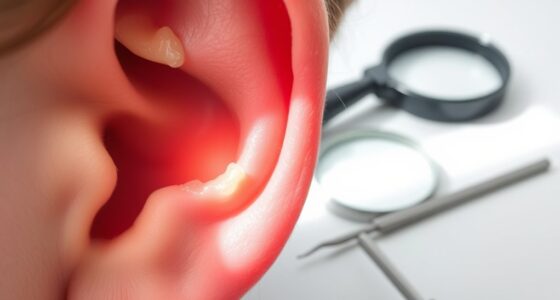
Noise-induced hearing loss affects over 1 in 4 adults worldwide, making it one of the most common preventable disabilities. It impacts your communication, mental health, and can lead to social isolation. Common sources include loud workplaces, concerts, and personal devices. Costs are high for individuals and society, but awareness and protective measures can reduce your risk. Keep exploring how you can protect yourself and stay informed to prevent long-term damage.

Get everyday helpers delivered free with Prime
- Fast, free delivery on millions of items
- Prime Video, Amazon Music and more included
- Member-only deals all year
Key Takeaways
- Noise-induced hearing loss affects millions worldwide, often going unnoticed until it becomes severe.
- It is a leading cause of preventable hearing disabilities and increases healthcare costs globally.
- Exposure to high decibel levels at work or during recreation significantly raises the risk of NIHL.
- Using ear protection and limiting loud sound exposure effectively reduces the risk of hearing damage.
- Early diagnosis and intervention improve quality of life and help slow the progression of NIHL.
ear protection for noise-induced hearing loss
As an affiliate, we earn on qualifying purchases.
As an affiliate, we earn on qualifying purchases.
The Global Impact of Noise-Induced Hearing Loss

Noise-induced hearing loss (NIHL) is a widespread health issue that affects millions worldwide, often going unnoticed until it becomes severe. It poses a significant threat to hearing health, impacting communication, work safety, and overall quality of life. Many people are exposed to harmful noise levels daily, from loud music to occupational environments, making noise mitigation essential. Globally, NIHL accounts for a large portion of preventable hearing disabilities, straining healthcare systems and economies. Raising awareness about noise exposure risks and implementing effective noise control measures can help reduce its impact. Protecting hearing health requires proactive steps, such as using ear protection and limiting loud sound exposure, to prevent irreversible damage and improve long-term auditory well-being. Additionally, advancements in noise control technologies are crucial for reducing harmful sound levels in various environments.
Age and Noise Exposure: Who Is Most at Risk

As you age, your hearing naturally declines, making noise exposure more harmful. Workers in noisy environments are especially at risk, regardless of age. Understanding who is most vulnerable helps you protect your hearing better. Implementing precious metals investment strategies can also serve as a safeguard against financial instability caused by health issues related to hearing loss.
Age-Related Hearing Decline
People who experience both aging and noise exposure face a higher risk of hearing decline than those exposed to either factor alone. As you age, your hearing naturally deteriorates, especially if you’ve been exposed to loud noises over the years. This combined effect accelerates hearing loss, making it more noticeable and impactful. If you notice signs of hearing difficulty, early diagnosis is vital. Getting tested early allows you to explore options like hearing aids, which can improve your quality of life. The risk is higher for those who’ve experienced prolonged noise exposure earlier in life, compounding age-related decline. Protecting your hearing now and seeking prompt help can slow down the progression and guarantee you stay connected to the sounds around you.
Workplace Noise Risks
Workers who are regularly exposed to loud noises at their jobs face a higher risk of hearing loss, especially as they get older. Without proper adherence to noise regulation standards, your risk increases considerably. Employers should implement hearing conservation programs to minimize exposure and protect your hearing health. Age also plays a role, as prolonged noise exposure compounds natural decline, making older workers more vulnerable. Recognizing these risks, many workplaces now enforce strict noise limits and provide protective equipment. Staying aware of noise levels and advocating for hearing conservation measures can help prevent permanent damage. Additionally, appliance testing and safety are critical in ensuring that electrical equipment used in noisy environments does not contribute to hazards. If you work in a noisy environment, understanding these factors is vital to safeguarding your hearing now and in the future.
Common Sources of Harmful Noise Levels
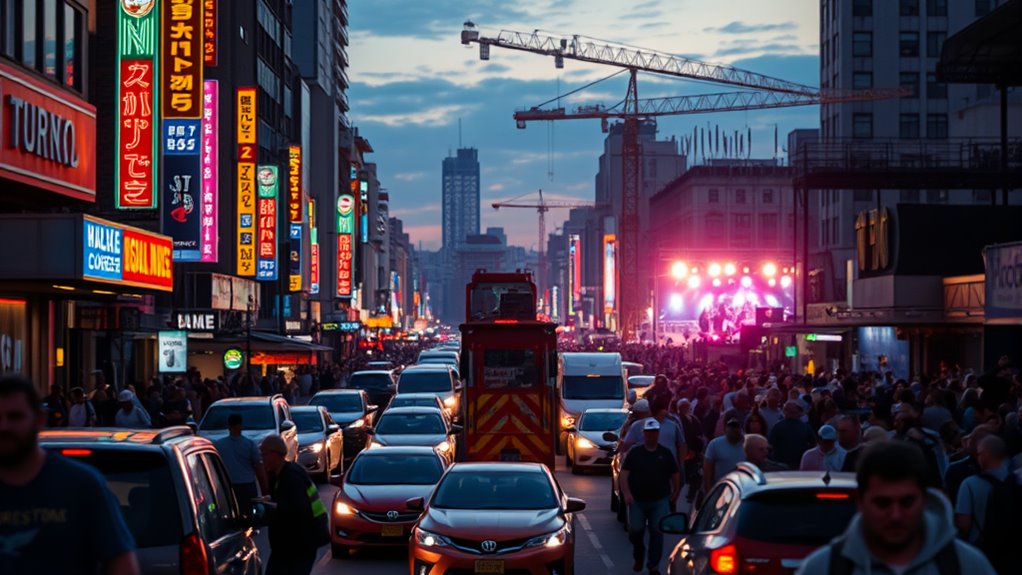
You often encounter loud noises at work and during recreational activities that can harm your hearing. Occupational settings like factories and construction sites frequently expose you to high decibel levels, while hobbies like concerts or shooting ranges also pose risks. Recognizing these common sources helps you protect your hearing before damage occurs.
Occupational Noise Exposure
Occupational environments often expose individuals to noise levels that can cause hearing damage if not properly managed. Common sources include loud machinery, power tools, and factory equipment, which produce noise that surpasses safe limits. To protect your hearing, employers often use sound masking techniques to reduce the impact of background noise. Noise canceling devices can also help by actively blocking out harmful sounds, making it easier to communicate and stay safe. Prolonged exposure to these high noise levels without proper protection increases your risk of noise-induced hearing loss. Being aware of these sources and utilizing sound masking or noise canceling technology can markedly reduce your risk and promote a safer workplace environment. Additionally, understanding the contrast ratio of equipment can help optimize hearing protection strategies in noisy settings.
Recreational Loud Activities
Recreational activities often involve exposure to loud noises that can damage hearing if not properly managed. Attending music festivals exposes you to sound levels that can easily reach hazardous ranges, especially when close to speakers. Personal listening through earbuds or headphones can also pose risks if you listen at high volumes for extended periods. These activities are enjoyable but can silently harm your hearing over time. To protect yourself, keep the volume at a safe level and limit the duration of exposure. Using noise-canceling headphones can help reduce the need to crank up the volume. Being mindful of these common sources of harmful noise helps you enjoy your favorite activities without risking long-term hearing damage. Additionally, understanding the importance of self watering plant pots can remind us to care for our well-being in multiple ways.
The Economic and Social Costs of Hearing Loss

Hearing loss, particularly when induced by noise exposure, imposes significant economic and social burdens on individuals and society. You may face a heavy financial burden from medical expenses, hearing aids, and ongoing treatment costs. Beyond finances, social isolation often results, as communication becomes more difficult, leading to loneliness and reduced social participation. This isolation can affect mental health, increasing risks of depression and anxiety. Employers also bear costs due to decreased productivity and the need for workplace accommodations. Society as a whole faces increased healthcare expenses and lost economic contributions from those with untreated hearing loss. Recognizing these costs underscores the importance of prevention and early intervention to reduce both personal hardships and societal impacts associated with noise-induced hearing loss. Additionally, implementing preventive measures can significantly lessen these economic and social consequences.
Preventive Measures and Protective Equipment Usage
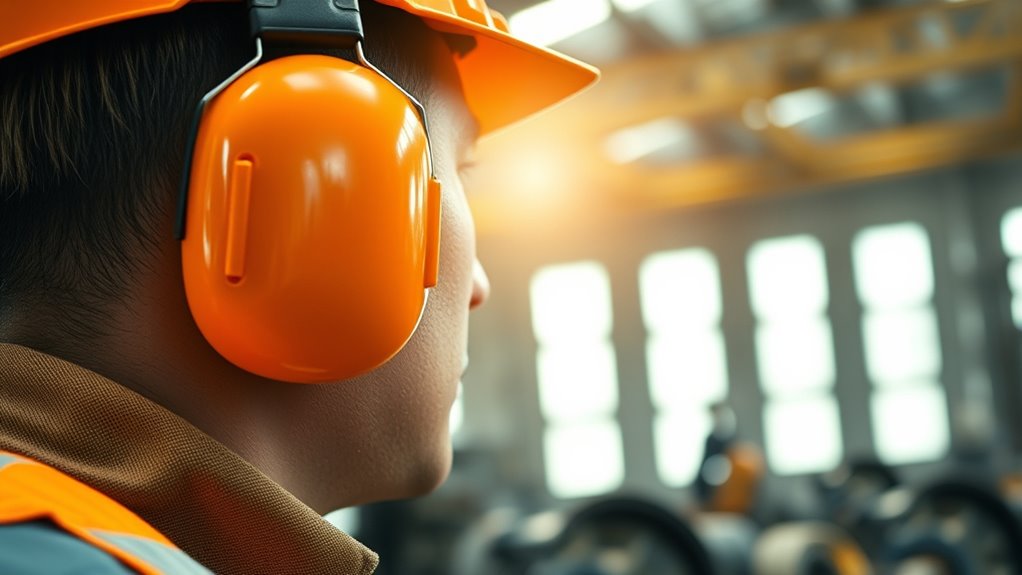
To effectively prevent noise-induced hearing loss, adopting proper protective measures is essential. Wearing the right hearing protection can considerably reduce noise exposure and safeguard your hearing. Choose devices with noise cancellation features for better protection in loud environments. Always ensure your hearing protection fits properly for maximum effectiveness. Remember, consistent use is key, especially in noisy workplaces or during loud activities. To optimize your hearing safety, consider these tips:
- Use earplugs or earmuffs with noise cancellation technology.
- Limit your time exposed to loud sounds.
- Replace damaged hearing protection immediately.
Trends and Changes in Noise Exposure Over Time
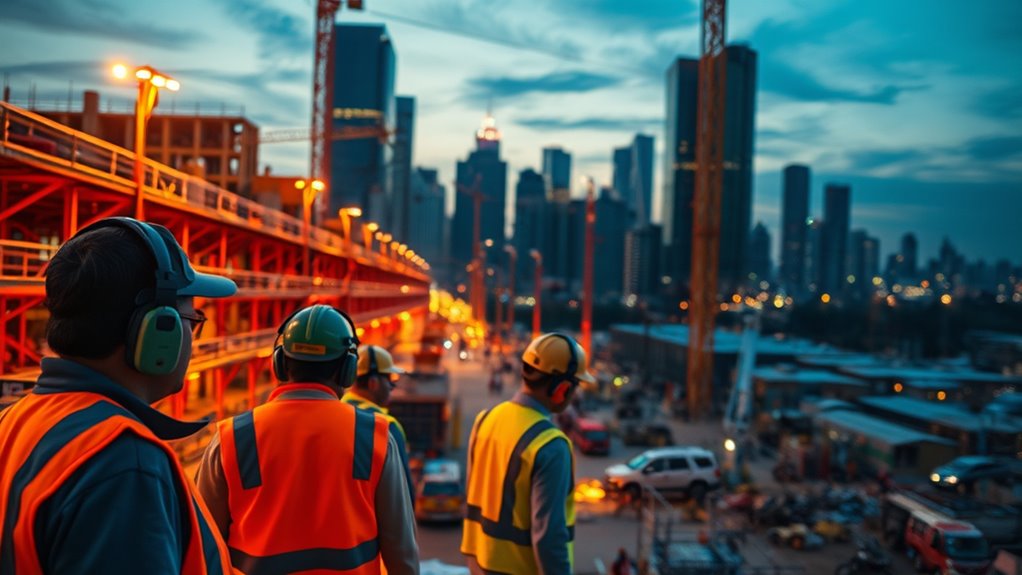
Over the past few decades, noise exposure patterns have shifted considerably due to technological advancements and changes in work environments. Urban noise levels have increased as cities expand, with traffic, construction, and social activities contributing to higher ambient noise. Meanwhile, technological innovations have both created new noise sources and improved noise control measures. For example, loud appliances and electronic devices are more common, but newer soundproofing and regulation standards help reduce exposure. As a result, you might notice a rise in noise pollution in everyday settings, especially in densely populated areas. Additionally, the availability of specialized noise reduction products has increased, aiding individuals in managing their exposure. These trends highlight the importance of understanding how noise exposure evolves, so you can better protect your hearing amidst changing environments. Staying aware of these shifts is essential for adapting your hearing health strategies over time.
How Awareness Can Reduce the Prevalence of NIHL

Have you ever considered how simply being aware of noise risks can considerably lower your chances of developing noise-induced hearing loss (NIHL)? Increasing public awareness about hearing health plays a vital role in prevention. When you understand safe listening practices, you’re more likely to protect your ears. Spreading knowledge about the dangers of loud environments encourages proactive behavior.
- Use ear protection in noisy settings
- Limit exposure time to loud sounds
- Keep volume levels at a safe threshold
Frequently Asked Questions
What Are the Early Signs of Noise-Induced Hearing Loss?
You might notice early signs of noise-induced hearing loss, like tinnitus symptoms, such as ringing or buzzing in your ears. You could also experience a decrease in hearing sensitivity, making it harder to understand conversations or hear soft sounds. Pay attention if these symptoms persist, especially after exposure to loud noises. Catching these signs early allows you to take steps to protect your hearing and prevent further damage.
Can Hearing Loss From Noise Exposure Be Reversed?
Hearing loss from noise exposure can’t be reversed, but you can protect your hearing now. Using hearing protection like earplugs or earmuffs helps prevent further damage. Noise monitoring in loud environments alerts you to risky sound levels, so you can take action. While some damage is permanent, early prevention minimizes loss and preserves your hearing health. Always be proactive about protecting your ears in noisy settings.
How Does Genetics Influence Susceptibility to NIHL?
Genetics plays a significant role in your susceptibility to NIHL by influencing hereditary factors and genetic predisposition. If you have a family history of hearing loss, you’re more likely to experience damage from noise exposure. Your genetic makeup can affect how your inner ear responds to loud sounds, making some individuals more vulnerable. Understanding your hereditary factors helps you take proactive steps to protect your hearing, especially if you’re genetically predisposed to hearing loss.
Are There Specific Occupations With Higher Noise-Induced Hearing Loss Risks?
You should know that certain occupations put you at a higher risk of noise-induced hearing loss. Industrial workers and construction site employees often face loud environments daily, increasing their chances of hearing damage. If you work in these fields, it’s essential to wear hearing protection consistently. Long-term exposure without proper safeguards can lead to permanent hearing issues, so staying vigilant and using ear protection is vital for your hearing health.
What New Technology Is Being Developed to Prevent NIHL?
You should know that new technology aims to prevent NIHL by improving protective devices and sound monitoring. Advanced earplugs and earmuffs now feature smart materials that adapt to noise levels, providing better protection. Additionally, innovative sound monitoring systems track noise exposure in real-time, alerting you when levels become unsafe. These developments help you stay protected, especially in high-risk occupations, reducing your risk of hearing loss over time.
Conclusion
If you think hearing loss only happens to others, think again. The risks are closer than you realize, lurking in everyday noise and risky environments. Protecting your hearing isn’t just a choice — it’s a vital step to avoid irreversible damage. But here’s the question: how much are you willing to risk before you realize that once lost, your hearing might never come back? The choice is yours—will you act before it’s too late?
Halloween Picks
halloween
As an affiliate, we earn on qualifying purchases.