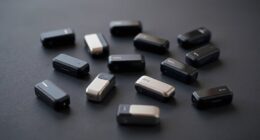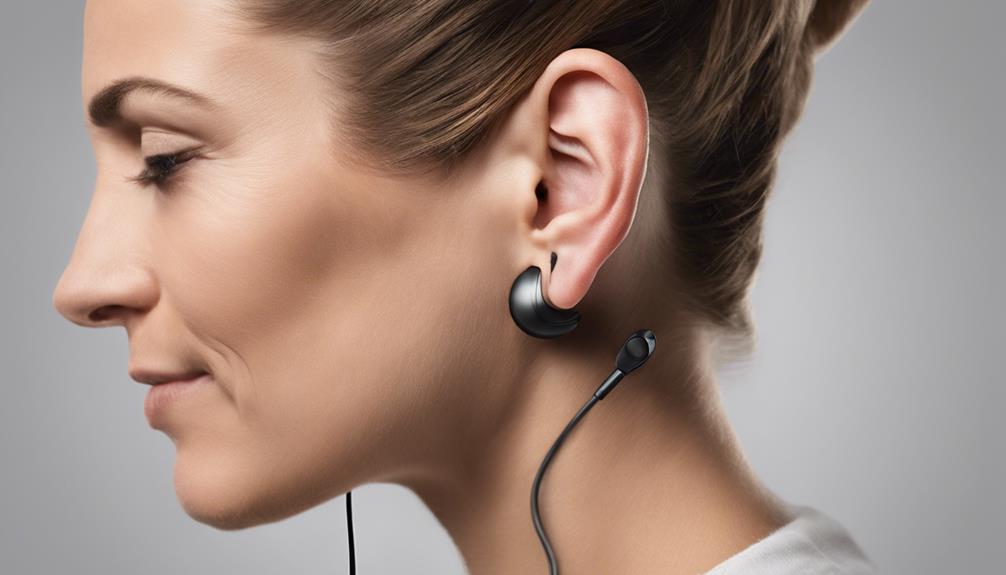

For hearing aid users searching for earbuds, the right choice depends on whether you need hearing support, a replacement part, or audio for a separate device. Apple AirPods Pro 3 stand out for premium listening and health features, while Starkey Comfort Closed Ear Buds serve a specific need: replacing compatible Starkey hearing aid tips. For a dedicated hearing aid, Nebroo PRO 3.0 is a more direct option than general-purpose earbuds. The main tradeoffs are hearing aid compatibility, fit, controls, and whether a product amplifies sound or simply plays audio. Read on for the full breakdown and guidance on which type fits your needs.

Get everyday helpers delivered free with Prime
- Fast, free delivery on millions of items
- Prime Video, Amazon Music and more included
- Member-only deals all year
Complete the kit



Key Takeaways
- These products serve different jobs: the Starkey item is a replacement ear bud, Flaygo, Nebroo, and the rechargeable models are hearing aids, and the AirPods are consumer audio earbuds.
- Compatibility changes the ranking: Starkey’s closed ear buds make sense for compatible Starkey users, but they are not a general-purpose hearing aid or earbud.
- AirPods Pro 3 lead for premium everyday listening among the consumer earbuds here, while AirPods Pro 2 offer a similar general-use path without the newer model’s health feature set.
- Dedicated hearing aids prioritize amplification and controls over the music and phone-listening focus of AirPods; buyers should confirm the features and support they need before choosing a model.
- Rechargeability and app control are not enough to establish fit: comfort, ease of operation, service support, and compatibility with an existing device still matter.
| Flaygo Hearing Aids for Seniors, Sound Quality Restoration, Noise Reduction, 80h Standby, One-Button Operation, Comfortable Fit, Beige |  | Best Overall Hearing Aid | Digital chip: 16-channel | Sound technology: Sound quality restoration and noise reduction | Battery life: Up to 80 hours | VIEW ON AMAZON | See Our Full Breakdown |
| 6mm Starkey Comfort Closed/Occluded Ear Buds for Starkey Hearing Aids (10 Pack) |  | Best Replacement Ear Buds for Starkey | Size: 6 mm | Pack quantity: 10 pairs | Compatibility: Starkey hearing aids | VIEW ON AMAZON | See Our Full Breakdown |
| Apple AirPods Pro 3 Wireless Earbuds with Active Noise Cancellation and Health Features | 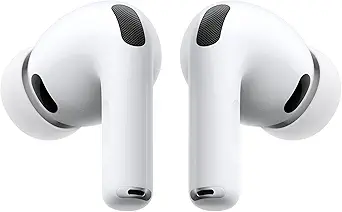 | Best for Apple Hearing Features | Active noise cancellation: Yes | Hearing features: Hearing test, Hearing Aid, Conversation Boost | Ear tip sizes: Five sizes | VIEW ON AMAZON | See Our Full Breakdown |
| Apple AirPods Pro 2 Wireless Earbuds with Active Noise Cancellation and Personalized Spatial Audio |  | Best for Everyday Listening with Transparency | Active noise cancellation: Yes | Transparency mode: Yes | Audio: Personalized Spatial Audio; H2 chip | VIEW ON AMAZON | See Our Full Breakdown |
| Nebroo PRO 3.0 Hearing Aid |  | Best Discreet In-Ear Hearing Aid | Fit type: Completely-in-canal (CIC) | Battery life: Up to 16 hours | Power source: Battery powered; rechargeable lithium-ion battery included | VIEW ON AMAZON | See Our Full Breakdown |
| Rechargeable OTC Hearing Aids Wireless Noise Reduction Invisible Comfortable Design 30+ Hours per Charge |  | Best for Long Battery Life | Battery life: 30+ hours per charge | Total usage with case: 80+ hours | Control: One-button volume control | VIEW ON AMAZON | See Our Full Breakdown |
| Hearing Aids for Seniors, Rechargeable Bluetooth with APP Control |  | Best for App-Based Customization | Bluetooth: Yes | Rechargeable: Yes | Listening modes: 3: General Purpose, Noise Reduction, Strong Noise Reduction | VIEW ON AMAZON | See Our Full Breakdown |
| earbuds for hearing aid | Battery life |
|---|---|
| Flaygo Hearing Aids for Senior | Up to 80 hours |
| 6mm Starkey Comfort Closed/Occ | — |
| Apple AirPods Pro 3 Wireless E | Up to 8 hours with ANC on; up to 10 hours in Transparency |
| Apple AirPods Pro 2 Wireless E | Up to 6 hours with ANC; 30 hours total with case |
| Nebroo PRO 3.0 Hearing Aid | Up to 16 hours |
| Rechargeable OTC Hearing Aids | 30+ hours per charge |
| Hearing Aids for Seniors | — |
More Details on Our Top Picks
Flaygo Hearing Aids for Seniors, Sound Quality Restoration, Noise Reduction, 80h Standby, One-Button Operation, Comfortable Fit, Beige
For buyers seeking a hearing aid rather than a listening earbud, the Flaygo combines simple controls with a listed 80 hours of use per charge. Its 16-channel chip and noise reduction are intended to make speech easier to follow, while the one-button design keeps everyday adjustments straightforward. Compared with the Nebroo PRO 3.0, Flaygo emphasizes longer battery life; Nebroo instead offers a completely-in-canal fit that may be less visible. The tradeoff is that Flaygo’s beige, lightweight design may still be noticeable to some, and its operating videos require a website or QR code. I’d choose it for buyers who value fewer charging stops and uncomplicated operation over a more discreet in-canal style.
Pros:- 16-channel digital chip with sound restoration and noise reduction
- One-button operation with four volume levels
- Listed 80-hour battery life and USB-C charging
- Lightweight 3.5 g design
Cons:- Operating videos require a website or QR code
- Only beige is listed, which may not suit buyers seeking another color
- Larger behind-the-ear-style discretion may appeal less than Nebroo’s in-canal design
Best for: Seniors who want a rechargeable hearing aid with simple volume controls and long listed battery life
Not ideal for: Buyers who need a completely-in-canal profile or do not want to access online setup videos
- Digital chip:16-channel
- Sound technology:Sound quality restoration and noise reduction
- Battery life:Up to 80 hours
- Charging:USB-C fast charging; 2 hours per charge
- Weight:3.5 g
- Operation:One button; four volume levels
- Color:Beige
Our verdict“Choose Flaygo if you want a straightforward hearing aid with long listed battery life and easy controls.”
6mm Starkey Comfort Closed/Occluded Ear Buds for Starkey Hearing Aids (10 Pack)
These are replacement ear buds for compatible Starkey hearing aids, not standalone wireless earbuds or hearing aids. The 10-pair pack gives existing Starkey users spares to install as needed, and the 6 mm occluded fit is intended for comfort and hearing aid performance. That narrow compatibility is also the key limitation: unlike Apple AirPods Pro 3, these buds do not offer Bluetooth audio, noise cancellation, or general-purpose listening features. They are the most direct fit in this roundup for someone maintaining a Starkey device, but they offer little value to buyers without one. I’d pick them when a correctly sized Starkey replacement is the goal, and skip them if you’re shopping for a new hearing solution or everyday earbuds.
Pros:- Designed for compatibility with Starkey hearing aids
- 10 pairs provide multiple replacements
- 6 mm size is clearly specified
- Occluded fit is intended for comfortable wear
Cons:- Limited to Starkey hearing aids
- No standalone audio or wireless features
- No additional noise reduction features are listed
Best for: Starkey hearing aid owners who need 6 mm replacement buds and want a multi-pair supply
Not ideal for: People without a compatible Starkey hearing aid or shoppers looking for wireless listening earbuds
- Size:6 mm
- Pack quantity:10 pairs
- Compatibility:Starkey hearing aids
- Fit:Closed/occluded
- Product type:Replacement ear buds
- Installation:Replaceable and installable
Our verdict“Buy these only if you own a compatible Starkey hearing aid and need 6 mm replacement buds.”
Apple AirPods Pro 3 Wireless Earbuds with Active Noise Cancellation and Health Features
AirPods Pro 3 suit buyers who want wireless earbuds with hearing tools as well as everyday audio. The listed hearing test, Hearing Aid feature, and Conversation Boost give them a closer connection to hearing support than the Starkey replacement buds, which only fit an existing device. Five ear tip sizes can help users find a secure fit, while active noise cancellation and Transparency mode listening options broaden their use. Compared with AirPods Pro 2, this model adds listed heart rate sensing and longer stated listening time with ANC on. The tradeoffs are a more involved feature set and battery life that still calls for charging during extended use. I’d favor them for Apple users who want hearing features integrated into general-purpose earbuds, not for someone seeking a dedicated hearing aid.
Pros:- Hearing test, Hearing Aid, and Conversation Boost features are listed
- Five ear tip sizes allow more fit choices than AirPods Pro 2
- Active noise cancellation and spatial audio
- Heart rate sensing and USB-C charging
Cons:- The range of features may take time to learn
- Up to 8 hours with ANC on may require recharging during extended use
- General-purpose earbuds may not replace a dedicated hearing aid for every buyer
Best for: Apple users who want wireless earbuds with listed hearing tools, Conversation Boost, and multiple fit options
Not ideal for: Buyers seeking a dedicated hearing aid, minimal setup, or earbuds for very long sessions without charging
- Active noise cancellation:Yes
- Hearing features:Hearing test, Hearing Aid, Conversation Boost
- Ear tip sizes:Five sizes
- Battery life:Up to 8 hours with ANC on; up to 10 hours in Transparency
- Charging:USB-C
- Audio:Spatial Audio; Adaptive EQ
- Connectivity:Bluetooth
- Additional features:Heart rate sensing, Live Translation, Audio Sharing
Our verdict“Choose AirPods Pro 3 if you use Apple devices and want hearing tools alongside capable everyday earbuds.”
Apple AirPods Pro 2 Wireless Earbuds with Active Noise Cancellation and Personalized Spatial Audio
AirPods Pro 2 are a general-purpose earbud pick for listeners who want noise cancellation and a Transparency mode that lets outside sound through when needed. Four silicone tip sizes offer fewer fit options than AirPods Pro 3’s five, but still let buyers try several sizes for comfort and seal. The H2 chip, personalized spatial audio, and stated 30 hours of total listening with the case make this a versatile daily-listening option. The main distinction from AirPods Pro 3 is that the supplied data for Pro 2 doesn’t list the newer model’s hearing test, Hearing Aid, Conversation Boost, or heart rate sensing. It also lists up to six hours per charge with ANC on. I’d choose Pro 2 for audio features and a case-supported battery, while buyers prioritizing explicit hearing tools should look at Pro 3.
Pros:- Active noise cancellation and Transparency mode
- Four silicone tip sizes for fit adjustment
- Up to 30 hours of total listening time with the case
- IP54 dust, sweat, and water resistance
Cons:- Up to six hours listening time with ANC per charge
- Four included tip sizes are fewer than AirPods Pro 3’s five
- The supplied product data does not list Pro 3’s hearing tools
Best for: Listeners who want noise-canceling earbuds with Transparency mode, multiple tip sizes, and case-supported battery life
Not ideal for: Buyers prioritizing the listed hearing test, Hearing Aid, and Conversation Boost features of AirPods Pro 3
- Active noise cancellation:Yes
- Transparency mode:Yes
- Audio:Personalized Spatial Audio; H2 chip
- Battery life:Up to 6 hours with ANC; 30 hours total with case
- Water resistance:IP54 dust, sweat, and water resistant
- Charging:MagSafe, USB-C, Qi-certified charger
- Included tips:Four silicone sizes: XS, S, M, L
Our verdict“Choose AirPods Pro 2 for everyday listening features and Transparency mode, but compare Pro 3 if hearing tools are your priority.”
Nebroo PRO 3.0 Hearing Aid
The Nebroo PRO 3.0 takes a different approach from Flaygo: its completely-in-canal fit puts discretion ahead of Flaygo’s longer listed 80-hour battery life. Background-noise reduction and speech amplification are designed to help conversations stand out, while six one-touch volume levels offer more adjustment steps than Flaygo’s four. Its rechargeable battery is listed for up to 16 hours, so buyers may need to charge it more often. Soft silicone domes are intended for comfort, though the supplied information doesn’t specify dome sizes or a charging method. This is a hearing aid, not a Bluetooth listening earbud like AirPods Pro 3. I’d consider it for adults who want an in-canal profile and simple volume adjustment, provided the shorter battery life fits their routine.
Pros:- Completely-in-canal fit for a discreet profile
- Speech amplification with background-noise reduction
- One-touch control with six volume levels
- Rechargeable battery with up to 16 hours of use
Cons:- Listed battery life is shorter than Flaygo’s 80 hours
- Charging method is not specified in the supplied product data
- No Bluetooth connectivity is listed
Best for: Adults who want a discreet completely-in-canal hearing aid with one-touch volume adjustment
Not ideal for: People who prioritize multi-day battery life or want Bluetooth earbuds with general audio features
- Fit type:Completely-in-canal (CIC)
- Battery life:Up to 16 hours
- Power source:Battery powered; rechargeable lithium-ion battery included
- Battery voltage:3.7 V
- Material:Silicone
- Volume control:One touch; six levels
- Model:PRO 3.0
- Warranty:2 years
Our verdict“Choose Nebroo PRO 3.0 if a discreet in-canal hearing aid matters more to you than longer battery life or wireless earbud features.”
Rechargeable OTC Hearing Aids Wireless Noise Reduction Invisible Comfortable Design 30+ Hours per Charge
For someone searching for ear buds that function as hearing aids, this model focuses on straightforward listening support rather than phone features. Its stated 30+ hours per charge and 80+ hours of total use with the case may suit people who would rather charge less often. The one-button volume control is simpler than the app-based adjustments on the Bluetooth hearing aids for seniors, though it offers less room to tailor each ear or listening environment. Three ear tip sizes give more fit options than a fixed-size accessory such as the Starkey Comfort Closed/Occluded Ear Buds, but fit and comfort will still vary by person. Noise reduction is intended to help with conversation clarity; the listing does not specify water resistance or app support. This is a practical pick for basic daily use, with fewer customization options than the Bluetooth model.
Pros:- States 30+ hours of use per charge and 80+ hours with the case
- One-button volume control keeps everyday adjustments simple
- S, M, and L ear tips allow a choice of fit
- Noise reduction is designed to support clearer conversation
Cons:- Runtime may change with volume and settings
- No smartphone app compatibility is listed
- Water and sweat resistance are unspecified
Best for: People who want rechargeable hearing aids with simple controls, multiple tip sizes, and fewer charging interruptions
Not ideal for: Buyers who want app-based sound tuning, separate left and right adjustments, or documented sweat and water resistance
- Battery life:30+ hours per charge
- Total usage with case:80+ hours
- Control:One-button volume control
- Ear tip sizes:S, M, L
- Design:Wireless, invisible, comfortable
- Noise reduction:Yes
Our verdict“Choose this model if you want straightforward rechargeable hearing aids with long stated runtime and multiple ear tip sizes.”
Hearing Aids for Seniors, Rechargeable Bluetooth with APP Control
This Bluetooth model is the more adjustable choice for buyers who want hearing aids to work alongside a smartphone. Its app control, 16 channels, and independent left and right adjustments offer more ways to tune sound than the one-button rechargeable model in this roundup. Three listening modes, including two levels of noise reduction, give users options for different environments, while Bluetooth is listed for calls and music. That flexibility comes with a learning curve: full customization requires a smartphone, so it is less suitable for someone who wants to operate everything on the device. The product description does not state battery runtime, which makes charging frequency harder to compare with the other rechargeable option. Pick it for adjustable, connected listening; skip it if minimal setup matters more than control.
Pros:- App provides customizable sound settings
- Independent left and right control supports separate adjustments
- Three modes include general use and two noise reduction levels
- Bluetooth is listed for calls and music
Cons:- Full customization depends on a smartphone
- Battery life is not specified in the provided product data
- Advanced controls may take more setup than the one-button alternative
Best for: Smartphone users who want separate left and right adjustments, multiple listening modes, and Bluetooth for calls and music
Not ideal for: People who prefer device-only controls, do not use a smartphone, or need a stated battery runtime before choosing
- Bluetooth:Yes
- Rechargeable:Yes
- Listening modes:3: General Purpose, Noise Reduction, Strong Noise Reduction
- Volume adjustment:0–100
- Independent left/right control:Yes
- App compatibility:Yes
- Noise cancellation:Yes
- Channels:16
Our verdict“Choose this model if smartphone-based tuning and Bluetooth matter more to you than simple controls or a clearly stated runtime.”

How We Picked
I ranked these seven products by how directly they meet the needs behind “earbuds for hearing aids”: replacement parts for existing devices, hearing support, or everyday audio that a hearing aid user may want alongside their device. I weighed compatibility, intended use, ease of handling, stated battery or charging details, and the practical limits of each product. A replacement tip can be the best answer for a compatible hearing aid owner even though it does not function as a standalone earbud.
Ranking follows use-case fit and clarity: AirPods Pro 3 rank first as the strongest general listening option in this lineup, while the Starkey buds rank highly for their narrow but clear compatibility role. Dedicated hearing aid products follow for shoppers whose priority is amplification; their positions reflect the limited comparative detail available in the supplied product information. AirPods Pro 2 round out the options for buyers seeking consumer earbuds, with less emphasis on newer health features than the Pro 3. I do not treat product names or broad feature claims as proof of medical suitability, compatibility, or performance.
Factors to Consider When Choosing Earbuds For Hearing Aids
Before choosing, decide what you mean by earbuds “for” hearing aids. The phrase can point to replacement tips, a hearing aid itself, or ordinary earbuds used by someone who wears hearing aids. That distinction affects fit, compatibility, and what the device can actually do for hearing. These checks can prevent buying a product that fits the search term but does not solve your particular problem.
Decide Whether You Need Amplification or Audio
Start by naming the job you need the device to do: help you hear speech, play music and calls, or replace a part on an existing hearing aid. Consumer earbuds and hearing aids are designed for different purposes, even when both sit in the ear and offer sound-related features. A phone app or noise control feature does not by itself make earbuds a hearing aid. If speech access is your main concern, look for clear details about amplification, fitting, and support rather than relying on a general audio feature list. If you already use hearing aids, check whether you want a separate listening device or a compatible accessory. Buying for the wrong job can leave you with a capable product that does not address your hearing needs.
Check Compatibility Before Ordering Replacement Ear Buds
Replacement ear buds are usually tied to a particular hearing aid make, model, and physical connection. A matching brand name alone may not settle whether the part fits; verify the exact model and size in the manufacturer’s documentation or with an audiologist. The Starkey buds in this roundup are a targeted accessory, so they make sense only when the hearing aid is compatible. Closed or occluded styles can change how the ear feels and how sound is perceived, which may not suit every wearer. Avoid assuming that a pack of tips is interchangeable with ordinary wireless earbuds. Confirming compatibility first can save the hassle of a part that cannot attach to your device.
Treat Fit and Comfort as Individual
Ear shape, sensitivity, and how long you wear a device all affect comfort. A design described as invisible or comfortable cannot predict how it will feel in your ear, and a sealed fit may feel different from an open one. If you wear hearing aids throughout the day, consider pressure points, insertion and removal, and whether glasses or masks interfere. For replacement parts, use the size and style recommended for your specific device instead of choosing by appearance. When possible, check return terms and fitting support before buying. A secure fit matters, but discomfort can make even a well-featured device hard to use consistently.
Match Controls to Your Dexterity and Routine
Small touch controls, phone apps, and one-button operation each place different demands on the user. App control may help with adjustments, but it assumes the user has a compatible phone and feels comfortable managing settings on a screen. A simple physical control can be easier for quick changes, though it may offer fewer ways to personalize sound. Think through common tasks such as adjusting volume, charging, pairing, and cleaning before deciding. If a family member helps manage the device, check whether its setup and controls make that practical. Choosing controls around daily habits can matter more than adding features that rarely get used.
Look Beyond the Battery Claim
Battery and standby figures describe different things, so do not compare them as if they measure the same routine. Standby time is not the same as continuous listening time, and stated hours per charge do not show how charging fits into a user’s day. Ask whether the charging case or cable is easy to handle, how long a full charge takes, and what happens when the battery runs low. Rechargeable models can reduce the need to change disposable batteries, but they also depend on regular charging. For frequent travel or long days away from an outlet, plan around actual use and charging access. A realistic routine is a more useful guide than the largest number in a product name.
Know When Professional Advice Is Worth It
Hearing difficulties vary, so an off-the-shelf device may not match the support an individual needs. If hearing loss is new, changes suddenly, or remains difficult to manage, a hearing care professional can help identify the right next step. Ask about fitting, follow-up adjustments, repairs, and where to get replacement parts before choosing a hearing aid. For AirPods or other consumer earbuds, check the device’s stated compatibility and health features, and treat those features as separate from clinical fitting. Paying more can make sense when it buys useful support, reliable compatibility, or controls that suit the wearer. A lower-cost or simpler option can be reasonable when it fits a clear, limited need and the user understands its boundaries.
Frequently Asked Questions
Can I use AirPods Pro 3 or Pro 2 instead of my hearing aids?
AirPods are consumer earbuds, while hearing aids are intended to support hearing needs. They may offer useful audio or health features, but that does not make them a direct replacement for a fitted hearing aid. Whether they help with a particular listening situation depends on the model, phone compatibility, and the wearer’s needs. Check the manufacturer’s current feature details and discuss changes to hearing support with a hearing care professional. If you rely on hearing aids for daily speech access, do not assume AirPods will provide the same support.
Will the Starkey Comfort Closed Ear Buds fit any Starkey hearing aid?
Do not assume they fit every Starkey model. Replacement ear buds can depend on the hearing aid’s specific model, size, and connection, and this item is described as a 6 mm closed style. Check your device documentation or ask your hearing care provider to confirm the part before ordering. Also consider whether a closed or occluded fit is the style recommended for you. Correct compatibility and fit matter more than the fact that both products carry the Starkey name.
Should I choose a rechargeable hearing aid or standard wireless earbuds?
Choose based on the job: rechargeable hearing aids are intended for hearing support, while standard wireless earbuds focus on media and calls. Rechargeability may make daily upkeep simpler, but it does not tell you whether the device can be fitted or adjusted to your hearing needs. Wireless earbuds may pair more naturally with a phone, but their audio features are not equivalent to hearing aid support. Compare setup, charging routine, service options, and compatibility with your existing devices. If you are unsure whether you need amplification or listening audio, clarify that before choosing a product.
What should I check before buying an OTC hearing aid online?
Check the product’s stated intended use, fitting and adjustment process, charging details, controls, and support for troubleshooting or repairs. Look for clear guidance on who the product is designed for and situations where professional care may be needed. Broad claims such as “noise reduction” or “invisible” do not tell you whether the device will suit your hearing profile. Review the return policy and ask how you can get help if the fit or sound needs adjustment. For new or changing hearing problems, seek professional advice rather than relying only on an online product description.
Can I wear regular earbuds over or alongside my hearing aids?
It depends on the hearing aid style, earbud shape, and how both devices sit in or around your ear. Some combinations may feel crowded, loosen the hearing aid, or cause sound feedback, while others may work for brief listening. Check the hearing aid maker’s guidance and try the combination cautiously in a setting where you can hear your surroundings. Do not force an earbud into an ear occupied by a hearing aid or assume a replacement tip can serve as a separate earbud. If you need frequent simultaneous use, ask your hearing care provider about compatible listening accessories.
Conclusion
For the best overall everyday audio pick, choose AirPods Pro 3 if you want consumer earbuds and their listed health features, while understanding they are not a substitute for hearing aids. For a premium consumer earbud alternative, AirPods Pro 2 suit buyers who want Apple earbuds and personalized spatial audio. For a specific hearing aid need, the Starkey Comfort Closed Ear Buds are the best fit only for users whose Starkey device is confirmed compatible. For beginners seeking hearing support, compare the dedicated hearing aid options by setup, controls, fitting guidance, and support; Flaygo’s one-button operation may appeal to someone who wants simpler handling. For value-minded shoppers, the rechargeable OTC models may be worth comparing when charging convenience is a priority, but verify fit, adjustment, and service details before deciding. The right choice follows your actual need: replacement part, hearing assistance, or separate everyday listening.