
Rechargeable hearing aids offer convenient, eco-friendly power with batteries that typically last 3 to 5 years but need careful maintenance. They provide all-day reliability, though fluctuations can occur due to temperature or usage habits. Charging methods include contact-based stations or wireless pads, and proper care extends battery life. While initial costs are higher, long-term savings and environmental benefits make them worth considering. If you want to uncover the full truth behind their strengths and limitations, you’ll find it here.

Get everyday helpers delivered free with Prime
- Fast, free delivery on millions of items
- Prime Video, Amazon Music and more included
- Member-only deals all year
Key Takeaways
- Rechargeable hearing aids typically last 3-5 years before battery capacity diminishes significantly.
- Power fluctuations caused by temperature or age can lead to volume drops or brief interruptions.
- Proper charging habits and environment are essential to maximize battery lifespan and device performance.
- Replacement costs can increase as batteries age, since capacity diminishes over time.
- Eco-friendly benefits include reducing battery waste, but proper disposal and recycling are crucial for environmental health.
As an affiliate, we earn on qualifying purchases.
How Do Rechargeable Hearing Aids Work Compared to Traditional Battery Models?

Rechargeable hearing aids work differently from traditional models that rely on disposable batteries. Instead of swapping out batteries frequently, they use built-in rechargeable batteries with advanced chemistry, such as lithium-ion, allowing for multiple recharge cycles. These batteries store energy efficiently, providing consistent power without the waste associated with disposable batteries. This shift not only simplifies daily use but also reduces environmental impact by decreasing battery waste. Traditional batteries often contain hazardous materials that can harm the environment if not disposed of properly. In contrast, rechargeable hearing aids help minimize this issue, making them a more eco-friendly choice. Their battery chemistry guarantees safety, longevity, and sustainability, transforming how you manage hearing aid maintenance and supporting environmental conservation efforts.
What Is the Typical Battery Life for Rechargeable Hearing Aids?

Typically, rechargeable hearing aids offer a daily battery life that ranges from 16 to 24 hours on a full charge, depending on usage and the device’s features. The battery capacity plays a significant role in determining how long your device lasts between charges. Higher-capacity batteries generally provide longer usage, but they may also influence the size of the hearing aid. Keep in mind that charging cycles—the number of times you can recharge the battery before it starts to degrade—affect overall lifespan. Most rechargeable hearing aids are designed to withstand hundreds of cycles, ensuring consistent performance over time. Proper care and regular charging help maximize battery life and maintain suitable device functionality throughout its lifespan. Additionally, understanding battery technology can help users select devices that offer better longevity and efficiency. Staying informed about battery health management techniques can further extend your hearing aid’s performance and lifespan. Recognizing the importance of battery maintenance can also contribute to prolonging overall device effectiveness. Regularly monitoring battery performance can identify potential issues early and prevent unexpected failures.
Are Rechargeable Hearing Aids Reliable for All-Day Use?
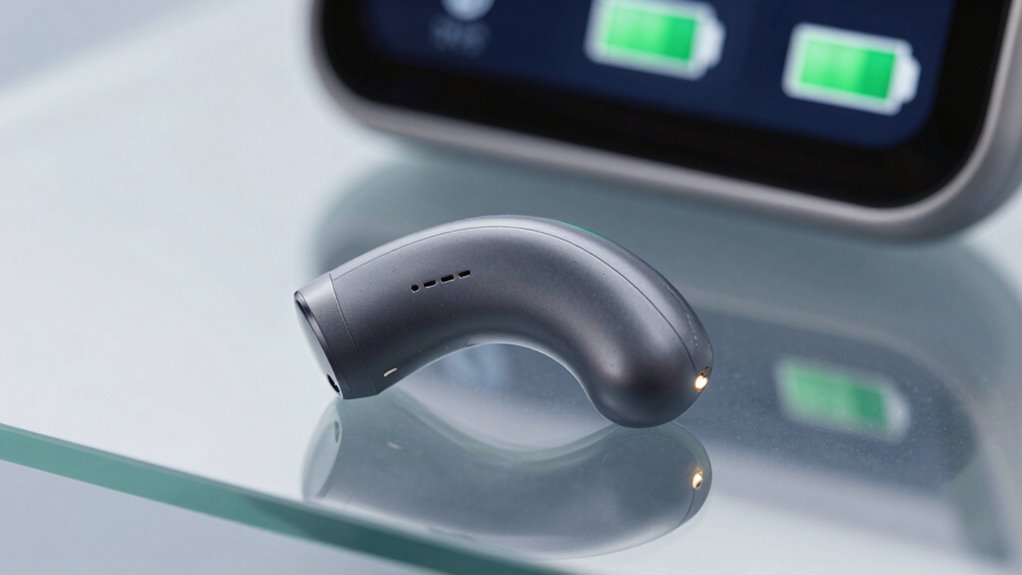
You want your hearing aids to last all day without interruption, so understanding battery life expectations is key. Convenience matters, so consider how easy it is to recharge and whether the power remains consistent throughout the day. Concerns about reliability should lead you to evaluate how well the devices maintain performance during extended use. Additionally, exploring top-rated products can help you identify options that offer both durability and consistent performance over time. To ensure dependable performance, it’s also important to consider battery management features that optimize longevity and reduce the risk of unexpected power loss. Recognizing how battery technology influences overall device reliability can further guide your choice for long-lasting, dependable hearing aids. Moreover, understanding how battery lifespan varies between models can help you select a device that truly meets your daily needs, especially as advancements in rechargeable batteries continue to improve performance and durability.
Battery Life Expectations
Many rechargeable hearing aids today are designed to last throughout an entire day on a single charge, making them a convenient alternative to traditional batteries. The battery capacity varies depending on the model, influencing how long you can wear them without recharging. Typically, you’ll find:
- A full day’s use, even with streaming and noise reduction features active.
- Quick recharge times at dedicated charging stations, often within a few hours.
- Indicators alerting you when the battery is running low, so you’re never caught off guard.
- Battery life expectations are influenced by device usage patterns and settings, which can impact overall reliability for all-day wear. Additionally, the battery chemistry used in rechargeable aids can affect their longevity and performance over time.
- Understanding battery performance helps you better anticipate how your device will work throughout the day and manage recharging needs effectively. Proper maintenance and avoiding extreme temperatures can also help extend the battery lifespan of your hearing aids. Moreover, regular use of the device can help maintain optimal battery health, ensuring consistent performance.
Keep in mind, your daily activities and device settings impact battery life. While most models are reliable for all-day use, heavier usage or certain features may require more frequent recharging, so always check your device’s specifications.
Charging Convenience Factors
Rechargeable hearing aids are generally reliable for all-day use, but their convenience depends on several factors. The battery capacity determines how long your aids can run before needing a recharge, and access to charging stations is essential for seamless use. If your daily routine involves frequent outings, a large battery capacity offers peace of mind. Consider whether your charging station is portable or fixed; portability makes recharging easier on the go. Some models require overnight charging, while others may need multiple daily top-ups. Here’s a quick comparison:
| Feature | Description | Impact on Convenience |
|---|---|---|
| Battery Capacity | How long the aid lasts between charges | Longer capacity = less frequent charging |
| Charging Stations | Availability and portability | Portable stations boost flexibility |
| Charging Time | Duration needed to recharge | Shorter times = less downtime |
| Charging Frequency | How often you need to charge | Less frequent charging enhances reliability |
Additionally, advancements in battery technology continue to improve the overall reliability and user experience of rechargeable hearing aids. The development of long-lasting batteries has significantly extended usage times and reduced the need for frequent charging. A charging station that is compatible with various models can also enhance convenience and ensure continuous usage. Moreover, some newer models incorporate fast-charging features, reducing downtime and making them even more dependable for all-day use.
Power Consistency Concerns
While rechargeable hearing aids are designed to provide all-day power, some users still wonder if they can rely on them consistently throughout the day. Power fluctuations can occur due to temperature changes or device age, causing brief interruptions. To avoid surprises, consider these scenarios:
- Sudden dips in volume caused by inconsistent power flow.
- Unexpected shutdowns during important conversations.
- The need for frequent battery swapping if power drops unexpectedly.
Although modern rechargeable hearing aids are built with stable batteries, these issues can still arise, especially after prolonged use. Regularly monitoring battery health and being prepared for occasional power shifts ensures you stay connected without interruptions. Ultimately, most users find them dependable, but understanding potential power fluctuations is key to peace of mind.
What Charging Methods Are Available for Rechargeable Hearing Aids?

You have several options when it comes to charging rechargeable hearing aids, making it convenient to keep them powered throughout the day. Most models support traditional charging contacts, where you place the device in a charging station. Some advanced options include wireless charging, allowing you to simply set your hearing aids on a compatible pad without plugging in. Solar charging is also emerging, utilizing sunlight to recharge the batteries, ideal for outdoor use. Additionally, integrating smart home technology can enable remote monitoring and management of your hearing aid batteries for added convenience. Modern innovations in battery management systems are helping users optimize battery life and monitor charge levels more effectively. Incorporating navigation and mapping features can also assist users in locating misplaced or low-battery devices more easily. As technology advances, automated charging alerts are becoming more common, providing timely notifications when batteries need attention. Some systems even utilize predictive analytics to forecast battery performance and suggest optimal charging times.
How Long Do Rechargeable Hearing Aid Batteries Usually Last Before Replacement?

Typically, the batteries in rechargeable hearing aids last between one to three years before needing replacement. Their lifespan depends on factors like battery capacity and how many charging cycles you go through daily. With proper care, you can maximize their longevity. Regularly cleaning and properly storing your hearing aids can help extend their performance longevity. Imagine:
Rechargeable hearing aid batteries typically last 1-3 years with proper care.
- Your hearing aid powering through 365 days of daily use without a hitch.
- The battery enduring hundreds of charging cycles, maintaining ideal capacity.
- Consistent performance over time, reducing the need for frequent replacements.
- The integration of modern art innovations in product design, reflecting ongoing technological advances.
- The use of advanced battery chemistry that enhances overall battery life and reliability.
Once the battery capacity diminishes considerably or charging cycles become fewer, it’s time to replace the battery or the device itself. Keeping track of usage habits helps ensure your hearing aids stay reliable and effective, saving you money and frustration in the long run.
What Are Common Charging Problems and How Can You Maintain Battery Health?

To keep your hearing aid batteries in good shape, it’s important to use proper charging techniques and avoid overcharging. Regular maintenance helps prevent issues like reduced battery life or malfunction. By following simple steps, you can guarantee your hearing aids stay reliable and last longer.
Proper Charging Techniques
Proper charging techniques are essential for maximizing the lifespan and performance of your rechargeable hearing aids. To protect your battery capacity, always use the designated charging station provided by the manufacturer. Here are three key tips:
- Keep your device on the charger until fully charged to avoid partial charges that can weaken the battery.
- Charge in a cool, dry environment to prevent overheating, which can damage internal components.
- Avoid leaving your hearing aids plugged in continuously after reaching full capacity, as this can lead to overcharging and reduce battery health.
Avoiding Overcharging Risks
While keeping your hearing aids on the charger until fully powered is important, overcharging can still pose risks to battery safety. Leaving them plugged in too long can stress the battery, reducing its lifespan and capacity. To avoid this, follow simple charging tips like unplugging once the battery is full and avoiding overnight charging sessions. Using chargers designed for your hearing aids ensures proper voltage and current, which helps maintain battery health. Don’t ignore indicator lights or alerts that signal full charge—these are there to protect your device. Regularly inspecting your charger for damage and keeping your hearing aids in a cool, dry place also supports ideal battery performance. By practicing these charging tips, you can extend the life of your rechargeable batteries and ensure safe, reliable use.
Regular Battery Maintenance
Regularly maintaining your hearing aid batteries is essential to prevent common charging problems that can affect performance and lifespan. Proper care helps avoid issues like reduced battery life, poor charging, and potential damage. To do this, consider these steps:
- Store batteries in a cool, dry place away from direct sunlight to preserve their capacity.
- Avoid overcharging by unplugging once fully charged, preventing battery degradation.
- Properly dispose of used batteries through designated battery disposal programs to reduce environmental impact.
Neglecting maintenance can lead to frequent replacements, increasing waste and environmental harm. Regular upkeep not only extends battery life but also promotes responsible disposal, reducing the environmental impact of discarded batteries. Staying vigilant helps keep your hearing aid functioning *at its best* and supports eco-friendly practices.
How Do Temperature and Usage Habits Affect Rechargeable Battery Performance?

| Temperature Effect | Usage Habit Impact | Recommended Action |
|---|---|---|
| High heat accelerates battery aging | Heavy use drains battery faster | Store in cool, dry places |
| Cold temperatures reduce capacity | Frequent use shortens lifespan | Turn off when not in use |
| Extreme temperatures cause shutdowns | Overuse increases wear | Charge regularly and avoid extremes |
Are There Long-Term Durability Concerns With Rechargeable Batteries?

You might wonder how long rechargeable hearing aid batteries last before needing replacement. Over time, their capacity can decline, making replacements necessary, which can be challenging. Understanding these durability concerns helps you prepare for or prevent potential issues down the line.
Battery Lifespan Expectations
While rechargeable hearing aid batteries are designed to last for several years, their long-term durability can vary based on usage and care. Over time, battery degradation occurs due to repeated charging cycles, gradually reducing capacity. You might notice your battery holding less charge or needing more frequent charging. To visualize this, picture:
- A tiny battery shrinking slightly after thousands of charging cycles.
- The gradual fading of its ability to power your device all day.
- The need for eventual replacement as performance declines.
Proper care can extend lifespan, but all batteries age. Expect a typical rechargeable hearing aid battery to last around 5-7 years before significant capacity loss. Regular maintenance and mindful charging habits can help maximize your battery’s longevity.
Replacement Challenges Over Time
As rechargeable hearing aid batteries age, their ability to perform reliably can become a concern. Over time, battery capacity diminishes, which means your device may run out of power sooner. This can lead to frequent replacements, raising questions about long-term durability. Additionally, older batteries may have a greater environmental impact if not disposed of properly. Understanding these challenges can help you plan for eventual replacements and minimize waste.
| Issue | Impact |
|---|---|
| Decreased battery capacity | Shorter usage times and more frequent recharging |
| Reduced lifespan | Need for earlier replacements |
| Environmental impact | Disposal concerns and ecological footprint |
| Cost over time | Ongoing expenses for replacements |
| Technological improvements | Newer batteries may offer better durability and eco-friendliness |
How Do Rechargeable Hearing Aids Cost Over Their Lifespan?
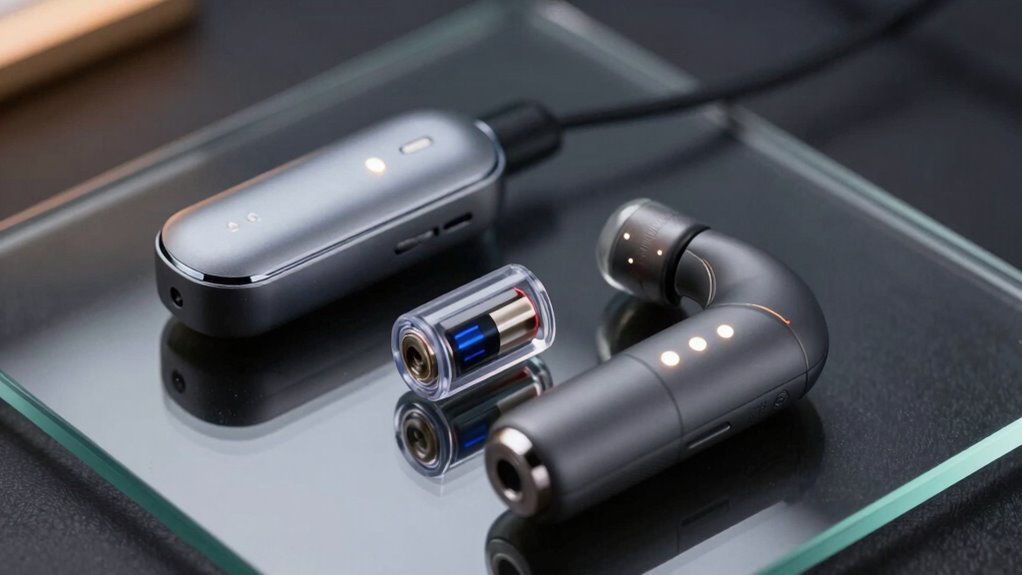
Rechargeable hearing aids often have higher upfront costs compared to traditional disposable models, but their total expenses over their lifespan can vary widely. The initial investment includes the device price and potential maintenance. Over time, you’ll save on buying replacement batteries, which adds to long-term savings. Consider these factors:
- The number of charge cycles, affecting battery lifespan and replacement needs.
- The frequency of battery recycling, influencing environmental impact.
- Maintenance costs for keeping the device in top condition.
While rechargeable models may cost more initially, they reduce ongoing expenses and lessen waste. Proper battery recycling helps minimize environmental impact, making these devices more eco-friendly in the long run. Your total cost depends on usage, maintenance, and how well you care for the device over time.
Is a Rechargeable Hearing Aid a Good Fit for Your Lifestyle?

Determining if a rechargeable hearing aid suits your lifestyle depends on how you use and prioritize your hearing device. If you’re active and need quick, hassle-free power, rechargeable models offer convenience without frequent battery changes. Consider how often you’re willing to participate in battery recycling; rechargeable aids reduce waste and have a lower environmental impact compared to disposable batteries. If you travel or spend long days away from charging sources, make sure your device’s battery life aligns with your routine. Think about your environmental values—choosing rechargeable hearing aids supports sustainability efforts. Ultimately, if you prioritize ease, eco-friendliness, and consistent performance, a rechargeable hearing aid could be an excellent fit for your lifestyle.
Frequently Asked Questions
Can Rechargeable Hearing Aids Be Used During Charging?
You can’t use rechargeable hearing aids during charging because they need to be removed from the charger first. This setup offers great charging convenience, letting you charge overnight and use them all day. The battery lifespan remains reliable with regular charging, so you don’t have to worry about frequent replacements. Just remember, for continuous use, simply take out the aids when charging, then pop them back in once fully powered up.
Are There Any Health Risks Associated With Rechargeable Batteries?
You might not realize, but about 1 in 10 rechargeable batteries can leak over time, posing health hazards. Battery leakage can release harmful chemicals that irritate your skin or airways if mishandled. While modern hearing aid batteries are designed with safety in mind, improper disposal or damage increases risks. Always store batteries properly, avoid puncturing them, and seek prompt medical attention if you suspect exposure to prevent health hazards.
What Are the Environmental Impacts of Rechargeable Versus Disposable Batteries?
You might notice that rechargeable batteries are better for the environment because they reduce battery waste and promote battery recycling, which lessens environmental pollution. Disposable batteries often end up in landfills, releasing harmful chemicals. By choosing rechargeable hearing aids, you help decrease the overall environmental impact, conserving resources and minimizing pollution. Proper battery recycling is essential to maximize these benefits and protect the planet from toxic waste.
How Do Rechargeable Batteries Affect Hearing Aid Warranty Coverage?
Did you know that rechargeable batteries typically last 3-5 years, which can impact your hearing aid warranty? Using rechargeable batteries may not void your warranty, but manufacturers often specify coverage limits related to battery lifespan and replacement costs. You should verify your warranty details carefully, as some warranties cover battery issues while others might require proof of proper use. Staying informed helps ensure your hearing aid stays protected.
Can Rechargeable Hearing Aids Be Easily Repaired or Serviced?
Yes, rechargeable hearing aids can be repaired or serviced, but repair complexity varies. You might find that issues related to battery lifespan, like diminished charging or performance, are easier to fix. However, other internal components could be more challenging or costly to repair. Regular servicing guarantees your hearing aids stay in good shape, but keep in mind that repairs for rechargeable models may sometimes take longer due to their specialized batteries and parts.
Conclusion
So, you’ve got your rechargeable hearing aids—no more fiddling with tiny batteries, hooray! But don’t forget, they might need a little extra TLC in extreme temperatures or on long days. Sure, they save you trips to the store, but be prepared for the eventual battery swap. In the end, whether they’re the perfect fit or a costly gamble, only time will tell if you’re truly battery bliss or just charged with hope.
Halloween Picks
halloween
As an affiliate, we earn on qualifying purchases.