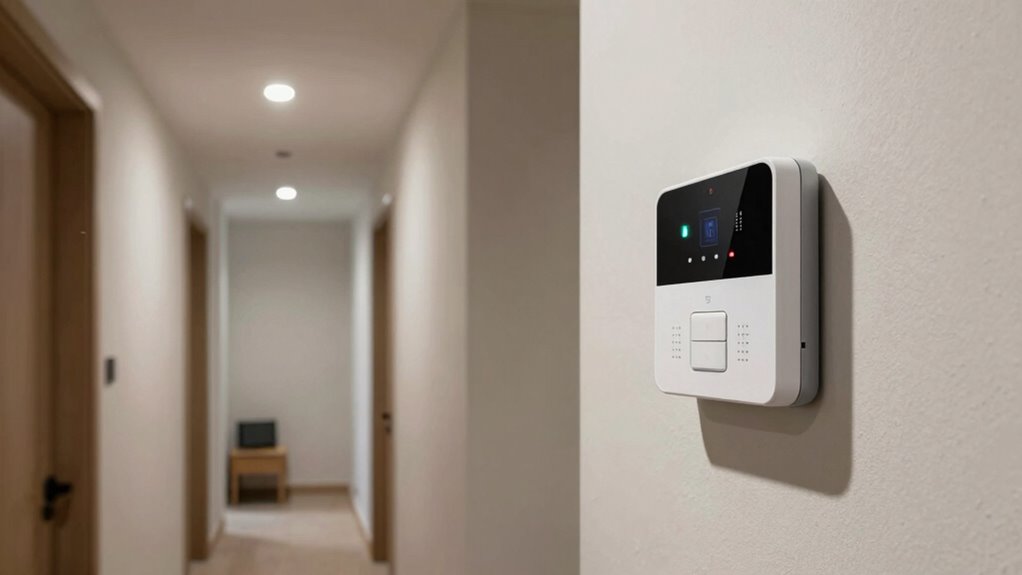

If you’re planning alert systems for an apartment building, you need a different approach than for houses because apartments involve shared spaces and interconnected units. You’ll need to coordinate alarms in hallways, stairwells, and common areas to guarantee everyone is warned simultaneously. Proper placement, maintenance, and resident communication are essential for safety. Understanding these unique challenges helps you create a system that protects all residents—if you want to explore each aspect further, let’s continue.

Get everyday helpers delivered free — and shop member deals
- Fast, free delivery on millions of items
- Access to Prime Big Deal Days deals on October 6–7
- Prime Video, Amazon Music and more included
Key Takeaways
- Apartments require interconnected alarm systems to cover shared spaces and multiple units effectively.
- Shared infrastructure and common areas demand strategic placement of detectors for comprehensive coverage.
- Coordination with building management ensures compliance with regulations and seamless integration of alert systems.
- Regular maintenance and resident education are essential to maintain system reliability in multi-unit settings.
- Safety planning must balance individual unit protection with communal space coverage without causing system overload.
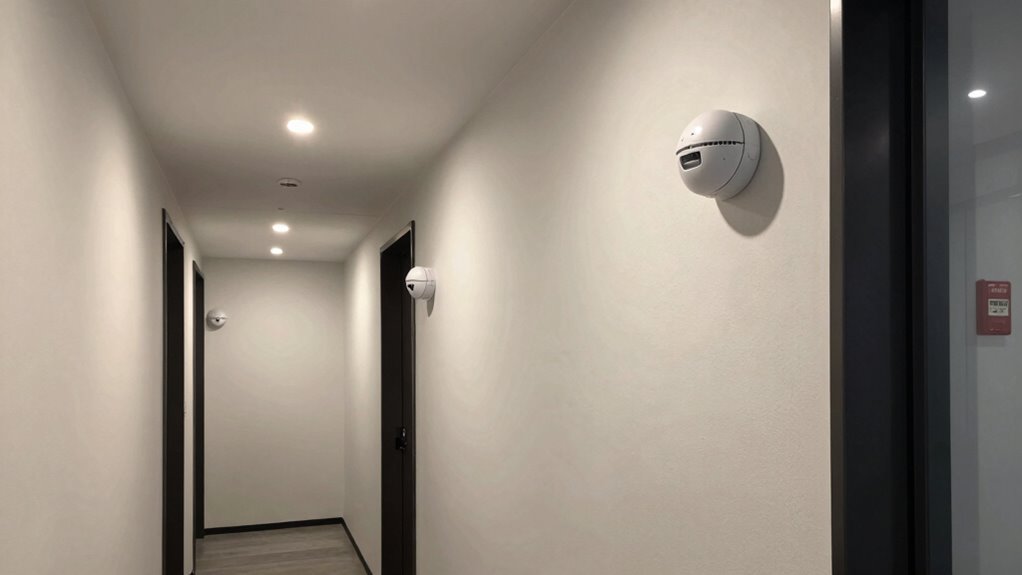
When it comes to installing alert systems, apartments require a different approach than houses because of their unique layout and shared spaces. Unlike standalone homes, apartments are part of larger buildings with multiple units, common hallways, and shared infrastructure. This makes fire safety a top priority, but it also complicates how you implement alert systems. You can’t simply install a single smoke detector and assume it will cover the entire space. Instead, you need a thorough plan that guarantees every unit is protected while also considering the building’s communal areas. Proper placement of detectors, alarms, and emergency communication systems becomes essential, so residents are promptly warned no matter where in the building they are.
Because shared spaces like hallways, stairwells, and elevators are central to apartment buildings, the alert system must be integrated into these areas effectively. You’ll want to coordinate with building management and local fire codes to guarantee compliance. In many cases, this involves installing interconnected alarm systems that activate simultaneously across all units and public areas, minimizing response times during emergencies. It’s equally important to establish clear maintenance protocols for these systems. Regular testing, battery replacements, and inspections should be scheduled to keep everything functioning smoothly. Fire safety isn’t just about installing alarms; it’s about ongoing vigilance and maintenance to prevent failures when it counts most. Recognizing the importance of interconnected alarm systems helps enhance overall building safety and response efficiency.
Apartments also demand a tailored approach to maintenance protocols. Because of the shared infrastructure, you need to have a plan that includes routine checks not only for individual units but also for the building’s common systems. This might involve coordinating with building staff or security to ensure alarms are in working order and that residents are aware of how to respond in emergencies. Educating tenants about fire safety, including how to test alarms and what to do if an alarm sounds, becomes a key part of your overall strategy. Additionally, understanding the importance of interconnected alarm systems helps ensure that alerts are synchronized throughout the building, providing a comprehensive safety net. Incorporating building-wide communication channels can also enhance emergency response and resident awareness. Implementing regular system testing and updates is vital to maintaining the reliability of these interconnected systems.
In essence, planning alert systems for apartments means recognizing the building as a complex network of interconnected spaces. You have to balance fire safety with practicality, ensuring that every unit and shared area is covered without overwhelming residents or maintenance teams. Regular upkeep and clear communication are essential, as is aligning your setup with local regulations. When these elements come together, you create a safer environment where every tenant can feel secure, knowing that the alert system is reliable, well-maintained, and ready to respond at a moment’s notice.
interconnected smoke and carbon monoxide alarm system for apartments
As an affiliate, we earn on qualifying purchases.
As an affiliate, we earn on qualifying purchases.
Frequently Asked Questions
How Do Apartment Fire Alarm Systems Differ From House Systems?
Apartment fire alarm systems differ from house systems mainly due to fire alarm standards and system maintenance needs. You’ll find that apartment alarms are interconnected, ensuring everyone is alerted quickly, while house systems are usually standalone. Maintenance is more complex in apartments because of shared components and legal requirements. You need to regularly check alarms, update components, and guarantee compliance with fire alarm standards to keep all residents safe effectively.
What Are the Legal Requirements for Apartment Alert Systems?
Think of your apartment’s alert system as a guardian angel, ensuring safety and compliance. Legally, you must follow strict safety standards and local regulations that demand reliable alarm coverage, clear signage, and regular maintenance. Failing to meet these legal requirements risks safety violations and penalties. To protect residents and your property, prioritize legal compliance by installing systems that meet all safety standards and stay updated with evolving regulations.
How Do Tenant Mobility and Lease Terms Impact System Planning?
Tenant mobility and lease terms considerably impact your alert system planning. Frequent tenant turnover means you need a flexible, easily upgradable system that can adapt quickly to new residents. Lease flexibility also influences system features, as longer leases might require more permanent installations, while short-term leases demand portable solutions. Planning for these factors ensures your alert system remains effective, reliable, and aligned with tenant needs and lease structures.
Are There Specific Challenges for Installing Alert Systems in High-Rise Apartments?
Installing alert systems in high-rise apartments presents unique challenges, especially with building layout and resident demographics. You’ll need to navigate complex wiring through multiple floors and guarantee coverage in all units, including corners and stairwells. Resident demographics matter too—some tenants may have special needs or language barriers. You must plan meticulously, balancing safety and accessibility, to create a system that effectively protects everyone, no matter where they’re located within the building.
How Can Apartment Alert Systems Integrate With Building Management Technology?
You can integrate apartment alert systems with building management tech through smart sensor integration, which allows real-time data sharing. Connect sensors for smoke, fire, or leaks directly to centralized notification systems, guaranteeing quick alerts across the building. This setup guarantees seamless communication, enhances safety, and simplifies management. By coordinating these systems, you create an efficient, responsive environment that protects residents and streamlines building operations.
Conclusion
As you plan your apartment alert system, remember it’s like choreographing a symphony in a compact space—every note must be precise. Unlike houses, apartments demand a tailored approach that considers shared walls and close neighbors. By customizing your system, you’re not just safeguarding your space; you’re tuning into a safety melody that resonates with harmony and peace. With the right plan, your apartment becomes a fortress of confidence amid the bustling cityscape.
Evergreen bestsellers Picks
bestsellers
As an affiliate, we earn on qualifying purchases.