Emergency radios and preparedness tools are essential for accessibility plans because they guarantee everyone, including those with disabilities, receives critical information during crises. You can rely on visual alerts, spoken instructions, and adjustable settings to stay informed and safe. Placing and maintaining these devices in Accessible locations, and involving the community, helps you build inclusive communication. Continuing will show you how these tools create a stronger, more resilient response for all.
Key Takeaways
- Audiovisual enhancements in radios ensure critical information reaches users with visual or hearing impairments during emergencies.
- Community outreach and training promote understanding and effective use of accessible emergency communication tools.
- Strategic placement and regular maintenance of radios guarantee reliability for diverse populations, including those with disabilities.
- Integration of radios with other accessible tools creates comprehensive, inclusive emergency preparedness and response systems.
- Prioritizing inclusivity in emergency tools fosters resilience, ensuring all community members receive vital information during crises.
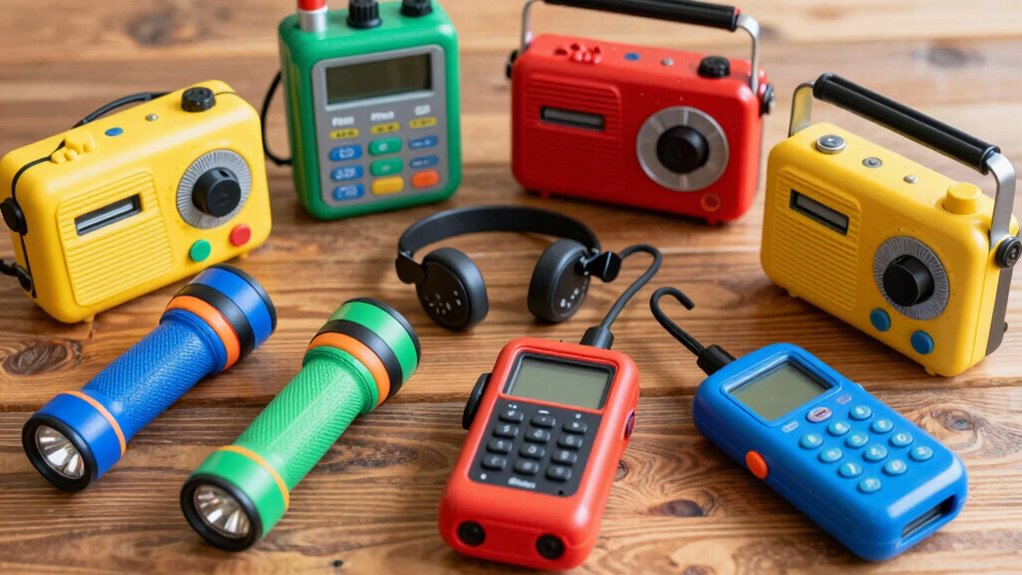
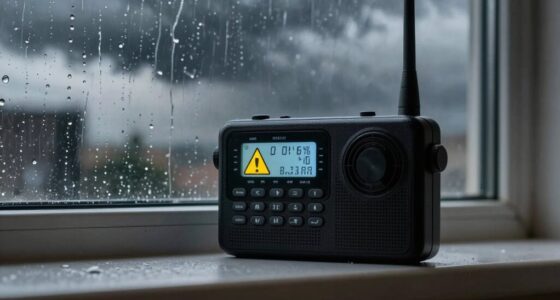
In emergency situations, having reliable communication tools can make all the difference, especially for individuals with accessibility needs. Emergency radios serve as indispensable devices that provide immediate access to essential information when other communication channels fail. For individuals with visual or hearing impairments, integrating audiovisual enhancements into emergency radios can greatly improve usability. Visual alerts like flashing lights or on-screen notifications can notify you of important updates, while audio features such as clear, adjustable volume or spoken instructions ensure you receive critical information effectively. These enhancements help bridge communication gaps, making it easier to stay informed during crises. Additionally, incorporating biodiversity considerations into emergency preparedness can promote more sustainable and environmentally friendly solutions.
Reliable emergency radios with audiovisual alerts ensure accessible communication during crises for everyone.
When incorporating emergency radios into your accessibility plan, it’s important to think beyond just individual use. Community outreach plays a key role in guaranteeing that everyone, regardless of ability, understands how to access and operate these devices. Outreach efforts can include training sessions, demonstrations, or distributing easy-to-understand manuals tailored to diverse needs. By involving community members and organizations in these initiatives, you foster an environment where all individuals feel empowered and prepared. The goal is to make emergency communication accessible to everyone, which requires proactive engagement and education. Incorporating inclusive communication strategies ensures that information is accessible across different disabilities and communication preferences. To enhance the effectiveness of these strategies, understanding universal design principles can help make the communication methods more adaptable and user-friendly. It’s also beneficial to consider assistive technologies that can further support diverse user needs.
Your accessibility plan should also consider the placement and maintenance of these radios. Strategically placing them in common areas, such as community centers, workplaces, and emergency shelters, guarantees that they’re readily available when needed. Regular testing and updates ensure that the devices remain functional and effective. Conducting training programs for community members can further enhance their confidence and ability to use the radios correctly during emergencies. Incorporating feedback from users with different disabilities can help refine the design and features of the radios, making them more inclusive. Involving community outreach programs can facilitate this feedback process, creating a two-way communication channel that improves overall preparedness.
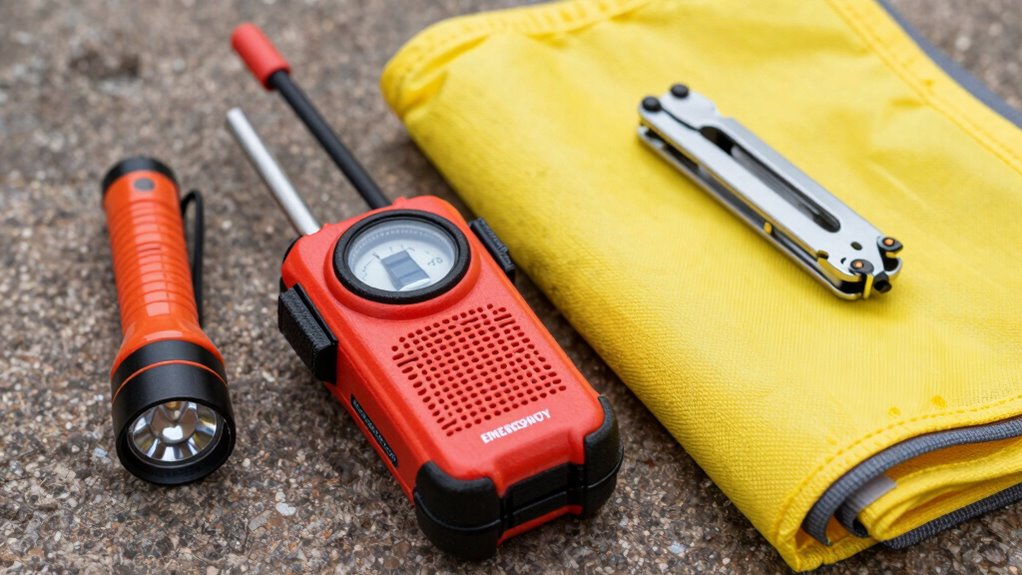
Furthermore, integrating emergency radios into broader preparedness tools enhances your overall emergency response strategy. These tools can include mobility aids, accessible alert systems, and digital platforms that complement the radios. Such an inclusive approach ensures you’re covering various scenarios and individual needs. By emphasizing audiovisual enhancements and community outreach, your accessibility plan becomes more resilient and inclusive. It not only provides essential communication during emergencies but also fosters a sense of safety and confidence among all community members. Ultimately, making emergency radios a core part of your preparedness toolkit highlights your commitment to inclusivity and guarantees no one is left without vital information during critical moments.
emergency radio with audiovisual alerts
As an affiliate, we earn on qualifying purchases.
As an affiliate, we earn on qualifying purchases.
Frequently Asked Questions
How Do Emergency Radios Accommodate Users With Visual Impairments?
Emergency radios accommodate users with visual impairments through visual signaling features and tactile controls. You can easily identify buttons by touch, thanks to raised or textured designs, making operation straightforward without sight. Visual signaling, like flashing lights or vibrating alerts, guarantees you receive notifications even if you can’t see the screen. These features help you stay connected and safe during emergencies, promoting independence and confidence in your preparedness efforts.
Are There Emergency Tools Designed Specifically for Individuals With Mobility Challenges?
Think of emergency tools as a well-oiled rescue team ready to support you. Yes, there are devices specifically designed for mobility challenges, incorporating assistive communication features and seamless mobility device integration. These tools function like trusted companions, allowing you to communicate clearly and operate them comfortably from your wheelchair or other mobility devices. They empower you to stay connected and safe, ensuring emergency preparedness is inclusive and accessible for everyone.
What Training Is Available for Effective Use of Accessibility-Focused Preparedness Tools?
You can access community engagement programs and workshops that teach you how to effectively use accessibility-focused preparedness tools. These sessions often cover technological innovations designed for mobility challenges, helping you become confident in emergency situations. Local organizations and emergency services frequently offer tailored training, ensuring you understand how to operate specialized radios and devices. Taking part in these initiatives boosts your preparedness, making sure you’re ready to respond quickly and safely when needed.
How Do Emergency Radios Integrate With Other Assistive Technologies?
You can seamlessly integrate emergency radios with other assistive technologies for effective disaster communication. Many radios offer features like Bluetooth or Wi-Fi connectivity, enabling you to connect with hearing aids, visual alerts, or mobile apps. This integration guarantees that your radio connects reliably during emergencies, providing essential updates and alerts. By combining these tools, you enhance your overall accessibility, ensuring you stay informed and connected when it matters most.
What Funding Options Exist for Implementing Accessible Emergency Preparedness Tools?
You can explore funding grants from government agencies, nonprofits, and community organizations dedicated to accessibility. These grants help cover costs for emergency radios and preparedness tools. For effective implementation, include these expenses in your budget planning, ensuring you allocate resources appropriately. Additionally, look into local and federal programs that support accessible emergency preparedness, making sure your plan is financially feasible and inclusive for everyone.
Conclusion
In emergencies, accessibility tools like radios become your lifeline, much like a lighthouse guiding ships through fog. Imagine Sarah, who relied on her emergency radio during a power outage, staying connected and safe while others were left in the dark. Incorporating these tools into your accessibility plan guarantees you’re not steering chaos blindly. Remember, preparedness isn’t just about tools; it’s about empowering yourself to face any storm with confidence.