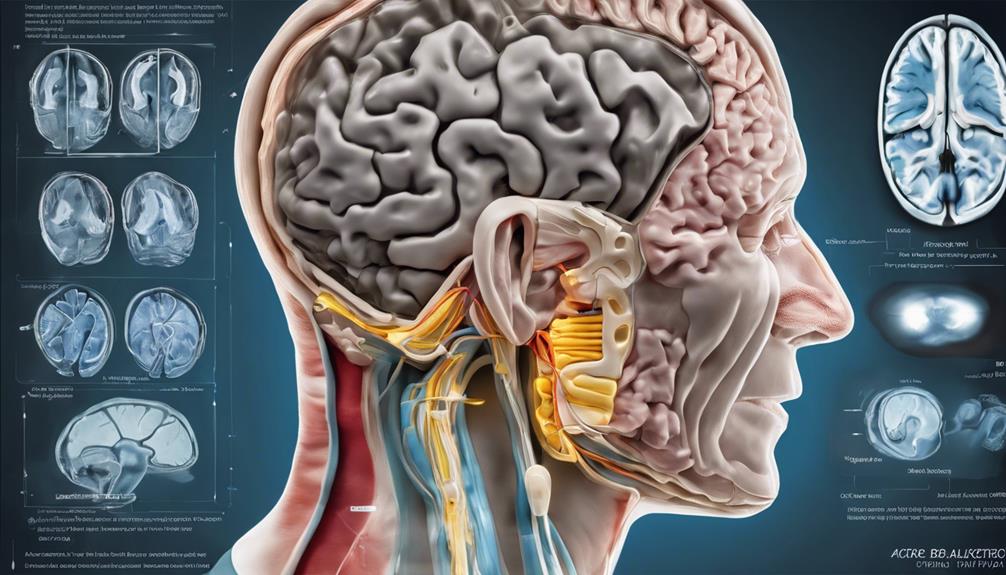
Managing tinnitus involves using strategies like sound therapy, lifestyle changes, and hearing aids to reduce its impact on your daily life. It focuses on coping and making symptoms less intrusive, since a complete cure is usually not possible. While some treatments can lessen severity, they don’t eliminate tinnitus entirely. If you want to understand the key differences and discover effective ways to improve your quality of life, there’s more you can explore.
Key Takeaways
- Managing tinnitus focuses on reducing its impact on daily life, while curing aims to eliminate the condition entirely.
- Complete cure of tinnitus is often unrealistic; management involves coping strategies and symptom control.
- Sound therapy and hearing aids help mask tinnitus but do not provide a permanent cure.
- Addressing underlying hearing loss can improve symptoms but doesn’t guarantee complete eradication.
- Effective management requires ongoing lifestyle adjustments, therapy, and patience, unlike a definitive cure.

Tinnitus can be a persistent and frustrating condition, but understanding the difference between managing it and curing it is essential. When it comes to hearing health, many people assume there’s a quick fix or a complete cure, but for most, tinnitus isn’t something you can eliminate entirely. Instead, managing it involves adopting strategies that reduce its impact on your daily life. You might find relief through various approaches, but it’s important to recognize that these methods aim to make the symptoms less intrusive rather than eradicate the condition outright.
Sound therapy plays a significant role in managing tinnitus. It works by introducing external sounds to drown out or mask the ringing, buzzing, or hissing sensations in your ears. This isn’t about curing tinnitus but about controlling your perception of it. You might use background noise, white noise machines, or specialized sound generators designed to complement your hearing health. Over time, sound therapy can help your brain become less focused on the tinnitus sounds, reducing their prominence and your emotional response to them. It’s a practical way to regain some sense of normalcy without needing invasive procedures or medications. Additionally, understanding how neural pathways process auditory signals can deepen your awareness of why sound therapy is effective.
Sound therapy helps mask tinnitus and reduces emotional distress, promoting normalcy without invasive treatments or medications.
While sound therapy is effective at managing tinnitus, it’s fundamental to understand that it doesn’t address the root cause of the condition. In many cases, tinnitus results from hearing loss or damage to the auditory system, meaning that improving hearing health can sometimes lessen the severity of symptoms. Regular hearing assessments can identify underlying issues, and hearing aids or other assistive devices might help reduce tinnitus by amplifying external sounds and decreasing the contrast between background noise and tinnitus. These tools won’t cure tinnitus, but they can help you better manage your hearing health and lessen the mental burden. Additionally, understanding the link between hearing health and tinnitus can motivate you to prioritize protective measures.
Most importantly, managing tinnitus requires a holistic approach. Besides sound therapy, lifestyle changes—like reducing stress, avoiding caffeine, and protecting your ears from loud noises—play a critical role. Cognitive behavioral therapy (CBT) can also be beneficial by helping you change negative thoughts and emotional reactions related to tinnitus. Incorporating sound-based treatments into your routine can further enhance your coping strategies. Additionally, understanding that hearing health is closely linked to tinnitus can help motivate you to seek regular assessments and protective measures. Regularly educating yourself about digital threats and staying informed on cybersecurity can be a helpful analogy for understanding how proactive measures can reduce risks. Remember, the goal isn’t necessarily to find a cure but to develop a toolkit of strategies that improve your quality of life. With patience and the right management techniques, you can control tinnitus’s impact and continue engaging fully with your hearing health and daily activities.
white noise machine for tinnitus
As an affiliate, we earn on qualifying purchases.
As an affiliate, we earn on qualifying purchases.
Frequently Asked Questions
Can Tinnitus Be Completely Cured With Current Medical Treatments?
Currently, tinnitus can’t be completely cured with medical treatments, but you can manage it effectively. Sound therapy helps mask or reduce the perceived noise, while cognitive restructuring can change how you react to tinnitus, making it less bothersome. By combining these approaches, you can improve your quality of life. Although a cure isn’t available yet, ongoing research offers hope that future treatments may provide more lasting relief.
Are There Natural Remedies That Can Cure Tinnitus Permanently?
Natural remedies can’t guarantee a permanent cure for tinnitus, but some people find relief through approaches like acupuncture, herbal supplements, or stress reduction techniques. While these methods might improve your symptoms temporarily, there’s no scientific evidence proving they provide a permanent cure. You should consult a healthcare professional before trying any natural remedies, as they can help determine if these options are safe and appropriate for your specific situation.
How Long Does It Typically Take to Manage Tinnitus Effectively?
Managing tinnitus effectively varies for each person, but you might start noticing improvements within a few weeks to a few months. Consistent use of sound therapies and stress management techniques can make a big difference. By incorporating these approaches into your daily routine, you gradually learn to reduce the perception of tinnitus. Patience and persistence are key, as it often takes time to see significant progress.
Is Tinnitus More Common in Certain Age Groups or Genders?
You’ll find that tinnitus is more common among older adults, with age prevalence increasing as you age, especially after 60. Gender differences also exist; men tend to experience tinnitus slightly more often than women. However, it can affect anyone regardless of age or gender. If you notice ringing or buzzing in your ears, understanding these patterns can help you recognize risk factors and seek appropriate management or treatment.
What Are the Latest Advancements in Tinnitus Research?
Recent tinnitus research focuses on neuroplasticity techniques and sound therapy innovations. You can benefit from these advancements by exploring therapies that retrain your brain to reduce tinnitus perception. New sound therapy devices now use personalized soundscapes, promoting brain adaptability. Researchers are also investigating neural modulation methods, aiming to provide more effective and lasting relief. Staying informed about these developments can help you find new ways to manage tinnitus effectively.
Conclusion
Managing tinnitus often involves strategies to lessen its impact, while curing it aims for complete relief. Did you know about 60% of people with tinnitus find relief through management techniques, yet only around 10% achieve a cure? Understanding this difference helps you set realistic expectations and focus on improving your quality of life. Whether managing or curing, taking proactive steps can make a noticeable difference in your daily experience with tinnitus.