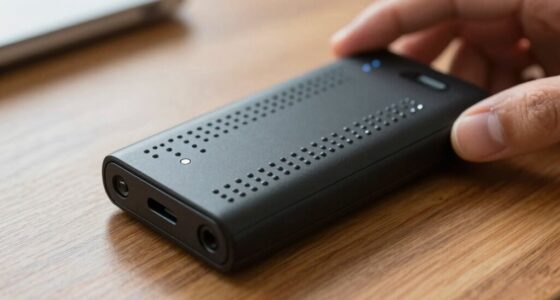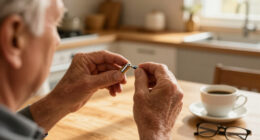

To prepare for your appointment, communicate with the clinic in advance about your DeafBlind needs and arrange for sign language interpreters or communication supports. Bring any assistive devices, medications, and written health info, and consider traveling with a trusted companion. Schedule appointments in accessible, quiet spaces and clarify what to expect. Use any necessary tools during the visit to advocate for yourself and stay comfortable. Keep going to discover more ways to guarantee a smooth healthcare experience.

Get everyday helpers delivered free — and shop member deals
- Fast, free delivery on millions of items
- Access to Prime Big Deal Days deals on October 6–7
- Prime Video, Amazon Music and more included
Key Takeaways
- Coordinate with a sign language interpreter or communication facilitator in advance.
- Schedule appointments in accessible, quiet, well-lit environments and notify staff of your DeafBlind status.
- Prepare assistive technology, medical documents, and necessary tools beforehand to minimize stress.
- Bring a trusted companion for navigation, communication support, and assistance during the visit.
- Confirm communication plans and ask questions in your preferred style to ensure understanding throughout.
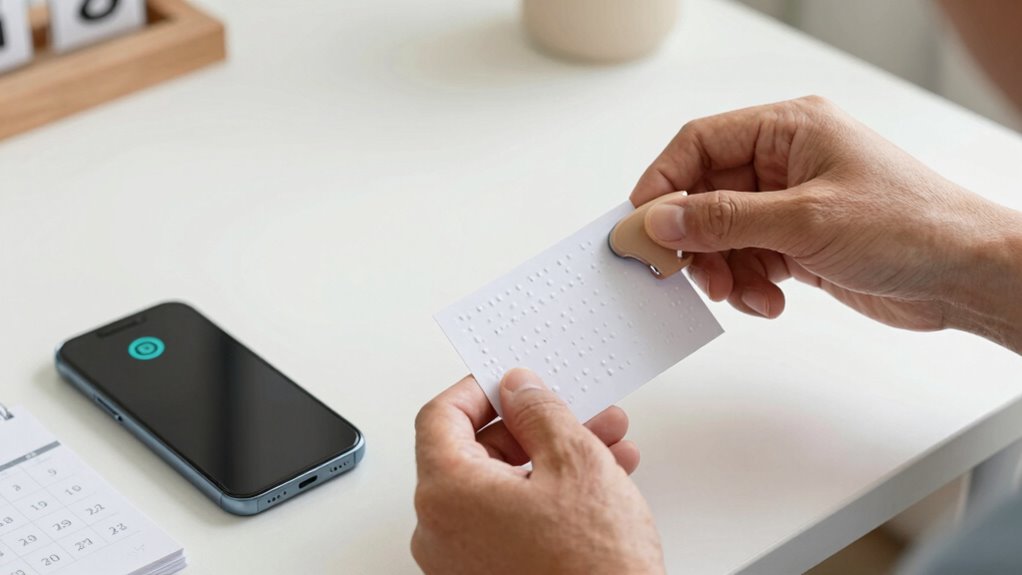
Effective communication strategies are vital for a positive appointment. You might consider working with a sign language interpreter or a communication facilitator if you use sign language or tactile methods. Contact your healthcare provider ahead of time to discuss your preferred communication methods and confirm arrangements. If you rely on tactile signing or other specialized techniques, inform the clinic staff so they can prepare accordingly. Sometimes, using written notes or electronic communication tools can also bridge gaps when verbal exchange isn’t possible or practical.
Planning ahead is key. When scheduling your appointment, request a quiet, well-lit, and accessible space if possible. This reduces distractions and makes communication easier. Notify the clinic about your DeafBlind status and any specific needs, so they can allocate sufficient time and resources. If you use a guide or service animal, check if they’re allowed in the examination room and prepare any necessary documentation or supplies. Bringing a trusted companion can also be invaluable—they can help with communication, navigation, and carrying your assistive devices. Understanding biodiversity and conservation practices can also help you advocate for accessible environments that support your needs. Additionally, knowing about assistive technology options can enhance your independence during medical visits. Staying informed about advocacy resources can empower you to ensure your rights are respected during healthcare interactions. Being aware of accessible environments can help you better navigate unfamiliar healthcare settings. Learning about disability rights can further strengthen your confidence in advocating for accommodations.
Request a quiet, well-lit space, notify staff of your needs, and bring a trusted companion for support.
It’s beneficial to create a checklist of what you need for each appointment. Include items like your assistive technology devices, a portable charger, written instructions, and any medications or medical history documents. Having everything organized minimizes stress and guarantees you don’t forget vital information or tools. When you arrive at the appointment, take your time to clarify what will happen next. Don’t hesitate to ask questions or for explanations in your preferred communication style—your comfort and understanding are the top priorities.
Preparing thoroughly allows you to take control of your healthcare experience. Using assistive technology and communication strategies effectively can help you communicate your needs clearly and receive the care you deserve. With proper planning, your appointments can become more manageable, empowering you to maintain your health confidently and independently.
Frequently Asked Questions
How Can I Ensure My Communication Preferences Are Respected During Appointments?
You can guarantee your communication preferences are respected by clearly expressing your needs for sign language or tactile communication before your appointment. Inform your healthcare provider about your preferred methods, and request an interpreter if needed. Bringing your own assistive devices or communication tools helps. Don’t hesitate to advocate for yourself, and confirm that staff understand and will accommodate your communication style throughout the appointment.
What Specific Tools or Technology Can Assist Me During Medical Visits?
Think of assistive devices and communication apps as your trusted toolkit, like a Swiss Army knife for medical visits. You can use tactile communication devices, such as braille displays, and smartphone apps designed for DeafBlind users to relay information clearly. These tools help you understand your health situation and communicate effectively. By bringing your preferred technology, you stay empowered, ensuring your needs are met seamlessly during every appointment.
How Do I Coordinate With Healthcare Providers About My Accessibility Needs?
You should directly communicate your accessibility needs to healthcare providers before your appointment. Clearly specify the assistive communication methods you prefer, like tactile signing or braille materials. Discuss sensory accommodations needed, such as a quiet, low-light environment or breaks during the visit. By proactively sharing these details, you help guarantee your healthcare team can make appropriate adjustments, creating a more comfortable and effective experience tailored to your DeafBlind needs.
What Should I Do if I Feel Uncomfortable or Unprepared During an Appointment?
If you feel uncomfortable or unprepared during an appointment, trust your instincts and speak up. Nearly 70% of DeafBlind individuals report feeling anxious in healthcare settings, so using sensory strategies like deep breathing or tactile cues can help calm you. Don’t hesitate to ask for emotional support from a trusted companion or advocate. Remember, your comfort and understanding are essential; healthcare providers should respect and accommodate your needs.
Are There Resources or Organizations That Support Deafblind Patients in Healthcare Settings?
Yes, there are resources and organizations that support deafblind patients in healthcare settings. They offer assistive devices like tactile or visual communication tools and provide communication training to help you effectively interact with healthcare providers. Organizations such as the National DeafBlind Equipment Distribution Program and the Helen Keller National Center can connect you with these resources, ensuring you feel more confident and prepared during medical appointments.
Conclusion
So, you’ve mastered the art of maneuvering appointments as a deafblind patient—who knew, right? Ironically, with all the effort to prepare and communicate, the biggest surprise might be how smoothly things go. After all, the chaos of miscommunication becomes a distant memory when you’re in control. Now, instead of feeling lost in the details, you can sit back, confident that your preparations turn those tricky visits into well-orchestrated successes.
Fall Picks
fall essentials
As an affiliate, we earn on qualifying purchases.