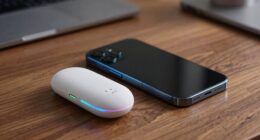
Choosing hearing aid batteries is a choice between charging a built-in power source every day and replacing small zinc-air cells as they run down. Rechargeable hearing aids are often easier to manage at home, especially for people who find tiny batteries difficult to handle. Disposable batteries offer more flexibility when traveling, when a charger is unavailable, or when a quick battery swap matters.

Get everyday helpers delivered free with Prime
- Fast, free delivery on millions of items
- Prime Video, Amazon Music and more included
- Member-only deals all year
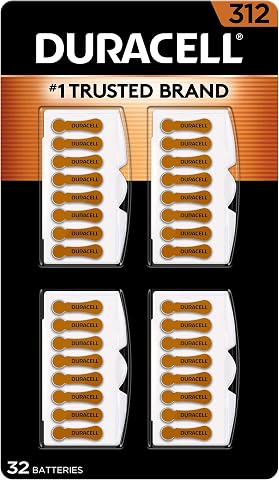
Duracell Hearing Aid Batteries Size 312 (Brown), 32 Count
- ✔ Brand: Duracell
- ✔ Battery size: 312 (Brown)
- ✔ Quantity: 32 batteries

Powermax Size 312 Hearing Aid Batteries, 60 Count, Brown Long Tab
- ✔ Brand: Powermax
- ✔ Battery size: 312 (Brown)
- ✔ Quantity: 60 batteries

Duracell Size 13 Orange Hearing Aid Batteries, 16 Count
- ✔ Brand: Duracell
- ✔ Battery size: 13 (Orange)
- ✔ Quantity: 16 batteries
The better fit depends on your hearing aid model, routines, dexterity, and access to power. Rechargeable models can simplify daily use, but they generally require a compatible charger and may mean replacing the hearing aid when its built-in battery ages. Disposable models require handling and disposing of cells, yet let you carry spares and resume use quickly. Compare the ongoing costs with the whole device package: many hearing aids are designed for one battery type, so users may not be able to switch without choosing a different model.
At a Glance
| Criteria | Rechargeable hearing aid batteries | Disposable zinc-air hearing aid batteries | Winner |
|---|---|---|---|
| Daily convenience | Place the hearing aids in their compatible charger as part of a regular routine. | Replace the cell when depleted, then peel off the tab and allow the zinc-air battery to activate. | A |
| Handling and dexterity | No tiny cells to remove and insert each time they need power. | Requires handling small cells and keeping them correctly oriented. | A |
| Runtime and readiness | Typically designed for a full day after charging; needs access to the charger and time to recharge. | Usage time varies by battery size, hearing aid, settings, and streaming; a fresh cell is ready after activation. | Depends |
| Travel and backup flexibility | Requires the charger and a source of power; a dead device cannot be revived with a quick battery swap. | Easy to carry spare cells and swap them without charging equipment. | B |
| Long-term cost | Higher device or charger cost may be offset by avoiding regular purchases of disposable cells. | Lower initial commitment to a charger, but repeat battery purchases add up. | Depends |
| Environmental impact | Avoids frequent single-use cells, but rechargeable devices still have battery and electronics impacts. | Produces spent cells that need appropriate disposal; impact depends on materials, use, and local recycling options. | Depends |
| Aging and replacement | The built-in battery loses capacity over time and may require professional service or device replacement. | A new cell restores power quickly; the hearing aid itself does not rely on a rechargeable battery pack. | B |
Duracell Hearing Aid Batteries Size 312 (Brown), 32 Count
For a Size 312 device, Duracell is the most balanced choice in this lineup. Its extra-long EasyTab is designed to give users more to hold when removing and positioning a small battery, and the product is described as certified by the Arthritis Foundation for ease of use. That distinction gives it an advantage over the Powermax pack, whose long brown tab also aids handling but does not carry the same stated certification.The four-year storage guarantee makes it easier to keep a spare pack available without choosing solely by immediate need. Its 32-battery count is smaller than Powermax’s 60, so frequent changers may prefer Powermax’s larger supply. Both are disposable zinc-air batteries, which means neither avoids recurring replacement. Choose Duracell when handling and storage reassurance matter more than maximizing pack count; skip it if your hearing aids require Size 13 or you want rechargeable cells.
Pros:
- Extra-long EasyTab designed to simplify handling and installation
- Arthritis Foundation Ease of Use certification, as described in the product details
- Four-year storage guarantee for keeping a backup supply
- Brown color code makes Size 312 identification easier
Cons:
- Disposable zinc-air chemistry requires ongoing replacement
- 32-count pack is smaller than Powermax’s 60-count Size 312 supply
- Only compatible with devices that take Size 312 batteries
Best for: People with Size 312 hearing aids who value a longer handling tab and a stated storage guarantee.
Not ideal for: Buyers with Size 13 devices, those seeking rechargeable batteries, or frequent users prioritizing a 60-count pack.
Bottom line: For compatible Size 312 hearing aids, Duracell offers the strongest balance of handling features and storage life, with a smaller pack than Powermax.
“For compatible Size 312 hearing aids, Duracell offers the strongest balance of handling features and storage life, with a smaller pack than Powermax.”
Powermax Size 312 Hearing Aid Batteries, 60 Count, Brown Long Tab
Powermax is the quantity-first option for people who already know their hearing aids use Size 312 batteries and go through replacements regularly. Its 60-count pack provides nearly twice as many batteries as the 32-count Duracell Size 312 pack, which can mean fewer pack changes and a more substantial supply on hand. The long brown tab also supports handling, though Duracell’s EasyTab is the more differentiated choice for buyers who put particular weight on its stated ease-of-use certification.The product lists 1.4 volts and zinc-air chemistry, and its description says it is compatible with a wide range of hearing aid brands. Compatibility still depends on the device taking Size 312; broad brand compatibility does not make this a universal battery. The packaging complies with Reese’s Law, but the supplied details warn that the child-safe packaging can be difficult to open. That makes this a sensible high-quantity pick for users comfortable handling the pack, but less appealing if easy access is a priority.
Pros:
- 60-count pack supplies more batteries than either Duracell option
- Long brown tab is designed to aid handling and changes
- Listed 1.4-volt zinc-air battery
- Product description states the composition contains no cadmium or mercury
Cons:
- Child-safe packaging may be challenging to open
- No storage guarantee is listed in the supplied specifications
- Disposable chemistry means replacement remains part of ownership
Best for: Frequent users of Size 312 hearing aids who want a larger supply and a long handling tab.
Not ideal for: People who struggle with child-resistant packaging, need a different size, or prefer a smaller pack with a stated four-year storage guarantee.
Bottom line: Powermax makes the most sense when pack quantity leads the decision, provided the harder-to-open packaging is manageable and Size 312 is correct.
“Powermax makes the most sense when pack quantity leads the decision, provided the harder-to-open packaging is manageable and Size 312 is correct.”
Duracell Size 13 Orange Hearing Aid Batteries, 16 Count
This Duracell serves a different compatibility need from the two Size 312 packs: it is made for hearing aids that take Size 13 batteries, identified by the orange color code. If your device specifies Size 13, the 312 products above are not alternatives, even though they share the hearing aid battery category. Confirming the size printed on your current battery or device instructions matters more than choosing between these brands.The four-year shelf life and 16-count pack make this a straightforward option for regular users who want a modest supply with a stated storage window. Compared with Duracell’s Size 312 pack, it has fewer batteries and is built for a different device size; compared with Powermax, it does not emphasize a long tab or a larger quantity. The product description also notes that the plastic packaging can be difficult to open for some users. Choose this for Size 13 compatibility and storage life, but skip it if your hearing aids use Size 312 or you need easier-to-open packaging.
Pros:
- Size 13 and orange color code help identify the intended battery
- Four-year shelf life is stated in the product details
- 16-count pack suits buyers who do not want a larger supply
- Duracell brand provides a familiar option in this size
Cons:
- Not compatible with hearing aids requiring Size 312
- Plastic packaging may be difficult for some users to open
- Smaller pack than either Size 312 option
Best for: Hearing aid users whose device specifically requires orange-coded Size 13 batteries and who want a 16-count pack.
Not ideal for: Users with Size 312 hearing aids, buyers who need a large supply, or anyone who finds plastic packaging difficult to open.
Bottom line: For a device that specifies Size 13, this is the lineup’s dedicated pick, though its pack is modest and the packaging may take effort to open.
“For a device that specifies Size 13, this is the lineup’s dedicated pick, though its pack is modest and the packaging may take effort to open.”
As an Amazon Associate we earn from qualifying purchases.
Key Differences
The most noticeable difference is the daily routine. Rechargeable users place their hearing aids in a charger, usually overnight, and avoid frequent battery changes. That simplicity can matter more than the battery technology itself for anyone with reduced dexterity or vision. Disposable users need to monitor battery life, open the compartment, handle a small cell, and wait for the zinc-air battery to activate after removing its seal. In exchange, a spare cell can restore power quickly.
Neither type guarantees a fixed runtime. Battery life depends on the hearing aid, battery capacity, volume and processing settings, wireless streaming, and hours of use. A rechargeable pair may cover a typical day when fully charged, but it cannot take a quick refill from a spare cell. Disposable cells can be replaced, but their lifespan varies and frequent streaming may shorten it. Check the manufacturer’s guidance for the specific hearing aid rather than relying on a general estimate.
Cost and ownership also differ. Disposable cells involve repeat purchases, while rechargeable models may have a higher purchase price or include a charger and can reduce those purchases. Yet the rechargeable battery is built into many devices and gradually loses capacity; service options and replacement costs depend on the model. The best value comes from comparing expected ownership costs, warranty and service terms, and how well each routine suits the user.
Detailed Comparison
Daily convenience (Rechargeable hearing aid batteries wins — moderate)
Rechargeable wins by a moderate margin for predictable home routines. Putting hearing aids in a charger can replace repeated cell changes with one familiar habit. Disposable batteries are still straightforward for many people, but they require noticing when power is low and carrying out a replacement. People who sometimes forget to charge may prefer the disposable routine, since a fresh cell is available without waiting for a charging cycle.
Handling and dexterity (Rechargeable hearing aid batteries wins — major)
Rechargeable wins by a major margin for users who struggle with small objects. It avoids peeling battery tabs, gripping tiny cells, and positioning them in a compartment. Disposable cells can be frustrating for people with arthritis, tremors, or limited vision; a caregiver may need to help. A charger still needs to be accessible and easy to use, so review its placement and controls before choosing the device.
Runtime and readiness (moderate difference)
This depends on the user’s routine, so the result is a tie. A fully charged rechargeable model can be ready for a typical day, but it must return to its charger to recharge. Disposable batteries can run for varying periods and a fresh cell offers a quick reset, though activation takes time after the tab is removed. Streaming and other device features affect both systems. Ask about expected performance for the specific model and your typical hours of use.
Travel and backup flexibility (Disposable zinc-air hearing aid batteries wins — moderate)
Disposable wins by a moderate margin. Spare cells are compact, need no charging outlet, and can be changed immediately. Rechargeable users must bring a compatible charger and plan around its power needs; a flat device cannot take a disposable battery unless it was designed for that option. Frequent travelers can still choose rechargeable aids, but should account for overnight charging and outages when planning.
Long-term cost (moderate difference)
Neither wins for everyone. Disposable batteries tend to cost less at first, but recurring purchases grow with years of use. Rechargeable devices can avoid those purchases, although the hearing aids or charger may cost more, and battery service or replacement can add expense later. The difference is moderate and depends on local cell prices, device pricing, how long the aids are kept, and available repair terms. Compare costs over the period you expect to use the hearing aids.
Environmental impact (minor difference)
There is no clear universal winner. Rechargeable aids avoid frequent single-use cells, but rely on built-in batteries and electronics that eventually need service or disposal. Disposable aids create a stream of spent cells; collection and recycling options vary by location. The practical difference is minor to moderate and depends on product lifetime and local disposal systems. Follow local guidance for spent batteries and electronic devices.
Aging and replacement (Disposable zinc-air hearing aid batteries wins — moderate)
Disposable wins by a moderate margin for restoring power independently. A fresh cell can get a compatible hearing aid working again within minutes. A rechargeable battery’s capacity can decline as it ages, and service may involve a clinic or manufacturer. The tradeoff is that disposable users must keep the correct cells on hand, while rechargeable users need a working charger and may have service coverage for battery issues. Ask what happens when the built-in battery no longer holds a full day.
Rechargeable hearing aid batteries: Pros and Cons
Pros:
- No frequent tiny-cell changes
- Easier for people with limited dexterity or vision
- Can reduce repeat battery purchases
- Simple nightly charging routine suits regular schedules
Cons:
- Needs a compatible charger and access to power
- A flat battery cannot usually be replaced with a spare cell
- Built-in battery capacity declines with age
- Service or replacement options depend on the hearing aid model
Disposable zinc-air hearing aid batteries: Pros and Cons
Pros:
- Spare cells are portable and ready for a quick swap
- No overnight charging routine
- Often lower initial cost than rechargeable device packages
- Does not depend on a built-in rechargeable battery retaining capacity
Cons:
- Small cells can be hard to handle
- Repeat purchases add to ownership cost
- Users must monitor power and carry the correct size
- Spent cells require suitable disposal
Who Should Choose What
Choose Rechargeable hearing aid batteries if:
- You find small batteries difficult to grip, see, or insert.
- You follow a regular routine and can charge your hearing aids each night.
- You prefer fewer battery purchases and accept the device’s battery service terms.
- You mostly use your hearing aids near a reliable charging location.
Choose Disposable zinc-air hearing aid batteries if:
- You travel or spend time away from outlets and want portable backup power.
- You want to restore use quickly by changing a cell.
- You are comfortable handling small batteries or have someone who can help.
- You prefer a lower initial commitment and are prepared for repeat cell purchases.
Skip both if: Choose a different hearing aid or accessory arrangement if neither battery routine can be managed reliably; ask an audiologist about models, chargers, and support options that fit your needs.
Value for Money
Paying more for rechargeable hearing aids can be worthwhile when avoiding small-cell handling improves daily independence or when years of disposable purchases would outweigh the initial difference. It is less compelling if you travel often without reliable charging, need an immediate backup, or expect to replace the hearing aids before repeat cell costs become substantial. Disposable batteries may be the better value for occasional users or people who prioritize quick swaps, but their low upfront cost can conceal recurring expenses.
Compare the price of the complete hearing aid package, charger, expected disposable battery use, repair coverage, and what battery service costs after the warranty. Also ask whether the model offers a user-replaceable battery: many rechargeable hearing aids do not. A simple ownership estimate over your expected use period is more useful than comparing the price of one pack of cells with the price of a hearing aid.
Final Verdict
For most people with a stable daily routine, rechargeable hearing aids are the easier choice, especially when handling small batteries is difficult. The nightly charging habit removes a recurring chore and can make independent use simpler. Choose disposable zinc-air batteries if portable backup power, immediate swaps, or independence from charging equipment matter more to you. The deciding factor is not just battery price: it is whether your everyday routine makes charging or changing cells more reliable. Before buying, confirm the model’s expected runtime, charger requirements, battery service policy, and full ownership cost.
Frequently Asked Questions
Can I use disposable batteries in a rechargeable hearing aid?
Usually not. Many rechargeable hearing aids have a built-in battery and are designed to work only with their compatible charger. Check the exact model before assuming it can accept disposable cells.
How long do hearing aid batteries last?
It varies with the hearing aid, battery size, settings, wireless streaming, and daily hours of use. Ask the hearing care professional or manufacturer for an estimate tied to the specific model and your usage.
Are rechargeable hearing aids cheaper over time?
They can be, because they avoid regular purchases of disposable cells. The result depends on the device’s upfront price, how long you keep it, and any charger or battery service costs. Compare expected costs across your planned ownership period.
What should I do if my hearing aid battery runs out while traveling?
With disposable batteries, carry the correct size and replace the cell according to the hearing aid instructions. With rechargeable aids, bring the compatible charger and plan access to power; check whether the model or charger supports a travel charging option.
Fall Picks
fall essentials
As an affiliate, we earn on qualifying purchases.