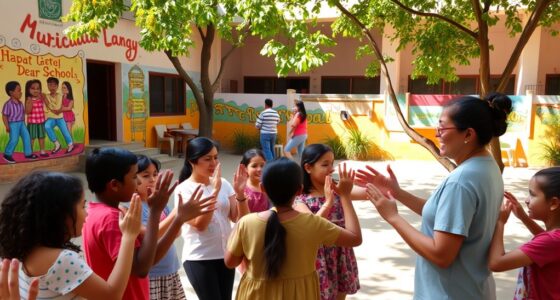
To build better access at school, you should focus on creating sensory-friendly environments, using textured materials, controlled lighting, and sound-dampening measures to minimize overwhelming stimuli. Develop personalized communication approaches with tactile sign language, braille, or devices like vibrating alerts. Collaborate with teachers, specialists, and family members to plan and adjust strategies regularly. By understanding individual sensory and communication needs, you can foster a more inclusive space where you feel comfortable and supported—if you explore further, you’ll discover more ways to succeed.

Get everyday helpers delivered free with Prime
- Fast, free delivery on millions of items
- Prime Video, Amazon Music and more included
- Member-only deals all year
Key Takeaways
- Collaborate with educators and specialists to develop personalized sensory and communication strategies tailored to each student.
- Use tactile signs, braille, and tactile symbols to facilitate effective communication and independence.
- Create sensory-friendly environments with controlled lighting, textured materials, and sound dampening to reduce overwhelm.
- Train staff regularly on sensory processing, communication methods, and student cues to enhance support.
- Involve students and families in planning to ensure environments and resources meet their specific accessibility needs.

Ensuring access for DeafBlind students at school requires intentional planning and specialized support. These students often face unique challenges that demand thoughtful approaches to their learning environment. One of the most important aspects is understanding sensory integration — how their senses work together to process information. DeafBlind students may have heightened sensitivities or reduced awareness in certain sensory areas, so creating a space that minimizes overwhelming stimuli while providing meaningful sensory input is essential. For example, using textured materials, controlled lighting, and sound-dampening measures can help them feel comfortable and engaged. You should also consider integrating sensory activities that stimulate multiple senses in a balanced way, helping students develop better sensory processing and focus. Additionally, incorporating sensory-friendly environments can significantly improve their comfort and participation in daily activities. Creating a calm and predictable setting can also reduce anxiety and support better focus. Incorporating sensory processing strategies tailored to individual needs can further enhance their ability to navigate and engage with their surroundings effectively. Understanding **sensory integration** is fundamental to designing effective support strategies, as it influences how students perceive and respond to their environment. Recognizing the importance of individual sensory profiles allows educators to better tailor interventions and accommodations to each student’s specific needs. Communication methods play a key role in guaranteeing DeafBlind students can access the curriculum and interact effectively. Since traditional visual or auditory communication might not be effective, exploring alternative methods is necessary. Tactile sign language, braille, and tactile symbols become invaluable tools for these students. You can work with specialists to teach and incorporate these methods into daily routines. It’s also important to develop personalized communication plans that fit each student’s needs, preferences, and abilities. Using devices like refreshable braille displays or vibrating alert systems can enhance communication and independence. The key is to create an environment where students feel comfortable expressing themselves and receiving information, regardless of their sensory limitations. Involving students in the planning process ensures their preferences and insights are valued, leading to better-tailored support strategies. In addition to providing appropriate communication methods, you should foster a collaborative approach involving educators, specialists, and family members. This team can develop tailored strategies that address sensory integration challenges and reinforce effective communication. Regular training for staff on how to implement these methods and adapt the environment guarantees consistency and responsiveness. Building strong relationships with DeafBlind students helps you understand their cues, preferences, and comfort levels, enabling you to adjust support as needed. Finally, accessibility isn’t just about physical accommodations but also about creating an inclusive atmosphere where students feel valued and understood. Incorporating their input into planning and decision-making, and advocating for resources that support their sensory and communication needs, are vital steps toward inclusive education. This proactive, informed approach guarantees DeafBlind students can access education fully, participate actively, and reach their potential. By prioritizing sensory integration and versatile communication methods, you pave the way for a more equitable and empowering educational experience.
Frequently Asked Questions
How Can Teachers Effectively Communicate With Deafblind Students?
You can effectively communicate with deafblind students by using tactile communication methods like hand-over-hand or tactile sign language. Incorporate sensory integration techniques to help them process information comfortably. Always pay close attention to their responses, adapt your approach as needed, and create a calm, predictable environment. This guarantees they feel supported and engaged, enabling better understanding and connection through direct, respectful tactile interactions.
What Specific Technologies Assist Deafblind Students in the Classroom?
You can support deafblind students using specific technologies like tactile signage and assistive devices. Tactile signage provides essential information through touch, helping students navigate and understand their environment. Assistive devices, such as vibrating alert systems or Braille displays, facilitate communication and learning. By incorporating these tools into the classroom, you create a more accessible space, empowering students to participate actively and independently in their education.
How Do Schools Train Staff to Support Deafblind Students?
Schools train staff through extensive workshops focused on sensory integration and advocacy training. You’ll learn how to interpret sensory cues and adapt your interactions to meet deafblind students’ needs. Staff also practice effective communication techniques, ensuring students feel supported and understood. By emphasizing ongoing professional development, schools empower staff to create inclusive environments where deafblind students can thrive and access learning fully.
What Are the Best Practices for Inclusive Classroom Design?
You can create an inclusive classroom by prioritizing sensory integration and environmental adjustments, which often coincide with fostering comfort and accessibility. Use varied textures, lighting, and sound controls to support diverse sensory needs. Incorporate flexible furniture and visual cues to enhance navigation. By aligning sensory-friendly design with practical modifications, you empower deafblind students to engage actively and comfortably, making the learning environment truly accessible and responsive to all learners’ needs.
How Can Peers Be Encouraged to Support Deafblind Classmates?
You can encourage peers to support deafblind classmates through peer mentorship programs, fostering empathy and understanding. Promote activities that emphasize sensory integration, helping classmates better grasp sensory challenges. Encourage open conversations about deafblind students’ needs, and create opportunities for peers to assist with communication or navigation. By actively involving students and emphasizing teamwork, you build a more inclusive environment where everyone feels valued and supported.
Conclusion
Think of creating access for DeafBlind students like tending a delicate garden. With patience and care, you plant the seeds of understanding, water them with empathy, and nurture their growth through tailored support. As the sun shines on this garden, it blossoms into a vibrant space where every student can thrive. Your efforts transform barriers into bridges, making the school a lush, inclusive landscape where all can flourish together.
Halloween Picks
halloween
As an affiliate, we earn on qualifying purchases.