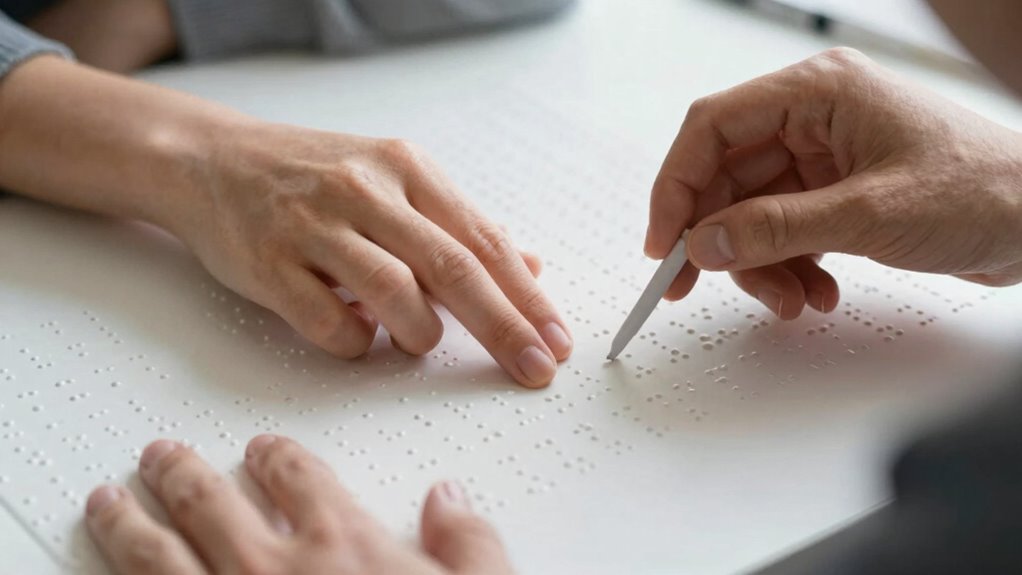

Understanding and respecting communication preferences is essential when supporting DeafBlind individuals. When you acknowledge how they prefer to connect—whether through tactile signing, Braille, or assistive tech—you build trust and foster independence. Personalized approaches show you value their identity and promote comfort. Paying attention to their cues and emotional needs strengthens your bond and improves support. If you keep exploring, you’ll discover more ways to provide meaningful, respectful communication that truly makes a difference.

Get everyday helpers delivered free with Prime
- Fast, free delivery on millions of items
- Prime Video, Amazon Music and more included
- Member-only deals all year
Key Takeaways
- Respecting preferences ensures effective, personalized communication that promotes understanding and autonomy.
- Tailoring methods builds trust and strengthens emotional connections between support providers and DeafBlind individuals.
- Recognizing preferences enhances independence and emotional well-being by enabling comfortable self-expression.
- Using appropriate assistive technologies and methods demonstrates commitment to accessibility and inclusion.
- Understanding individual communication needs prevents frustration and fosters a respectful, supportive environment.
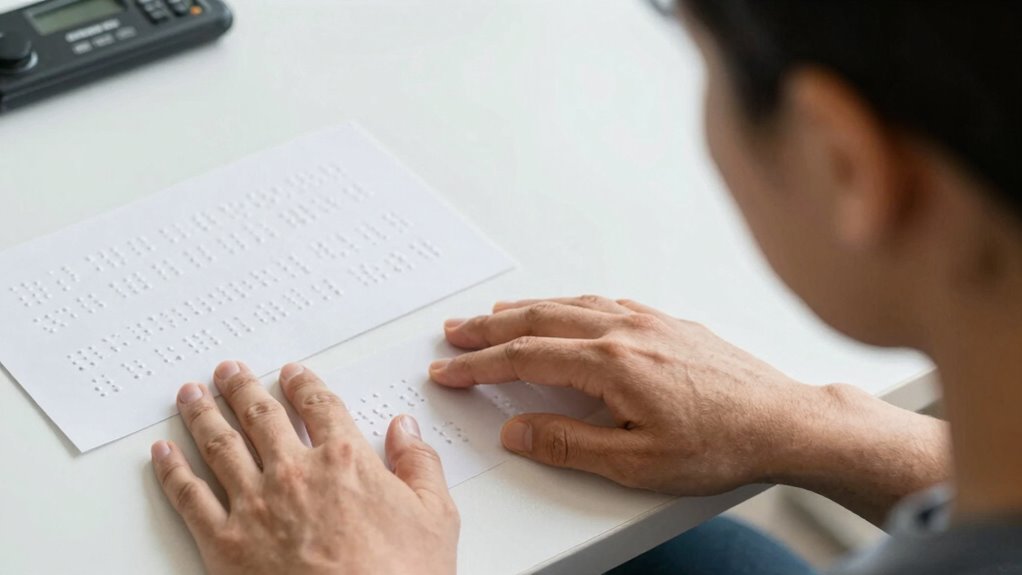
Effective communication is essential in supporting DeafBlind individuals, as it helps build trust and guarantees their needs are understood. When you recognize and respect their communication preferences, you create a foundation for meaningful interactions. Every person’s preferred method of communication varies—some might rely on tactile signing, while others may prefer braille, large print, or assistive technology tools. Understanding and accommodating these preferences isn’t just about convenience; it’s about empowering them to express themselves fully and comfortably. By doing so, you foster a sense of independence and confidence, which are critical for their emotional well-being. Recognizing and adapting to communication preferences demonstrates your commitment to their dignity and autonomy. Assistive technology plays a pivotal role in bridging communication gaps for DeafBlind individuals. Devices like refreshable braille displays, vibrating alert systems, or tactile smartphones can transform how they access information and connect with others. When you integrate these tools into your support, you’re not only facilitating communication but also demonstrating your commitment to meeting their unique needs. Using assistive technology effectively requires patience and a willingness to learn, but it greatly enhances the quality of interaction. It also shows that you respect their choices and are dedicated to creating an inclusive environment where they can thrive. Building an emotional connection is equally important as understanding their technical preferences. When you pay attention to their cues—be it a touch, a sign, or a facial expression—you communicate that you genuinely care. This emotional connection helps them feel safe, valued, and understood, which can be especially meaningful given the potential feelings of isolation or frustration they might experience. Understanding different communication methods is crucial for developing effective support strategies. By actively listening and engaging in their preferred mode of communication, you foster trust and mutual respect. This rapport encourages them to share more openly and confidently, making your support more effective and personalized. Additionally, recognizing the importance of accessible communication ensures that support strategies are inclusive and effective for each individual. Recognizing the significance of assistive technology in enhancing communication can motivate support providers to seek ongoing training and familiarity with new tools. Ultimately, recognizing why communication preferences matter goes beyond just the mechanics of interaction. It’s about honoring their identity, their autonomy, and their right to communicate in ways that resonate with them. When you adapt your approach to respect these preferences, you’re not simply assisting—they feel truly seen and heard. This respect and understanding lay the groundwork for a partnership rooted in trust, emotional connection, and shared understanding. In supporting DeafBlind individuals, prioritizing their communication preferences and assistive tools isn’t just a best practice—it’s an essential step toward empowering them to live fully and independently.
As an affiliate, we earn on qualifying purchases.
Frequently Asked Questions
How Do You Determine an Individual’s Preferred Communication Method?
You determine an individual’s preferred communication method by asking directly and observing their responses. You might inquire if they prefer sign language, tactile methods, or other options. Pay attention to their comfort levels and how they communicate best. Some may favor sign language, while others prefer tactile methods like touch-based signing. Respect their choice, and adapt your approach accordingly to guarantee effective and respectful communication tailored to their needs.
Can Communication Preferences Change Over Time?
Preferences can definitely develop and change over time. You might discover new ways to connect or find that non-verbal cues and emotional cues shift as comfort levels grow. As you gain experience, your communication needs evolve, requiring ongoing openness to new methods. Staying attentive to these subtle signals helps you adapt, ensuring you continue to support effectively and empathetically, fostering trust and understanding in your interactions.
What Training Is Available for Support Providers?
You can access various training options for support providers, including courses in sign language and tactile methods. These programs teach essential skills to communicate effectively with DeafBlind individuals. Many organizations offer workshops, online modules, and hands-on training focused on tactile sign language, braille, and other adaptive techniques. Investing in this training helps support providers better understand and respect individual communication preferences, ensuring more effective and respectful support.
How Do Cultural Differences Influence Communication Preferences?
Cultural nuances and language barriers greatly influence your communication preferences with DeafBlind individuals. You need to be aware of different cultural norms around eye contact, touch, and formality, which shape how they prefer to communicate. Recognizing these differences helps you adapt your approach, making interactions respectful and effective. By understanding diverse cultural backgrounds, you guarantee support is personalized, fostering trust and clearer communication in your support efforts.
What Technology Options Support Diverse Communication Needs?
Imagine a world where tech fails you—sounds fun, right? Luckily, assistive devices like tactile devices, braille displays, and hearing aids support diverse communication needs. Communication strategies such as sign language, tactile signing, and text-based tools empower DeafBlind individuals. These options guarantee you stay connected, no matter your preferences. Embracing this tech diversity means supporting everyone’s unique needs—because who doesn’t love a little extra help to stay in the loop?
Conclusion
So, next time you think communication doesn’t matter much, remember that for deafblind individuals, it’s everything. Ironically, what’s simple for you might be a lifeline for them. Ignoring preferences isn’t just inconsiderate—it can cut someone off from connection, understanding, and independence. So, prioritize those preferences; it’s a small act that speaks volumes. Because in deafblind support, the real communication is understanding that everyone’s voice—and method—deserves to be heard.
Columbus Day / Indigenous Peoples' Day Picks
long weekend sales
As an affiliate, we earn on qualifying purchases.