

As a deafblind person, you work harder to process limited sensory input, which can cause deeper, more persistent fatigue. Effort is needed for navigation, interpretation, and communication, often using tactile methods that demand focus and patience. Sensory overload and constant mental effort quickly drain your energy, making rest less effective. This kind of exhaustion affects both your body and mind, and understanding why helps you manage it better—if you keep exploring, you’ll discover more about the experience.

Get everyday helpers delivered free — and shop member deals
- Fast, free delivery on millions of items
- Access to Prime Big Deal Days deals on October 6–7
- Prime Video, Amazon Music and more included
Key Takeaways
- Deafblind individuals experience deeper, more persistent fatigue due to continuous mental effort to interpret limited sensory input.
- Sensory overload from constant signals depletes mental energy faster than typical tiredness.
- Effortful communication methods, like tactile signing or Braille, increase cognitive and physical exhaustion.
- The need to compensate for missing sensory cues heightens mental strain, leading to unique fatigue patterns.
- Rest may not fully restore energy, as ongoing mental and sensory processing continues to drain resources.
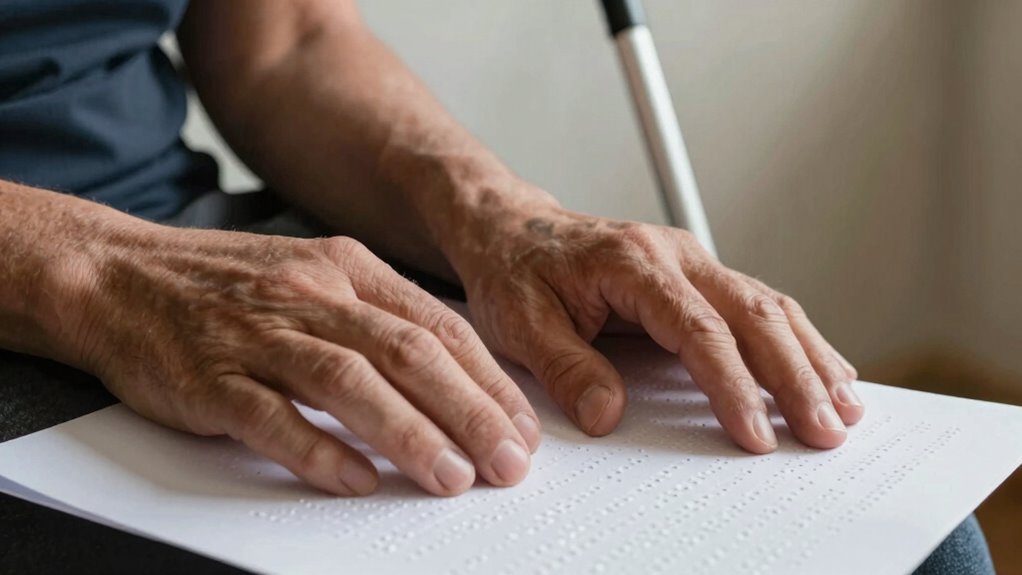
Deafblind people often experience exhaustion that goes beyond general tiredness, as orienteering the world requires constant effort and heightened awareness. Every day, you navigate a complex landscape of sensory input, which can quickly become overwhelming. Sensory overload is a common challenge, as your senses are constantly bombarded by signals that most people filter out or ignore. Without clear auditory or visual cues, your brain works overtime to interpret what little information you can access, leading to mental fatigue that’s deeper and more persistent than typical tiredness. This sensory processing demands significant mental energy, making fatigue even more pronounced. When sensory input is limited or unpredictable, your brain must work harder to fill in the gaps, increasing the mental effort required. This constant processing can drain your energy quickly, making even simple tasks feel exhausting. Recognizing how sensory input impacts fatigue can help in developing strategies to reduce unnecessary strain. Communication barriers add another layer of fatigue. When you can’t rely on spoken words or visual cues, you often have to put significant effort into establishing effective ways to connect with others. Whether you use tactile signing, Braille, or other alternative methods, the process demands focus and patience. Each interaction becomes a deliberate act of decoding or conveying meaning, which is inherently more taxing than natural, effortless conversations. The effort to bridge these communication gaps leaves you physically and mentally drained, especially in unfamiliar or noisy environments where establishing understanding is even more difficult.
The combination of sensory overload and communication barriers doesn’t just cause momentary tiredness; it leads to a persistent state of exhaustion. You might find yourself feeling drained after a short outing or a brief social interaction, even if it seemed simple from an outside perspective. This fatigue accumulates because your brain is constantly working to compensate for the lack of typical inputs, trying to fill in gaps and make sense of your surroundings. Research on sensory processing shows how heightened mental effort can significantly increase fatigue levels, highlighting the importance of tailored support and strategies. Over time, this can affect your overall well-being, making it challenging to engage in daily activities or maintain social connections.
Your body also responds to this heightened mental effort. You may notice muscle tension, headaches, or feelings of irritability as signs of the toll taken by your daily experiences. Resting might not fully restore your energy because the root cause isn’t just physical tiredness but the ongoing mental effort required to navigate a world not designed for your needs. Understanding this difference is vital because it highlights why your fatigue can be more intense and long-lasting than what others expect.
In essence, your fatigue isn’t just about feeling sleepy; it’s about the relentless demand on your senses and communication skills. Recognizing these unique challenges helps explain why you need different approaches to rest and recovery compared to those without sensory or communication barriers. Your exhaustion is a reflection of the extraordinary effort you put into engaging with the world each day.
Tactile signing communication device
As an affiliate, we earn on qualifying purchases.
As an affiliate, we earn on qualifying purchases.
Frequently Asked Questions
How Do Deafblind Individuals Communicate Their Fatigue?
You might notice deafblind individuals communicate their fatigue through signs, gestures, or tactile cues like tapping or specific touch signals. They often experience sensory overload and emotional exhaustion, making it harder to express tiredness verbally. By observing their changes in behavior, such as reduced responsiveness or increased need for rest, you can understand when they’re overwhelmed and need a break. Clear, respectful communication helps them share their fatigue effectively.
What Specific Daily Activities Increase Fatigue for Deafblind People?
Daily activities like steering unfamiliar environments or engaging in social interactions can increase fatigue for you, especially when experiencing sensory overload. These tasks demand extra mental effort to process information through limited or different senses, leading to physical exhaustion. Even simple activities, such as reading tactile or visual cues, can be draining. Managing sensory input and ensuring adequate breaks are essential to prevent overwhelming fatigue throughout your day.
Are There Specialized Tools to Help Manage Deafblind Fatigue?
Yes, there are specialized tools to help manage deafblind fatigue. Assistive technology like tactile communication devices and vibrating alerts can reduce sensory overload, making daily tasks easier. Combining these with relaxation techniques, such as deep pressure therapy or mindfulness exercises, helps restore energy. Using these tools and methods regularly can markedly decrease fatigue, allowing you to maintain better energy levels and independence throughout your day.
How Does Social Interaction Impact Fatigue Levels in Deafblind Individuals?
Like a storm gathering strength, social interactions can heighten your fatigue levels. Sensory overload from conversations or crowded settings can drain you quickly, leading to emotional exhaustion. You might feel like you’re fighting an uphill battle, where each interaction saps your energy more than it energizes you. Recognizing this, you can take steps to manage your social environment, preserving your energy and reducing that overwhelming sense of fatigue.
What Signs Indicate Deafblind Fatigue Before It Worsens?
You might notice signs of deafblind fatigue early, like increased sensory overload or emotional exhaustion. You could feel more irritable, have trouble concentrating, or experience heightened sensitivity to stimuli. Physical signs may include tiredness or muscle strain. Recognizing these cues early helps you take breaks or switch activities before fatigue worsens, ensuring you manage your energy levels and maintain your well-being effectively.
Conclusion
Understanding fatigue for DeafBlind people reveals it’s not just about tired muscles but a complex web of sensory overload and communication challenges. You might find yourself running on empty faster than others, feeling drained from constant effort. Remember, it’s a different ball game, and what wears one person out might not affect another the same way. Recognize these struggles and offer support—because in this case, it’s better to be safe than sorry when the going gets tough.
Halloween Picks
halloween
As an affiliate, we earn on qualifying purchases.