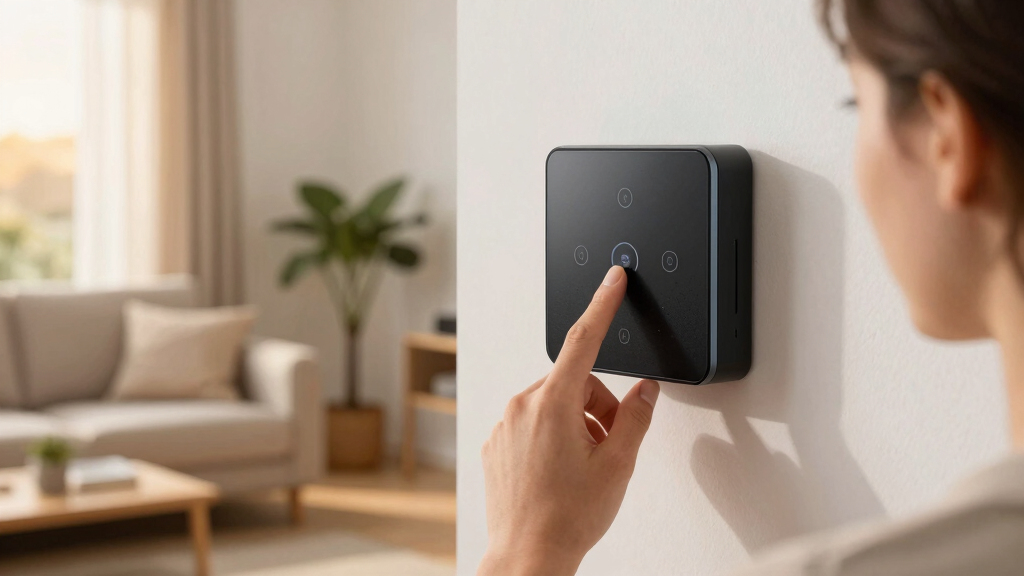

Smart home automation hubs serve as the central control point for connecting and managing various smart devices across your home. The best options offer multi-protocol support, seamless integration, and reliable performance, but tradeoffs often involve complexity, cost, and compatibility. The Amazon Echo Hub stands out for its user-friendly interface and deep Alexa integration, making it ideal for beginners. The Hubitat Elevation C-8 Pro offers robust local control and advanced customization for tech-savvy users, though it may require a steeper learning curve. Continue reading for a detailed breakdown of the top contenders and how they match different needs.
Key Takeaways
- Multi-protocol support (Zigbee, Z-Wave, Matter) is essential for broad device compatibility.
- Local control options enhance privacy and reduce latency, especially for advanced users.
- User interface and app ecosystem significantly impact ease of use for beginners.
- Premium hubs tend to support more protocols and integrations but come at a higher price.
- Compatibility with voice assistants like Alexa, Google, and Siri remains a key decision factor.
| Aqara Smart Hub M200 – Multi-Protocol Matter Controller with Thread, Zigbee, and PoE Support |  | Best Overall for Versatile Multi-Protocol Support | Dimensions: 3.94 x 3.94 x 1.22 inches | Weight: 4.6 ounces | Supported Protocols: Matter, Thread, Zigbee 3.0, Bluetooth LE, Wi-Fi (2.4/5 GHz), IR | VIEW LATEST PRICE | See Our Full Breakdown |
| Hubitat Elevation C-8 Pro Smart Home Hub with Matter 1.5, Z-Wave 800 LR, Zigbee 3.0 & Bluetooth – Local Control | 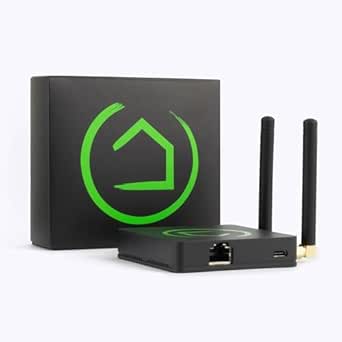 | Best for Power Users Who Need Local Control and Extensive Protocol Support | Supported Protocols: Matter 1.5, Z-Wave 800 LR, Zigbee 3.0, Bluetooth | Compatibility: Ring, Alexa, Apple HomeKit, Google Home | Control Type: Local (No Cloud) | VIEW LATEST PRICE | See Our Full Breakdown |
| Aqara Smart Hub M100 – Multi-Protocol Home Automation Controller |  | Best for Compact Multi-Protocol Support at a Budget | Max Zigbee Devices: 20 | Max Thread Devices: 20 | Wi-Fi: Wi-Fi 6 (WPA3) | VIEW LATEST PRICE | See Our Full Breakdown |
| Amazon Echo Hub, 8” Smart Home Control Panel for Alexa |  | Best for Alexa-Centric Homes with Visual Control | Display: 8” touch screen (1280 x 800) | Compatibility: WiFi, Bluetooth LE, Zigbee, Thread, Matter | Power Supply: 12.5W adapter with 6 ft cord | VIEW LATEST PRICE | See Our Full Breakdown |
| Aqara Smart Home Hub M3 – Multi-Protocol Matter Controller with Thread, Zigbee, and Wi-Fi |  | Best for Cross-Platform Compatibility and Security | Max Zigbee Devices: 127 | Max Thread Devices: 127 | Security: WPA3 encryption | VIEW LATEST PRICE | See Our Full Breakdown |
| Homey Pro Smart Hub for Home Automation with Z-Wave Plus, Zigbee, Wi-Fi, BLE, Infrared, Matter & Thread |  | Best Overall for Advanced, Multi-Protocol Ecosystems | Supported Technologies: Wi-Fi, Zigbee, Z-Wave Plus, BLE, Infrared, Matter, Thread | Device Compatibility: 50,000+ products from 1,000+ brands | RAM: Double the RAM of previous version | VIEW LATEST PRICE | See Our Full Breakdown |
| Aeotec Smart Home Hub with Z-Wave, Zigbee, and Matter Compatibility for Alexa & Google Assistant |  | Best Value for Wide Compatibility and Easy Setup | Connectivity Technology: Ethernet, Wi-Fi, Z-Wave, Zigbee, Matter | Control Methods: App (SmartThings), Voice (Alexa/Google Assistant) | Weight: 1.1 Pounds | VIEW LATEST PRICE | See Our Full Breakdown |
| Home Assistant Green Smart Home Hub |  | Best for Privacy-Conscious Tech Enthusiasts | Processor: Quad-core | Storage: 32GB | RAM: 4GB | VIEW LATEST PRICE | See Our Full Breakdown |
| Amazon Echo Hub 8” Smart Home Control Panel for Alexa+ | 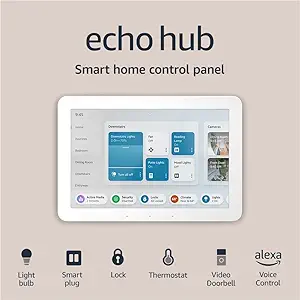 | Best for Centralized Control with Visual Dashboard | Display: 8” touch screen (1280 x 800) | Power Requirements: USB-C PD (5V/2.4A, 9V/3A) | Connectivity: WiFi, Bluetooth, Zigbee, Matter, Sidewalk, Thread | VIEW LATEST PRICE | See Our Full Breakdown |
More Details on Our Top Picks
Aqara Smart Hub M200 – Multi-Protocol Matter Controller with Thread, Zigbee, and PoE Support
The Aqara Smart Hub M200 stands out for its comprehensive support of Matter, Zigbee, and Thread, making it ideal for users seeking broad compatibility. Unlike the Hubitat Elevation C-8 Pro, it emphasizes local automation with a focus on multi-protocol support, though it caps device support at 40 for Zigbee and Thread each. The inclusion of PoE provides a wired, reliable connection, which is a significant advantage over hubs relying solely on Wi-Fi. However, the absence of third-party Zigbee device compatibility and some cloud-dependent features can limit flexibility. This hub is particularly suited for advanced users wanting a multi-protocol, reliable local control with integrated IR capabilities, but less so for those needing extensive third-party device support or larger networks.
Pros:- Supports Matter, Zigbee, Thread, and Wi-Fi for broad device compatibility
- Local automation ensures privacy and reliability without cloud dependency
- PoE support provides stable, wired network connection
- Built-in IR blaster adds traditional remote control functionality
Cons:- Limited to 40 Zigbee and Thread devices each, restricting network size
- No compatibility with third-party Zigbee devices outside Aqara ecosystem
- Some features require cloud connection, reducing offline capabilities
Best for: Tech-savvy homeowners seeking a versatile, multi-protocol hub with reliable local automation and PoE connectivity.
Not ideal for: Beginners or users with many third-party Zigbee devices, as it supports only Aqara Zigbee devices and has device caps.
- Dimensions:3.94 x 3.94 x 1.22 inches
- Weight:4.6 ounces
- Supported Protocols:Matter, Thread, Zigbee 3.0, Bluetooth LE, Wi-Fi (2.4/5 GHz), IR
- Max Devices:Up to 40 Zigbee devices + 40 Thread devices
Bottom line: This hub is best suited for users who want a reliable, multi-protocol controller with local automation and PoE support, but it’s less ideal for large or diverse device networks.
Hubitat Elevation C-8 Pro Smart Home Hub with Matter 1.5, Z-Wave 800 LR, Zigbee 3.0 & Bluetooth – Local Control
The Hubitat Elevation C-8 Pro excels at offering local control for large, complex smart home setups, supporting Matter 1.5, Z-Wave 800 LR, Zigbee 3.0, and Bluetooth. Unlike Aqara hubs, it operates entirely offline, making it perfect for users prioritizing privacy and stability. Its high-performance antennas facilitate strong signals across big homes, and it supports over 1,000 devices, surpassing most hubs in scalability. However, initial setup can be challenging for beginners, and automatic updates may cause delays. This hub is ideal for tech-savvy homeowners who want extensive protocol support and local automation without relying on cloud services, but it may be overkill for casual users or small networks.
Pros:- Operates fully locally without internet dependency for enhanced privacy
- Supports multiple protocols including Matter, Z-Wave 800 LR, Zigbee 3.0, and Bluetooth
- High-performance external antennas for strong, wide coverage
- Supports over 1,000 devices across various ecosystems
Cons:- Complex initial setup may be daunting for newcomers
- Automatic updates and reboots can interrupt automation workflows
- Lacks integrated voice control or display
Best for: Power users managing large, complex smart homes who require robust local automation and broad protocol compatibility.
Not ideal for: Beginners or those preferring plug-and-play solutions, due to complex setup and configuration.
- Supported Protocols:Matter 1.5, Z-Wave 800 LR, Zigbee 3.0, Bluetooth
- Compatibility:Ring, Alexa, Apple HomeKit, Google Home
- Control Type:Local (No Cloud)
- Antenna Type:High-performance external antennas
Bottom line: This hub is perfect for tech-savvy users seeking a powerful, local control device capable of managing large networks with multiple protocols.
Aqara Smart Hub M100 – Multi-Protocol Home Automation Controller
The Aqara Smart Hub M100 offers a compact, affordable solution for integrating Aqara Zigbee and Thread devices, serving as a Matter bridge. Compared to larger hubs like the M200, it’s limited in device capacity, supporting only 20 Zigbee and 20 Thread devices, but this makes it ideal for smaller homes or focused setups. Its Wi-Fi 6 with WPA3 security ensures fast, secure local connections, yet it requires a specific 5V power adapter not included. While it’s excellent for seamless local automation within the Aqara ecosystem, its device support limits flexibility, and placement within 6-19 feet of the router is necessary for optimal performance.
Pros:- Supports Matter, Zigbee, Thread, and Wi-Fi 6 for future-proof compatibility
- Local automation maintains privacy and reduces latency
- Wi-Fi 6 with WPA3 security for fast, secure network connections
- Flexible power options via USB-A port
Cons:- Limited to 20 devices per protocol, restricting expansion
- Requires specific 5V power adapter (not included)
- Placement constraints due to Wi-Fi range sensitivity
Best for: Small households or users with Aqara Zigbee/Thread devices seeking a reliable, local automation hub without complexity.
Not ideal for: Users with large or diverse device networks, or those needing extensive third-party device integration.
- Max Zigbee Devices:20
- Max Thread Devices:20
- Wi-Fi:Wi-Fi 6 (WPA3)
- Power Input:5V⎓0.5A (USB-A, not included)
- Coverage Area:1,500-2,000 sq ft
Bottom line: Ideal for small-scale Aqara users wanting a compact, secure, and reliable local hub, but not suitable for large or highly diverse setups.
Amazon Echo Hub, 8” Smart Home Control Panel for Alexa
The Amazon Echo Hub provides a sleek, touchscreen control panel optimized for Alexa users, combining voice and visual control of smart devices. Unlike dedicated hubs like the Aqara M200 or Hubitat, it emphasizes user-friendly interaction with thousands of Alexa-compatible devices, along with built-in support for Zigbee, Matter, WiFi, and Bluetooth. Its 8” display makes managing your smart home more accessible, especially for users who prefer visual interfaces over apps. However, wall mounting requires a drill, and the device isn’t portable, limiting flexibility. It’s a solid choice for households deeply integrated with Alexa, offering convenience and a centralized control point but less suitable for those seeking extensive protocol support or local automation without cloud reliance.
Pros:- Controls thousands of Alexa-compatible smart home devices
- Includes privacy controls like mic off button
- Supports multiple protocols including Zigbee, Matter, WiFi, and Bluetooth
- Large 8” touchscreen enhances ease of use
Cons:- Requires wall mounting with a drill, reducing portability
- Additional accessories like stand or PoE adapter sold separately
- Fixed location limits flexibility for mobile control
Best for: Homeowners heavily invested in Alexa and desiring a dedicated, visually accessible smart home control panel.
Not ideal for: Users seeking extensive protocol support outside of Alexa ecosystem or those preferring portable, mobile solutions.
- Display:8” touch screen (1280 x 800)
- Compatibility:WiFi, Bluetooth LE, Zigbee, Thread, Matter
- Power Supply:12.5W adapter with 6 ft cord
- Mounting Options:Wall mount or table-top stand
Bottom line: This control panel is perfect for Alexa-centric households wanting a large, dedicated screen to manage their smart home, but not ideal for those needing portable or multi-protocol hubs.
Aqara Smart Home Hub M3 – Multi-Protocol Matter Controller with Thread, Zigbee, and Wi-Fi
The Aqara Smart Home Hub M3 offers a balanced mix of protocols including Matter, Thread, Zigbee, Bluetooth, and Wi-Fi, making it ideal for users seeking broad device compatibility. Its encrypted local storage and WPA3 security enhance privacy and network security, while the IR blaster adds traditional remote control capabilities. Compared to the M100, the M3 supports up to 127 Zigbee and Thread devices, making it more suitable for larger or more diverse networks. However, the shorter 12-month warranty and the need for an included USB-C power supply can be drawbacks. It’s an excellent choice for users wanting a secure, multi-protocol hub with extensive local automation, but less so for those needing third-party Zigbee support beyond Aqara’s ecosystem.
Pros:- Supports Matter, Thread, Zigbee, Bluetooth, Wi-Fi, and IR for broad compatibility
- Encrypted local storage and WPA3 security protect data and networks
- IR blaster with feedback for traditional remote control
- Dual-band Wi-Fi and PoE for stable, flexible connectivity
Cons:- Shorter 12-month warranty compared to industry standards
- Limited to Aqara Zigbee devices, restricting third-party integrations
- USB-C power adapter not included
Best for: Security-conscious users who want a versatile, multi-protocol hub supporting many devices with local automation.
Not ideal for: Users who prefer third-party Zigbee device compatibility outside Aqara’s ecosystem or require longer warranty coverage.
- Max Zigbee Devices:127
- Max Thread Devices:127
- Security:WPA3 encryption
- Ports:PoE, USB-C
- Supported Protocols:Matter, Thread, Zigbee 3.0, Bluetooth, Wi-Fi
Bottom line: This hub is suited for users prioritizing security and cross-platform compatibility within the Aqara ecosystem, but less ideal for expanding beyond it.
Homey Pro Smart Hub for Home Automation with Z-Wave Plus, Zigbee, Wi-Fi, BLE, Infrared, Matter & Thread
This option stands out for its ability to unify over 50,000 devices from more than 1,000 brands through seven different technologies, making it ideal for users with complex, multi-brand setups. Unlike the Aeotec Smart Home Hub, which primarily focuses on Z-Wave and Zigbee, the Homey Pro offers a broader protocol support including Infrared, Thread, and Matter, giving it an edge in versatility. The local-first processing ensures data privacy and quick response times, but the initial setup can be daunting for those unfamiliar with smart home ecosystems. Its extensive compatibility makes it suitable for tech-savvy users, though the complexity might be a barrier for beginners. The main tradeoff involves a steeper learning curve and less long-term reliability data due to its newer market entry.
Pros:- Supports seven smart home technologies in one hub
- Works with over 50,000 devices from major brands like Philips Hue and Sonos
- Local-first processing enhances privacy and response speed
Cons:- Setup can be complex and intimidating for beginners
- Limited long-term reliability data due to newer release
Best for: Tech enthusiasts managing large, multi-brand smart home setups needing broad protocol support
Not ideal for: Casual users or those seeking a plug-and-play experience without much customization
- Supported Technologies:Wi-Fi, Zigbee, Z-Wave Plus, BLE, Infrared, Matter, Thread
- Device Compatibility:50,000+ products from 1,000+ brands
- RAM:Double the RAM of previous version
Bottom line: This is best suited for users with advanced smart home needs who want maximum device compatibility and privacy control.
Aeotec Smart Home Hub with Z-Wave, Zigbee, and Matter Compatibility for Alexa & Google Assistant
Compared with the Homey Pro, the Aeotec Smart Home Hub offers a more streamlined, user-friendly experience, especially for those already invested in Z-Wave or Zigbee devices. Its support for Z-Wave Plus V3 and Matter broadens device options, but the limited Z-Wave support is a drawback if your ecosystem relies heavily on older Z-Wave versions. Its lightweight design and Wi-Fi or Ethernet setup make installation straightforward, yet the 1.1-pound weight suggests it might feel less robust. This hub makes the most sense for users wanting broad device support without the complexity of managing multiple protocols or advanced automation features.
Pros:- Wide compatibility with Z-Wave, Zigbee, Matter, and voice assistants
- Local automation processing for responsive control
- Simple setup via Wi-Fi or Ethernet
Cons:- Limited Z-Wave Plus support to the V3 model, restricting some device compatibility
- Weight may be bulkier compared to other hubs
Best for: Homeowners seeking an easy-to-set-up hub compatible with major voice assistants and multiple protocols
Not ideal for: Power users requiring extensive custom automation or a hub with multi-technology integration beyond Z-Wave and Zigbee
- Connectivity Technology:Ethernet, Wi-Fi, Z-Wave, Zigbee, Matter
- Control Methods:App (SmartThings), Voice (Alexa/Google Assistant)
- Weight:1.1 Pounds
Bottom line: Ideal for users who want reliable, straightforward device integration with minimal fuss and broad protocol support.
Home Assistant Green Smart Home Hub
Compared to the other hubs, the Home Assistant Green emphasizes local control and privacy, making it perfect for users who prefer to keep their automation data within their home network. Its compact, fanless design and low power consumption appeal to those seeking a discreet, energy-efficient device. However, reliance solely on Ethernet and the limited storage capacity can be restrictive for larger, more complex setups. The learning curve for advanced customization is steeper, but for users comfortable with Home Assistant’s ecosystem, this hub offers extensive automation possibilities. It makes the most sense for DIY enthusiasts and privacy-focused users who don’t mind a bit of setup complexity.
Pros:- Officially supported by Home Assistant developers
- Easy plug-and-play with included accessories
- Energy-efficient operation
Cons:- Requires Ethernet connection, no Wi-Fi option
- Limited storage for large automation systems
Best for: Tech-savvy users who prioritize local control, data privacy, and customization over plug-and-play convenience
Not ideal for: Casual users or those unfamiliar with home automation platforms requiring simple, quick setup
- Processor:Quad-core
- Storage:32GB
- RAM:4GB
- Power Consumption:a couple of watts
- Connectivity:Ethernet, USB (expandable with Z-Wave/Zigbee/Thread)
- Official Brand:Nabu Casa
Bottom line: Best suited for users who value privacy, customization, and are comfortable with a learning curve.
Amazon Echo Hub 8” Smart Home Control Panel for Alexa+
Compared to the other options, the Echo Hub excels in providing a visually intuitive interface with its 8-inch touchscreen, making device management more accessible. Its integration across multiple protocols—including Zigbee, Thread, and Wi-Fi—matches the versatility of the Homey Pro, but it is more streamlined for Alexa users. The need for additional accessories like a PoE adapter or wall mount may add to setup complexity, and without Bluetooth HFP support, voice calling features are limited. This device makes the most sense for users who want a centralized, touchscreen control panel with smart security features and existing Alexa ecosystem.
Pros:- Large, high-resolution touchscreen for easy control
- Compatible with thousands of devices via multiple protocols
- Integrated security controls for arming/disarming
Cons:- Requires additional accessories for full functionality
- Installation involves drilling for wall mounting
Best for: Homeowners seeking a dedicated, touchscreen dashboard for device management and security, especially within Alexa environments
Not ideal for: Users seeking a purely automation-focused hub or those who prefer no additional accessories for mounting
- Display:8” touch screen (1280 x 800)
- Power Requirements:USB-C PD (5V/2.4A, 9V/3A)
- Connectivity:WiFi, Bluetooth, Zigbee, Matter, Sidewalk, Thread
- Included Items:Echo Hub, power adapter, wall mount hardware
- Sensors:Passive infrared (PIR), ambient light sensor
Bottom line: Ideal for users wanting a centralized, visual control point with security and smart device management integrated into Alexa.
How We Picked
These smart home hubs were evaluated based on their protocol support, ease of setup, user interface, reliability, and expandability. I prioritized products that offer broad compatibility with popular smart device standards such as Zigbee, Z-Wave, and Matter, ensuring future-proofing as new devices emerge. Local control capabilities were a key factor for those who value privacy and faster response times. Cost was also considered in relation to features offered, helping to identify options that deliver the best value for different types of users. The ranking reflects a balance of performance, versatility, and user experience, with a focus on how well each hub meets the needs of both novice and advanced users.Factors to Consider When Choosing Smart Home Automation Hubs
Choosing the right smart home automation hub involves considering several key factors. Beyond protocol support and compatibility, you’ll want to assess ease of setup, user interface, and integration with your preferred voice assistant. Budget constraints and future expandability also play important roles. Making the wrong choice can lead to frustration, device incompatibility, or limited functionality, so understanding these factors helps ensure your investment pays off.Protocol Support and Compatibility
Look for a hub that supports multiple protocols like Zigbee, Z-Wave, and Matter to maximize device compatibility. Some hubs focus on specific standards, which may limit your options or require additional bridges. Consider your current device lineup and potential future purchases to avoid needing multiple hubs or complex setups. Compatibility with voice assistants like Alexa, Google Assistant, or Siri can also streamline your control options.
Local Control vs Cloud Dependency
Hubs with local control capabilities provide faster response times and greater privacy because they don’t rely solely on cloud services. This is especially important if you prioritize security or want your smart home to function during internet outages. However, cloud-dependent hubs might offer easier setup and broader integrations, so weigh your preferences for convenience versus control.
Ease of Use and User Interface
For beginners, an intuitive app and straightforward setup process are critical. Some hubs feature visual dashboards or dedicated control panels that simplify device management. Advanced users may prefer customizable interfaces and automation scripting. Consider your comfort level with technology and whether you want a plug-and-play solution or a platform that allows deep customization.
Cost and Expandability
Higher-priced hubs often support more protocols and integrations, but they may not be necessary for smaller setups. Think about your budget and whether the hub can grow with your needs by supporting additional devices or features later on. Free or lower-cost options might suffice initially but could limit future expansion or require supplementary hardware.
Integration with Voice Assistants
Seamless voice control can significantly enhance your smart home experience. Many hubs integrate with Alexa, Google, or Siri, but the depth of control varies. Check whether the hub offers native support or requires third-party integrations, which can affect setup complexity and reliability. A hub with robust voice assistant compatibility can simplify automation and daily control tasks.
Frequently Asked Questions
Can I use multiple hubs in my smart home setup?
Yes, many smart homes utilize multiple hubs to cover different protocols or zones within the house. However, this can increase complexity and cost, and sometimes lead to compatibility issues. Some hubs now support multiple protocols, reducing the need for additional hardware. Always consider whether a single, versatile hub can meet your needs before adding multiple units.
Is local control more secure than cloud-based control?
Local control generally provides greater privacy and faster response times since commands don’t have to travel to cloud servers. It also reduces dependency on internet connectivity, which can be critical during outages. That said, cloud-based hubs may offer easier setup, automatic updates, and broader device support, so consider your comfort with security and convenience when choosing.
How important is protocol support for future device compatibility?
Supporting multiple protocols like Zigbee, Z-Wave, and Matter can significantly extend the lifespan of your smart home setup by allowing new devices to be added without replacing the hub. It also prevents vendor lock-in and provides flexibility in choosing devices. If you plan to expand your system, prioritize hubs with broad protocol support to avoid future limitations.
Are more expensive hubs worth the extra investment?
Higher-cost hubs often offer more protocols, better build quality, and advanced features like local control or automation scripting. They tend to be more future-proof and reliable for complex setups. However, if your needs are simple, a lower-cost or more basic hub might suffice. Evaluate your current and future requirements to determine if the investment aligns with your goals.
Should I prioritize compatibility with my voice assistant?
Compatibility with your preferred voice assistant can simplify daily interactions and automate tasks. Some hubs natively integrate with Alexa or Google, providing more reliable and feature-rich control. If voice control is a priority, check that the hub supports your chosen assistant fully and offers the automation capabilities you desire.
Conclusion
For most users, the Amazon Echo Hub offers an excellent balance of ease of use, integration, and affordability, making it the best overall choice. Those seeking a highly customizable and local-control-centric system should consider the Hubitat Elevation C-8 Pro. If you want a premium, future-proof setup with extensive protocol support, the Homey Pro stands out. Beginners or casual users will find the Amazon Echo Hub 8” straightforward, while advanced users aiming for maximum control should look at options like the Aqara M200 or Home Assistant Green. Select based on your current setup, future plans, and comfort with technology to ensure a satisfying smart home experience.