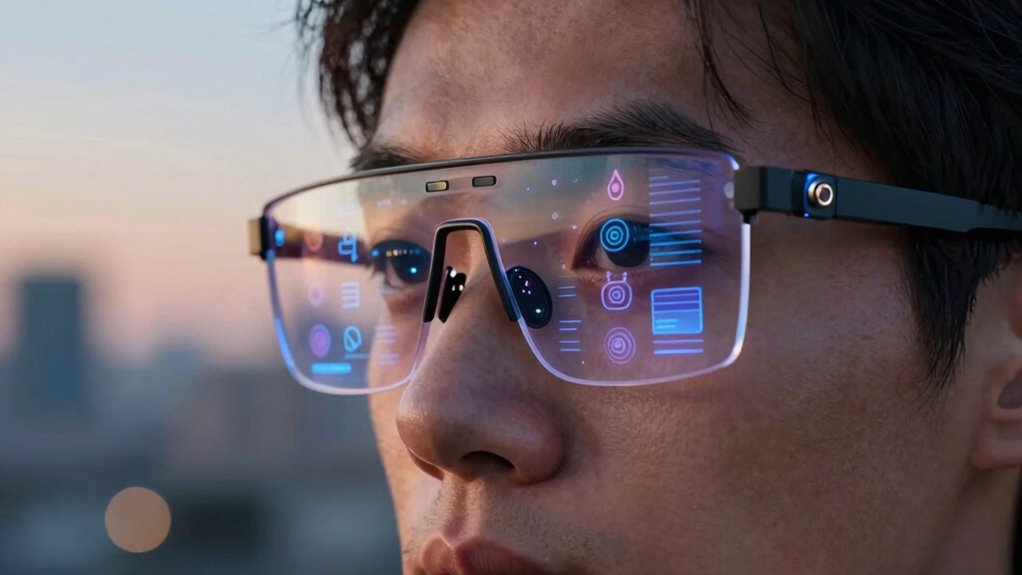

AI glasses can improve your daily activities by providing real-time information and enhanced navigation. However, they still face limitations like difficulty seamlessly blending digital and real-world visuals, privacy concerns from continuous data collection, and bulky, uncomfortable designs. Battery life and high costs also restrict their everyday use. Although advancements are ongoing, understanding these challenges can help you see how future improvements could make AI glasses more practical and trustworthy—if you keep exploring, you’ll learn more about their potential.

Get everyday helpers delivered free with Prime
- Fast, free delivery on millions of items
- Prime Video, Amazon Music and more included
- Member-only deals all year
Key Takeaways
- AI glasses enhance real-time information access but still struggle with accurate object recognition and seamless digital-physical integration.
- Privacy concerns and data security issues hinder user trust and raise ethical questions about continuous monitoring.
- Wearability challenges, such as bulkiness and limited battery life, affect comfort and practicality for everyday use.
- High costs and technical complexity restrict accessibility, delaying widespread adoption beyond early adopters.
- Ongoing technological advancements are necessary to improve reliability, aesthetics, and affordability for mainstream adoption.
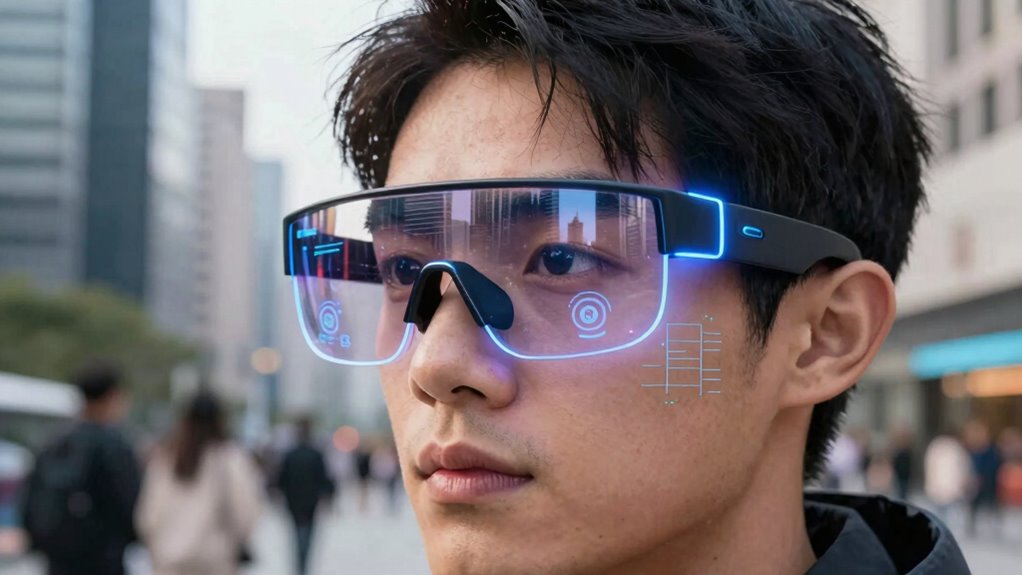
While AI glasses promise to revolutionize how you interact with technology, they still face significant limitations that hinder their widespread adoption. One of the biggest appeals of these devices is their ability to deliver augmented reality experiences that seamlessly blend digital information with your real-world surroundings. With a simple glance, you could access directions, notifications, or even detailed data about your environment. However, the integration of augmented reality into everyday life isn’t as flawless as it sounds. The technology still struggles with accurate object recognition and smooth rendering, which can lead to frustrating glitches or distractions. This affects your overall experience and raises questions about reliability in critical situations, like steering through busy streets or making split-second decisions.
Beyond technical hurdles, privacy concerns loom large when it comes to AI glasses. As these devices constantly collect and process data—whether through cameras, microphones, or sensors—they generate a vast amount of personal information. You might worry about who has access to this data and how it’s being used. For instance, the pervasive nature of augmented reality features can inadvertently record bystanders or sensitive environments, raising ethical questions about consent and surveillance. Companies developing AI glasses often face backlash over data security, and users can feel uneasy about their private moments being captured and stored. This creates a barrier to adoption, especially for those who value their privacy and are wary of being constantly monitored. Additionally, the technological limitations, such as incomplete object recognition, highlight the ongoing need for advancements in computer vision technology. Improving privacy safeguards is also crucial to build user trust and ensure responsible use of these devices. Addressing these privacy issues is essential for fostering broader acceptance as the technology matures.
Another obstacle relates to comfort and design. While some models are lightweight, many still feel bulky or uncomfortable after extended wear. If you’re expected to wear these glasses for hours, they need to be both functional and comfortable. Current designs often compromise on aesthetics, making them less appealing and more conspicuous, which can deter casual or fashion-conscious users. Battery life is also a concern; processing augmented reality content and AI functionalities drain power quickly, meaning you might find yourself constantly searching for chargers or carrying extra batteries. Moreover, the development of more ergonomic designs is essential to encourage longer wear and broader acceptance. As the hardware continues to evolve, the integration of wearable technology into daily routines will likely improve, making these devices more practical and appealing.
Finally, the cost of AI glasses remains high, making them inaccessible for many. Although prices are gradually dropping, the advanced hardware and software involved still put them out of reach for everyday consumers. This limits their use to early adopters or specific sectors like healthcare or industrial applications. Until these issues—technological, privacy-related, and practical—are addressed, AI glasses will continue to face hurdles that prevent their widespread, everyday adoption. You can see their potential, but the road to mainstream use isn’t quite clear yet.
As an affiliate, we earn on qualifying purchases.
Frequently Asked Questions
How Much Do AI Glasses Typically Cost?
AI glasses typically cost anywhere from $500 to over $2,000, depending on features and brand. You’ll see a wide range in the cost comparison, with premium models offering advanced functionalities at higher prices. Pricing trends show that as technology improves and production scales up, prices may decrease. However, current costs reflect the cutting-edge nature of AI glasses, making them an investment for early adopters and tech enthusiasts.
Are AI Glasses Safe for Long-Term Use?
AI glasses can be safe for long-term use, but you should stay cautious. Privacy concerns arise as they might record or share personal data without you realizing, and health implications could include eye strain or fatigue from prolonged wear. While technology improves, it’s wise to monitor how your body responds and stay informed about updates. Play it safe, and don’t ignore potential risks lurking behind their futuristic promise.
Can AI Glasses Replace Smartphones Entirely?
AI glasses can’t replace smartphones entirely because augmented reality features still have limitations, and privacy concerns remain significant. While they enhance your experience with real-time data and immersive visuals, they lack the extensive functionality and portability of a smartphone. You might find AI glasses useful for specific tasks, but for now, they serve as a supplement rather than a complete replacement, especially considering ongoing privacy issues and technological constraints.
How Durable Are AI Glasses in Daily Activities?
AI glasses are generally designed with durability in mind, but durability concerns vary based on material resilience. Did you know that 60% of users report minor damages within six months? In daily activities, they can withstand typical wear and tear, but impacts or exposure to water might cause issues. You should consider models with reinforced frames and water-resistant features to improve longevity, ensuring they hold up through your busy routine.
Do AI Glasses Require Internet Connectivity?
AI glasses typically need internet connectivity to access real-time data and enhance augmented reality experiences. Without it, their functionality is limited, often restricted to pre-loaded information. While this connectivity boosts performance, it also raises privacy concerns, as data transmitted and collected can be vulnerable. So, if you’re considering AI glasses, be aware that a stable internet connection is essential, but it also means being mindful of your privacy.
Conclusion
While AI glasses can act like your digital compass, guiding you through life’s maze, they’re not a magic wand. They can illuminate paths but can’t replace the human touch or intuition. Think of them as a helpful lighthouse—bright and reliable, yet still subject to the tides of technology’s limits. Embrace their aid, but remember, the true voyage depends on your own curiosity and judgment steering the ship. Ultimately, they’re tools, not the entire map.
Evergreen bestsellers Picks
bestsellers
As an affiliate, we earn on qualifying purchases.