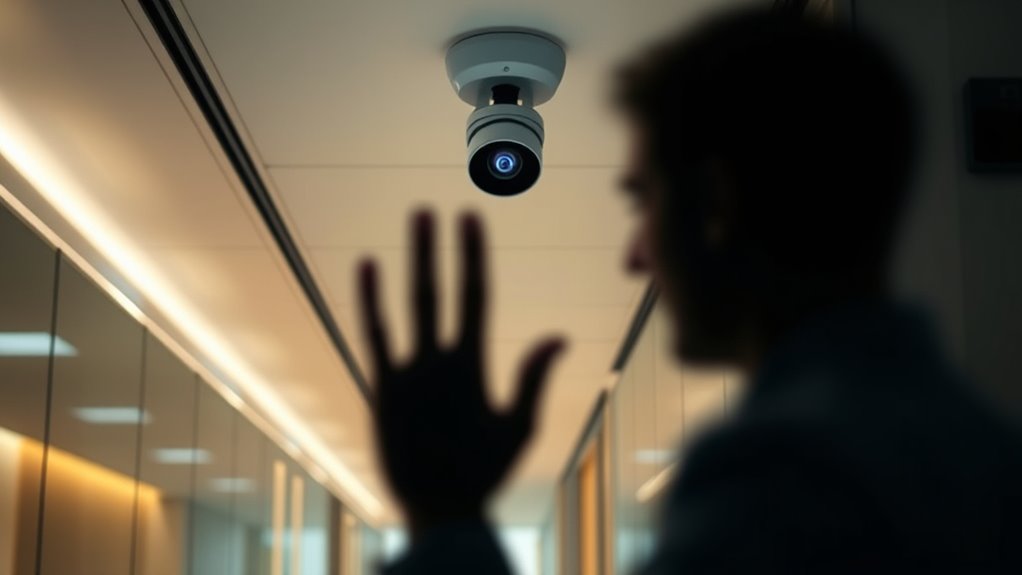

Advancements in gesture recognition cameras improve accuracy and responsiveness, making touchless controls more reliable. However, this progress comes with privacy concerns, as more detailed data about your movements and environment are collected. There’s a risk of sensitive information exposure or misuse if security isn’t prioritized. Balancing these benefits and risks is essential, and understanding privacy safeguards can help you make smarter choices about adopting this technology. Continue exploring to learn how to protect your privacy while enjoying these innovations.

Get everyday helpers delivered free — and shop member deals
- Fast, free delivery on millions of items
- Access to Prime Big Deal Days deals on October 6–7
- Prime Video, Amazon Music and more included
Key Takeaways
- Enhanced sensors improve gesture recognition accuracy but increase data collection, raising privacy concerns.
- Precise tracking in complex environments may expose sensitive user movements and environments.
- Privacy risks include potential surveillance, data breaches, and misuse of gesture and environmental data.
- Users must balance the benefits of improved responsiveness against privacy safeguards and data security.
- Ongoing technological advances necessitate vigilant privacy policies to protect user rights while maintaining performance.
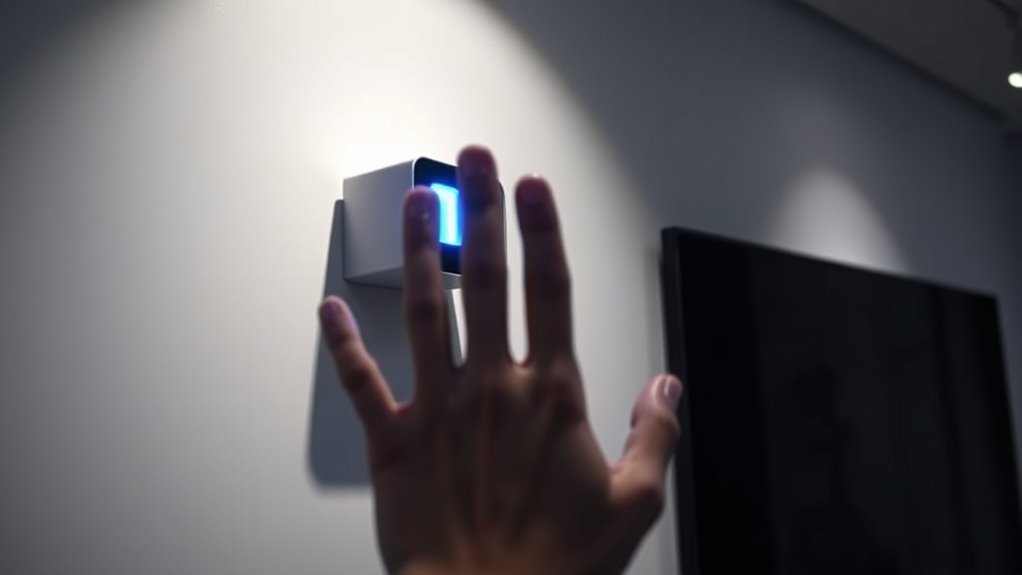
Gesture recognition cameras are transforming the way we interact with technology by enabling intuitive, touchless control. From smart homes to security systems, these cameras interpret your hand movements and translate them into commands, making operations more natural and seamless. However, as impressive as these technological advancements are, they come with significant privacy implications that you need to consider. The more these cameras capture and analyze your gestures, the greater the risk of sensitive data exposure or misuse. Companies collect and process this data to improve accuracy and functionality, but this inevitably raises concerns about how your personal movements are stored, shared, or potentially hacked. You might wonder, how much privacy are you sacrificing for convenience? The key lies in understanding the balance between technological progress and privacy safeguards.
Gesture recognition cameras enable seamless control but pose significant privacy risks through data collection and potential misuse.
Recent technological advancements have greatly improved the accuracy of gesture recognition cameras, allowing for precise tracking even in complex environments. Enhanced algorithms and better sensors mean your gestures are interpreted more reliably, reducing false positives and increasing user satisfaction. These innovations have made gesture controls more responsive and versatile, enabling a broader range of applications—from controlling presentations to navigating virtual reality worlds. Yet, as accuracy improves, so do the privacy risks. Enhanced capabilities often require collecting more detailed data about your gestures, movements, and sometimes even your environment. This data, if not properly protected, can be exploited or misused, leading to privacy breaches. Improved sensors contribute to more accurate gesture detection but also increase the amount of personal data collected.
You might find yourself caught between the desire for cutting-edge features and the need to protect your privacy. As these devices become more sophisticated, so does the potential for surveillance, whether by companies or malicious actors. While some manufacturers implement encryption and strict data policies, the reality is that not all do, leaving gaps that could compromise your privacy. The ongoing debate revolves around whether the benefits of technological advancements outweigh the privacy implications they bring. It’s essential to stay informed about the privacy policies of the devices you use and to seek out products that prioritize user security.
Ultimately, the trade-off between accuracy and privacy in gesture recognition cameras is a delicate one. As technology continues to evolve, you’ll need to weigh the convenience of touchless control against the risks of data collection. By understanding the privacy implications and staying vigilant about your digital footprint, you can enjoy the benefits of these innovative devices while minimizing potential privacy concerns. The future of gesture recognition hinges on striking that balance—advancing accuracy without compromising your fundamental right to privacy.
gesture recognition security camera
As an affiliate, we earn on qualifying purchases.
As an affiliate, we earn on qualifying purchases.
Frequently Asked Questions
How Do Gesture Recognition Cameras Impact User Privacy Rights?
You might wonder how gesture recognition cameras affect your privacy rights. These cameras often use facial recognition and collect data that could be misused or lead to surveillance concerns. While they improve security and user experience, they also raise issues about data security and consent. You should stay informed about how your data is stored, shared, and protected to guarantee your privacy rights remain safeguarded amid these technological advancements.
What Are the Legal Regulations Surrounding Gesture Recognition Technology?
Imagine the legal landscape as a carefully managed garden, where rules guide your growth. When it comes to gesture recognition technology, you must prioritize data privacy and legal compliance. Regulations like GDPR and CCPA set boundaries to protect user information, ensuring transparency and consent. Staying informed about evolving laws helps you navigate this space responsibly, balancing innovation with respect for individual rights and maintaining trust in your technological pursuits.
Can Gesture Recognition Cameras Be Hacked or Tampered With?
You might wonder if gesture recognition cameras can be hacked or tampered with. Yes, camera vulnerabilities exist, making them susceptible to hacking if not properly secured. Hackers could potentially access or manipulate the system, compromising privacy and data security. To prevent this, you should implement strong hacking prevention measures like regular updates, encryption, and secure network practices. Staying vigilant helps protect your camera system from malicious threats.
How Is User Consent Managed With Gesture-Based Systems?
Think of user consent in gesture-based systems like a handshake: clear and mutual. You’re typically asked to agree through consent protocols that explain how your data is used, stored, and shared. Privacy safeguards are built into these systems to protect your information, but it’s essential you stay informed and aware. Ensuring transparency helps you decide whether to participate, giving you control over your privacy while enjoying the convenience of gesture recognition.
What Are the Long-Term Societal Implications of Widespread Gesture Recognition?
You might wonder about the long-term societal impacts of widespread gesture recognition. It raises questions about surveillance ethics and how social acceptance evolves as these systems become common. As you navigate daily life, you could see increased convenience but also potential privacy concerns. Society may gradually accept these technologies if transparency and safeguards improve, yet persistent worries about misuse and data security could challenge their widespread adoption and reshape social norms around privacy.
Conclusion
As you navigate the world of gesture recognition cameras, remember you’re walking a tightrope between innovation and intrusion. Like a delicate dance, balancing accuracy with privacy demands careful steps. Embrace the potential for seamless interaction, but stay vigilant—protecting your privacy is the anchor that keeps you grounded. Ultimately, you’ll find that mastering this dance guarantees technology enhances your life without stepping over your personal boundaries, turning a delicate balance into a confident stride.
Fall Picks
fall essentials
As an affiliate, we earn on qualifying purchases.