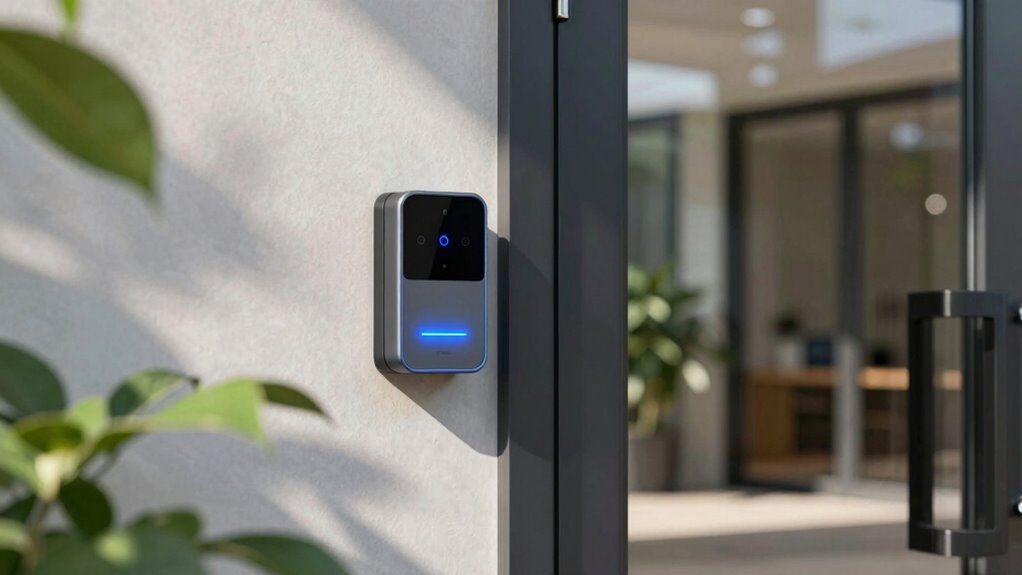

Smart sensors help make your home more accessible by automating and customizing your environment beyond the front door. They can activate lights, adjust blinds, and start appliances as you approach, reducing the need for manual controls. Voice-activated assistants work seamlessly with sensors to respond to your commands, supporting your mobility and sensory needs. As sensors continue to advance, they create safer, more inclusive spaces that adapt to your lifestyle—discover how they can transform your entire home.

Get everyday helpers delivered free — and shop member deals
- Fast, free delivery on millions of items
- Access to Prime Big Deal Days deals on October 6–7
- Prime Video, Amazon Music and more included
Key Takeaways
- Smart sensors detect movement and environmental changes inside and outside the home to facilitate automatic adjustments and enhanced safety.
- They enable remote monitoring and control, allowing users to manage home access and security from anywhere.
- Sensors can trigger personalized responses, such as adjusting lighting or opening blinds when a resident approaches or enters.
- They support inclusive design by providing alerts and assistance tailored to individuals with mobility or sensory impairments.
- Integration with voice assistants and automation systems creates a seamless, accessible living environment beyond the front door.
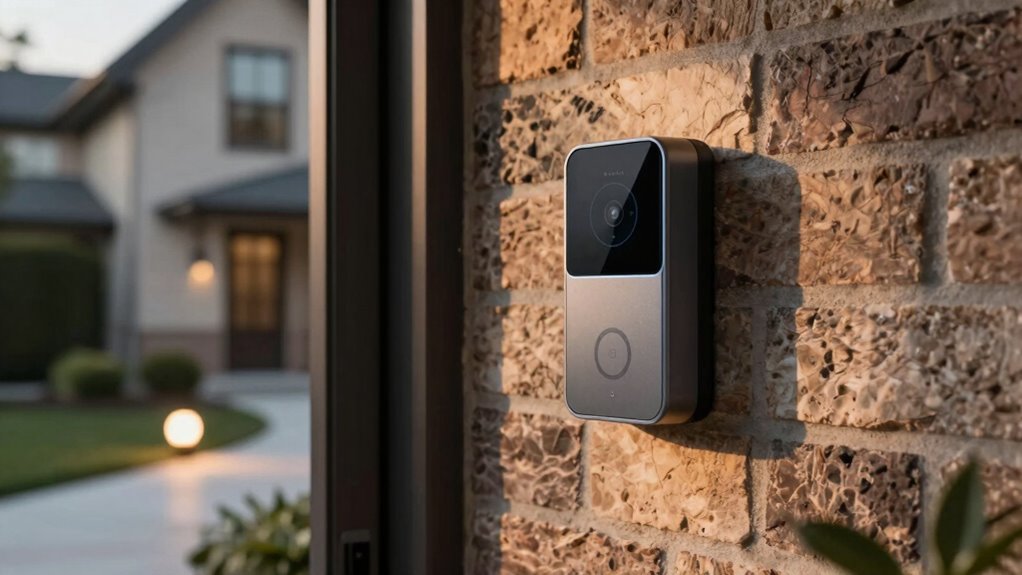
Beyond security, smart sensors enable a broader scope of home automation that directly enhances accessibility. They can activate lighting when you enter a room, adjust blinds based on sunlight, or even start appliances as you approach. This proactive automation eliminates the need for manual switches or remote controls, which can be difficult to handle. With voice-activated assistants integrated into your system, you can command your smart sensors to perform tasks naturally and effortlessly. For individuals with mobility or sensory impairments, these features translate into a more autonomous home experience, where technology anticipates your needs rather than requiring you to adapt to it. Additionally, integrating home automation systems can further streamline these processes, making daily routines even more effortless. As the industry evolves, smart sensor technology continues to improve, offering even more tailored solutions for diverse accessibility needs. Incorporating adaptive technology into your smart home can also enhance comfort and usability for everyone, regardless of their physical abilities.
In essence, smart sensors extend accessibility far beyond the front door by creating a home environment that’s intuitive, safe, and responsive. They bridge gaps in traditional home design, offering tailored solutions that accommodate your unique needs. With home automation and security integration working together, you gain a living space that’s not just smart but genuinely inclusive—making everyday life smoother, safer, and more manageable.
smart home sensors for accessibility
As an affiliate, we earn on qualifying purchases.
As an affiliate, we earn on qualifying purchases.
Frequently Asked Questions
Can Smart Sensors Be Integrated With Existing Home Security Systems?
Yes, you can integrate smart sensors with your existing home security system. You just need to check sensor compatibility beforehand because not all sensors work seamlessly with every system. Be aware of potential integration challenges, like software mismatches or hardware limitations, which might require additional adapters or updates. Proper planning guarantees smooth integration, enhancing your home’s security and accessibility without needing a complete system overhaul.
What Is the Typical Installation Process for Smart Sensors?
You typically start by choosing the right spot for your smart sensors, then follow the manufacturer’s instructions for installation. During setup, you’ll calibrate the sensors to guarantee accurate detection, which might involve adjusting sensitivity or positioning. If you encounter installation troubleshooting issues, check connections, update firmware, or recalibrate the sensors. Once installed and calibrated, test them to confirm they’re working properly, providing seamless accessibility and security beyond your front door.
Are Smart Sensors Suitable for Outdoor Use?
Yes, smart sensors are suitable for outdoor use, but you need to take into account weather durability. Look for sensors designed to withstand rain, snow, and extreme temperatures. Regular sensor calibration is essential to maintain accuracy in outdoor conditions. When properly calibrated and weatherproofed, these sensors reliably extend accessibility beyond your front door, enabling smart security, lighting, and environment control that adapts to outdoor challenges effectively.
How Do Smart Sensors Improve Emergency Response Times?
Smart sensors act like vigilant sentinels, drastically improving emergency response times. Their sensor accuracy guarantees you get quick, reliable alerts, so you’re not left in the dark. When an emergency occurs, these sensors instantly trigger alerts, notifying responders immediately. This swift communication shortens response times and enhances safety, giving you peace of mind knowing that help is just a sensor-triggered call away.
What Are the Privacy Concerns Associated With Smart Sensors?
You should be aware that smart sensors raise privacy concerns, especially regarding data encryption and unauthorized access. If data isn’t properly encrypted, hackers could intercept sensitive information, risking your privacy. Additionally, if security measures are weak, unauthorized individuals might access your sensor data or control systems. To protect yourself, make sure your smart sensors use robust data encryption and strong access controls, reducing the risk of privacy breaches.
Conclusion
Smart sensors are like a loyal lighthouse guiding you safely through the night, extending accessibility beyond your front door. They illuminate pathways, detect obstacles, and open new horizons for everyone, regardless of ability. With these intelligent guardians watching over your home, you gain not just convenience but a sense of freedom—like having an invisible hand that helps you navigate life’s journey with confidence. Embrace this technology, and turn your house into a sanctuary that truly welcomes all.
Halloween Picks
halloween
As an affiliate, we earn on qualifying purchases.