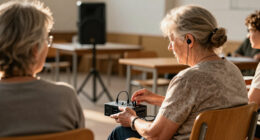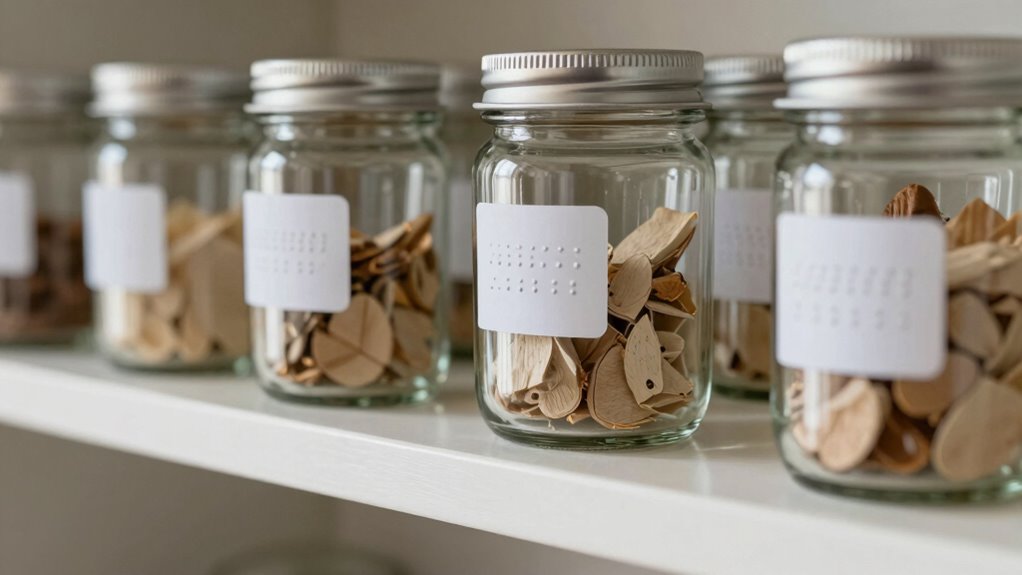

Braille labeling at home helps you organize with ease by providing tactile, reliable cues that identify items and spaces independently. It reduces your reliance on sight or sound, boosting your confidence and routines. Choose durable, water-resistant materials and apply labels carefully for longevity. Maintain them regularly to keep everything clear and in good shape. If you keep exploring, you’ll discover simple steps and tips to make your labeling experience even better.

Get everyday helpers delivered free with Prime
- Fast, free delivery on millions of items
- Prime Video, Amazon Music and more included
- Member-only deals all year
Key Takeaways
- Use durable, tactile labels like swell paper or tactile vinyl to identify items and spaces effectively.
- Apply labels carefully with proper tools and surface preparation for secure, long-lasting adhesion.
- Regularly inspect and clean braille labels to maintain readability and replace damaged ones promptly.
- Incorporate technological tools and apps for efficient organization and easy label updates.
- Involve caregivers and provide training to ensure consistent labeling and maintenance at home.
Braille tactile labels for home organization
As an affiliate, we earn on qualifying purchases.
As an affiliate, we earn on qualifying purchases.
Why Braille Labeling Makes Home Organization Easier for DeafBlind People

Braille labeling simplifies home organization for DeafBlind people by providing a reliable, tactile way to identify items and spaces. Sensory cues are essential for orienting oneself in daily routines, and tactile feedback from Braille labels offers immediate, consistent information. With these labels, you can quickly recognize jars, appliances, or clothing without relying on sight or sound. The raised dots serve as a physical cue, allowing you to feel and distinguish items effortlessly. This tactile feedback creates a sense of independence, reducing confusion and frustration. Additionally, technology advancements have made creating and applying these labels more accessible and durable for everyday use. These innovations include adhesive materials that withstand regular handling and environmental factors. Modern labeling techniques further enhance the durability and ease of use, making them more practical for daily home organization. Innovations in tactile feedback have also improved the clarity and effectiveness of Braille labels, increasing user confidence in managing home organization. In turn, your confidence in managing home organization increases, making daily tasks smoother and more efficient.
How to Choose the Best Materials and Tools for Your Braille Labels

Choosing the right materials and tools for your Braille labels guarantees they’re durable, easy to read, and suited to your environment. When considering material selection, opt for flexible, adhesive-backed options like swell paper or tactile vinyl, which resist wear and are easy to cut. Prioritize tool durability; sharp, sturdy tools such as Braille embossers or precision cutters ensure clean, consistent labels. Avoid cheap or flimsy materials that might tear or fade quickly, as they’ll require frequent replacements. Think about the environment where you’ll place the labels—moisture, temperature, and handling impact material choice. Selecting high-quality, durable tools and materials saves you time and effort, providing long-lasting, reliable labels that enhance your organization system at home. Recognizing which accessible materials best suit your needs can improve the longevity and readability of your labels. Additionally, considering cultural craftsmanship can inspire unique and aesthetically pleasing labels that blend functionality with cultural appreciation. It’s also helpful to explore water-resistant options to ensure labels remain intact in humid or wet conditions, especially in areas like kitchens or bathrooms. Incorporating environmentally sustainable materials can further support eco-friendly practices in your organization efforts. Being aware of specific material properties can help you choose options that best match your environmental conditions and usage needs.
Step-by-Step: Applying Braille Labels at Home

Once you’ve prepared your labels and tools, it’s time to start applying them. Begin by cleaning the surface where you’ll place the tactile markers to guarantee good adhesion. Carefully peel off the backing from your custom labels, making sure not to touch the tactile surface to keep it clean. Position the label accurately, aligning it with the item’s shape if needed. Press firmly to secure the label in place, ensuring the tactile markers are well-adhered. Remember, label customization allows you to create labels that suit your needs, whether that’s different sizes or shapes. Take your time during application to avoid misplacements. Proper labeling supports effective organizing strategies and promotes independence in daily routines. Additionally, using distinctive tactile features on labels can further improve ease of identification. Incorporating adhesion techniques can help ensure the labels stay securely attached over time, even with frequent handling. To maximize durability, consider proper surface preparation methods that enhance adhesion and longevity.
Creative Braille Labeling Ideas for Kitchen, Bathroom, and Personal Items
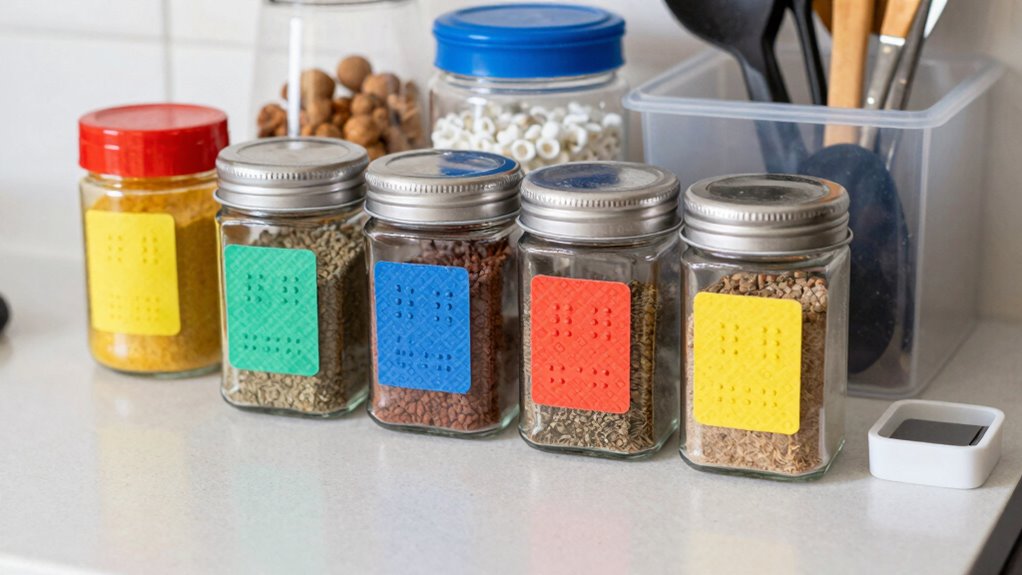
You can make your kitchen and bathroom more accessible by using creative braille labels on everyday items. Simple organization hacks, like marking spice jars or cleaning supplies, help you find what you need quickly. These personalized labels boost independence and keep your spaces tidy. Incorporating educational resources can further enhance your understanding of effective labeling techniques. Utilizing tactile markers in combination with braille can improve item identification even further, especially for users with varying levels of vision. Exploring labeling techniques can help identify the most effective methods for your specific needs. Implementing home organization strategies can streamline your process and ensure consistency across different spaces. Exploring labeling best practices can provide additional insights into optimizing your home organization.
Kitchen Organization Hacks
Organizing your kitchen with braille labels can make everyday tasks more manageable and guarantee everything is easily identifiable. Clear labels boost braille literacy and support tactile reading, helping you quickly find what you need. Use durable, tactile labels on spice jars, canned goods, utensils, and storage containers. Consider color-coding or using raised symbols for quick identification. Labeling appliance controls like microwave buttons or oven dials simplifies operation. Keep frequently used items within easy reach and label them consistently. These hacks streamline your routine and foster independence. Remember, well-placed labels turn your kitchen into an accessible space, making daily cooking safer and more efficient. Incorporating appliance accessibility features can further enhance ease of use. Using tactile markers on various kitchen items can significantly improve your ability to identify them by touch. Ensuring your labels are resistant to moisture and kitchen conditions is essential for durability and longevity. Additionally, choosing waterproof and dishwasher-safe labels ensures they remain intact despite frequent cleaning. Modern labeling techniques such as embossing or using specialized adhesives can provide even more reliable identification. With these simple modifications, you’ll enjoy a more organized, accessible environment that promotes confidence and autonomy.
Bathroom Item Labels
Creating effective braille labels for bathroom items can greatly enhance accessibility and independence. To achieve this, focus on tactile differentiation by using varied textures or raised patterns that make each label unique. Combining tactile cues with color contrast, such as dark braille dots on light backgrounds or vice versa, helps users quickly identify items. For example, apply textured tape or embossing to bottles, jars, and containers, ensuring each has a distinct feel. Use contrasting colors for labels or markings to improve visibility for users with residual sight. Keep labels simple yet distinguishable, and regularly check for wear or damage to maintain clarity. Incorporating tactile cues into your labeling system can further improve recognition and usability. These strategies streamline bathroom routines, empowering you to navigate and manage personal care with confidence.
Tips for Maintaining and Refreshing Your Braille Labels
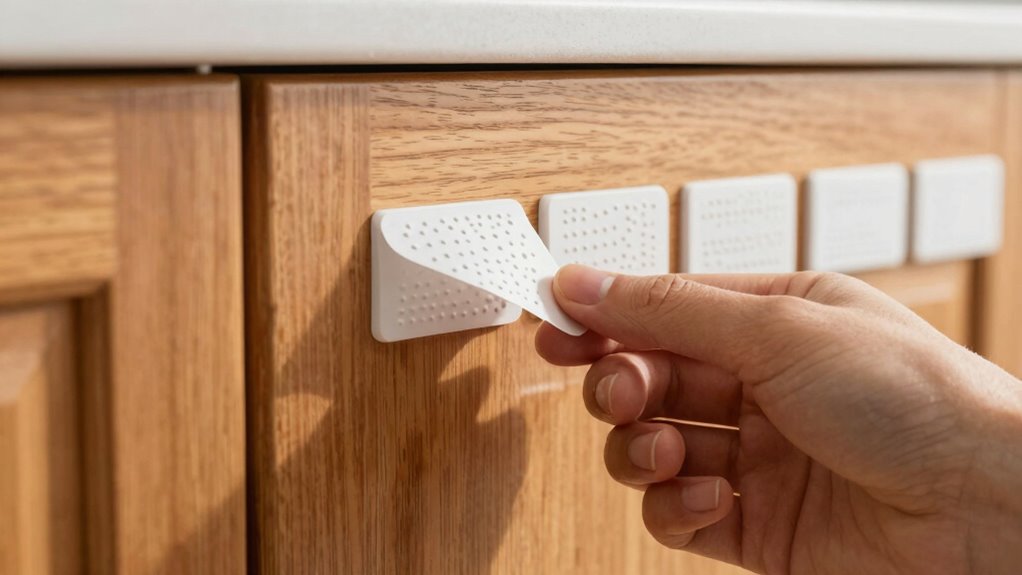
To keep your braille labels effective, you should regularly check them for wear and tear. Use gentle cleaning techniques to maintain their clarity, and replace labels promptly when they become damaged or unreadable. Staying on top of these steps guarantees your labels remain helpful and reliable. Additionally, consider using indoor plants like the Peace Lily or Snake Plant to create a calming environment that can also help you stay organized and attentive to your labeling system.
Regular Label Inspection
Regularly inspecting your braille labels is essential to guarantee they remain clear and functional. Over time, labels can wear down, affecting label visibility and label durability. Check for fading, peeling, or smudging that could hinder reading. Pay attention to any damage that might make the braille less distinguishable. Keeping labels in good condition ensures you can identify items quickly and accurately. Here are some tips:
- Look for fading or smudging that reduces label visibility
- Check for peeling or lifting edges that compromise label durability
- Reapply or replace labels that are damaged or worn out
- Ensure braille dots remain intact and easily distinguishable
- Clean labels gently to prevent dirt buildup that can obscure the braille
Regular inspections help maintain organization and independence.
Proper Cleaning Techniques
Proper cleaning is essential to keep your braille labels clear and easily readable. Use gentle cleaning supplies such as a soft cloth, mild soap, and water to avoid damaging the braille cells. Avoid harsh chemicals or abrasive materials that could degrade the label’s surface and reduce its longevity. When cleaning, gently wipe the labels to remove dust, dirt, or oils that may accumulate over time. Regular maintenance helps preserve the tactile quality of the braille, ensuring you can read it comfortably. Proper cleaning techniques not only maintain clarity but also extend the label’s lifespan, saving you from frequent replacements. Remember, a little routine upkeep goes a long way in keeping your organizational system reliable and effective.
Timely Label Replacement
Over time, braille labels can become worn, faded, or damaged despite careful cleaning. To maintain effective tactile markers, it’s essential to replace labels before they lose clarity. Regular checks help ensure label durability and tactile recognition. When you notice labels are less distinct or damaged, it’s time for a rejuvenation. Consider these tips:
- Inspect labels weekly for wear or fading
- Replace labels if tactile markers become indistinct
- Use durable materials designed for prolonged use
- Keep extra labels handy for quick updates
- Reapply labels in the same location to maintain consistency
Staying proactive with timely label replacement preserves tactile recognition and prevents confusion. Refreshing your braille labels keeps your organization system reliable and accessible, ensuring you can always find what you need effortlessly.
Troubleshooting Common Braille Labeling Challenges

When you encounter difficulties with your braille labels, identifying the root cause can save you time and frustration. If tactile feedback feels inconsistent, check if the braille characters are clear and properly embossed. Weak or uneven impressions can make reading difficult and may indicate the need for a better embossing tool or adjustments. Label durability issues, like peeling or fading, often stem from poor adhesive choices or exposure to moisture. Ensure your labels are made with waterproof, high-quality adhesive to withstand daily use. Also, verify that labels are securely attached without air bubbles or wrinkles, which can compromise tactile feedback. Addressing these challenges promptly keeps your system reliable and ensures your labels remain functional and easy to read over time.
Using Technology to Improve Your Braille Labeling System
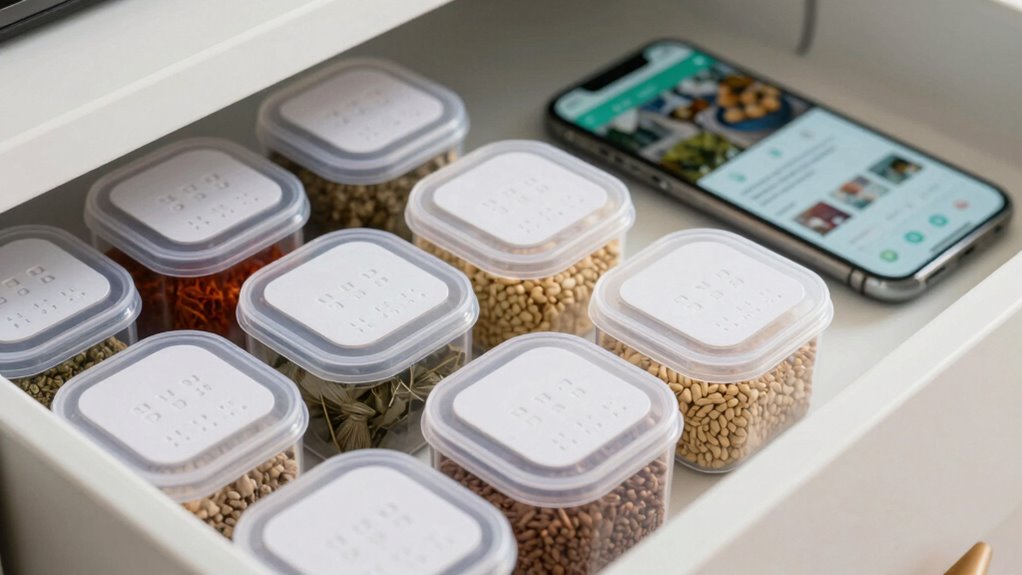
Technology offers practical solutions to enhance your braille labeling system and make it more efficient. By embracing digital integration, you can streamline your organization process and reduce manual effort. Voice command features allow you to update labels hands-free, making adjustments quick and accessible. Smart devices and apps sync with your braille system, providing real-time updates and easy management. Consider using voice-activated assistants to create or modify labels effortlessly. Digital tools also help you keep track of labels across multiple storage areas. These innovations minimize errors and improve accessibility, ensuring your labeling system is reliable and user-friendly. Incorporating technology transforms your home organization, making it smarter and more responsive to your needs.
Getting Family and Caregivers Involved in Labeling Projects
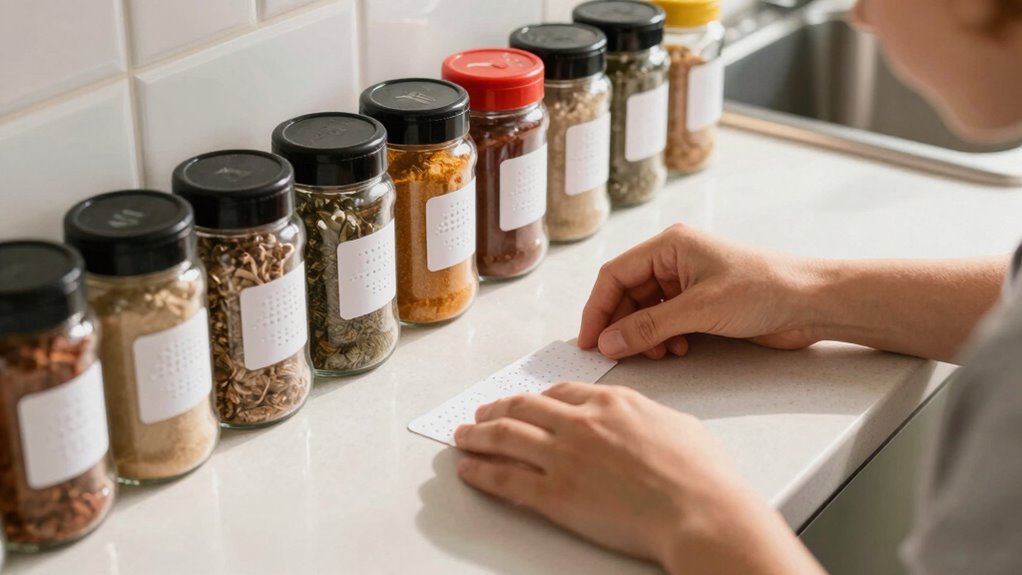
Getting family and caregivers involved in your labeling projects can make the process easier and more effective. When you encourage family involvement, they gain a better understanding of your needs and how to assist with labeling. Caregiver training helps guarantee they use consistent techniques, improving label durability and clarity. To streamline collaboration, consider creating a simple chart to allocate tasks or teach specific skills. Use the table below for inspiration:
| Task | Responsibility |
|---|---|
| Label placement | Family member or caregiver |
| Braille application | Trained caregiver |
| Label maintenance | Family or caregiver |
| Organizing labeled items | Family involvement |
| Review and update labels | Caregiver training |
Engaging your support system builds confidence and ensures your labeling system stays organized and functional.
Making Your Braille Labels Look Neat and Stay Durable
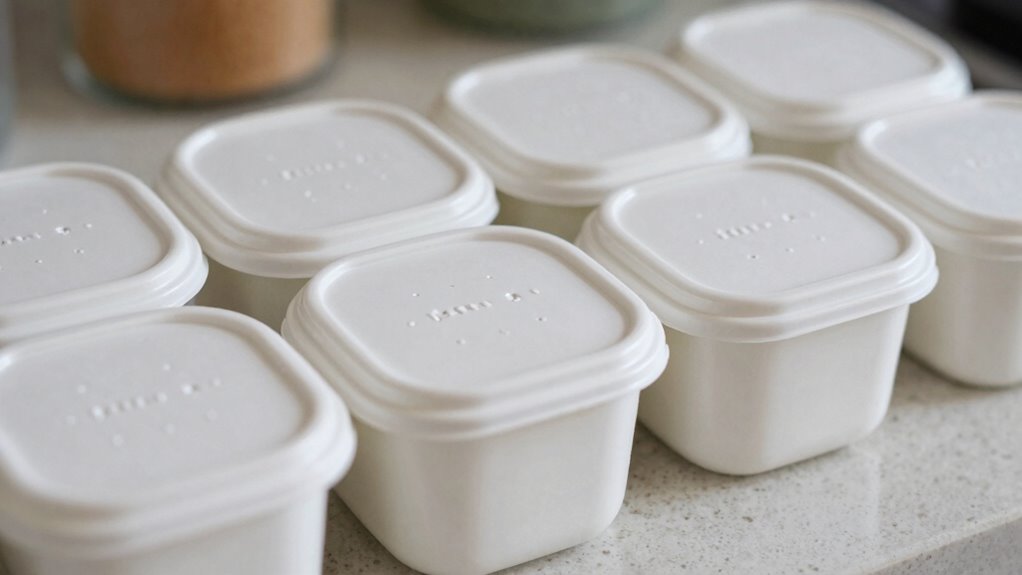
To guarantee your braille labels remain clear and functional over time, paying attention to their appearance and durability is key. Focus on label aesthetics by keeping labels neat and easy to read, and on label durability to make sure they last. Here are some tips:
- Use high-quality adhesive labels designed for durability.
- Keep labels clean and free from smudges or dirt.
- Choose contrasting colors to improve readability.
- Avoid placing labels in areas prone to moisture or friction.
- Regularly check and replace worn or damaged labels.
Frequently Asked Questions
How Can I Create Tactile Labels Without Prior Braille Knowledge?
You can create tactile labels without prior braille knowledge by exploring tactile marker alternatives and DIY braille techniques. Use raised stickers, textured tapes, or small objects to mark items, making them easy to identify by touch. You can also make simple braille labels with a foam or glue technique, creating bumps that serve as tactile cues. These methods are affordable and adaptable, helping you organize your home efficiently without needing advanced braille skills.
Are There Affordable Options for High-Quality Braille Label Materials?
Yes, you can find affordable materials that offer high-quality options for braille labels. Look for online suppliers or craft stores that specialize in tactile or accessibility products; they often provide budget-friendly choices. Silicone or embossed plastic sheets are great, cost-effective options that produce durable, clear braille. By comparing prices and reading reviews, you can select materials that meet your needs without breaking the bank.
How Do I Organize Multiple Labels for Different Household Areas?
Imagine your labels are tiny, rebellious soldiers, each demanding their own command post. To organize multiple labels, you create clear labeling systems, like color-coded zones or numbered sections, and store them in dedicated containers or drawers. Use simple storage solutions—small bins or folders—to keep different household areas separate. This way, your labels stay accessible and your home remains a well-ordered fortress, ready for any labeling mission.
Can Digital Tools Assist in Designing Personalized Braille Labels?
Yes, digital tools like accessibility software can help you design personalized braille labels easily. You can use digital design programs to create clear, customized labels that suit your needs. Accessibility software guarantees your designs are compatible with screen readers and other assistive devices, making the process straightforward. This way, you can quickly produce labels tailored to each household area, keeping your organization efficient and accessible.
What Safety Considerations Should I Keep in Mind With Braille Labels?
Are you aware of safety concerns with braille labels? You should guarantee labels are securely affixed to avoid fire hazards or accidental detachment. Consider label durability—use materials resistant to wear, moisture, and heat. Are your labels clearly distinguishable and placed away from heat sources? By prioritizing sturdy, fire-safe labels, you help prevent accidents and ensure long-lasting organization, giving you peace of mind in your home environment.
Conclusion
By incorporating braille labels at home, you’ll simplify daily routines and foster independence. Imagine a deafblind person easily identifying spices with a simple, durable label—making cooking safer and more enjoyable. With the right tools, creative ideas, and a little help from loved ones, you can transform your space into a more accessible environment. Start small, stay consistent, and watch your home become a place of empowerment and confidence.
Fall Picks
fall essentials
As an affiliate, we earn on qualifying purchases.