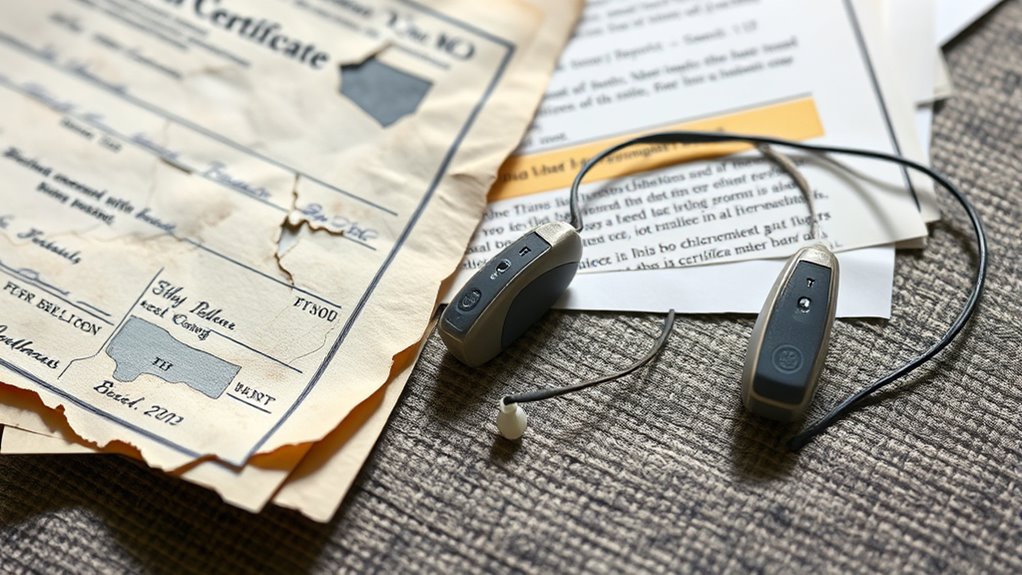

Deafblindness often results from a mix of genetic, syndromic, and prenatal factors that affect hearing and vision from early in life. You might have inherited genes or syndromes like Usher syndrome that impact both senses. Prenatal infections such as rubella or cytomegalovirus can also cause damage during pregnancy. Understanding these causes helps you see how early intervention and prevention can make a difference, and if you keep exploring, you’ll discover more about these important factors.
Key Takeaways
- Genetic factors, including inherited genes and syndromes like Usher syndrome, can cause sensory impairments from birth.
- Prenatal infections such as rubella, cytomegalovirus, and toxoplasmosis can damage fetal sensory development.
- Structural abnormalities resulting from genetic or infectious causes can lead to congenital deafblindness.
- Early detection through screening and diagnosis is crucial for timely intervention and management.
- Preventive measures like genetic counseling and proper prenatal care reduce the risk of deafblindness.

Deafblindness can result from a variety of causes, affecting both hearing and vision simultaneously. Understanding these causes helps you grasp how complex and varied this condition truly is. One significant factor involves genetic factors, which can influence the development of sensory impairments from birth or early childhood. If deafblindness runs in your family, there’s a possibility that inherited genes may contribute to the condition. These genetic factors might involve mutations or variations in specific genes responsible for the development of the auditory and visual systems. For example, certain inherited syndromes, like Usher syndrome, directly impact both hearing and vision. Recognizing the role of genetics can help in early diagnosis, enabling you to seek timely interventions and support.
Another critical cause involves prenatal infections, which occur during pregnancy and can interfere with fetal development. If your mother had infections such as rubella, cytomegalovirus, or toxoplasmosis while pregnant, these could have affected the developing sensory organs of the fetus. Prenatal infections can cause structural abnormalities or damage to the auditory and visual pathways, leading to deafblindness. These infections often go unnoticed or untreated during pregnancy, making them a concealed but important risk factor. If you or a loved one experienced complications during pregnancy, it might explain some cases of deafblindness. Healthcare providers emphasize the importance of prenatal care and infection prevention, as catching and managing infections early can substantially reduce the risk of sensory impairments. Additionally, advances in diagnostic technology allow for earlier detection of congenital conditions linked to deafblindness.
Both genetic factors and prenatal infections highlight how early life influences can shape sensory development. These causes are often beyond your immediate control but understanding their role underscores the importance of early screening and intervention. If deafblindness is diagnosed early, you can access specialized services, communication tools, and support systems that improve quality of life. Being aware of these causes also encourages prospective parents to seek genetic counseling or prenatal care, reducing the risk for future generations. Recognizing the impact of prenatal infections underscores the need for good maternal health and timely treatment during pregnancy.

Joyreal AAC Device for Autism, Non Verbal Communication Tools for Speech Therapy & Stroke Rehab. Communication Tablet, Autism Talking Aids with 8 Programmable Buttons & Adjustable Volume
37 Easy To Understand Talking Buttons- Our AAC device for speech comes with 37 pre-installed instructions in a…
As an affiliate, we earn on qualifying purchases.
As an affiliate, we earn on qualifying purchases.
Frequently Asked Questions
Can Deafblindness Be Fully Cured or Reversed?
Deafblindness can’t be fully cured or reversed yet. However, you can benefit from advancements like genetic therapy, which aims to address some underlying causes, and sensory rehabilitation, helping you develop new skills to adapt. While these approaches improve quality of life, they don’t restore full hearing or vision. Staying proactive and seeking early intervention can maximize your ability to manage the condition effectively.
How Early Can Deafblindness Be Diagnosed in a Child?
Think of early detection as planting a seed; the sooner you start, the stronger the tree grows. You can diagnose deafblindness in a child as early as birth or during infancy, often when developmental milestones like babbling or responding to sounds aren’t met. Regular screenings and vigilant observation help catch signs early, giving your child the best chance to develop skills and reach milestones despite challenges.
Are There Specific Genetic Markers Linked to Deafblindness?
Certain genetic markers and inherited traits are linked to deafblindness. You might find that specific gene mutations, like those in the DFNB1 gene, increase the risk. Researchers are identifying more genetic markers to better understand the condition. If you have a family history, genetic testing can reveal inherited traits associated with deafblindness. This helps in early diagnosis and planning for support and intervention.
What Role Does Environmental Exposure Play in Deafblindness Causes?
Have you ever wondered how much environmental exposure influences deafblindness? Environmental factors, such as toxin exposure, can profoundly contribute to its causes. You might not realize that prolonged contact with certain chemicals or pollutants can damage sensory development, leading to deafblindness. While genetics play a role, reducing environmental risks by avoiding toxin exposure can help lower the chances of developing this condition. Awareness and prevention are key.
How Does Deafblindness Affect Daily Communication Methods?
Deafblindness profoundly impacts your daily communication methods. You might rely more on tactile communication, such as touch cues or hand signals, to connect with others. Assistive technologies, like Braille devices or vibrating alerts, also become essential tools. These methods help you navigate conversations and stay engaged, compensating for sensory limitations. With the right support, you can maintain effective communication and participate fully in daily activities despite challenges.

Assistive Technology for Visually Impaired and Blind People
As an affiliate, we earn on qualifying purchases.
As an affiliate, we earn on qualifying purchases.
Conclusion
So, next time you hear about someone experiencing deafblindness, remember that sometimes, it’s a surprising coincidence of factors—genetics, infections, or even accidents—that cause it. You never know what life might throw your way, or what silent struggles others might face. By understanding these causes, you become more aware and compassionate. After all, it’s often the smallest, unexpected events that shape someone’s entire world, reminding us how fragile and interconnected life truly is.

AncestryDNA + Traits Genetic Test Kit: Personalized Genetic Traits, DNA Ethnicity Test, Origins & Ethnicities, Complete DNA Test, Ancestry Reports
TOP-SELLING CONSUMER DNA TEST: From your origins in over 3,600+ places around the world to the most connections…
As an affiliate, we earn on qualifying purchases.
As an affiliate, we earn on qualifying purchases.

Vaginitis Test Kit, Rapid Screening for Common Vaginal Discomfort Causes – at-Home Self Test for Women – Fast, Easy & Accurate – 1 Test
Triple Detection in One Test – Detects Candida albicans, Trichomonas vaginalis, and Gardnerella vaginalis with a single test…
As an affiliate, we earn on qualifying purchases.
As an affiliate, we earn on qualifying purchases.