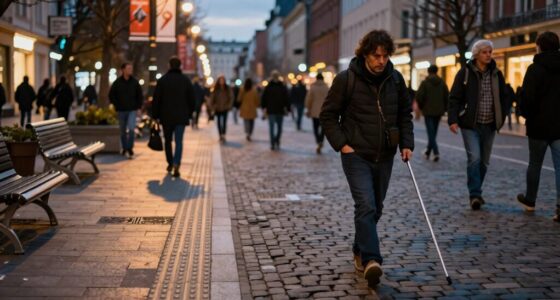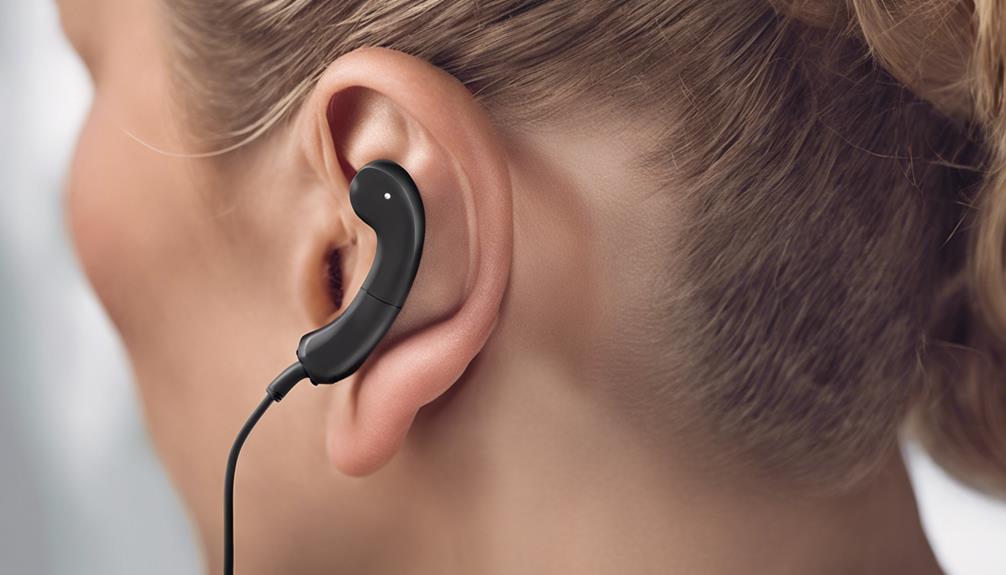
Better community access for DeafBlind residents means creating physical spaces with ramps, tactile paving, and clear signage that help you move independently. It involves using assistive technology and inclusive communication methods to connect and engage effortlessly. Community awareness campaigns foster understanding and support, encouraging social inclusion. When accessibility is designed for everyone, you gain more independence, build stronger relationships, and feel truly integrated. Keep exploring to discover how these changes can make a meaningful difference in your community life.

Get everyday helpers delivered free with Prime
- Fast, free delivery on millions of items
- Prime Video, Amazon Music and more included
- Member-only deals all year
Key Takeaways
- Physical modifications like ramps, tactile paving, and clear signage ensure independent navigation for DeafBlind residents.
- Assistive technologies and communication strategies enhance independence and strengthen community connections.
- Public awareness campaigns foster understanding, empathy, and reduce misconceptions about DeafBlind needs.
- A holistic approach integrates accessible design, technology, and social inclusion to meet diverse needs.
- Improved community access empowers DeafBlind residents to participate fully and build meaningful relationships.
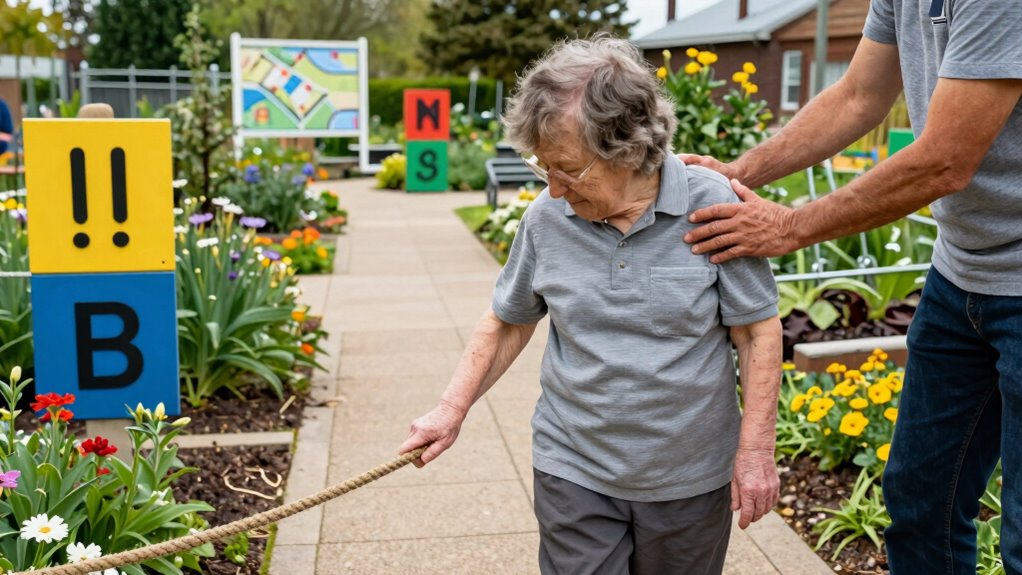
Better community access also involves structural changes that prioritize universal design. Ramps, tactile paving, clear signage, and accessible transportation options are essential. These physical modifications ensure you can move independently without relying on others for assistance, fostering a sense of autonomy. Additionally, community organizations can partner with assistive technology providers to offer workshops that introduce new devices and communication techniques. These initiatives not only enhance individual independence but also promote social inclusion by creating environments where you feel comfortable and supported. Incorporating universal design principles helps ensure accessibility for everyone, regardless of individual needs. Implementing inclusive communication strategies can further strengthen community bonds and ensure your needs are understood and met. Recognizing the value of public awareness campaigns is crucial in cultivating understanding and reducing misconceptions about DeafBlind individuals. Increasing awareness about DeafBlind communication styles can foster greater empathy and cooperation from the broader community.
Ultimately, making community access better for DeafBlind residents means embracing a holistic approach—integrating assistive technology, promoting social inclusion, and implementing inclusive design. When you experience a community that adapts to your needs, you’re empowered to live more independently, build relationships, and fully participate in local life. A more accessible community isn’t just about physical barriers being removed; it’s about cultivating understanding, respect, and shared opportunities. That’s what better community access truly looks like for DeafBlind residents—an environment where everyone can belong and thrive.
tactile paving for accessibility
As an affiliate, we earn on qualifying purchases.
As an affiliate, we earn on qualifying purchases.
Frequently Asked Questions
How Do Deafblind Residents Access Emergency Services?
You can access emergency services through accessible alerts and emergency notifications designed for deafblind residents. These include vibrating alerts, tactile warning systems, and visual signals that quickly inform you of emergencies. Emergency notification systems guarantee you receive timely updates via multiple accessible channels, helping you respond swiftly. By integrating these tools, communities make certain deafblind individuals stay safe and informed during emergencies, fostering greater independence and security.
What Technology Aids Are Most Effective for Deafblind Communication?
Did you know about 85% of deafblind individuals find tactile signaling most effective? Tactile Signaling allows you to feel communication through touch, making conversations more accessible. Assistive listening devices also help by amplifying sounds or converting speech to text. Together, these tools enable clearer, more inclusive communication, empowering you to connect confidently with others and participate fully in community life.
How Are Community Events Adapted for Deafblind Participants?
You can adapt community events for deafblind participants by incorporating sign language interpreters and tactile techniques. Sign language helps participants communicate effectively, while tactile methods, like hand-over-hand signing or tactile diagrams, make the experience accessible. You might also offer structured seating, clear pathways, and sensory-friendly environments. These adjustments guarantee deafblind residents engage fully, enjoy social interactions, and feel included in community activities.
What Training Do Community Staff Need to Assist Deafblind Residents?
You need to provide your staff with training in sensory integration and staff sensitivity. This helps them understand how deafblind residents perceive their environment and communicate effectively. Training should include tactile communication methods, adaptive technology, and awareness of sensory overload. When your staff are sensitive and knowledgeable, they can better assist residents, foster independence, and create inclusive community experiences that truly meet the needs of deafblind individuals.
How Is Transportation Customized for Deafblind Individuals?
You customize transportation for deafblind individuals by providing navigation assistance and orientation tools. You guarantee drivers are trained to communicate effectively and offer clear, tactile cues or guide dogs if needed. You also equip transit environments with tactile maps and auditory signals. By tailoring services this way, you help deafblind residents navigate safely and confidently, making community access more inclusive and independent.
Conclusion
Creating better community access for deafblind residents means making every space more inclusive, just like the bustling markets of ancient Rome, where everyone was welcome to share in the offerings. By embracing innovative communication tools and fostering understanding, you’ll help turn today’s communities into vibrant, accessible hubs. Remember, the key is your active effort—like a good squire, stepping up to support and include. Together, we can build a future where no one is left behind, no matter the challenge.
Fall Picks
fall essentials
As an affiliate, we earn on qualifying purchases.