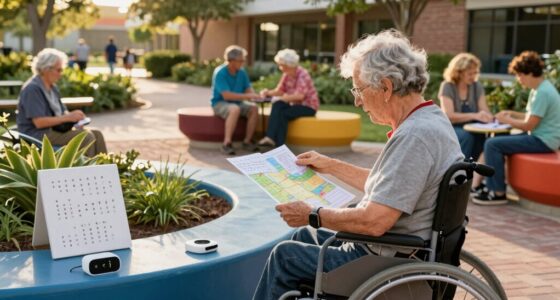
What Better Community Access Looks Like for DeafBlind Residents
For DeafBlind residents, better community access means inclusive design and support that transform independence—discover how these changes can truly make a difference.
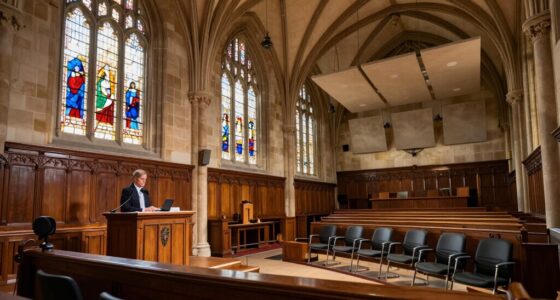
Why Churches and Lecture Halls Need Better Listening Access
Unlock the importance of improved listening access in churches and lecture halls to ensure everyone can fully engage and participate in shared experiences.
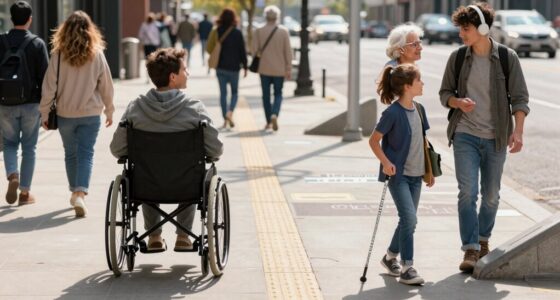
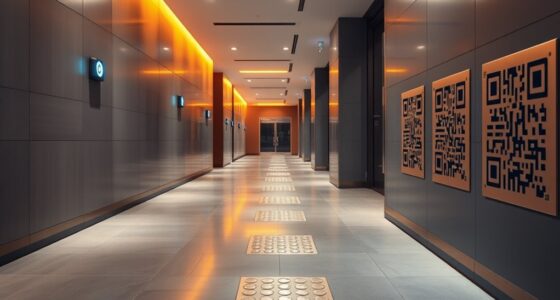
Accessible Wayfinding: Beacons, QR Codes, and Tactile Cues
Many accessible wayfinding tools like beacons, QR codes, and tactile cues empower independence—discover how these innovations work together to transform navigation.
Designing Accessible Museums for Dual Sensory Impairments
In designing accessible museums for dual sensory impairments, understanding innovative strategies can transform visitor experiences and ensure true inclusivity.
Office Accessibility: How Workplaces Adapt for Deaf Employees
Bridging communication gaps in the workplace begins with understanding how offices adapt for deaf employees; discover essential strategies to foster inclusivity.