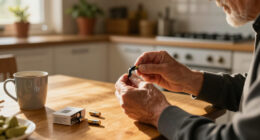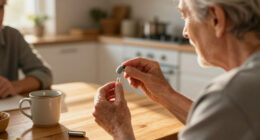

When communicating with deafblind individuals, you adapt your methods based on the setting. In familiar spaces, they rely on emotional bonds, trust, and assistive tech like tactile sign language or braille. In unfamiliar or formal situations, you may use structured techniques, written aids, or extra support to prevent misunderstandings. You consider environmental factors and sensory cues, adjusting your approach to keep interactions smooth. If you keep exploring, you’ll discover even more ways to connect effectively across different situations.

Get everyday helpers delivered free — and shop member deals
- Fast, free delivery on millions of items
- Access to Prime Big Deal Days deals on October 6–7
- Prime Video, Amazon Music and more included
Key Takeaways
- In familiar settings, DeafBlind individuals rely on natural emotional bonds and assistive technology for fluid, personalized communication.
- Unfamiliar or formal environments require structured methods like tactile signing and prepared visual aids to ensure understanding.
- Sensory adaptation and environmental factors influence the choice of communication strategies suited to specific contexts.
- Assistive tools such as tactile interpreters and alert systems support comprehension and independence across different situations.
- Communication methods are adapted to maintain emotional connections and social inclusion regardless of setting or environment.

For individuals who are DeafBlind, effective communication requires unique adaptations that bridge the sensory gaps. The way you connect with others varies greatly depending on the setting and situation, and understanding these differences can help foster better understanding and emotional connection. In familiar environments like your home or familiar community spaces, you might rely heavily on assistive technology to facilitate communication. Devices such as tactile sign language interpreters, braille displays, or vibrating alert systems can make conversations more accessible. These tools help you participate actively, reducing frustration and promoting a sense of independence. When you’re in a setting where you feel comfortable and safe, you naturally develop a stronger emotional connection with those around you. This emotional bond often makes communication more fluid, as trust and familiarity encourage both you and your communication partner to adapt and find new ways to connect.
However, in unfamiliar or formal settings like medical appointments, meetings, or public events, your communication approach might shift. You may need to rely more on structured methods such as tactile signing, where your hands physically feel signs made by the other person. Sometimes, using a combination of assistive technology and human support guarantees that you understand the context and nuances of the conversation, which is vital in these situations. The goal is to minimize misunderstandings and guarantee your voice is heard. In these environments, patience and clear planning become essential. Your communication partner might prepare in advance, using visual aids or written materials, or they might employ specific techniques to make interactions smoother. Recognizing the importance of sensory adaptation can help you and your partners develop more effective communication strategies. Additionally, understanding how environmental factors influence sensory input can guide you in choosing the best methods for each situation. Moreover, awareness of how sensory input varies across different contexts can empower you to better navigate diverse social interactions. Developing a personal communication plan tailored to different situations can further enhance understanding and reduce stress during interactions.
Regardless of the setting, your ability to adapt your communication method is vital for maintaining emotional connections. When you’re in a social setting that’s new or challenging, you might feel less confident, but using assistive technology and other adaptations helps bridge that gap. This not only supports your understanding but also fosters emotional bonds, allowing you to feel more included and valued. Ultimately, your capacity to navigate different situations demonstrates resilience and ingenuity. Whether it’s through tactile sign language, assistive devices, or other strategies, each adaptation contributes to meaningful exchanges. This versatility ensures that your relationships remain strong, and your voice continues to be heard, regardless of the environment.
tactile sign language interpreter device
As an affiliate, we earn on qualifying purchases.
As an affiliate, we earn on qualifying purchases.
Frequently Asked Questions
How Do Deafblind Individuals Choose the Best Communication Method?
You choose the best communication method based on your sensory adaptation and personal preferences. You consider what feels most natural, comfortable, and effective for you, whether tactile sign language, braille, or assistive technology. You might also assess your environment, available resources, and the communication partner’s skills. By experimenting and adapting, you find ways to connect that suit your unique sensory and personal needs, ensuring clear and meaningful interactions.
What Technology Aids Are Most Effective for Deafblind Communication?
Tactile signaling and assistive devices are your most effective tools for deafblind communication. Tactile Signaling allows you to feel signs through touch, making it ideal in face-to-face interactions. Assistive devices like vibrating alert systems and Braille displays enhance your connection with others, especially in unfamiliar or noisy environments. Combining these tools helps you communicate more seamlessly, ensuring you stay engaged and informed regardless of setting or situation.
How Do Cultural Differences Impact Deafblind Communication Styles?
Cultural differences shape how you approach deafblind communication, as cultural nuances influence your preferred methods and interaction styles. You might find that communication norms vary considerably, affecting your use of tactile signing, touch cues, or assistive technology. Understanding these cultural distinctions helps you adapt more effectively, respecting individual preferences and ensuring clearer, more respectful exchanges. Being aware of these differences fosters stronger connections and promotes inclusive communication for deafblind individuals.
What Training Is Available for Improving Deafblind Communication Skills?
You can access training programs focused on tactile signing and sensory adaptation to improve deafblind communication skills. These courses teach you how to use touch cues, develop sensory awareness, and modify communication methods to different settings. Workshops and certifications often include hands-on practice, enabling you to better understand and connect with deafblind individuals. Continuous training ensures you stay skilled and confident in various environments.
How Do Emergency Situations Affect Communication Strategies for Deafblind People?
In emergency situations, your communication strategies shift markedly. You rely on emergency preparedness plans and adaptive techniques, like tactile signing or using vibrating alerts, to stay informed and safe. You may also depend on specialized tools such as vibrating alert systems or tactile signals to communicate effectively when traditional methods aren’t available. These strategies guarantee you remain connected and responsive, even under stressful circumstances, enhancing your safety and independence during emergencies.
Conclusion
As you navigate different settings and situations, you realize that deafblind communication isn’t one-size-fits-all. Each moment demands a new approach, a fresh adaptation, and your ability to connect deepens. But just when you think you’ve mastered it, something unexpected shifts, and you’re faced with a new challenge. Will you rise to meet it? The journey continues, full of unknowns, waiting to test your resilience—and your unwavering commitment to meaningful connection.
Fall Picks
fall essentials
As an affiliate, we earn on qualifying purchases.