
If you have both low vision and hearing loss, several specialized tools can help you stay independent. Voice-activated devices let you control your environment, while GPS-based audio navigation guides you safely outdoors and indoors. Large-print labels, braille, and audio description service boost your understanding of visual content. Bluetooth-enabled tools sync seamlessly with your devices, making communication easier. To discover more ways to improve your daily life, continue exploring options designed for dual impairments.
Key Takeaways
- Use audio-based GPS devices with spoken directions to navigate safely despite visual and hearing impairments.
- Employ voice-activated assistants to control environment features without relying on visual or auditory cues.
- Integrate Bluetooth-enabled low-vision tools with smartphones for real-time captioning and accessible notifications.
- Utilize tactile or braille labels combined with audio descriptions to identify objects and read information effectively.
- Seek specialized assistive devices that combine visual and auditory enhancements to improve independence and safety.
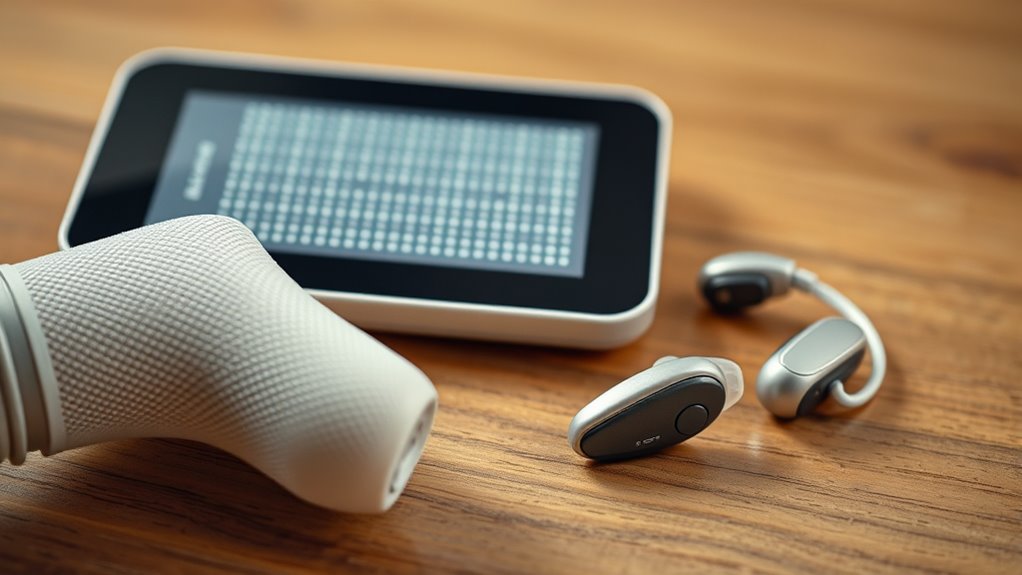
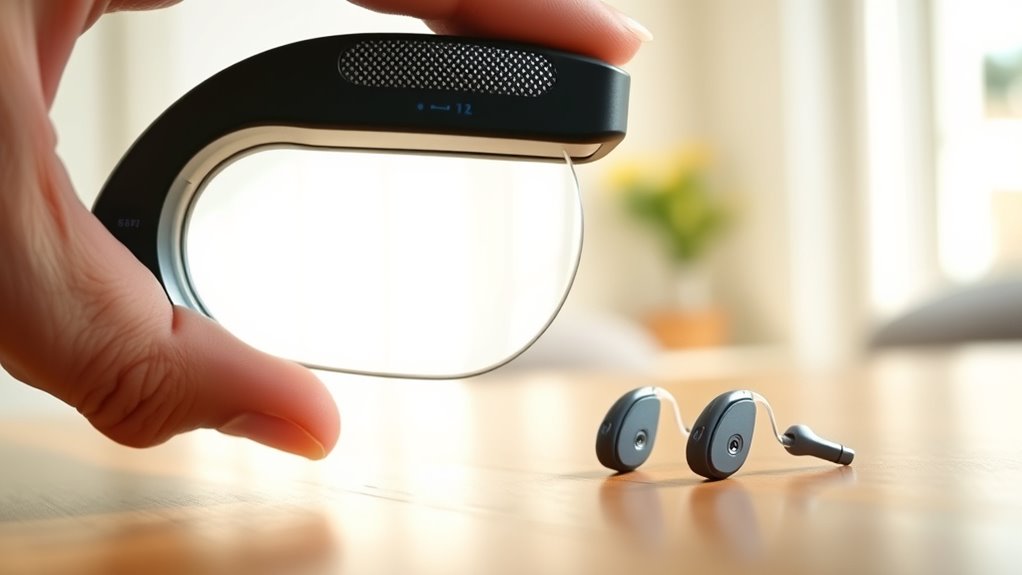
Living with low vision and hearing loss can present daily challenges, but many tools are available to help you maintain independence and improve your quality of life. When managing both conditions, innovative assistive technologies become essential. Assistive listening devices, for example, can amplify sounds from your environment, making conversations, alarms, and notifications clearer despite hearing difficulties. These devices come in various forms—personal amplifiers, FM systems, and loop systems—that connect directly to your hearing aids or work independently. They reduce background noise and focus on specific sounds, helping you follow conversations more easily and stay engaged in social settings.
Assistive listening devices enhance communication and social engagement for those with hearing difficulties.
Navigation aids are equally crucial, especially when visual cues are limited. GPS-based devices designed for low vision users provide audio directions, guiding you safely through unfamiliar spaces. These tools often integrate with smartphones or dedicated devices that speak street names, landmarks, and upcoming turns, allowing you to navigate confidently without relying solely on visual cues. Many navigation aids also have features like obstacle detection and object recognition, alerting you to potential hazards or helping you locate specific items or areas indoors. This technology considerably reduces the risk of accidents and increases your independence when moving around.
In addition to assistive listening and navigation aids, other tools can complement your efforts to adapt to both low vision and hearing loss. Large-print or braille labels on household items help you identify objects easily. Audio description services can provide detailed verbal descriptions of visual content, enhancing your understanding of movies, TV shows, or printed materials. Voice-activated assistants, like smart speakers, allow you to control your environment—adjust lighting, play music, or set reminders—without needing to see or hear small controls. These tools work seamlessly with your existing devices, making daily tasks more manageable. Incorporating accessible technology into your routine can further enhance your independence and ease of communication.
It’s also important to remember that technology is continually evolving. Many devices now incorporate Bluetooth connectivity, allowing you to sync your assistive listening devices with your phone or other gadgets for a seamless experience. Smartphone apps can provide real-time captioning or convert text to speech, bridging communication gaps caused by hearing and vision impairments. As you explore these tools, consider consulting with specialists who can recommend the most suitable options tailored to your specific needs. Proper training on how to use these devices can maximize their benefits, helping you maintain your independence and engage more fully with your environment.
Ultimately, embracing assistive listening and navigation aids empowers you to navigate your world with greater confidence. These tools don’t just compensate for your impairments—they open new possibilities for connection, safety, and enjoyment in everyday life.

Audien Atom One OTC Hearing Aids – Wireless, Rechargeable, and Comfortable | Clear Sound in a Small, Discreet Design for Seniors & Adults with Hearing Loss
Hear What Matters Most: Hearing isn’t one-size-fits-all. That’s why our adjustable frequency system lets you personalize your sound…
As an affiliate, we earn on qualifying purchases.
As an affiliate, we earn on qualifying purchases.
Frequently Asked Questions
Can Low-Vision Tools Also Assist With Hearing-Related Tasks?
Yes, low-vision tools can help with hearing-related tasks. You might use audio navigation to guide you through environments or devices, making it easier to find and operate things without relying solely on sight. Tactile feedback also plays a role, providing physical cues that enhance your awareness and interaction. These tools together support your independence, making everyday activities more manageable despite hearing loss.
Are There Integrated Devices for Both Vision and Hearing Impairments?
Yes, there are integrated assistive technology and accessibility devices designed for both vision and hearing impairments. These devices combine features like visual alerts, amplified sound, and tactile feedback, helping you manage multiple disabilities simultaneously. You can find options like multi-sensory communication systems or specialized smartphone apps that offer combined support, making daily tasks easier and more accessible. Exploring these integrated solutions guarantees you get thorough assistance tailored to your needs.
How Do I Choose the Best Tools for Combined Low Vision and Hearing Loss?
You might think you need separate devices, but integrated assistive technology can facilitate daily living. To choose the best tools, consider your specific needs for both low vision and hearing loss, and look for devices that combine visual and auditory features. Research options like combined hearing aids with visual alerts, and test them to ensure they’re user-friendly. Prioritize comfort, compatibility, and ease of use for maximum independence.
What Training Is Available for Using Dual-Sensory Assistive Devices?
You can find assistive device training programs focused on dual sensory skills at local rehabilitation centers, community colleges, or online platforms. These programs teach you how to effectively use dual-sensory assistive devices, enhancing your ability to navigate both vision and hearing challenges. Participating in hands-on training sessions helps you gain confidence, improve your skills, and learn tips for maximizing the benefits of your devices in daily life.
Are There Affordable Options for Simultaneous Vision and Hearing Support?
Did you know that over 15% of the world’s population has some form of hearing loss? You can find affordable solutions for simultaneous vision and hearing support by exploring cost-effective options like combined assistive devices, smartphone apps, and community resources. These tools are designed to be budget-friendly, making it easier for you to access essential support without breaking the bank. Start by researching local programs and online discounts to maximize your options.
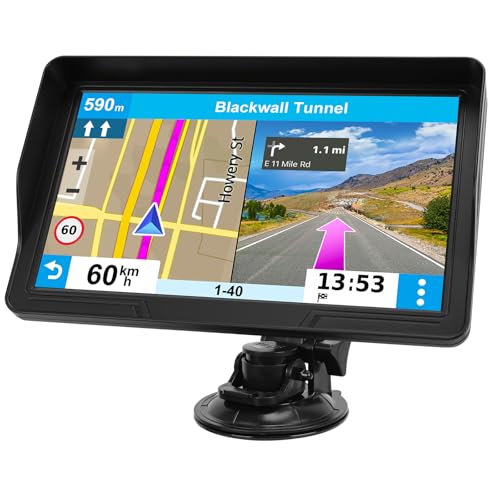
9" GPS Navigator for Car Truck RV, GPS Navigation System with 2026 Maps Free Lifetime Updates, Custom Truck Routing, Speed Camera Alerts, Day/Night Mode (Blue)
【2026 Lifetime Free Map Updates】This premium car GPS comes preloaded with the latest maps for North America (United…
As an affiliate, we earn on qualifying purchases.
As an affiliate, we earn on qualifying purchases.
Conclusion
By combining low-vision aids with hearing loss tools, you might wonder if these technologies truly enhance daily life. While some believe that integrating multiple aids creates a seamless experience, research suggests that tailored solutions offer the most benefit. It’s likely that customized approaches, rather than one-size-fits-all devices, provide the best support. So, investing in personalized tools may not only improve your independence but also challenge the idea that technology alone can fully address complex sensory needs.
Bluetooth-enabled low vision assistive devices
As an affiliate, we earn on qualifying purchases.
As an affiliate, we earn on qualifying purchases.

Williams Sound Pocketalker Ultra Hearing Amplifier | Easy-to-Use Hearing Amplifier for Seniors | Amplified Sound Assistive Listening Device with Headphones for Elderly | Hearing Assist Earbuds
Pocketalker Ultra makes voices and conversations easier to hear by boosting the sounds you want while reducing background…
As an affiliate, we earn on qualifying purchases.
As an affiliate, we earn on qualifying purchases.