
Tactile ASL and ProTactile communication use touch to help DeafBlind individuals connect and share information. You place your hands on a signer or use gentle touches to feel signs, movements, and environmental cues. These methods rely on physical contact and sensory feedback, replacing visual cues with tactile signals. As you explore further, you’ll discover how these techniques foster understanding, trust, and full inclusion in social and community interactions.
Key Takeaways
- Tactile ASL involves feeling signs through touch by placing hands on the signer’s hands or body.
- ProTactile communication emphasizes touch, proximity, and sensory cues to convey language, emotions, and environmental information.
- Tactile methods replace visual cues with physical contact, enabling DeafBlind individuals to interpret signs and surroundings.
- Techniques include feeling sign choreography, adjusting touch pressure, and sensing subtle tactile feedback for clarity.
- This approach fosters trust, emotional connection, and full participation in social and environmental interactions.

Special Needs My Communication ASL Cards for Speech Delay Non-Verbal or Deaf Children and Adults. 27 Visual Aid Cards, Special Ed, SEN Autism Resource
Develop Language Communication: Promote speech and language development through the use of simple and clear, illustrated flashcards.
As an affiliate, we earn on qualifying purchases.
As an affiliate, we earn on qualifying purchases.
What Are Tactile ASL and ProTactile Communication?

Tactile ASL and ProTactile communication are specialized methods used by some members of the DeafBlind community to connect and understand each other. Tactile language involves using touch to convey meaning, allowing you to feel signs or gestures directly through physical contact. Sensory feedback plays a vital role, as it helps you interpret the movements, shapes, and locations of signs in real time. With tactile ASL, you place your hands on a signer’s hands or body to receive visual information through touch. ProTactile communication takes this further by emphasizing the use of touch and physical proximity to share a broader range of cues, including environmental and emotional signals. This approach creates a rich, multisensory method of understanding that’s rooted in tactile connection.

Joyreal AAC Device for Autism, Non Verbal Communication Tools for Speech Therapy & Stroke Rehab. Communication Tablet, Autism Talking Aids with 8 Programmable Buttons & Adjustable Volume
37 Easy To Understand Talking Buttons- Our AAC device for speech comes with 37 pre-installed instructions in a…
As an affiliate, we earn on qualifying purchases.
As an affiliate, we earn on qualifying purchases.
How Do DeafBlind People Use Touch to Sign and Communicate?

DeafBlind people use touch as their primary means of signing and communicating because visual cues are unavailable. They rely on sensory substitution, where touch replaces sight to interpret language and information. By placing their hands on each other’s bodies or using tactile signals, they feel the shapes, movements, and rhythms of signs. This method fosters a deep emotional connection, as the physical contact conveys trust and understanding. Through tactile signing, you experience language directly through your skin, making communication intimate and immediate. You learn to read subtle cues and adjust your touch to express emotions and clarify meaning. This tactile exchange creates a strong bond, allowing DeafBlind individuals to connect and share their worlds despite the lack of visual input. Additionally, understanding Free Floating techniques helps enhance the flexibility and responsiveness of tactile communication. The use of electric bikes and related technology can also influence assistive devices that support tactile communication, broadening accessibility options. Recognizing the importance of sensory integration can further improve the effectiveness of tactile signing and communication strategies. Moreover, innovations in assistive technology continue to expand the tools available for DeafBlind communication, fostering greater independence and interaction. Developing multisensory approaches can also optimize communication effectiveness for DeafBlind individuals by integrating various sensory inputs.

BLEWAY Bump Dots for Visually Impaired 200 Pcs Combo Pack(Yellow&Red&Blue&Purple&Green) – Low Vision Aids Braille Stickers Raised Tactile Dots for Elderly, Blind
TACTILE IDENTIFICATION:A boon for individuals with visual impairments such as low vision, glaucoma, blindness, and macular degeneration! This…
As an affiliate, we earn on qualifying purchases.
As an affiliate, we earn on qualifying purchases.
Tools and Techniques for Tactile ASL and ProTactile Communication
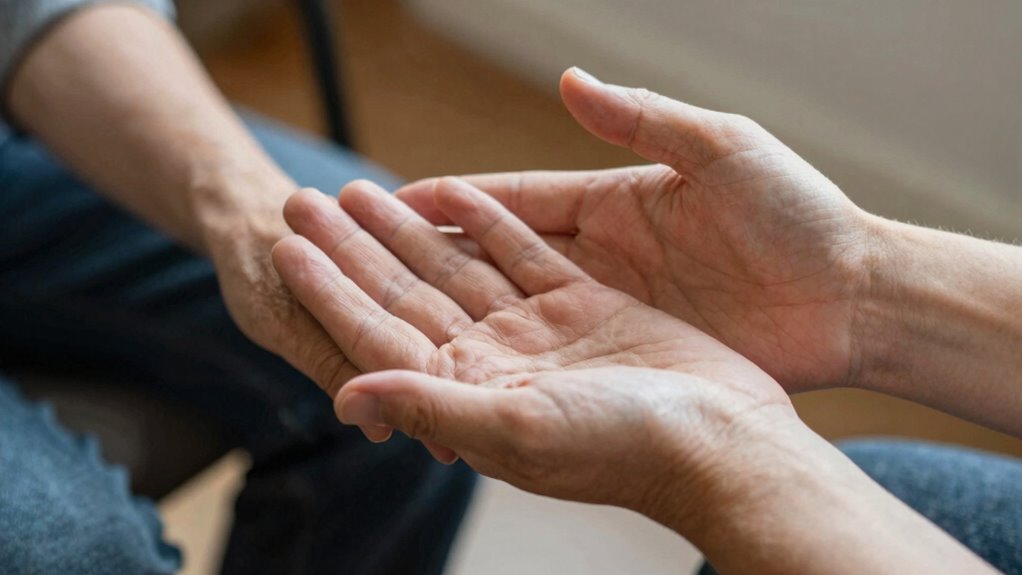
To facilitate effective tactile ASL and ProTactile communication, various tools and techniques have been developed that enhance clarity and connection. Sensory substitution plays a key role, allowing deafblind individuals to interpret signs through touch. Tactile literacy is cultivated by practicing precise finger placement and movement, ensuring messages are understood. Techniques include using a flat hand or two hands to feel sign language, and maintaining consistent pressure to avoid miscommunication. Tools like textured tablets or models help build tactile familiarity. Tactile literacy is essential for effective communication and can be improved through regular practice. Additionally, understanding choreography of signs can improve the flow and accuracy of tactile signing, making interactions more natural. Here’s a visual to picture these methods:
| Tool/Technique | Purpose | Description |
|---|---|---|
| Textured tablets | Tactile literacy | Practice signs with varied textures |
| Hand-over-hand signing | Clarity | Feel signs directly on the hand |
| Tactile models | Sensory substitution | Recognize objects and signs |

AbleNet Buddy Button Switch Blue – Large Tactile Assistive Technology Adaptive Switch Device for Accessibility – Product# 57600
Durable and Reliable Design: Built to withstand frequent use, making it perfect for classrooms, homes, and therapy settings.
As an affiliate, we earn on qualifying purchases.
As an affiliate, we earn on qualifying purchases.
How Tactile ASL Differs From Traditional ASL
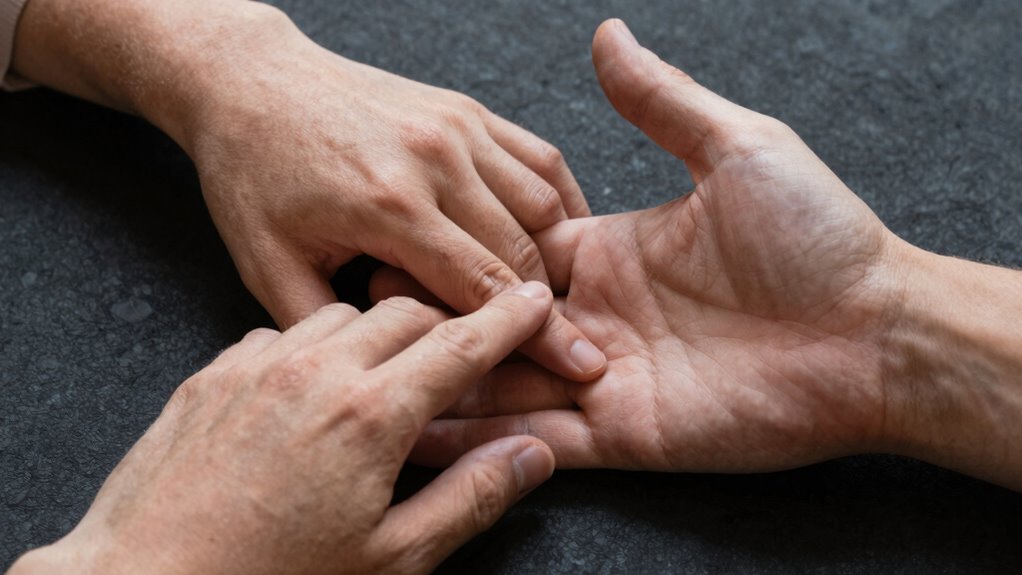
While tools and techniques improve tactile communication, the way signs are conveyed in Tactile ASL differs markedly from traditional ASL. In traditional sign language, gestures are made visually, relying on sight to interpret facial expressions, hand shapes, and movements. Tactile ASL, however, involves sensory adaptation, where you feel the signs through touch. Instead of visual cues, you use your hands and body to receive and produce signs, making the communication more immediate and physical. This shift requires you to develop new awareness of tactile signals and adapt your sign language skills for touch-based interaction. The goal is to ensure clear, effective communication through tactile perception, emphasizing touch over sight and changing how signs are felt and understood.
What Is the ProTactile Approach?

What exactly is the ProTactile approach, and how does it transform communication for DeafBlind individuals? The ProTactile approach emphasizes tactile storytelling, where touch replaces visual cues, creating a richer, more immediate connection. It builds on the evolution of sign language, shifting from visual to tactile modalities to meet DeafBlind needs. This approach encourages active participation, where you feel signs, gestures, and environmental cues through touch, fostering a deeper understanding. Instead of relying solely on visual language, ProTactile prioritizes tactile communication, making interactions more accessible and empowering. It transforms traditional sign language into a dynamic, embodied experience, allowing DeafBlind individuals to share stories, emotions, and information directly through tactile engagement. This approach redefines how connection and understanding happen within DeafBlind communities. Additionally, effective filtration and pump protection ensure that tactile communication devices operate smoothly and reliably, supporting seamless interaction and connection.
How Tactile Sensitivity Shapes DeafBlind Interaction

Tactile sensitivity is central to how DeafBlind individuals navigate and interpret their environment. Your tactile perception allows you to pick up subtle cues through touch, translating physical sensations into meaningful information. This sensitivity is essential for effective sensory integration, blending tactile signals from your surroundings with your internal understanding of space and movement. When you engage in tactile communication, such as tactile ASL or ProTactile methods, your heightened awareness helps you detect nuanced signals from others. This continuous process shapes your interactions, enabling you to respond accurately and quickly. Your ability to perceive and interpret touch influences how you connect, communicate, and build relationships within your community, making tactile sensitivity a cornerstone of DeafBlind interaction. Smart home technology can enhance accessibility by providing adaptive tools that support tactile and environmental awareness. Additionally, understanding the importance of sensory processing can help develop better communication strategies and tools for the DeafBlind community.
Navigating Environments With Tactile Methods
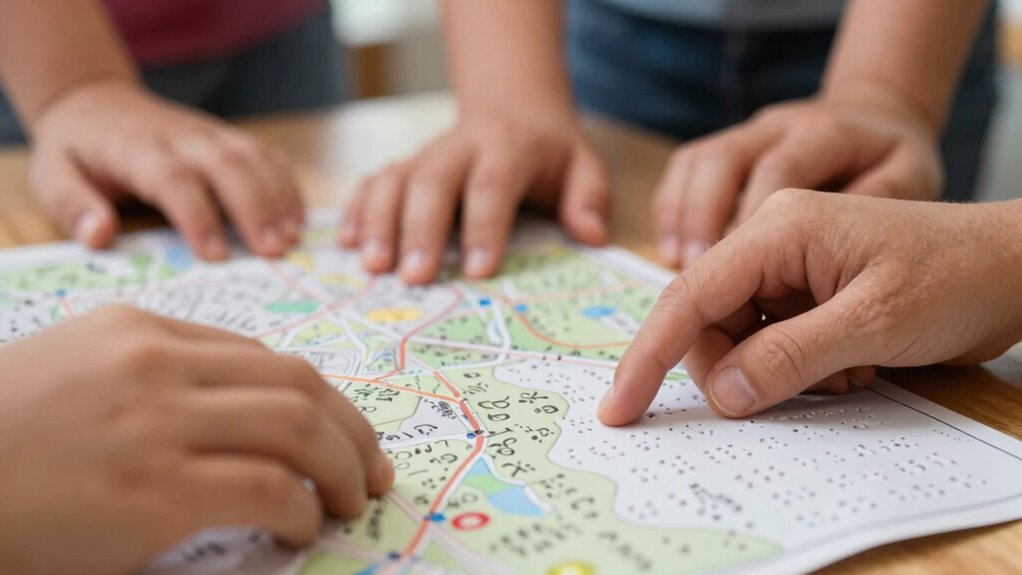
Your heightened tactile sensitivity plays an essential role in how you navigate unfamiliar environments. You rely on sensory integration to interpret textures, surfaces, and spatial cues through touch. By feeling walls, furniture, or guides, you build environmental awareness that helps you move confidently. Tactile signals provide real-time feedback, allowing you to detect obstacles and changes in terrain. To enhance navigation, you may use a cane or touch your surroundings with your hands, sensing shifts and textures. This active engagement sharpens your understanding of the environment.
Heightened tactile sensitivity helps you confidently navigate unfamiliar environments through touch and sensory awareness.
- Feeling surface textures for clues about your location
- Using a cane to detect obstacles and changes
- Tactile cues from other people for guidance
- Building environmental awareness through touch to navigate safely
Common Challenges in Tactile and ProTactile Communication
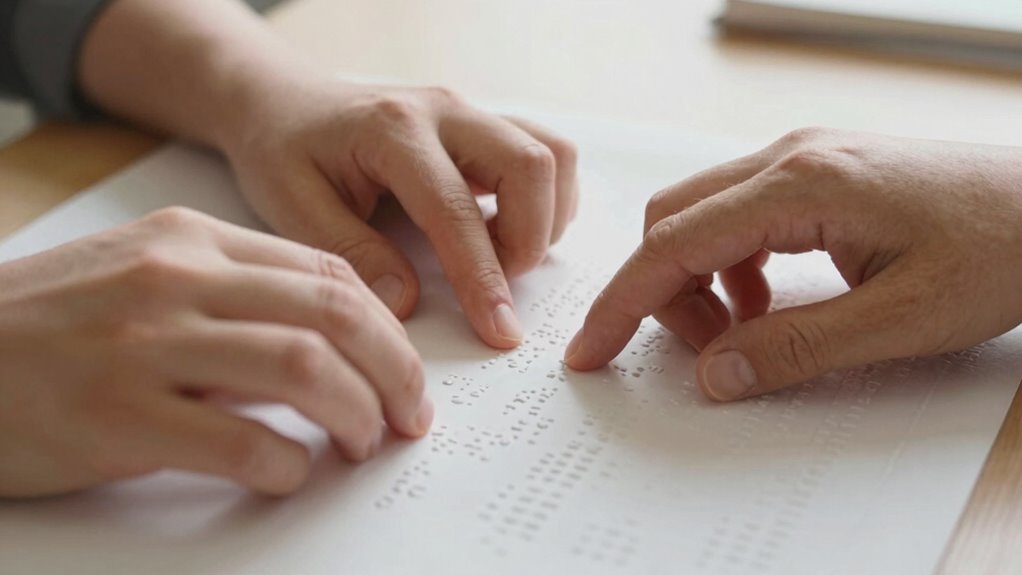
You might find that limited sign vocabulary makes it hard to express complex ideas quickly. Dealing with physical barriers can disrupt your tactile flow and cause confusion. Keeping communication clear requires careful attention to maintain a steady and understandable tactile connection. Additionally, understanding the complexity of character development can help you navigate nuanced interactions in tactile communication.
Limited Sign Vocabulary
Limited sign vocabulary poses a significant challenge in tactile and protactile communication because it restricts your ability to convey complex ideas and nuanced emotions effectively. When your sign language vocabulary is limited, you face communication barriers that can lead to misunderstandings. This challenge makes it harder to express abstract concepts or subtle feelings, creating frustration for both parties. You may need to rely on gestures or descriptions outside your sign language skills, slowing conversations. Building a richer vocabulary takes time and exposure, but it is crucial to improve clarity. Without enough signs, your communication becomes less precise, impacting deeper understanding. Proper vocabulary development is essential for effective tactile communication, helping to bridge gaps in understanding.
Navigating Physical Barriers
Building a strong sign vocabulary is important, but physical barriers can still hinder effective tactile and ProTactile communication. These barriers challenge sensory integration and require environmental adaptation. You might encounter obstacles like crowded spaces or uneven surfaces that disrupt the flow. To navigate, you adapt your environment and adjust your tactile signals. Incorporating piercing care and hygiene practices can also improve comfort and reduce distractions during communication.
Maintaining Clear Tactile Flow
Maintaining a clear tactile flow is essential for effective communication, yet it often presents challenges that can disrupt the connection between signers and receivers. Difficulties in sensory integration or inconsistent tactile feedback can cause misunderstandings or pauses. To keep the flow smooth, you need to stay attuned to your partner’s signals and adjust your pressure or speed accordingly. Distractions or environmental noise may also interfere with tactile cues, making it harder to stay connected. Clear tactile flow depends on mutual awareness and responsiveness, ensuring signals are understood without confusion.
- Recognize subtle tactile feedback cues
- Adjust pressure and speed as needed
- Minimize external distractions
- Practice responsiveness to maintain flow
Skills Needed to Learn and Use Tactile ASL and ProTactile

Learning and using Tactile ASL and ProTactile require a combination of specific skills and openness to new ways of communicating. First, you need tactile sensitivity to feel sign language through touch, which develops with practice. You must be comfortable with close physical contact and able to interpret subtle tactile cues. Strong communication skills in sign language are essential, as you’ll rely on precise hand movements and body positioning to convey meaning. Patience and adaptability also matter, since tactile communication can be nuanced and may take time to master. Being open to learning and working closely with others helps you develop the necessary skills. Additionally, understanding the role of auditory processing in communication can enhance your ability to interpret sensory information effectively. Developing sensory integration skills can further improve your tactile communication abilities. With dedication, you can effectively use tactile sensitivity and sign language to connect and communicate in the ProTactile environment. Building confidence in multisensory communication can help you navigate complex tactile interactions more successfully. Developing a tactile vocabulary is also important for expressing a wide range of concepts clearly. Cultivating adaptability to tactile cues is essential for responding effectively in dynamic communication situations.
Why Understanding Tactile Communication Is Key to Inclusion

Understanding tactile communication is essential because it enables you to fully participate in conversations and social interactions within the Deafblind community. It bridges gaps created by sensory limitations, allowing you to engage through sensory substitution and tactile cues. Recognizing how touch conveys emotional expression helps foster deeper connections and empathy. When you understand tactile signals, you can better interpret feelings and intentions, promoting inclusion. This awareness helps break down communication barriers, ensuring no one feels isolated.
- Develops trust and rapport in social settings
- Enhances your ability to interpret emotional cues
- Promotes independence and confidence
- Fosters a sense of community and belonging
Frequently Asked Questions
How Do Deafblind Individuals Decide Which Tactile Method to Use?
You choose the tactile method based on your sensory preferences and the communication context. If you prefer to feel signs directly, tactile ASL might suit you. In noisy or crowded environments, ProTactile methods could be more effective. You consider what feels most natural and practical for the situation, often consulting with communication partners to decide the best approach. Your choice depends on comfort, clarity, and the specific circumstances you encounter.
Can Tactile ASL and Protactile Be Combined in Communication?
Yes, tactile ASL and ProTactile can be combined in communication, creating a rich sensory experience. You might find that blending these methods enhances sensory integration, allowing for more nuanced understanding. Your communication preferences may shift depending on the situation or your needs. By integrating both, you can customize your approach, making interactions more effective and comfortable. This flexibility empowers you to connect more deeply and intuitively with others.
What Training Is Necessary to Become Proficient in Tactile ASL or Protactile?
To become proficient in tactile ASL or ProTactile, you need targeted training that focuses on skill development and understanding DeafBlind communication nuances. You should seek specialized classes or workshops led by experienced instructors, practice regularly with DeafBlind individuals, and immerse yourself in the community. Building these skills takes time, patience, and consistent effort to master tactile communication methods and effectively connect with DeafBlind people.
How Do Environmental Factors Affect Tactile Communication Effectiveness?
Environmental noise can disrupt tactile communication by making it harder to focus on tactile signals, while poor lighting conditions might affect your awareness of surroundings or visual cues. You need to adapt by finding quieter spaces and ensuring adequate lighting for visual cues when possible. Being aware of these factors helps you maintain effective communication, minimizing misunderstandings and ensuring your messages are clearly received.
Are There Technological Tools That Assist in Tactile ASL and Protactile Communication?
Yes, there are assistive devices and sensory technology that help you communicate more effectively using tactile ASL and ProTactile methods. Devices like haptic feedback gloves and vibration-based alerts enhance sensory input, allowing you to feel signals more clearly. These tools support your connection with others by providing reliable, real-time communication cues, making interactions smoother and more accessible despite environmental challenges or distance.
Conclusion
Understanding tactile ASL and ProTactile communication opens doors to connection and inclusion. When you embrace these touch-based methods, you break down barriers and foster understanding. Remember, “A journey of a thousand miles begins with a single step,” and by learning these techniques, you take that essential first step toward truly supporting the deafblind community. Your effort can make a world of difference—because every touch counts in building bridges of communication.