Tactile labeling helps you identify items easily by touch, reducing mistakes and boosting your independence around the house. It creates an organized environment where you can confidently verify routines, whether it’s medications, utensils, or groceries. Using textured symbols or braille, you can quickly locate and differentiate objects, fostering a sense of control and safety. To discover more ways tactile labeling enhances your daily life, keep exploring how these tools fit into your home setup.

Get everyday helpers delivered free with Prime
- Fast, free delivery on millions of items
- Prime Video, Amazon Music and more included
- Member-only deals all year
Key Takeaways
- Tactile labeling enables DeafBlind individuals to identify objects independently through textured cues and raised symbols.
- It reduces reliance on others for routine organization, fostering confidence and self-sufficiency at home.
- Tactile labels create a structured environment, minimizing confusion and supporting efficient navigation.
- Integration of assistive technology enhances label accessibility, customization, and quick updates for better organization.
- Overall, tactile labeling promotes safety, reduces frustration, and improves daily task management for DeafBlind individuals.
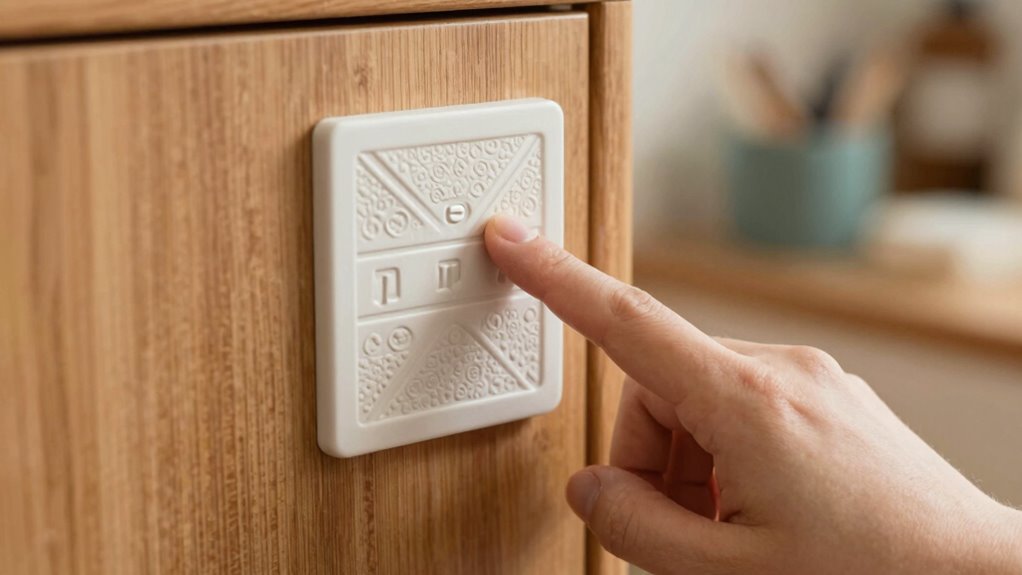
Living with deafblindness presents unique daily challenges, especially when it comes to identifying everyday objects and managing routines. Without sight or hearing, you rely heavily on assistive technology and communication strategies to stay organized and independent. Tactile labeling becomes an essential tool in creating a structured environment where you can quickly and confidently recognize items around your home. It transforms your space into an accessible environment, reducing confusion and streamlining your daily activities.
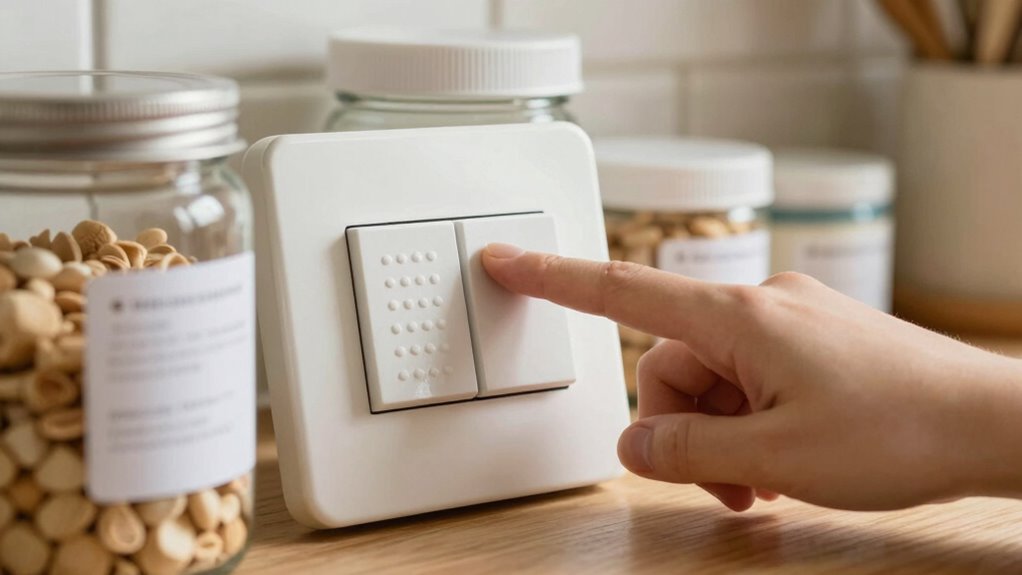
Using tactile labels, you can assign specific textures, shapes, or raised symbols to common objects like medications, kitchen utensils, or personal care products. These labels serve as a tactile map, allowing you to identify items effortlessly through touch. For example, a textured dot or a specific pattern on a jar cap can indicate whether it contains vitamins or spices. This tactile differentiation minimizes errors, saves time, and fosters a sense of control over your surroundings. It’s a practical extension of your existing communication strategies, giving you a way to independently verify and manage your routines.
Tactile labels help identify objects effortlessly, reducing errors and boosting independence through textured, patterned, or raised symbols.
Assistive technology plays a significant role in enhancing tactile labeling systems. For instance, you might use braille labels or embossed tags that can be read by touch. Some advanced options include electronic labels that sync with voice output devices, confirming what an object is when you press or scan it. These innovations help bridge any gaps in traditional tactile cues, especially for those with additional dexterity challenges. Incorporating technology into your labeling system means you can update or customize labels easily, making your organization adaptable over time. Additionally, AI safety principles ensure these assistive devices are designed to prioritize user privacy and reliability.
Effective tactile labeling also encourages independence by reducing your reliance on others for assistance. When you know exactly where everything is and can identify objects confidently, you’re more empowered to handle daily tasks on your own. Clear, consistent labeling supports your routines, whether you’re preparing meals, managing medications, or tidying up. Exploring different tactile cues can help you develop personalized strategies that suit your specific needs and preferences. Incorporating sensory integration techniques can further enhance your ability to distinguish between similar items quickly and effectively. Moreover, understanding how to optimize tactile feedback can improve your overall navigation and object recognition skills within your home environment.
In essence, tactile labeling, complemented by assistive technology and tailored communication strategies, creates a safer, more navigable home environment. It fosters independence, minimizes frustration, and helps you maintain a sense of control over your daily life. By thoughtfully integrating these tools, you build a home environment that actively supports your skills and needs, making everyday living more manageable and less stressful.
As an affiliate, we earn on qualifying purchases.
Frequently Asked Questions
How Durable Are Tactile Labels Over Time?
Tactile labels are quite durable if you choose the right material, but their longevity depends on how well you maintain them. Over time, labels can wear down or peel, especially with frequent handling or exposure to moisture. To extend their lifespan, you should regularly check for signs of wear and perform label maintenance, like cleaning or replacing labels when needed. Proper care helps make certain your tactile labels stay effective longer.
Can Tactile Labeling Be Customized for Individual Needs?
Yes, tactile labeling can be customized for individual needs. You can choose from various personalization options, like specific symbols or braille, to match each person’s preferences and daily routines. Accessibility considerations are central to this process, ensuring labels are easy to read and feel comfortable. By tailoring tactile labels, you make organization more effective and inclusive, helping deaf-blind individuals navigate their environment with confidence and independence.
What Materials Are Best for Tactile Labels?
Like a secret handshake, the best tactile labels use durable materials. Braille embossing creates clear, lasting signs, while textured adhesives guarantee they stay put on various surfaces. Opt for waterproof, tear-resistant options to withstand daily wear. These materials empower you to create personalized labels that foster independence and confidence, making everyday tasks more accessible and meaningful for those who rely on tactile cues.
How Do Tactile Labels Affect Daily Routines?
Tactile labels considerably impact your daily routines by boosting sensory engagement and promoting independence. They help you quickly identify objects, ingredients, or clothing without hesitation, saving time and reducing frustration. With consistent use, these labels become intuitive, making everyday tasks smoother and more manageable. Ultimately, tactile labeling empowers you to navigate your environment confidently, fostering a sense of control and self-sufficiency in your daily life.
Are Tactile Labels Suitable for All Types of Products?
Tactile labels are generally suitable for many products, especially when they include Braille integration and high color contrast for better visibility. However, some items with intricate designs or small sizes might be challenging to label effectively. You should consider the product’s shape and material, ensuring the tactile labels stick well and remain functional. Overall, with thoughtful application, tactile labeling can enhance accessibility for most products.
Conclusion
By embracing tactile labeling, you create a caring, consistent, and clear environment at home. This simple yet powerful practice promotes independence, instills confidence, and fosters familiarity. With each textured tag you place, you’re paving a path of progress, patience, and personalization. You’re not just labeling; you’re leading a loving legacy of learning and liberation. Together, tactile techniques transform everyday tasks into empowering experiences, ensuring that every deafblind individual feels confident, connected, and cared for within the comfort of home.
Fall Picks
fall essentials
As an affiliate, we earn on qualifying purchases.