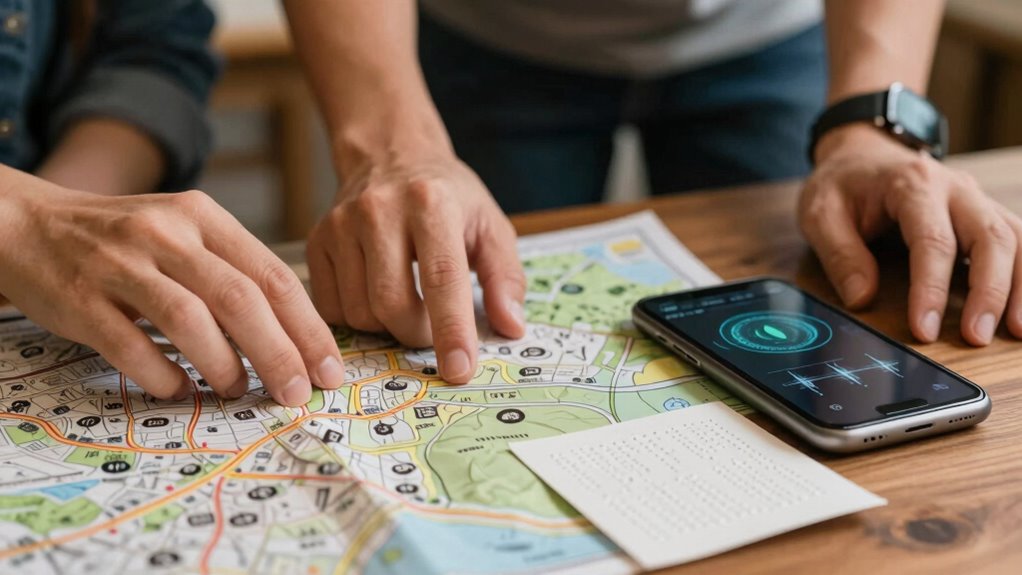
When you plan for DeafBlind travelers, you focus on proactive communication, sensory accommodations, and accessible transportation options. Use tactile cues, braille labels, and assistive tech to guarantee navigation is smooth. Confirm venues and transport are equipped for their needs and share details in advance. Prepare contingency plans for obstacles or communication gaps. By prioritizing these strategies, you can create a seamless experience that supports independence. Keep exploring further to discover more effective ways to provide thorough accessibility.

Get everyday helpers delivered free — and shop member deals
- Fast, free delivery on millions of items
- Access to Prime Big Deal Days deals on October 6–7
- Prime Video, Amazon Music and more included
Key Takeaways
- Travel planning requires detailed coordination of tactile cues, assistive technology, and accessible signage to accommodate sensory and communication needs.
- Advance communication with venues and transportation providers ensures proper training and equipment for DeafBlind assistance.
- Incorporating real-time information tools with tactile, visual, and audio alerts helps manage navigation and safety.
- Sharing specific sensory and communication preferences early enhances independence and reduces travel stress.
- Contingency planning and backup options are essential to address potential communication breakdowns or accessibility barriers.
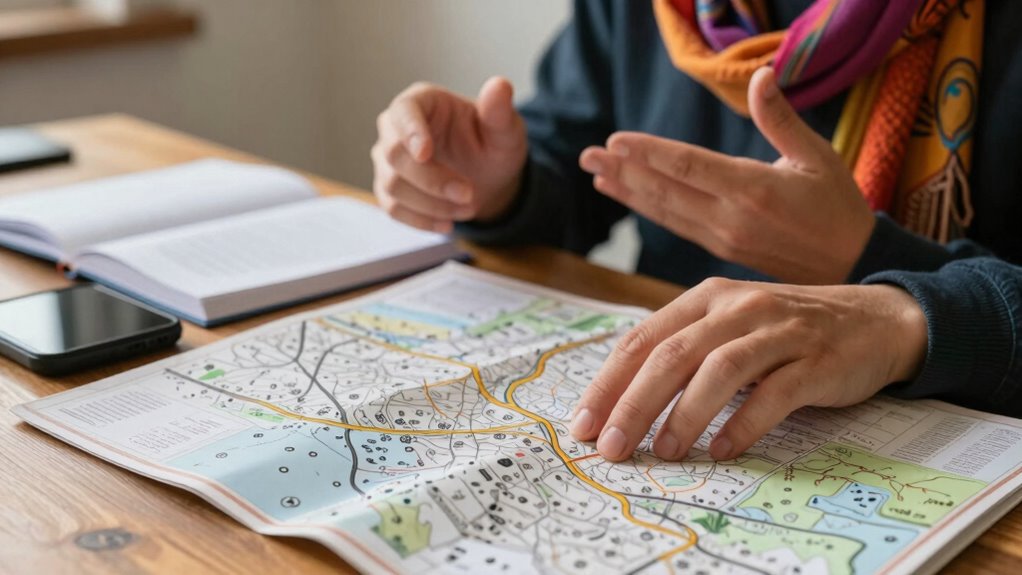
Travel planning can be challenging for DeafBlind individuals, but with proper strategies and resources, it becomes more manageable. When you’re preparing for a trip, it’s essential to contemplate your sensory accommodations and how to communicate effectively throughout your journey. This could include using tactile sign language, braille materials, or assistive technology like refreshable braille displays and speech-to-text apps. These elements are central to making your travel experience smooth and enjoyable. Sensory accommodations involve adjusting your environment to better suit your needs, whether that’s through tactile cues, specialized devices, or accessible signage. You might rely on vibrating alerts for notifications, textured maps, or braille labels to navigate unfamiliar spaces confidently. Incorporating these accommodations into your planning means proactively identifying venues, transportation options, and accommodations that are equipped or willing to support your sensory needs. Planning ahead also includes understanding how biodiversity and conservation efforts can influence accessibility features in certain locations, making your visit more environmentally conscious and inclusive.
Effective travel for DeafBlind individuals requires proactive sensory accommodations and accessible environment planning.
Communication strategies are equally crucial. Since traditional methods like spoken language or visual cues may not be effective, you’ll want to develop tailored approaches to stay connected with staff, fellow travelers, and service providers. This could include using tactile sign language, braille materials, or assistive technology like refreshable braille displays and speech-to-text apps. When booking accommodations or transportation, clearly communicate your needs ahead of time. Confirm that staff are trained to assist DeafBlind travelers or that they have resources such as interpreters or TTY devices available. Carrying a communication card or a brief written explanation of your needs can also facilitate smoother interactions. Additionally, understanding accessibility standards can help you identify venues that are more likely to meet your needs without extensive modifications. Being aware of these standards can empower you to advocate effectively for the accommodations you require. Knowing about inclusive design principles can further enhance your ability to find spaces that are truly accessible and welcoming.
You should also plan how to access real-time information during your trip. Apps with tactile feedback or visual alerts complemented by tactile or audio cues can help you stay informed about schedules, delays, or safety instructions. When arranging transportation, verify that drivers or attendants understand your communication preferences, and consider scheduling pick-ups with enough buffer time to accommodate any assistance or adjustments needed. Incorporating assistive technology into your travel preparations can significantly enhance your ability to navigate unfamiliar environments independently and confidently. Additionally, connecting with local organizations or advocacy groups can provide valuable support and up-to-date information about accessible options in your destination area.
Incorporating sensory accommodations and effective communication strategies into your travel planning isn’t just about safety; it’s about independence and confidence. By thoroughly researching accessible options and sharing your needs in advance, you can reduce surprises and stress. Always have backup plans, such as alternative routes or methods of communication, should your primary strategies encounter obstacles. Remember, your proactive preparation empowers you to navigate new environments with greater autonomy, making travel a more rewarding and inclusive experience.
DeafBlind tactile sign language device
As an affiliate, we earn on qualifying purchases.
As an affiliate, we earn on qualifying purchases.
Frequently Asked Questions
How Do I Find Deafblind-Friendly Transportation Options?
You find deafblind-friendly transportation options by researching services that prioritize accessible technology and inclusive features. Reach out to local disability organizations and community support groups for recommendations. Use apps and online platforms that highlight accessible transportation. Contact providers directly to confirm accommodations like tactile guides or assistive tech. Planning ahead guarantees you access reliable, inclusive transport, making your travel smoother and more comfortable.
What Assistive Devices Are Recommended for Deafblind Travelers?
About 90% of deafblind travelers find assistive technology essential for independence. You should consider devices like vibrating alerts, tactile communication tools, and portable braille displays. Orientation tools such as GPS-based tactile maps or electronic travel aids help you navigate unfamiliar environments confidently. These assistive devices enhance your awareness and communication, making travel safer and more accessible, so you stay empowered and in control during your journeys.
How Can I Ensure Accommodations Meet Deafblind Access Needs?
You can guarantee accommodations meet your deafblind access needs by communicating your requirements clearly and early. Focus on sensory integration, requesting features like tactile indicators or textured pathways. Seek emotional support from staff trained to assist you, and verify that they understand your needs. Regularly update your travel providers about any changes, and bring any necessary assistive devices. Staying proactive helps create a comfortable, inclusive environment for your journey.
Are There Specialized Tour Guides for Deafblind Travelers?
Yes, specialized tour guides for deafblind travelers exist, transforming travel experiences into unforgettable adventures. These guides are trained to provide sensory adaptation and emotional support, ensuring you feel safe and engaged. They use tactile signing, gentle touch cues, and personalized communication methods, creating a seamless journey. With these guides, you’ll explore new places with confidence, knowing someone is dedicated to meeting your unique needs and making your trip truly extraordinary.
How Do I Communicate Effectively With Service Providers?
You communicate effectively with service providers by clearly expressing your needs using sign language or tactile communication methods. Carry a communication card explaining your preferences, and ask providers if they’re familiar with tactile signing or other accessible techniques. Be proactive, and don’t hesitate to request assistance or clarification. Building a rapport with staff guarantees smoother interactions, making your travel experience more comfortable and inclusive.
Conclusion
You might wonder if true accessibility is achievable for deafblind travelers. The truth is, with thoughtful planning and innovative solutions, it’s possible to create journeys that are inclusive and empowering. When you prioritize understanding and adapt to diverse needs, you break down barriers, proving that travel can be a universal experience. Embrace these changes, and you’ll see that everyone deserves the chance to explore the world—because accessibility isn’t just a goal, it’s a right.
Halloween Picks
halloween
As an affiliate, we earn on qualifying purchases.