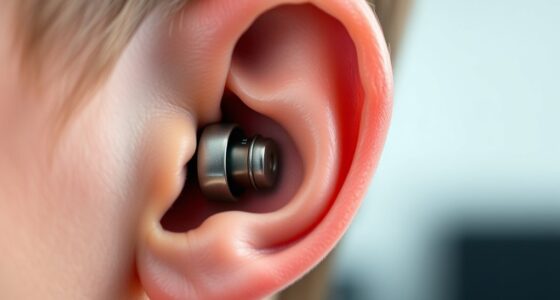

If you’re experiencing ear or hearing issues, knowing who to see first depends on your symptoms. For minor concerns like earwax buildup, slight hearing changes, or balance problems, an audiologist can often help with diagnostics and hearing aids. However, if you have severe pain, infections, sudden hearing loss, or structural problems, it’s best to consult an ENT doctor. Understanding these roles will guide you toward the right specialist—keep exploring to learn more about when and why to see each.
Key Takeaways
- See an audiologist for hearing assessments, balance issues, and fitting hearing aids; consult an ENT for infections, structural problems, or surgeries.
- Early signs like hearing loss, dizziness, or ear discomfort warrant visiting an audiologist or ENT based on severity.
- Use an ENT for persistent ear infections, pain, drainage, or when medical intervention or surgery is needed.
- Refer to an audiologist for non-invasive management of hearing loss, tinnitus, and balance testing.
- Both specialists collaborate for comprehensive diagnosis and treatment of complex ear, nose, and throat conditions.
Who Should I See First for Ear or Hearing Problems?

If you’re experiencing ear or hearing problems, it’s often best to start by consulting an audiologist. They can perform earwax removal, which is a common cause of temporary hearing loss or discomfort. An audiologist will also conduct balance testing if you’re feeling dizzy or unsteady, helping identify issues related to your inner ear. These professionals are trained to evaluate your hearing health and address minor concerns before they worsen. If the problem persists or requires more complex treatment, they may refer you to an ENT doctor. Starting with an audiologist ensures you get targeted, non-invasive care quickly, especially for common issues like earwax buildup or balance concerns. Additionally, modern diagnostic tools allow audiologists to detect subtle hearing issues early, facilitating more effective treatment. This approach helps you determine whether specialized medical intervention is necessary.
What Do Audiologists and ENT Doctors Do?

You’ll find that audiologists focus on identifying hearing issues and fitting hearing aids, while ENT doctors handle a broader range of ear, nose, and throat conditions. Their diagnostic procedures and treatment responsibilities differ, reflecting their distinct scopes of practice. Understanding these differences helps you know who to see for specific ear or hearing concerns. Additionally, when it comes to home theater projectors, each specialist’s expertise can be be relevant if you’re considering audio-visual solutions for your space. For example, knowledge of electric bikes and their performance can be useful when discussing the setup of audio systems in modern entertainment rooms. Recognizing the benefits of aquatic exercises can also inform your choices for therapies or fitness routines involving water-based activities.
Scope of Practice
Audiologists and ENT doctors have distinct but sometimes overlapping roles when it comes to diagnosing and treating ear, nose, and throat conditions. You’ll find audiologists focusing on hearing and balance, offering hearing aid options and performing balance assessments. ENT doctors handle more complex medical issues like surgeries or infections. To visualize, consider this table:
| Role | Focus Area | Procedures/Services |
|---|---|---|
| Audiologist | Hearing & Balance | Hearing tests, hearing aids, balance assessments |
| ENT Doctor | Medical & Surgical | Surgeries, infections, sinus issues |
While audiologists primarily manage hearing and balance concerns, ENTs address broader medical conditions. Both contribute to your ear, nose, and throat health, but their scope of practice guides when you see one over the other. Recognizing the scope of practice can help determine the appropriate specialist for your needs.
Diagnostic Procedures
Diagnostic procedures help determine the root cause of ear, nose, or throat issues, guiding effective treatment. As an audiologist or ENT specialist, you’ll perform various assessments to identify specific problems. These include:
- Conducting hearing assessments to measure hearing ability and identify hearing loss.
- Performing balance testing to evaluate your vestibular system and diagnose balance disorders.
- Using otoscopy to inspect the ear canal and eardrum for abnormalities.
- Administering specialized tests, such as audiometry or tympanometry, to gather detailed information about ear function.
- Utilizing advanced diagnostic technology to enhance accuracy and efficiency in identifying issues. Additionally, understanding the role of diagnostic procedures helps professionals choose the most appropriate tests for each patient.
These procedures help pinpoint issues like hearing impairment, vertigo, or infections, ensuring you receive the most appropriate care. Both audiologists and ENT doctors utilize these diagnostic tools to develop targeted treatment plans.
Treatment Responsibilities
While both audiologists and ENT doctors play essential roles in managing ear, nose, and throat health, their treatment responsibilities differ considerably. Audiologists focus on improving hearing and balance, fitting hearing aids, and managing balance disorders through rehabilitative strategies. They conduct assessments and recommend devices to enhance your auditory health. ENT doctors, on the other hand, diagnose and treat a broader range of conditions, including infections, tumors, and structural issues in the ears, nose, and throat. They perform surgeries when necessary. If you’re experiencing hearing loss or balance problems, an audiologist can help with non-invasive solutions. However, if your condition requires surgical intervention or diagnosis of underlying medical issues, an ENT doctor is your go-to. Both professionals work together for extensive care. Understanding the roles of audiologists and ENT doctors can help you make informed decisions about your health care.
How Do I Know If I Need an Audiologist or an ENT?

Determining whether you need to see an audiologist or an ENT depends on the nature and severity of your hearing or ear-related issues. If you experience specific symptoms, ask yourself:
- Are you struggling with hearing loss and exploring hearing aid options?
- Do you have persistent dizziness or balance disorders?
- Is there ear pain, infection, or a sudden change in hearing?
- Are your symptoms linked to ongoing or severe conditions requiring medical intervention? Understanding the difference in their specializations can help guide your decision. An audiologist specializes in hearing assessments, hearing aid fittings, and managing balance disorders related to inner ear issues. An ENT handles more complex conditions, including infections, structural problems, or injuries needing surgical treatment. Recognizing these signs helps you choose the right specialist for your needs. Additionally, knowing when to seek specialist care can prevent complications and ensure appropriate treatment. Being aware of environmental considerations, such as avoiding loud noises or protecting your ears from damage, can also be important in managing ear health. For example, understanding the anatomy of the ear can help you better recognize symptoms that require prompt attention. Furthermore, understanding the role of the inner ear in balance and hearing can assist in identifying issues that may require specialized intervention.
What Common Ear Conditions Do ENT Doctors Treat?
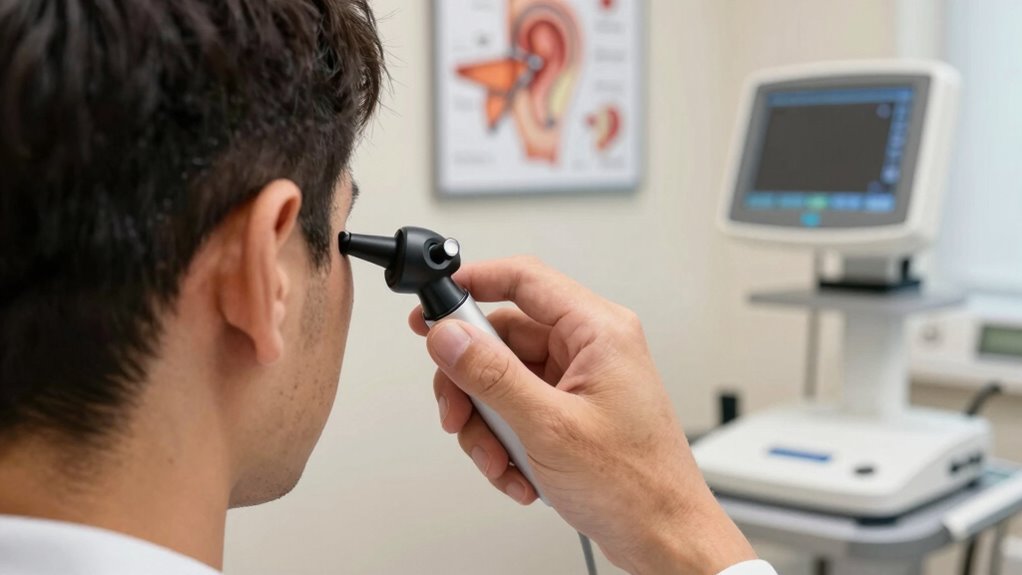
ENT doctors treat a variety of ear conditions, including infections that cause pain and discomfort. They also diagnose hearing loss and help develop treatment plans to improve your hearing. Additionally, ENT specialists manage tinnitus, ringing or buzzing in the ears that can affect your quality of life.
Ear Infection Treatment
Ear infections are common conditions that ENT doctors frequently treat. When you have an ear infection, the treatment options depend on the infection type and severity. An ENT specialist can evaluate your symptoms and determine the best course of action. Typically, they consider:
- Antibiotics for bacterial infections
- Pain relievers to manage discomfort
- Ear drops to reduce inflammation
- Draining procedures for fluid buildup
In some cases, especially with persistent or recurrent infections, more advanced interventions might be necessary. Early diagnosis and appropriate treatment are essential to prevent complications. Additionally, specialized water park facilities are sometimes available at family-friendly resorts, making them a convenient option for recovery and relaxation. If you suspect an ear infection, especially if pain, fever, or hearing issues develop, consulting an ENT ensures you receive targeted and effective treatment options tailored to your condition. Understanding treatment options can help you make informed decisions about your ear health, especially considering the importance of early intervention and proper management to prevent complications. Recognizing the signs of ear infections early can also facilitate timely referrals to specialists, ensuring better outcomes. Moreover, ENT doctors can perform diagnostic tests to accurately identify the cause of the ear condition and customize the treatment plan accordingly.
Hearing Loss Diagnosis
When you experience unexplained hearing difficulties or sudden changes in your hearing, an ENT doctor can help identify the underlying cause. They perform thorough hearing test procedures to evaluate your auditory health, including audiometry and imaging if needed. Once they diagnose the issue, they can recommend suitable hearing aid options tailored to your needs. ENT doctors also treat common ear conditions like sensorineural or conductive hearing loss, ear infections, and damage from trauma. Their expertise ensures accurate diagnosis and effective treatment plans, which may involve medical intervention or referrals to audiologists for specialized hearing assessments. If you notice persistent hearing problems, seeing an ENT early can help preserve your hearing and improve your quality of life.
Tinnitus Management
Have you ever experienced ringing, buzzing, or other persistent noises in your ears? If so, tinnitus management might be necessary. ENT doctors commonly treat conditions related to tinnitus causes such as:
- Noise-induced hearing loss, which can be prevented with proper hearing protection.
- Ear infections or blockages that impact auditory signals.
- Age-related hearing decline affecting ear structure and function.
- Inner ear disorders like Meniere’s disease.
An ENT specialist can evaluate these causes, recommend appropriate treatments, and advise on hearing protection strategies to prevent further damage. Managing tinnitus often involves addressing the underlying condition and exploring sound therapy or medications to reduce symptoms. Seeing an ENT ensures extensive care tailored to your specific ear health needs. Additionally, ENT doctors can perform ear examinations to identify other potential issues contributing to tinnitus symptoms.
When Should You Visit an ENT for Ear Issues?

If you experience persistent or severe ear problems, it’s important to see an ENT specialist promptly. You should visit an ENT if you’re dealing with ongoing earwax buildup that won’t resolve with regular cleaning; they can perform safe earwax removal. Seek immediate care if you experience sudden hearing loss, dizziness, or vertigo, as these may indicate underlying conditions needing urgent assessment. An ENT can conduct a thorough balance assessment to diagnose issues affecting your equilibrium. Additionally, if you have ear pain, drainage, or signs of infection that don’t improve, an ENT’s expertise is vital. Proper ear health management is essential to prevent long-term damage. Regular checkups and understanding breed-specific dietary needs can also support overall ear health. Using the appropriate filtration systems can help protect your ears from debris and reduce the risk of infection. Maintaining a clean environment and understanding the importance of ear cleaning techniques can further help prevent complications. Being aware of advanced home security systems can provide additional safety measures for your household. Don’t delay consulting an ENT if your symptoms are persistent or worsening.
What Are the Training and Qualifications of Audiologists vs. ENTs?

Audiologists and ENT specialists undergo markedly different training paths, reflecting their specialized roles in ear health. Your understanding of their training qualifications helps clarify their scope of expertise. Audiologists typically complete:
- A master’s or doctoral degree in audiology
- Clinical internships for hands-on experience
- Licensing or certification processes
- Continuing education to stay current
- Proficiency in voiceover skills can enhance their communication effectiveness in clinical settings. Additionally, their training emphasizes preventive care and non-invasive diagnostic techniques to support early detection of hearing issues.
In contrast, ENTs are medical doctors who pursue:
- Medical school with an MD or DO degree
- Residency training in otolaryngology
- Board certification in ENT specialties
- Ongoing medical education
These distinct training paths ensure each professional is equipped with the right skills to address different ear health needs efficiently.
How Can I Decide Between Seeing an Audiologist or an ENT?

Understanding the differences in training between audiologists and ENT specialists can help you determine which professional to see for your ear health concerns. If you’re mainly interested in hearing aids or managing hearing loss, an audiologist is typically the right choice. They specialize in hearing tests, fitting hearing aids, and addressing balance disorders related to inner ear issues. On the other hand, if your symptoms involve persistent ear infections, severe pain, or other complex conditions, an ENT (ear, nose, and throat doctor) is better equipped to diagnose and treat underlying medical issues. Consider the urgency and complexity of your symptoms, and choose the professional who aligns with your specific needs. Both can provide valuable care, but knowing your primary concern helps guide your decision.
What Questions Should I Ask During My Appointment?

Knowing what to ask during your appointment can make a significant difference in getting the care you need. Be prepared to inquire about options like hearing aids and whether they’re suitable for you. Also, ask about the necessity of balance testing if you experience dizziness or imbalance. Here are some key questions to contemplate:
Preparing questions about hearing aids and balance testing can improve your care.
- What hearing aids would suit my lifestyle and hearing loss level?
- How often should I get balance testing, and what does it involve?
- Are there any underlying conditions contributing to my hearing or balance issues?
- What treatment options are available if my hearing or balance problems worsen?
Asking these questions helps you understand your condition and the next steps, ensuring you receive targeted and effective care.
Why Early Care With the Right Specialist Matters?

Addressing hearing and balance issues early on can make a significant difference in your overall health and quality of life. Timely intervention with the right specialist guarantees problems like earwax buildup are promptly managed through earwax removal, preventing further discomfort or hearing loss. Early care also involves balance testing, which helps detect issues before they lead to falls or injuries. When you seek help early, you prevent minor issues from becoming chronic or more complex. Whether you see an audiologist or an ENT, getting evaluated promptly allows for accurate diagnosis and effective treatment. This proactive approach keeps your hearing sharp and your balance stable, ensuring you stay active and confident in your daily life. Early care truly makes all the difference.
How Can Audiologists and ENTs Work Together to Help You?

Audiologists and ENT specialists often collaborate to provide thorough care for hearing and balance issues. This multidisciplinary approach guarantees you receive comprehensive treatment tailored to your needs. Here’s how they work together:
- Sharing diagnostic information to pinpoint the exact problem quickly.
- Combining expertise to develop personalized treatment plans.
- Coordinating interventions, such as hearing aids or medical procedures.
- Monitoring progress and adjusting care strategies as needed.
This collaborative care maximizes your chances of successful outcomes and streamlines your experience. By working as a team, audiologists and ENTs address all aspects of your condition, from initial diagnosis to ongoing management. Their partnership ensures you get the most effective, holistic support for your hearing and balance health.
Frequently Asked Questions
Can Audiologists Diagnose and Treat Ear Infections?
No, audiologists can’t diagnose or treat ear infections. They focus on hearing tests, ear health assessments, and hearing aid fittings. If you suspect an ear infection, you should see a healthcare professional like an ENT, who can perform ear infection diagnosis and provide appropriate treatment. While audiologists manage hearing-related issues, ear infections require medical intervention from a doctor to prevent complications and ensure proper care.
What Signs Indicate a Need for Hearing Aids?
If you notice that you’re missing out on conversations or straining to hear in noisy places, it’s time to think about hearing aids—over 48 million Americans experience hearing loss. Signs include difficulty understanding speech, ringing, or dizziness. Explore hearing aid options suited to your needs, and remember, proper hearing aid maintenance keeps them performing well. Seeing an audiologist ensures you get fitted correctly and learn how to care for your devices effectively.
How Often Should I See an Audiologist for Hearing Checkups?
You should see an audiologist for routine screenings at least once a year to maintain your hearing health. Regular checkups help catch early signs of hearing loss or issues, ensuring timely intervention. If you notice changes like difficulty hearing or ringing, schedule an appointment sooner. Consistent visits allow your audiologist to monitor your hearing, recommend adjustments, and keep your hearing sharp and healthy over time.
Are ENT Specialists Involved in Tinnitus Management?
Yes, ENT specialists are involved in tinnitus management. They perform thorough examinations of your ear canal and conduct hearing screenings to identify underlying issues. If your tinnitus is linked to ear infections, earwax buildup, or other ear conditions, an ENT can provide medical treatments. For persistent tinnitus, they may collaborate with audiologists to develop a extensive plan, including sound therapy or counseling, to help manage your symptoms effectively.
What Are the Latest Advancements in Hearing Loss Treatment?
Did you know that over 50% of hearing loss cases can now be improved with the latest advancements? You’ll find cutting-edge hearing aid technology offering smarter, more discreet devices that adapt to your environment. Cochlear implant advancements also enhance sound clarity and speech understanding. These innovations mean you can enjoy better hearing than ever before, making it easier to stay connected and engaged in your daily life.
Conclusion
Choosing the right clinician can clear confusion and create a confident course for your care. Whether you’re seeking hearing help or ear expertise, understanding when and why to see an audiologist or ENT makes a difference. Don’t delay your diagnosis or delay your delight in hearing well. Remember, timely treatment transforms troubles into treatments, and teamwork between audiologists and ENTs turns troubles into triumphs. Take charge, and get the care you deserve today!