Your ears capture sound by funneling waves through the outer ear to the eardrum, which vibrates in response. These vibrations pass through tiny bones in the middle ear that amplify them and send them to the cochlea in the inner ear. Inside the cochlea, hair cells convert these vibrations into electrical signals for your brain to interpret as sound. If you keep exploring, you’ll discover even more about how each part works together to help you hear.
Key Takeaways
- The outer ear collects sound waves and directs them toward the eardrum for initial sound reception.
- Vibrations from the eardrum are transferred and amplified by the ossicles in the middle ear.
- The cochlea in the inner ear converts mechanical vibrations into electrical signals via hair cells.
- Fluid movement within the cochlea bends hair cells, creating nerve signals sent to the brain for sound interpretation.
- The inner ear also detects head movements and maintains balance through semicircular canals and otolith organs.
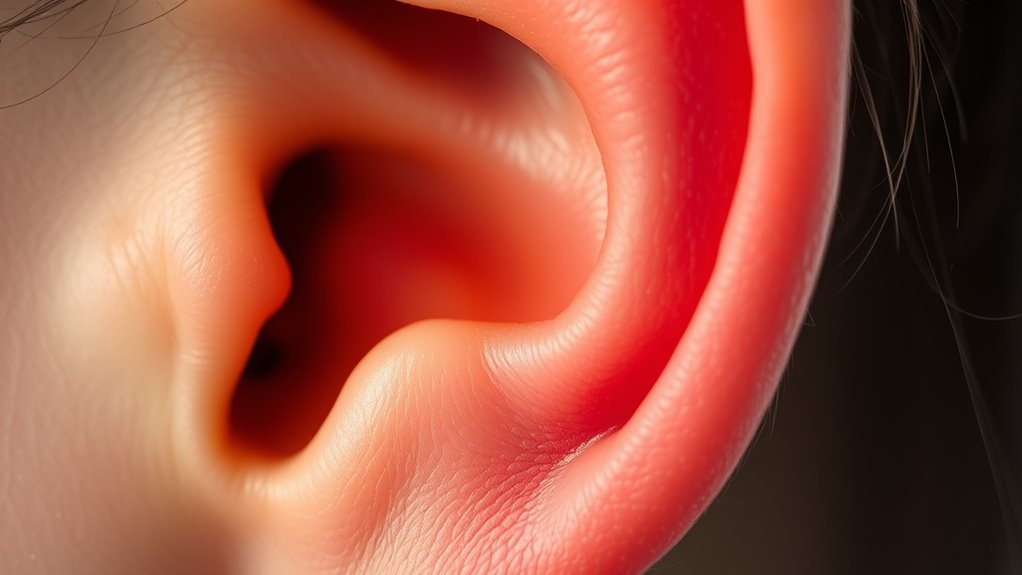
Your ear is a complex structure that allows you to hear and maintain your balance. When sound waves reach your ear, they first travel through your outer ear and into your ear canal. This canal acts as a funnel, guiding sound toward your eardrum, which then vibrates in response to these waves. The ear canal also helps protect the delicate parts inside your ear from dust, debris, and changes in temperature. Its shape and length amplify certain sound frequencies, making it easier for you to pick up on speech or other important noises in your environment.
Once the sound waves pass through the ear canal and hit your eardrum, they cause it to vibrate. These vibrations are transferred to the tiny bones in your middle ear—known as ossicles—which include the malleus, incus, and stapes. These bones work together like a lever system, amplifying the vibrations to send them deeper into your ear. The next stop is the inner ear, which is a critical component for both hearing and balance. The inner ear contains the cochlea, a snail-shaped structure filled with fluid and tiny hair cells. When vibrations reach the cochlea, they create waves in the fluid that bend these hair cells, converting mechanical energy into electrical signals.
Your brain then interprets these electrical signals as recognizable sounds, allowing you to understand speech, music, or other noises. The inner ear also includes the vestibular system, which consists of semicircular canals and otolith organs. These structures detect head movements and position, helping you keep your balance and coordinate your movements. The inner ear’s intricate design enables it to perform both hearing and balance functions seamlessly. Its fluid-filled chambers and hair cells are highly sensitive, so even small vibrations can be detected accurately.
Understanding how the inner ear and ear canal work together reveals the remarkable precision behind your sense of hearing and balance. When you hear a sound, it’s not just passive; your ear actively captures, amplifies, and transmits signals to your brain for interpretation. Similarly, your inner ear constantly monitors your position and movement, working behind the scenes to keep you upright and stable. This sophisticated coordination between the outer, middle, and inner ear components allows you to navigate your environment safely and enjoy a rich auditory experience. Recognizing the complexity of your ear’s anatomy underscores how essential each part is to your everyday life, from hearing a loved one’s voice to maintaining your balance on uneven surfaces.

EVOTECH SCIENTIFIC Human Ear Model Anatomy, 4 Parts 3X Enlarged Anatomical Model of Ear Display Outer, Middle, Inner Ear Model for Medical Anatomy and Physiology Study Teaching with Base
Teaching Ear Structure Model – This ear model is 3X enlarged and can be split into 4 parts,…
As an affiliate, we earn on qualifying purchases.
As an affiliate, we earn on qualifying purchases.
Frequently Asked Questions
How Does the Ear Balance Equilibrium and Spatial Orientation?
You rely on your vestibular system to maintain balance and spatial orientation. It detects changes in head position and motion, activating balance mechanisms in your inner ear. When you move, tiny hair cells send signals to your brain, helping you stay steady and oriented. This system works seamlessly, coordinating with your eyes and muscles, so you can walk, turn, and stay balanced without even thinking about it.
What Causes Ear Infections and How Are They Treated?
Ear infection causes include bacteria, viruses, or fungi entering the middle or outer ear, often from colds or allergies. Symptoms like pain, swelling, or discharge indicate an infection. For treatment, you should see a doctor who may prescribe antibiotics for bacterial infections or recommend pain relievers and home remedies. Keeping ears dry and avoiding inserting objects can help prevent future ear infections.
Can Ear Anatomy Affect Speech Development?
Your ear anatomy can indeed affect speech development. If the ear canal is narrow or blocked, or if the auditory ossicles don’t transmit sound properly, you may struggle to hear clearly. This can delay your ability to recognize speech sounds, affecting language skills. Proper functioning of these structures is essential for accurate hearing, which in turn supports normal speech development. If these parts are compromised, it’s important to seek early intervention.
What Are Common Causes of Tinnitus?
Your inner ear might be playing tricks on you with constant ringing, often caused by loud noises, ear infections, or earwax buildup. These ringing causes can make you feel like your head’s about to explode! Exposure to loud sounds damages delicate inner ear structures, leading to tinnitus. Ear injuries, age-related hearing loss, or medications can also trigger this persistent ringing. Stay alert—your inner ear’s health is vital!
How Does Aging Impact Ear Function and Hearing Loss?
As you age, age-related degeneration affects your ear structures, leading to gradual hearing loss. This deterioration impacts hair cells in your cochlea, making it harder to detect sound. Hearing aid technology can help offset these changes, improving your hearing. Regular check-ups ensure you stay ahead of age-related decline, allowing you to maintain better communication and quality of life despite natural aging processes.

Debrox Ear Wax Removal Kit, Bulb Syringe & 0.5 Fl Oz Ear Wax Removal Drops with Carbamide Peroxide
Debrox Ear Wax Removal Drops use microfoaming action to gently soften and loosen excess ear wax, allowing it…
As an affiliate, we earn on qualifying purchases.
As an affiliate, we earn on qualifying purchases.
Conclusion
Understanding your ear’s anatomy is like revealing a tiny, delicate orchestra inside your head. From the outer ear capturing sound waves to the inner ear turning them into signals your brain understands, each part plays a vital role. Now, when you listen to your favorite song or a friendly chat, remember you’re hearing through a finely tuned instrument working in harmony. Appreciate this marvel of nature—your ears are truly the unsung heroes of your daily life.

Peltor Sport Tri-Flange Corded Reusable Earplugs, 3 Pair, Noise Reduction Rating (NRR) 26 dB, Comfortable Fit, Ideal For Range, Shooting & Hunting, Washable and Corded, Neon Yellow (97317-10C)
26 dB Noise Reduction Rating (NRR)
As an affiliate, we earn on qualifying purchases.
As an affiliate, we earn on qualifying purchases.
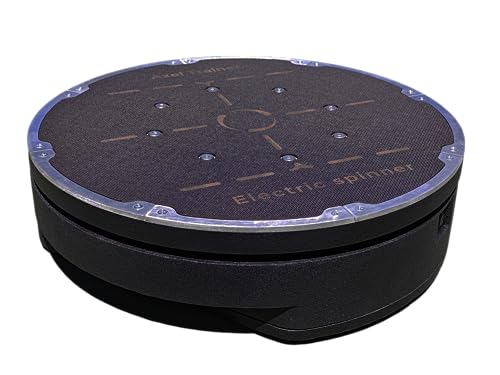
Axel trainer electric spinner for Figure skating jumps, ballet, rotation, Balance, vestibular system, gymnastics (Black Disk/Black Bag)
Electric spinner for figure skating or any rotational sport
As an affiliate, we earn on qualifying purchases.
As an affiliate, we earn on qualifying purchases.