
Ear infections can temporarily block sound transmission, leading to hearing difficulties and sometimes damage if left untreated. Recurrent infections may cause long-term harm to ear structures and even cause permanent hearing loss. Recognizing symptoms early and seeking prompt treatment is vital to protect your hearing health. If you keep exploring, you’ll discover more about prevention and how to maintain your ear health for the future.
Key Takeaways
- Ear infections cause inflammation and fluid buildup in the middle ear, blocking sound transmission.
- Untreated infections can lead to temporary or permanent hearing loss over time.
- Early recognition and treatment of ear infections help prevent long-term hearing damage.
- Recurrent infections may damage ear structures, increasing the risk of chronic hearing impairment.
- Preventive measures like good hygiene and vaccinations reduce the likelihood of ear infections affecting hearing.

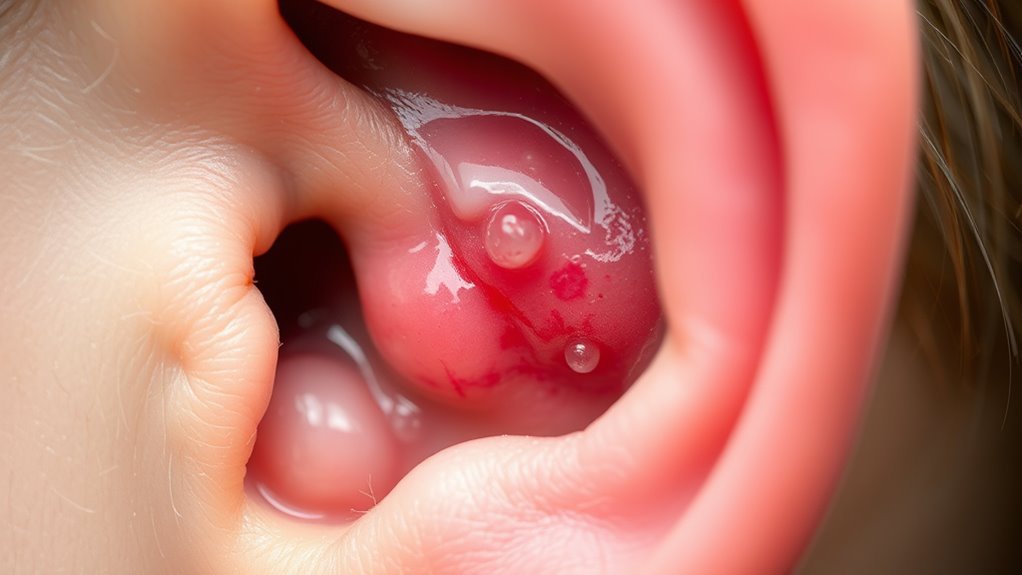
Ear infections are common, especially in children, and can considerably affect your hearing. When an infection occurs in the middle ear, it causes inflammation and fluid buildup, which can block sound from reaching your eardrum properly. This blockage can lead to temporary hearing loss, making it harder to hear conversations, alarms, or everyday sounds. If left untreated or if infections recur frequently, they can potentially cause more lasting damage to your ear structures, increasing the risk of permanent hearing impairment. Recognizing the symptoms early and seeking prompt treatment is essential to prevent complications.
Ear infections can cause temporary hearing loss and potential long-term damage if untreated.
When it comes to treatment options, antibiotics are often prescribed if a bacterial infection is diagnosed. However, not all ear infections require antibiotics, especially viral ones, which tend to resolve on their own. Over-the-counter pain relievers can help manage discomfort, and sometimes your doctor may recommend warm compresses to alleviate pain and reduce inflammation. In cases where fluid persists or recurrent infections happen, your healthcare provider might suggest other interventions, such as drainage tubes or more advanced procedures to prevent long-term damage. It’s important to follow your doctor’s instructions carefully and complete any prescribed medication courses to guarantee the infection clears completely.
Preventing ear infections involves adopting effective strategies that reduce your risk of developing them in the first place. Good hygiene plays a critical role; washing hands regularly helps prevent the spread of germs that can cause infections. Keeping your ears dry, especially after swimming or bathing, minimizes the chance of bacteria and fungi taking hold. Avoiding cigarette smoke is another key prevention strategy, as exposure to smoke irritates the respiratory system and increases susceptibility to ear infections. Additionally, staying up-to-date with vaccinations, such as the pneumococcal and flu vaccines, can help prevent illnesses that often lead to ear infections. For young children, breastfeeding provides immune support and reduces the likelihood of ear infections compared to formula feeding.
Keeping nasal passages clear through gentle saline sprays or avoiding irritants can also help prevent ear infections by reducing congestion and pressure buildup in the Eustachian tube. Managing allergies effectively can decrease inflammation and fluid retention around the ear. Finally, maintaining regular checkups with your healthcare provider allows early detection and treatment of ear issues before they escalate. By implementing these prevention strategies and being attentive to symptoms, you can greatly lower your chances of suffering from ear infections and protect your hearing health in the long run. Vetted – The Pinball Spot

Hyland's Earache Drops, Natural Relief of Swimmer's Ear, Cold and Flu, Allergy Symptoms, Ages 4 and up, Day and Night, 0.33 Fl Oz
RELIEF OF EARACHE SYMPTOMS: Temporarily relieves pain or itching from swimmer’s ear, clogged ears, and ear pain or…
As an affiliate, we earn on qualifying purchases.
As an affiliate, we earn on qualifying purchases.
Frequently Asked Questions
Can Ear Infections Cause Permanent Hearing Loss?
Yes, ear infections can cause permanent hearing loss if they lead to long-term damage. If the infection causes complications like a ruptured eardrum or spreads to the inner ear, it may damage delicate structures responsible for hearing. Prompt treatment can prevent long-term damage, but untreated infections might result in permanent hearing issues. Always seek medical attention if you suspect an ear infection to avoid potential long-term hearing damage.
Are Children More Prone to Ear Infections Than Adults?
You probably wonder if children are more prone to ear infections than adults. Actually, around 75% of kids experience at least one ear infection before age three, thanks to their still-developing immune systems. Childhood susceptibility is higher because their immune defenses aren’t fully mature, making it easier for infections to take hold. This vulnerability decreases as their immune system strengthens with age, but early infections can still impact hearing temporarily.
How Can I Tell if an Ear Infection Is Serious?
You can tell if an ear infection is serious by paying attention to symptom severity and treatment urgency. If you experience intense pain, high fever, fluid drainage, or hearing loss, seek medical help promptly. Persistent symptoms beyond a few days or worsening condition indicates a need for urgent treatment. Don’t ignore these signs, as early intervention can prevent complications and ensure proper healing.
What Are the Best Ways to Prevent Ear Infections?
Think of your ears as delicate gardens that need nurturing. Keep them clean with good ear hygiene, avoiding inserting objects that can disturb their balance. Manage allergies diligently, as they can stir up trouble inside your ears. Stay dry after swimming and avoid smoking or exposure to secondhand smoke. Regular check-ups help catch issues early. By tending to these habits, you protect your ears from infections, keeping your hearing sharp and healthy.
Do Ear Infections Affect Balance or Cause Dizziness?
Yes, ear infections can affect your balance or cause dizziness because they involve the inner ear, which helps control equilibrium. When an infection leads to inflammation or fluid buildup, it can disrupt inner ear function, resulting in vertigo or a spinning sensation. If you experience persistent dizziness during or after an ear infection, it is crucial to see a healthcare professional to prevent complications and guarantee proper treatment.
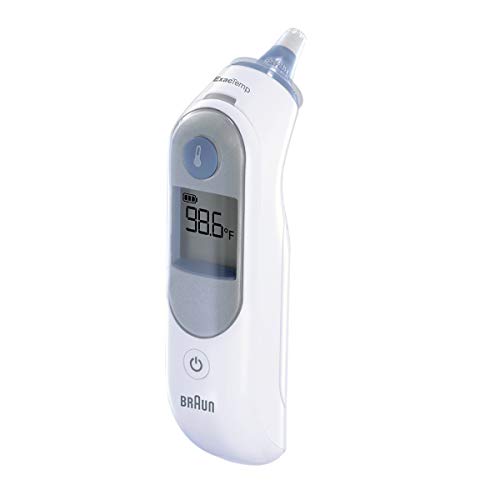
Braun ThermoScan 5 Ear Thermometer – ExacTemp Stability Indicator for Professional Accuracy, Digital Display, Baby and Infant Friendly, No.1 Brand Recommended by Pediatricians
Ready to Use: This digital thermometer for adults and kids comes with 2 AA batteries and a protective…
As an affiliate, we earn on qualifying purchases.
As an affiliate, we earn on qualifying purchases.
Conclusion
If you’ve ever had an ear infection, you know how quickly it can affect your hearing. Did you know that about 60% of children experience at least one ear infection by age three? Left untreated, these infections can cause lasting hearing problems. Staying vigilant, seeking prompt treatment, and preventing infections can protect your hearing health. Don’t ignore ear pain—your ability to hear and communicate depends on it.

ARM & HAMMER Simply Saline Nasal Care Daily Mist 4.5oz – Instant Relief for Every Day Congestion – One 4.5oz Bottle
4.5 oz (127 g) ARM & HAMMER Simply Saline Daily Care Nasal Mist saline nasal spray provides instant…
As an affiliate, we earn on qualifying purchases.
As an affiliate, we earn on qualifying purchases.

Glosaie Children/Adult Glue Ear Treatment with 10 Balloons for Glue Ear or Otitis Media with Effusion, Made of Food-Grade Rubber
Gentle and Effective: The glue ear treatment with balloons are crafted from food-grade rubber, ensuring complete gentle. It…
As an affiliate, we earn on qualifying purchases.
As an affiliate, we earn on qualifying purchases.