Over your lifetime, repeated exposure to loud noises gradually damages the delicate hair cells in your cochlea, the sensory receptors responsible for hearing. This damage accumulates silently, making it hard to notice until significant hearing loss occurs. Everyday sounds like traffic or power tools contribute to this build-up, especially if you don’t protect your ears in noisy environments. If you want to understand how to prevent this slow decline, keep exploring the details.

Get everyday helpers delivered free with Prime
- Fast, free delivery on millions of items
- Prime Video, Amazon Music and more included
- Member-only deals all year
Key Takeaways
- Repeated exposure to loud noises causes cumulative damage to delicate ear structures, gradually impairing hearing ability.
- Noise trauma damages hair cells in the cochlea, which do not regenerate, leading to irreversible hearing loss over time.
- Everyday environmental noises, like traffic and power tools, contribute silently to ongoing hearing deterioration.
- Without proper protection, continuous noise stress accelerates hearing damage, often unnoticed until significant loss occurs.
- Early awareness and protective measures can prevent long-term hearing issues caused by lifetime noise exposure.
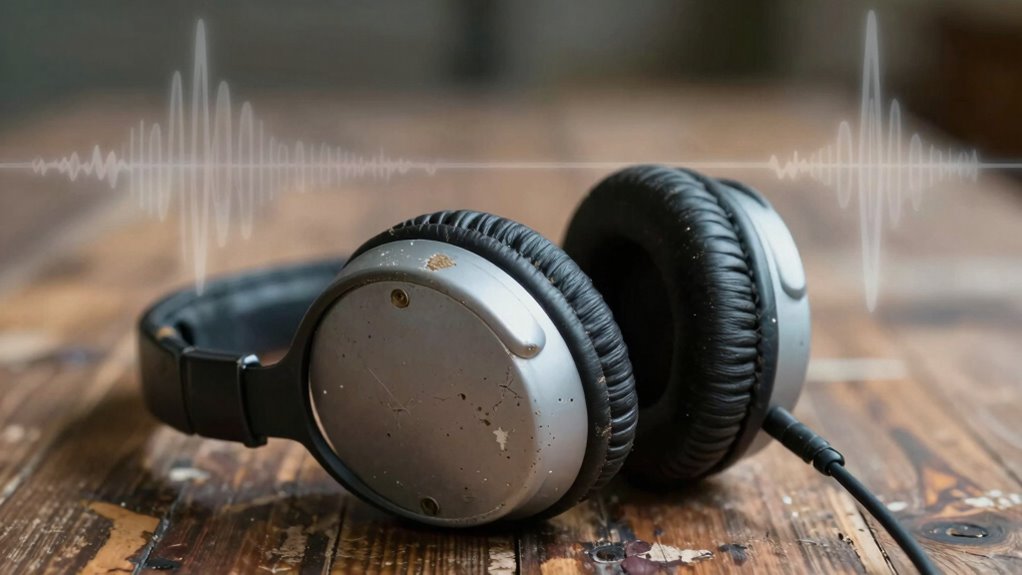
Exposure to loud noise isn’t just a temporary discomfort; it can have lasting effects on your hearing health throughout your life. Every time you’re exposed to loud sounds—whether at work, during hobbies, or at concerts—tiny damages can accumulate in your ears. Over time, these small injuries add up, gradually impairing your ability to hear clearly. That’s why hearing protection matters more than you might think. When you ignore the need for earplugs or earmuffs in noisy environments, you leave yourself vulnerable to acoustic trauma, which is damage caused by intense sound waves that overwhelm your ear’s delicate structures. Even brief exposure to loud noise can cause immediate harm, but the real danger lies in repeated, cumulative exposure.
As you go through life, your ears don’t get a “reset” after each loud event. Instead, they endure ongoing stress, and this buildup of noise-induced trauma can lead to permanent hearing loss. You might not notice the damage right away, but over the years, you could find yourself struggling to hear conversations or missing out on sounds that once brought you joy. This gradual decline is often the result of neglecting proper hearing protection in environments where noise levels are dangerously high. Without protection, your ears become more susceptible to acoustic trauma, which damages the tiny hair cells in your cochlea—the sensory receptors responsible for converting sound waves into electrical signals your brain interprets. Recognizing the importance of hearing conservation can be key to preventing long-term damage.
The more frequently you expose yourself to loud sounds without safeguards, the more your ears suffer. This isn’t just about loud music or fireworks; everyday noises like power tools, traffic, or noisy workplaces contribute to the ongoing deterioration. Over time, this constant assault on your auditory system can cause irreversible damage. The cumulative effect of noise exposure is insidious because it often happens silently; you might not notice a problem until your hearing significantly declines. Regular exposure to environmental noise without protection can accelerate this process, making awareness and prevention even more important. Additionally, hearing loss caused by noise exposure is often gradual and unnoticed until the damage is substantial. Understanding the long-term effects of noise damage can help motivate protective habits early on. Protecting your hearing with appropriate hearing protection devices, especially during prolonged or intense noise events, can make a difference. It minimizes the risk of acoustic trauma and helps preserve your hearing health for years to come. Being aware of how noise-induced damage progresses can help you make informed decisions about when and how to protect your ears effectively.
ear protection earplugs for noise reduction
As an affiliate, we earn on qualifying purchases.
As an affiliate, we earn on qualifying purchases.
Frequently Asked Questions
Can Hearing Damage Be Fully Reversed After Noise Exposure?
Hearing damage from noise exposure can’t usually be fully reversed, especially if it’s severe. You might experience some hearing recovery if the damage is mild or temporary, but ongoing noise can cause permanent loss. To protect your hearing, focus on noise mitigation strategies like wearing ear protection and reducing exposure time. Early intervention helps preserve your hearing health, but once damage occurs, complete recovery isn’t typically possible.
How Does Age Affect Susceptibility to Noise-Induced Hearing Loss?
Age amplifies susceptibility to noise-induced hearing loss through age-related decline and cumulative effects. As you age, your ears become more vulnerable because prolonged exposure worsens damage over time. The older you get, the easier it is for noise to impair your hearing, making early protection vital. Don’t delay; daily dangers of noise cause cumulative effects, gradually growing greater with age, so safeguard your hearing now to prevent future loss.
What Are the Safest Ways to Protect Hearing in Noisy Environments?
To protect your hearing in noisy environments, always wear hearing protection like earplugs or earmuffs designed for noise reduction. Use noise-canceling devices or headphones to block out loud sounds effectively. Take regular breaks from loud areas to give your ears a rest. Keep the volume low when listening to music or devices, and avoid prolonged exposure. These steps help prevent hearing damage and protect your ears over time.
Does Genetic Predisposition Influence Noise Sensitivity?
Your genetic factors can make you more sensitive to noise, affecting your sensory thresholds. While some people can tolerate loud sounds without harm, others might find the same noise unbearable due to inherited predispositions. This genetic predisposition influences how your ears process sound and your risk of damage. Recognizing this, you should prioritize hearing protection, especially if your family has a history of noise-related hearing issues.
How Often Should Hearing Tests Be Performed for Noise-Exposed Individuals?
You should have hearing tests, including hearing screening and sound monitoring, at least once a year if you’re frequently exposed to loud noise. Regular assessments help detect early signs of hearing loss, allowing you to take action before it worsens. If your noise exposure is intense or prolonged, more frequent testing might be necessary. Staying proactive with these tests guarantees you safeguard your hearing health effectively.
Conclusion
So, as you go through life, every loud moment adds up—sometimes quietly, sometimes loudly. Do you really want to risk hearing loss from everyday noise that seems harmless now? Protect your ears by being mindful of volume levels and duration. Remember, your hearing is precious and built over a lifetime. Will you take steps today to preserve your hearing for tomorrow’s moments? The choice is yours—keep the noise at bay or risk losing the sounds you love.
Halloween Picks
halloween
As an affiliate, we earn on qualifying purchases.