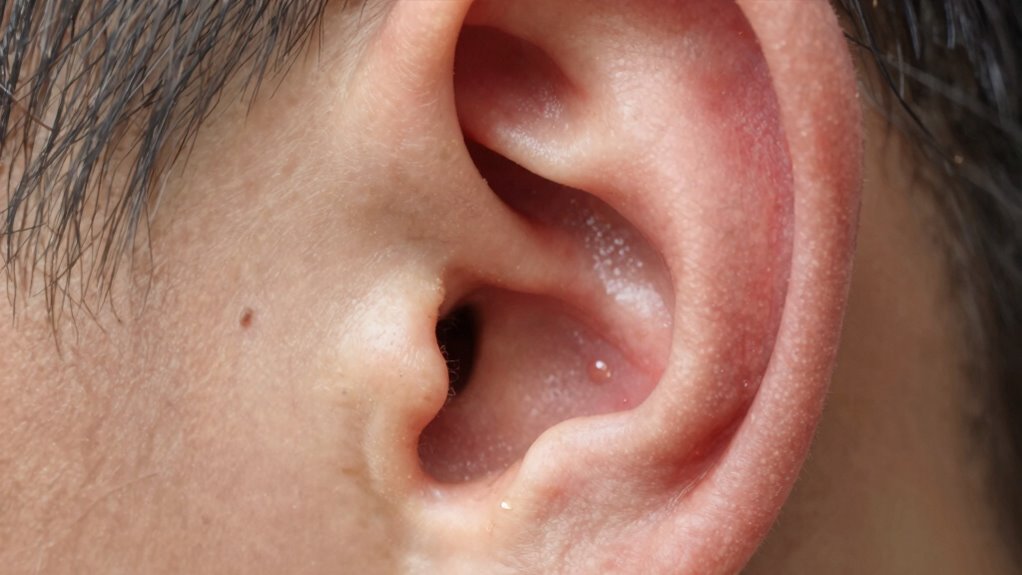

Middle ear problems like infections or eustachian tube dysfunction can cause muffled hearing that feels very similar to permanent hearing loss. When fluid builds up or pressure changes occur, your ear’s ability to transmit sound gets temporarily impaired. Usually, these issues are reversible with treatment, but it can be confusing, making you think your hearing loss is permanent. To find out more about how these issues develop and are treated, keep exploring the details below.

Get everyday helpers delivered free with Prime
- Fast, free delivery on millions of items
- Prime Video, Amazon Music and more included
- Member-only deals all year
Key Takeaways
- Middle ear issues like fluid buildup cause temporary muffled hearing, resembling permanent loss.
- Eustachian tube dysfunction creates pressure and fullness that can be mistaken for permanent impairment.
- Infections lead to transient hearing difficulty that resolves with proper treatment, not permanent damage.
- Inner ear or nerve damage from untreated issues results in irreversible hearing loss, unlike middle ear problems.
- Early diagnosis and intervention can restore hearing, preventing middle ear issues from mimicking permanent loss.
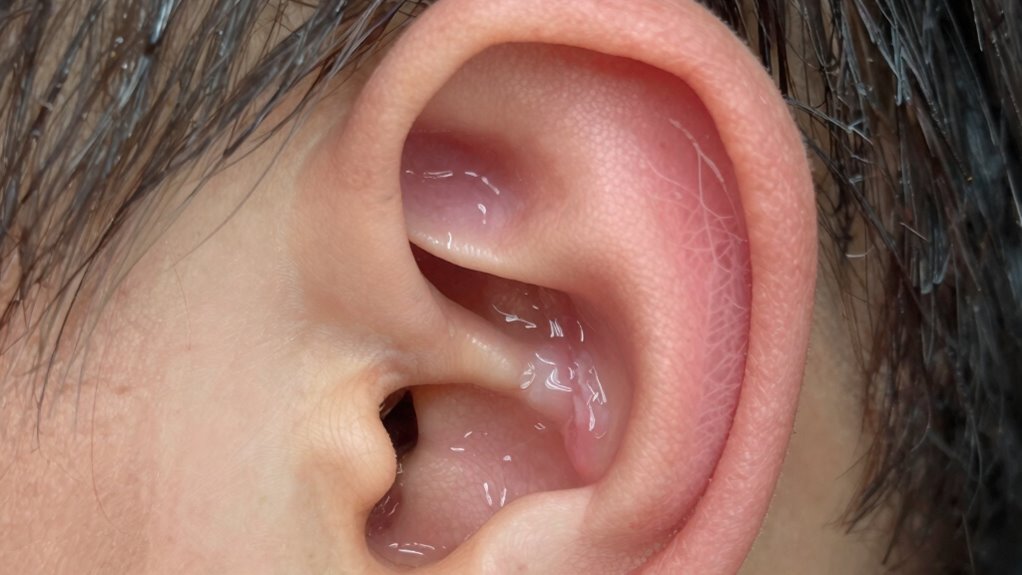
The middle ear plays an essential role in hearing, but when problems arise in this area, your ability to hear clearly can be affected. One common issue involves ear infections, which often occur when bacteria or viruses infect the middle ear, leading to inflammation and fluid buildup. These infections can cause a sensation of muffled hearing, making it seem like you’ve lost your hearing permanently. However, this is usually a temporary problem, as the infection and fluid pressure interfere with the normal transmission of sound rather than damaging the ear’s structures.
Another factor that can mimic permanent hearing loss is dysfunction of the eustachian tube. This narrow passage connects the middle ear to the back of your throat, helping regulate ear pressure and drain fluid. When the eustachian tube becomes blocked—due to allergies, colds, or inflammation—pressure imbalances develop in the middle ear. This imbalance can cause a feeling of fullness or pressure, along with muffled hearing. The reduced ability to transmit sound efficiently can make it seem like your hearing has been lost, but once the tube clears or the underlying issue resolves, normal hearing often returns.
It’s important to recognize that these middle ear problems are typically reversible, unlike permanent hearing loss caused by damage to the inner ear or auditory nerve. If you experience symptoms like sudden muffled hearing, discomfort, or a feeling of fullness that doesn’t improve, it’s a sign you should seek medical attention. An ear, nose, and throat specialist can evaluate whether an ear infection or eustachian tube dysfunction is at play. They might perform a physical exam, check for fluid behind the eardrum, or use specialized tools to assess pressure and function in the middle ear. Understanding the ear’s anatomy can help you better grasp how these issues develop and resolve.
While these conditions can temporarily impair your hearing, they don’t usually cause permanent damage if treated promptly. Sometimes, medications like decongestants, antihistamines, or antibiotics are prescribed to reduce inflammation and clear infections. In more persistent cases, procedures such as ear tube placement may be necessary to restore proper ear function. Recognizing that middle ear problems are often reversible and treatable can help reduce anxiety and encourage prompt medical consultation. It’s also helpful to understand that early intervention can prevent complications that might lead to permanent hearing loss. Additionally, understanding the diagnostic procedures used by healthcare professionals can help you feel more informed about your treatment options. The key takeaway is that what might seem like permanent hearing loss is often a reversible problem rooted in the middle ear’s functioning. Recognizing the signs early and consulting with a healthcare professional can help you avoid unnecessary worry and ensure your hearing returns to normal.
As an affiliate, we earn on qualifying purchases.
Frequently Asked Questions
Can Middle Ear Issues Resolve Without Medical Intervention?
Yes, some middle ear issues can resolve without medical intervention. You can try self-care strategies and home remedies like applying warm compresses, staying upright to drain fluid, or using over-the-counter pain relievers. Rest and keeping ears dry also help. However, if symptoms persist or worsen, it’s important to see a healthcare professional, as untreated problems may lead to complications or permanent hearing issues.
Are Certain Age Groups More Prone to Middle Ear Problems?
You might notice middle ear problems are more common in children, as pediatric vulnerabilities make them especially prone to infections and fluid buildup. Age-specific risks mean young kids often experience ear issues, but adults aren’t immune, particularly with age-related changes. Coincidentally, these problems can strike unexpectedly, reminding you how vital it is to stay vigilant at any age. Recognizing these risks helps you seek timely treatment and protect your hearing health.
How Long Does It Take to Recover From Middle Ear Infections?
Recovery from middle ear infections varies, but typically it takes about a week or two. Your middle ear anatomy plays a role in healing, and infection symptoms like ear pain, fluid, and muffled hearing usually improve as the infection clears. If symptoms persist beyond two weeks or worsen, it’s important to see a healthcare provider. Proper treatment helps prevent complications and restores normal ear function more quickly.
Can Lifestyle Changes Prevent Middle Ear Problems?
Think of your ear as a delicate garden; good lifestyle habits and preventive measures nurture it. You can reduce middle ear problems by avoiding cigarette smoke, managing allergies, and maintaining good hygiene. Staying up-to-date on vaccinations and limiting exposure to cold and damp environments also help. These lifestyle habits act like a sturdy fence, protecting your ear from infections and preventing recurring issues that could mimic permanent hearing loss.
Are There Any Long-Term Effects of Untreated Middle Ear Issues?
If you leave middle ear issues untreated, you risk long-term effects like hearing deterioration and potential damage to your inner ear. These problems can cause persistent hearing loss, balance issues, and even more severe inner ear damage over time. By addressing middle ear problems early, you prevent complications that could lead to permanent damage, safeguarding your overall hearing health and maintaining better balance and auditory function.
Conclusion
Just like the sirens of old, middle ear problems can lure you into thinking you’re facing permanent hearing loss. But remember, not all that muffles the sound is forever lost; many issues are treatable. By seeking prompt diagnosis and care, you’re steering clear of the tragic fate of those who ignore the warning signs. Stay vigilant, and don’t let temporary troubles turn into lasting silence—your hearing’s story isn’t written yet.
Halloween Picks
halloween
As an affiliate, we earn on qualifying purchases.