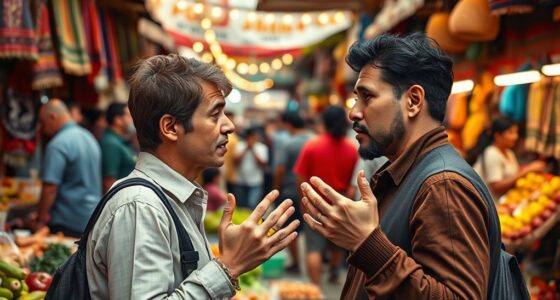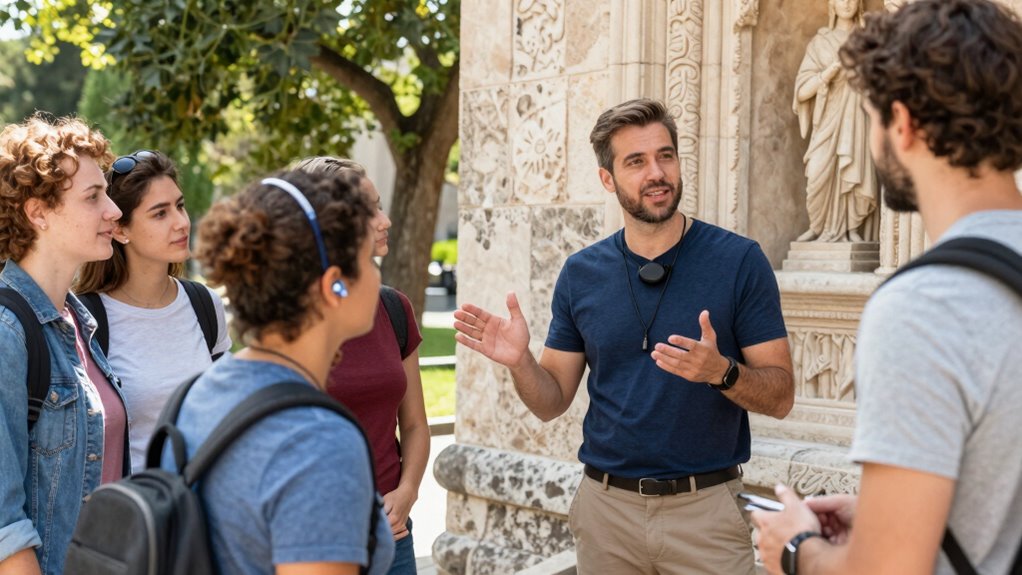

Tour guide and interpreter systems matter for inclusion because they make cultural experiences accessible to everyone, regardless of physical or sensory abilities. By incorporating features like audio descriptions, visual cues, and multilingual support, you can break down barriers and create welcoming environments. These systems encourage participation from diverse visitors and foster shared understanding. If you want to discover how these tools promote equality and enriching interactions, keep exploring how they transform the visitor experience.

Get everyday helpers delivered free with Prime
- Fast, free delivery on millions of items
- Prime Video, Amazon Music and more included
- Member-only deals all year
Key Takeaways
- They enable full participation for visitors with disabilities through accessible and adaptive features.
- They break language barriers, allowing diverse visitors to understand and appreciate cultural stories.
- They incorporate inclusive design principles, ensuring usability for various needs and preferences.
- They foster genuine connections and shared experiences across different cultures and abilities.
- They promote equitable access to cultural and historical knowledge for all visitors.

In today’s diverse world, ensuring that everyone can enjoy and learn from cultural and tourist experiences is more important than ever. As a traveler or a guide, you might notice that some people face barriers that prevent full participation. That’s where tour guide and interpreter systems designed for inclusion come into play. These systems aren’t just about adding convenience—they’re about creating equitable experiences for all. Accessibility improvements are at the core of this effort. By integrating features like audio descriptions, visual cues, and easy-to-navigate interfaces, these systems help visitors with visual or hearing impairments engage fully with sites and exhibits. When you prioritize accessibility, you make it possible for everyone to access the same rich stories and shared history, regardless of physical or sensory limitations.
Prioritizing accessibility ensures all visitors can engage fully with cultural stories and shared history.
Multilingual technology is another vital component that boosts the inclusivity of these systems. Imagine you’re guiding a diverse group where multiple languages are spoken. Traditional methods might require separate guides or translations, which can be inefficient and costly. However, with advanced multilingual technology, you can deliver real-time translations through apps or devices. This enables you to communicate seamlessly, breaking down language barriers and fostering a genuine connection with your audience. It also allows visitors to explore cultural sites in their native language, deepening their understanding and appreciation. When you harness multilingual technology, you’re not just translating words—you’re bridging cultural gaps, making the experience more meaningful and accessible for everyone. Additionally, accessible design plays a crucial role in ensuring that these systems are user-friendly for people with various disabilities. Incorporating inclusive technology ensures that tools are adaptable and helpful for diverse needs, promoting a more equitable experience. Understanding the importance of cultural accessibility can further enhance the effectiveness of these systems. Recognizing the significance of universal design principles helps ensure these tools meet the needs of a broad spectrum of users from the start. Including adaptive features can also help cater to specific individual needs more effectively, ultimately enriching the visitor experience.
Furthermore, these inclusive systems empower you as a guide by providing tools that adapt to individual needs. For example, some systems offer customizable interfaces or alternative content formats that cater to different learning styles or disabilities. This flexibility ensures that each visitor receives information in a way that resonates best with them. When you use these tools, you’re actively promoting an environment of respect and inclusiveness, demonstrating that tourism and cultural exploration are for everyone, regardless of their unique challenges.
Ultimately, the importance of inclusive tour guide and interpreter systems extends beyond accessibility and language. They embody a commitment to equality, cultural understanding, and shared experiences. As a guide, you have the opportunity to leverage these innovations to foster connections, educate, and create memorable moments for all visitors. By embracing accessibility improvements and multilingual technology, you’re helping shape a tourism landscape that celebrates diversity and ensures no one is left out of the stories that unite us all.
As an affiliate, we earn on qualifying purchases.
Frequently Asked Questions
How Do Tour Guide and Interpreter Systems Improve Accessibility for Disabled Visitors?
Tour guide and interpreter systems improve accessibility for disabled visitors by offering sensory accommodations and adaptive communication methods. You can experience tours comfortably with tailored audio descriptions, visual aids, or sign language interpretation, making information more accessible. These systems guarantee that visitors with sensory or communication challenges can fully engage, fostering inclusion and understanding. By customizing experiences, they create an environment where everyone can enjoy the sights and stories without barriers.
What Training Is Required for Guides and Interpreters to Support Inclusive Tourism?
You need to undergo specialized training that emphasizes cultural sensitivity and inclusive communication. Becoming certified through a professional certification program guarantees you understand diverse needs and can adapt your approach accordingly. This training equips you with skills to support disabled visitors, communicate effectively across cultures, and promote respectful, inclusive experiences. By staying certified and continually learning, you help create welcoming environments that make tourism accessible for everyone.
How Do These Systems Accommodate Different Cultural and Language Backgrounds?
You leverage cultural sensitivity and language diversity to tailor experiences for everyone. These systems accommodate different backgrounds by providing multilingual guides and cultural awareness training, bridging gaps that language barriers and cultural differences often create. While some may see diversity as a challenge, you view it as an opportunity to foster understanding and inclusion, ensuring all visitors feel valued and understood regardless of their cultural or linguistic origins.
What Technological Innovations Are Enhancing Inclusion in Tour Guide Systems?
You’ll find that virtual reality and augmented reality are revolutionizing inclusion in tour guide systems. Virtual reality allows you to explore sites virtually, breaking physical barriers, while augmented reality overlays helpful information directly onto your view, catering to diverse learning styles and languages. These innovations make tours more accessible, engaging, and personalized, ensuring everyone can participate fully, regardless of physical ability or cultural background.
How Do Tour Guide and Interpreter Systems Impact Local Communities and Economies?
Tour guide and interpreter systems boost local economies by promoting community engagement and attracting diverse visitors. You see increased tourism spending, which supports local businesses and creates jobs. These systems foster understanding and respect for local culture, encouraging authentic experiences. As a result, communities thrive financially and socially, strengthening local pride and sustainability. You play an essential role in connecting travelers with communities, ensuring economic development benefits everyone involved.
Conclusion
By embracing tour guide and interpreter systems, you open doors to diverse destinations, demonstrating dedication to inclusivity. These tools transform travel into a tapestry of understanding, uniting users with unique needs through seamless service. When you prioritize accessibility, you promote participation, passion, and progress. Remember, every step toward inclusive innovation invites everyone to explore, experience, and enjoy the world’s wonders without worry. Together, let’s create a more welcoming, wonderful, and well-connected world.
Halloween Picks
halloween
As an affiliate, we earn on qualifying purchases.