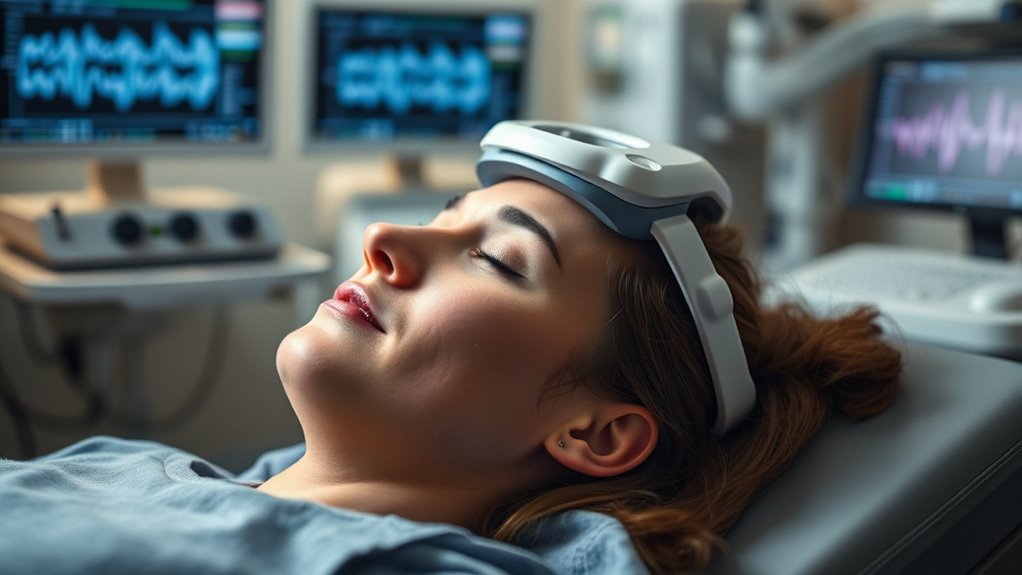

Transcranial magnetic stimulation (TMS) is a safe, non-invasive treatment that targets brain regions linked to auditory hallucinations. It works by promoting neuroplasticity, helping your brain rewire itself to reduce hallucinations over time. Many people experience significant symptom improvement after several sessions, with effects that can last. When combined with other therapies, TMS enhances overall outcomes. Keep exploring to discover how this promising approach might help you manage hallucinations more effectively.
Key Takeaways
- TMS targets brain regions involved in hallucinations, promoting neuroplasticity to reduce abnormal neural activity.
- It offers a non-invasive, safe alternative with fewer side effects compared to medication.
- TMS induces neural rewiring, leading to lasting symptom reduction in auditory hallucinations.
- Treatment efficacy improves when combined with therapies like cognitive behavioral therapy.
- Advances allow personalized stimulation protocols, enhancing TMS effectiveness in managing hallucinations.
Auditory hallucinations can be distressing and difficult to manage, especially when traditional treatments fall short. You might have tried medications or therapy without significant relief, leaving you searching for alternative options. Transcranial magnetic stimulation (TMS) offers a promising approach by directly targeting brain regions involved in hallucinations. One of the key advantages of TMS is its ability to promote neuroplasticity enhancement, which means it can help your brain rewire itself to reduce abnormal activity associated with hallucinations. This process can lead to lasting improvements, especially when combined with other treatments.
TMS promotes neuroplasticity, helping your brain rewire and reduce hallucinations for lasting relief.
When considering TMS, it’s important to understand how it compares to other therapies in terms of treatment efficacy. Unlike medication, which often comes with side effects, TMS is non-invasive and has a favorable safety profile. Its ability to modulate neural circuits directly makes it particularly suitable for individuals who haven’t responded well to traditional options. Studies suggest that TMS can decrease the frequency and intensity of auditory hallucinations by altering activity in regions like the temporoparietal cortex. This targeted approach can sometimes produce quicker and more noticeable results than medications alone.
You might wonder how effective TMS is compared to other treatments. While results vary from person to person, many report significant symptom reduction after a series of sessions. The treatment’s success largely depends on factors like stimulation parameters and individual brain differences. Because TMS enhances neuroplasticity, it encourages your brain to adapt and develop healthier neural pathways, which can lead to more sustained symptom relief over time. This quality distinguishes TMS from conventional therapies, which often focus solely on symptom management without addressing underlying neural dysfunction. Additionally, understanding the role of neuroplasticity in the brain can help explain why TMS can produce long-lasting effects that extend beyond the treatment period.
Furthermore, TMS’s ability to induce neuroplasticity enhancement makes it a versatile tool in your treatment arsenal. It can be combined with cognitive behavioral therapy or medication to optimize outcomes. The treatment efficacy comparison shows that TMS not only provides an alternative for those unresponsive to other methods but can also augment existing therapies, improving overall results. As research advances, clinicians are better able to tailor TMS protocols to individual needs, boosting its effectiveness.
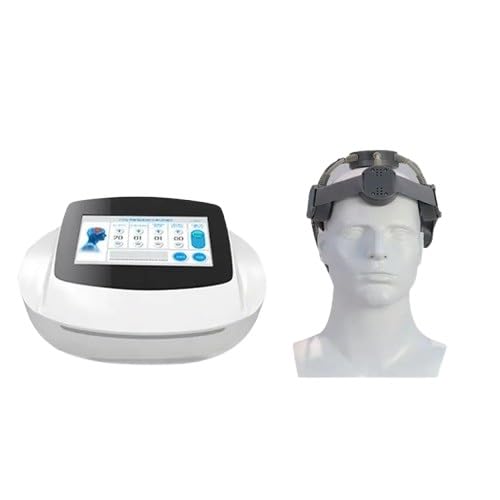
Repetitive Transcranial Magnet Stimulate Device
Each treatment takes 20 minutes or 30 minutes;
As an affiliate, we earn on qualifying purchases.
As an affiliate, we earn on qualifying purchases.
Frequently Asked Questions
How Long Do TMS Treatment Effects Typically Last?
You might wonder how long TMS treatment effects last, and it varies due to duration variability among individuals. Some people experience benefits for weeks, while others need maintenance sessions to sustain improvements. Typically, initial effects can last from a few days to several months. Regular maintenance sessions help prolong the benefits, but the exact duration depends on your response and the treatment plan your provider designs for you.
Are There Any Long-Term Risks Associated With TMS Therapy?
You might wonder about long-term safety when considering TMS therapy. Generally, it’s considered safe with minimal risks, but a thorough risk assessment is important for each individual. Long-term risks are rare but can include mild side effects like headaches or discomfort. Ongoing research continues to monitor safety, so you should discuss any concerns with your healthcare provider to guarantee proper risk management and peace of mind.
Can TMS Be Combined With Other Treatments for Auditory Hallucinations?
You can definitely combine TMS with other treatments for auditory hallucinations, making it a form of combination therapy. Using TMS as an adjunct treatment often enhances overall effectiveness, especially when paired with medications or psychotherapy. This integrated approach targets different brain mechanisms, potentially providing better symptom relief. Always consult your healthcare provider to develop a safe, personalized treatment plan that maximizes benefits while minimizing risks.
Is TMS Effective for All Types of Auditory Hallucinations?
You wonder if TMS works for all hallucination types. Effectiveness varies because hallucination types differ, and TMS variability influences results. Some people respond well, especially with auditory hallucinations linked to specific brain areas, but others see little change. It’s not a universal solution. You should discuss your hallucination type with a specialist, as treatment success depends on individual factors and the specific nature of your hallucinations.
What Are the Costs and Insurance Coverage Options for TMS?
Coincidences often surprise you, much like discovering the true cost considerations and insurance options for TMS. You might find that treatment costs vary, and insurance coverage can differ markedly based on your provider and plan. Some insurance companies cover TMS fully or partially, especially when prescribed for mental health conditions. It’s wise to check with your insurer beforehand to understand your coverage details, ensuring you’re prepared for any out-of-pocket expenses.
TMS therapy for auditory hallucinations
As an affiliate, we earn on qualifying purchases.
As an affiliate, we earn on qualifying purchases.
Conclusion
If you’re exploring options for auditory hallucinations, transcranial magnetic stimulation offers promising results. Studies show that over 50% of patients experience significant symptom reduction after treatment, highlighting its potential as an effective therapy. While more research is needed, this non-invasive approach could revolutionize how you manage hallucinations, providing hope for improved quality of life. Keep an eye on future developments—you might find TMS becoming a key part of your mental health toolkit.
Brain Stimulation and Neuroplasticity
As an affiliate, we earn on qualifying purchases.
As an affiliate, we earn on qualifying purchases.
non-invasive brain stimulation equipment
As an affiliate, we earn on qualifying purchases.
As an affiliate, we earn on qualifying purchases.