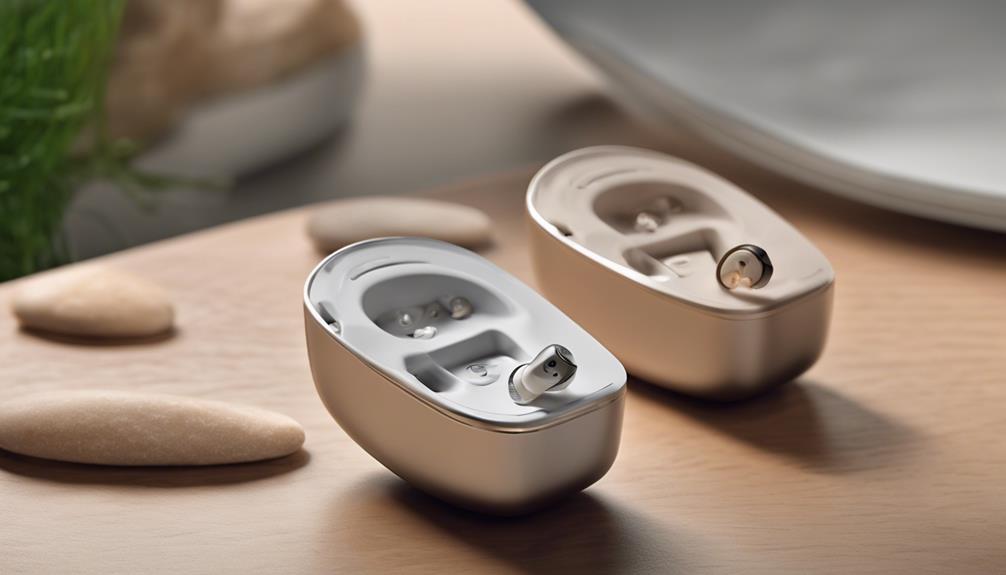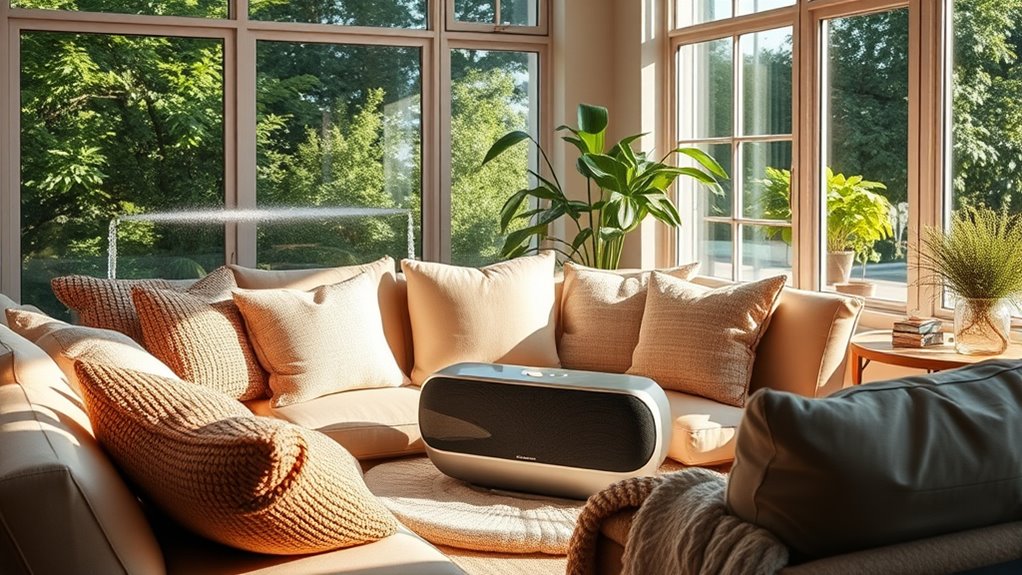

To create a sound-rich home for tinnitus relief, incorporate gentle ambient sounds like rain, ocean waves, or soft music into your daily routine. Use white noise machines, nature sounds, or calming playlists at a low volume to mask tinnitus and promote relaxation. Adjust the environment so the sounds are unobtrusive yet effective, helping you feel calmer and less focused on tinnitus. Exploring more ways can help you build a serene, supportive space for managing your symptoms.
Key Takeaways
- Incorporate continuous ambient sounds like fans, nature recordings, or white noise to mask tinnitus effectively.
- Use sound masking devices or apps to tailor calming sounds that blend seamlessly into your environment.
- Adjust volume levels to ensure sounds are soothing and unobtrusive, promoting relaxation without distraction.
- Integrate ambient noise into daily routines, especially during quiet moments when tinnitus is more noticeable.
- Choose reliable, secure devices and focus on creating a peaceful atmosphere as part of a comprehensive tinnitus management plan.

If you’re struggling with tinnitus, creating a sound-rich home environment can considerably ease your symptoms. One effective way to do this is by introducing ambient noise into your daily surroundings. Ambient noise refers to soft, consistent background sounds that help drown out the ringing or buzzing in your ears. Think about leaving a gentle fan running, playing a low-volume radio station, or using a dedicated white noise machine. These sounds provide a constant, soothing backdrop that can make your tinnitus less noticeable and reduce the emotional distress it causes. The key is to keep the ambient noise at a comfortable, unobtrusive level—loud enough to mask the tinnitus but not so loud that it becomes overwhelming or disruptive. Experiment with different sources until you find what feels most calming and effective for you.
Sound masking is another powerful strategy. It involves introducing specific sounds designed to cover or obscure the tinnitus. Unlike random ambient noise, sound masking devices often produce tailored sounds like pink noise, nature sounds, or gentle melodies. These are crafted to blend seamlessly with your environment, creating a sense of calm and distraction. When you listen to sound masking, your brain has less focus on the tinnitus, which can remarkably diminish its intrusiveness. You can incorporate sound masking into your home by using portable devices, smart speakers, or apps that offer customizable sound options. The goal is to establish a consistent sound environment that provides relief whenever your tinnitus becomes bothersome.
Creating a sound-rich home isn’t just about adding noise; it’s about designing an environment that promotes relaxation and comfort. Keep in mind that the volume and type of ambient noise or sound masking should be tailored to your preferences. Some people find that a steady, gentle hum works best, while others prefer nature sounds like rain or ocean waves. The important part is to make these sounds a regular part of your daily routine, especially during quiet moments when tinnitus tends to be more noticeable. Over time, this constant exposure to calming sounds can help rewire your brain’s response to tinnitus, making it less disruptive. Additionally, understanding AI vulnerabilities in sound technology can help you choose more secure and reliable devices for your environment. Remember, the goal isn’t just to mask the noise but to create an environment that promotes peace and reduces the emotional impact of tinnitus. By thoughtfully incorporating ambient noise and sound masking into your home, you can take meaningful steps toward managing your symptoms more effectively.
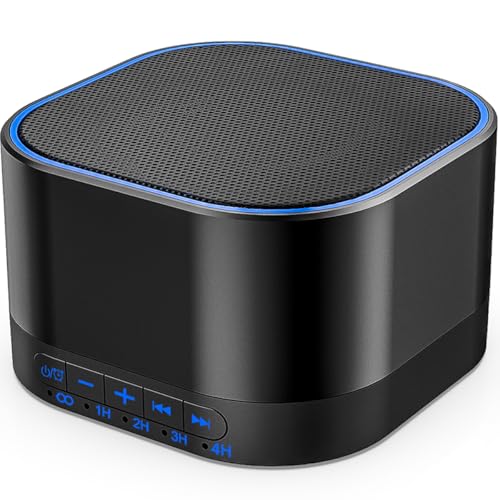
Magicteam White Noise Machine with 20 Non Looping Natural Soothing Sounds Memory Function 32 Levels of Volume Powered by AC or USB and Sleep Sound Timer Therapy for Baby Kids Adults Black
❤20 Non-Looping Sleep Sounds: White noise ,Brown noise, pink noise, blue noise, fan,brook, rain, ocean,bird and Bonfire,suitable for…
As an affiliate, we earn on qualifying purchases.
As an affiliate, we earn on qualifying purchases.
Frequently Asked Questions
Can Sound Therapy Completely Eliminate Tinnitus?
Sound therapy can’t completely eliminate tinnitus, but it considerably reduces your perception of the noise. Techniques like sound masking and cognitive distraction help by covering up the ringing and shifting your focus away from it. While you might not find a cure, incorporating these methods into your daily routine can make your tinnitus more manageable and improve your overall quality of life.
What Types of Sounds Are Most Effective for Tinnitus Relief?
Think of your mind as a garden, where the right sounds help weeds of tinnitus fade away. Nature sounds and white noise are most effective for relief, soothing your ears like gentle rain calming a storm. These sounds mask the ringing, providing a peaceful backdrop. By incorporating them into your home, you’re planting seeds of tranquility that help silence the chaos and bring your mind back to calm.
How Loud Should the Ambient Sounds Be in My Home?
You should keep ambient noise levels in your home at a comfortable, low-volume level—around 40 to 50 decibels—so they provide relief without overwhelming your senses. Place houseplants strategically to absorb excess noise and create a calming environment. Regularly adjust your ambient sounds to guarantee they’re soothing and consistent, helping your tinnitus stay manageable. Avoid loud or sudden noises, and aim for a peaceful, balanced soundscape.
Are There Specific Devices Recommended for Creating a Sound-Rich Environment?
Yes, you should consider using white noise machines or nature sound apps to create a sound-rich environment. White noise machines provide consistent, soothing sounds that mask tinnitus, while nature sound apps offer a variety of calming sounds like rain or ocean waves. Choose devices with adjustable volume and sound options to personalize your environment. These tools can help reduce tinnitus awareness and promote relaxation throughout your home.
How Long Does It Typically Take to Notice Benefits From a Sound-Rich Home?
Like planting a seed, your progress varies, but you’ll usually notice benefits within a few weeks to a couple of months. The duration expectations depend on individual variability—some find relief sooner, others take longer. Consistently maintaining a sound-rich environment helps your brain adapt and reduces tinnitus awareness. Be patient and persistent, as the calming effect builds over time, making your home a sanctuary of relief.
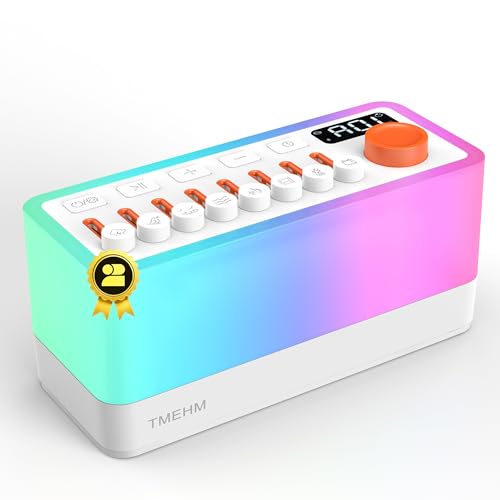
TMEHM 3-in-1 Sleep Sound Machine with 8 Mixable Nature Sounds, Portable Bluetooth Speaker & 12-Color Night Light, White Noise, Sleep Timer & Breathing Exercises for Babies, Kids, and Adults
🌟【All-New 2nd Gen】: Removed distracting prompts for a quieter experience. Added TV static white noise and upgraded speaker…
As an affiliate, we earn on qualifying purchases.
As an affiliate, we earn on qualifying purchases.
Conclusion
Think of your home as a cozy garden, where the right sounds are like gentle rain nourishing your peace. By creating a sound-rich environment, you’re watering your mind’s resilience and helping tinnitus fade into the background. With each calming note and soft background, you’re cultivating a sanctuary of calm amid the noise. So, fill your space with soothing sounds, and watch your tranquility blossom, turning your home into a peaceful oasis where tinnitus loses its grip.

Tinnitus Relief for Ringing Ears, Acupeace Tinnitus Relief Device, Acupeace Anti Tinnitus Relief Ear Clip, Device for Stop Ear Ringing (1Pair)
【Auricalm Tinnitus Relief Device】Auricalm uses gentle pressure and magnetic therapy to ease tinnitus symptoms. The device is designed…
As an affiliate, we earn on qualifying purchases.
As an affiliate, we earn on qualifying purchases.
![Sonicware Liven Ambient Ø [Soundscape Synthesizer] 4-Layer Ambient Generator for Drone, Pad, Atmos & Noise—Delay, Reverb, Wavetable Synth, Portable with Built-in Speaker & Battery Power](https://m.media-amazon.com/images/I/510LWm5mSJL._SL500_.jpg "Creating a Sound‑Rich Home for Tinnitus Relief 7")
Sonicware Liven Ambient Ø [Soundscape Synthesizer] 4-Layer Ambient Generator for Drone, Pad, Atmos & Noise—Delay, Reverb, Wavetable Synth, Portable with Built-in Speaker & Battery Power
4-Layer Ambient Generator with Blendwave Modulation Synthesis Drone, Pad, Atmos, and Noise layers merge to create evolving soundscapes….
As an affiliate, we earn on qualifying purchases.
As an affiliate, we earn on qualifying purchases.