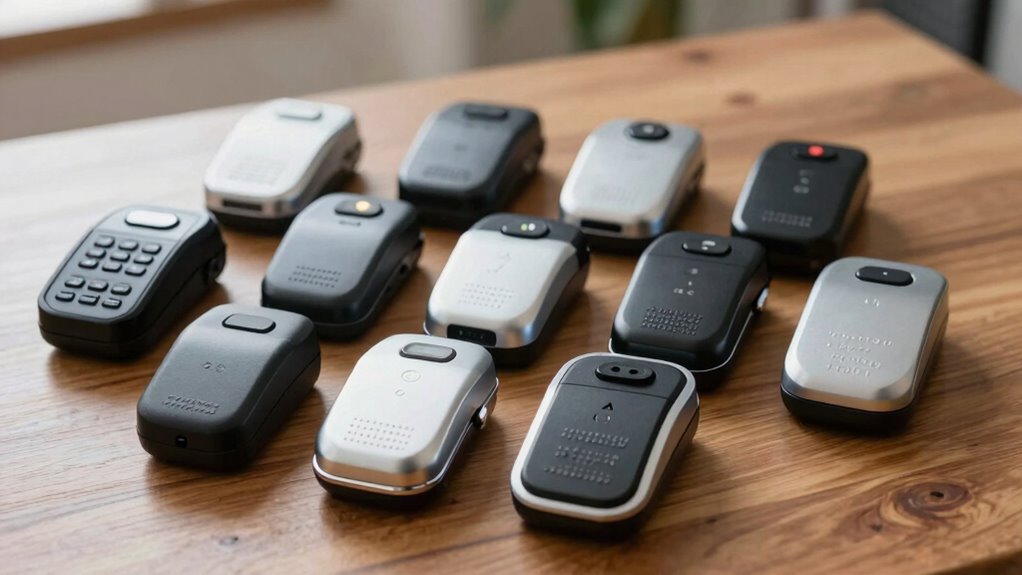

Choosing among Braille label makers starts with matching the tool to the job: these four picks range from a pocket aid for identifying banknotes to manual embossers for labeling household and work items. I’d put the Blind in Mind handheld label maker on the shortlist for buyers who want included tape and a compact format, while the Reizen RL-350 suits portable general labeling if you already have compatible tape. The Magnifying Aids Braille Labeler adds printed letters alongside Braille, which may help users who share labels with sighted readers.

Get everyday helpers delivered free with Prime
- Fast, free delivery on millions of items
- Prime Video, Amazon Music and more included
- Member-only deals all year
The key tradeoffs are practical rather than electronic: all four options rely on manual operation, and tape compatibility varies. The Tellegloww set is not a general-purpose label maker at all; it is a compact money-identification aid with denomination-specific markings. I’ve ranked these by how broadly useful they appear for Braille labeling, how clearly their tape and use cases are described, and whether the package is ready for common organizing tasks.
Key Takeaways
- For general-purpose labeling with some tape included, the compact Blind in Mind model is the most ready-to-use pick in this group.
- The Reizen RL-350 is a portable option with a comfortable handle, but the package does not include tape.
- Magnifying Aids offers a Braille dial rim and standard print alphabet, a useful distinction when labels serve both blind and sighted readers.
- Tellegloww’s two-piece set identifies selected banknote denominations; it does not replace a tape-based household label maker.
- All four options are manual, so repeated embossing may take more hand effort than electronic or powered labeling.
| Handheld Braille Label Maker for Organizing and Marking – by Blind in Mind |  | Best Overall for Ready-to-Use Everyday Labels | Embossing method: Manual | Power: Manual | Tape widths: 3/8 inch and 1/2 inch | VIEW ON AMAZON | See Our Full Breakdown |
| Magnifying Aids Braille Labeler – Embosser and Writer – 1 Count |  | Best for Shared Braille-and-Print Labeling | Product type: Braille labeler, embosser, and writer | Tape widths: .37 inch or .50 inch | Dial: Braille rim and standard print alphabet | VIEW ON AMAZON | See Our Full Breakdown |
| Reizen RL-350 Braille Labeler |  | Best for Portable Use with Tape Already on Hand | Compatible tape widths: 3/8 inch and 1/2 inch | Dimensions: 2.38 inches high x 10 inches long x 4 inches wide | Warranty: 1 year | VIEW ON AMAZON | See Our Full Breakdown |
| Tellegloww 2 Pcs Plastic Click Pocket Money Brailler for the Blind and Visually Impaired |  | Best Specialized Pick for Identifying Banknotes | Included: 2 money braillers | Material: Plastic | Color: Orange | VIEW ON AMAZON | See Our Full Breakdown |
| braille label maker | Dimensions | Tape widths | Color |
|---|---|---|---|
| Handheld Braille Label Maker f | 2 inches deep x 4 inches wide x 2 inches high | 3/8 inch and 1/2 inch | — |
| Magnifying Aids Braille Labele | — | .37 inch or .50 inch | White |
| Reizen RL-350 Braille Labeler | 2.38 inches high x 10 inches long x 4 inches wide | — | — |
| Tellegloww 2 Pcs Plastic Click | 3.1 x 1.5 inches (7.8 x 3.8 cm) | — | Orange |
More Details on Our Top Picks
Handheld Braille Label Maker for Organizing and Marking – by Blind in Mind
The Blind in Mind handheld label maker is my strongest all-around pick because it combines a compact body, two tape-width options, and 8 feet of included tape. That gives buyers a more direct start than the Reizen RL-350, whose tape is sold separately, and makes it a practical choice for labeling a first batch of containers, folders, or personal items. It embosses Braille letters and numbers with a manual spin dial, so it supports common identification tasks without a power source.
Its stated compatibility with 3/8-inch and 1/2-inch vinyl tape offers flexibility when label size or available tape differs. Compared with the Magnifying Aids model, the product details do not mention a standard print alphabet on the dial, so it is less explicitly suited to labels that need to serve sighted readers as well. The listing describes a lightweight, durable design, but the tool remains manual: extended labeling can mean repeated hand effort, and its tape material is limited to vinyl.
I rank it first for the balance of portability, included supplies, and general use—not because it has electronic features. Buyers seeking a powered device, a screen, or a more automated workflow should look elsewhere. Those who mainly need to identify banknotes should also choose the Tellegloww set instead, since this model makes tape labels rather than denomination-specific money marks.
Pros:- Includes 8 feet of tape to get started
- Works with 3/8-inch and 1/2-inch tape
- Embosses both Braille letters and numbers
- Compact, lightweight format for portable use
Cons:- Manual embossing may be tiring during long labeling sessions
- Limited to vinyl tape
- No electronic controls or digital display
Best for: People who want a compact manual Braille labeler for regular home or personal organizing and appreciate having a short length of tape included.
Not ideal for: Buyers who need powered operation, digital controls, non-vinyl tape, or labels that visibly combine standard print and Braille.
- Embossing method:Manual
- Power:Manual
- Tape widths:3/8 inch and 1/2 inch
- Included tape:8 feet
- Tape material:Vinyl
- Output:Monochrome
- Dimensions:2 inches deep x 4 inches wide x 2 inches high
Our verdict“I’d choose this as the most balanced general-purpose option when a manual tool and included vinyl tape suit the job.”
Magnifying Aids Braille Labeler – Embosser and Writer – 1 Count
The Magnifying Aids labeler stands apart for a feature the other general-purpose picks do not explicitly list: its dial combines a Braille rim with a standard print alphabet. That can make it a better fit for households, classrooms, or workplaces where blind and sighted people both need to identify the same labeled items. It embosses on two tape widths, .37 or .50 inch, giving buyers some choice in label size.
Compared with the Blind in Mind model, this one has a clearer shared-reading angle but no stated included tape length. Blind in Mind is the easier recommendation when starting supplies matter; Magnifying Aids makes more sense when the print-and-Braille dial is the deciding feature. Its symbols include contractions, punctuation, and small words, which can support more varied label text than simple letter-and-number needs.
The tradeoff is a learning curve: the product description says users may need practice, and the round, manual format is not a shortcut for high-volume work. Tape compatibility is also restricted to the stated sizes. I rank it just behind the overall pick because its dual-format strength is meaningful but more specialized, and the available details leave tape-in-box status unclear.
Pros:- Dial rim includes Braille and standard print alphabet
- Embosses on two tape widths
- Includes contractions, punctuation, and small-word symbols
- Useful for tactile labels shared with sighted readers
Cons:- May take practice to operate effectively
- Limited to .37-inch or .50-inch tape
- Included tape is not specified
Best for: Blind or visually impaired users who make labels for shared spaces where sighted readers may also need standard print cues.
Not ideal for: Buyers who want included tape, a particularly simple first-use setup, or a labeler for long, high-volume sessions.
- Product type:Braille labeler, embosser, and writer
- Tape widths:.37 inch or .50 inch
- Dial:Braille rim and standard print alphabet
- Symbols:Contractions, punctuation, and small words
- Count:1
- Color:White
- Shape:Round
Our verdict“I’d favor this model over the Blind in Mind pick when a standard print alphabet on the dial is more useful than included tape.”
Reizen RL-350 Braille Labeler
The Reizen RL-350 is a straightforward choice for buyers who value a comfortable handle and portable format. Its listed uses include files, records, DVDs, and personal items, so it is aimed at the same broad organizing jobs as the Blind in Mind and Magnifying Aids models. The simple tape-loading system is a practical plus for people who expect to reload regularly, while the one-year warranty is a stated support detail not listed for the other picks here.
Its main drawback changes the buying decision: tape is not included. That makes the Blind in Mind labeler more convenient for a buyer who wants to begin labeling with the contents of the box, while Reizen suits someone who already has compatible supplies or is prepared to source them. The RL-350 accepts 3/8-inch and 1/2-inch tape, matching the width range listed for Blind in Mind, but its larger body—10 inches long—makes it less pocketable than the compact Blind in Mind unit.
I place Reizen third because its portability and loading design are appealing, yet the missing tape weakens its out-of-box value for a first-time buyer. The description does not specify tape material, so I would confirm supply compatibility before buying. Like the other tape labelers, it is a manual tool and may not suit users who want powered embossing or need to produce many labels in one sitting.
Pros:- Lightweight design intended for portable use
- Comfortable handle and simple tape loading
- Accepts 3/8-inch and 1/2-inch tape
- Includes a one-year warranty
Cons:- Tape is sold separately and none is included
- Limited to the stated tape widths
- Longer body is less compact than the Blind in Mind model
Best for: People who need a portable manual labeler for files or personal belongings and already know where they will get compatible tape.
Not ideal for: First-time buyers who want tape in the package, users looking for a pocket-sized device, or anyone needing electronic operation.
- Compatible tape widths:3/8 inch and 1/2 inch
- Dimensions:2.38 inches high x 10 inches long x 4 inches wide
- Warranty:1 year
- Handle:Comfortable handle
- Tape loading:Simple loading system
- Tape included:No
- Intended uses:Files, records, DVDs, and personal items
Our verdict“I’d choose the RL-350 for its handle and travel-friendly use only if sourcing tape separately is no obstacle.”
Tellegloww 2 Pcs Plastic Click Pocket Money Brailler for the Blind and Visually Impaired
The Tellegloww set is the specialist in this roundup, not a substitute for the tape-based labelers above. It contains two pocket money braillers with printed and Braille labels for identifying selected currency denominations. At 3.1 by 1.5 inches, each unit is sized for carrying in a pocket or purse, and the metal chain offers an attachment point. For someone whose main goal is recognizing money during transactions, that focused format is more relevant than a general label maker.
Compared with the Reizen RL-350, Magnifying Aids, and Blind in Mind products, Tellegloww does not emboss custom labels for files, containers, or household objects. Its markings are limited to 1, 5, 10, 20, 50, and 100, so it cannot adapt to different currencies or general labeling needs based on the information provided. The two-piece pack does offer a spare or a second unit, which is handy in a way the single labelers are not.
I rank it fourth only because the article is about Braille label makers broadly, and this is a narrow-purpose money-identification aid. For that particular task, its compact size and printed-plus-Braille labeling may make it the better match. Manual clicking can require effort, though, and that may be a concern for people with limited dexterity. Buyers seeking reusable custom tactile labels should choose one of the tape embossers instead.
Pros:- Includes two units for a spare or shared use
- Small format fits pockets and purses
- Combines printed and Braille denomination labels
- Metal chain supports attachment
Cons:- Limited to six listed denominations
- Does not make custom tape labels
- Manual clicking may take effort for users with limited dexterity
Best for: Blind or visually impaired people who want a compact aid for identifying the listed banknote denominations while handling cash.
Not ideal for: Anyone seeking custom Braille tape labels for household organization, files, products, or denominations outside those listed.
- Included:2 money braillers
- Material:Plastic
- Color:Orange
- Dimensions:3.1 x 1.5 inches (7.8 x 3.8 cm)
- Denominations:1, 5, 10, 20, 50, and 100
- Labeling:Printed and Braille labels
- Attachment:Metal chain
Our verdict“I’d buy this set for portable banknote identification, not for general-purpose Braille labeling.”

How We Picked
I ranked these products by their fit for the specific search: Braille labeling. That means I gave more weight to whether a model can make tactile labels for everyday objects than to portability alone. The Blind in Mind, Reizen, and Magnifying Aids products all emboss labeling tape, so they are more directly suited to files, containers, and personal items than the Tellegloww money braillers.
I also compared practical details that affect the first purchase and ongoing use: compatible tape widths, whether tape is included, portability, and the stated operating method. A label maker with tape in the box can be easier to start using, while a model that requires separately sourced tape deserves a clear caveat. The product descriptions identify manual operation across this lineup; none should be mistaken for a digital or powered Braille embosser.
Finally, I kept each option’s limits visible. The available information does not establish embossing quality, long-term durability, or suitability for every user’s dexterity needs, so I do not treat those as proven advantages. The ranking favors general organizing usefulness, then distinguishes the better fit for shared print-and-Braille labels, portability, and the specialized task of identifying money.
| braille label maker | Color |
|---|---|
| Handheld Braille Label Maker f | — |
| Magnifying Aids Braille Labele | White |
| Reizen RL-350 Braille Labeler | — |
| Tellegloww 2 Pcs Plastic Click | Orange |
Factors to Consider When Choosing Braille Label Makers
These products cover two different jobs: making custom tactile labels and identifying banknotes. I’d settle that distinction before comparing tape widths or portability, then choose a tool that fits the way labels will be used.
Choose a tape labeler or a money aid
The Blind in Mind, Magnifying Aids, and Reizen models are tape-based embossers for marking objects and records. They make sense for household containers, folders, media, and personal belongings. Tellegloww is purpose-built for a narrower task: recognizing selected money denominations. Its two units may be convenient for carrying or keeping a spare, but they do not create custom labels. If you need both functions, treat them as separate tools rather than expecting one to cover the other.
Check tape width and what comes in the package
Compatibility matters because a labeler only helps when you can obtain tape that fits it. Blind in Mind and Reizen list 3/8-inch and 1/2-inch widths, while Magnifying Aids specifies .37-inch or .50-inch tape. The dimensions are close, but I would still follow the exact product guidance when sourcing supplies. Blind in Mind lists 8 feet of tape; Reizen explicitly excludes tape, and Magnifying Aids does not state whether any is included. That difference can determine whether a new buyer can start labeling straight away.
Match the interface to the people reading the label
Magnifying Aids identifies both a Braille dial rim and standard print alphabet, a useful detail for shared spaces where sighted readers may also refer to labels. Blind in Mind specifies Braille letters and numbers, while Reizen emphasizes general labeling and ease of loading rather than dual-format markings. Tellegloww combines printed and Braille denomination labels, but only for its listed money values. Think about whether labels need to serve one reader or a household, team, or classroom with different reading needs.
Think about hand effort and labeling volume
All four are manual, though Tellegloww is a click-style money brailler rather than a tape embosser. Manual operation avoids a power requirement, but making many labels involves repeated hand movements. The product descriptions flag effort or practice as possible concerns for some users. For occasional labels, that may be an acceptable tradeoff; for frequent, large batches, I would look for an electronic or powered alternative and check accessibility controls before choosing.
Use portability as a tie-breaker, not the whole decision
Tellegloww is the smallest format in the lineup, but its use is specialized. Blind in Mind is also compact, while Reizen lists a 10-inch length despite being described as portable. The right choice depends on what needs to travel: a money identifier for transactions or a tape labeler for organizing away from home. I’d prioritize the task and supply fit first, then decide whether the unit will live in a drawer, travel bag, or pocket.
Frequently Asked Questions
Which product is the best general-purpose Braille label maker here?
I’d start with the Blind in Mind handheld label maker for general organizing. It embosses Braille letters and numbers, accepts two tape widths, and lists 8 feet of tape in the package. Magnifying Aids is a stronger alternative when the standard print alphabet on its dial is a priority, while Reizen may appeal to buyers who value its handle and already have tape.
Does the Tellegloww set make custom Braille labels?
No. Tellegloww is described as a pocket money brailler with printed and Braille identification for selected denominations. It does not emboss custom text onto tape for labeling files, containers, or other belongings. For those jobs, I’d compare the Blind in Mind, Magnifying Aids, and Reizen tape-based models.
Which labelers include tape?
The Blind in Mind listing specifies 8 feet of included tape. Reizen states that tape is sold separately and none is included. The Magnifying Aids details do not specify an included tape amount, so I would check the package contents before ordering. Tellegloww is a money-identification set rather than a tape labeler.
Can these products work without batteries or electricity?
The three tape-based labelers are described as manual embossers, and Blind in Mind explicitly lists manual power and operation. Tellegloww is also a manual click-style aid. That makes them independent of a powered workflow, but it also means users supply the hand effort for each label or click.
Which option is better for labels read by blind and sighted people?
Magnifying Aids is the clearest match among the tape labelers because its dial rim includes Braille and a standard print alphabet. Tellegloww also combines print and Braille, but only for its listed banknote denominations. The Blind in Mind product description focuses on Braille letters and numbers, and the Reizen details do not specify a print-and-Braille interface.
Conclusion
For everyday household or personal organizing, I’d choose the Blind in Mind handheld label maker for its compact format and included tape. Pick Magnifying Aids when a dial with both Braille and standard print matters for shared labels. The Reizen RL-350 is a sensible portable choice if its handle and loading design appeal and buying tape separately is acceptable. For cash handling rather than custom labeling, the Tellegloww two-piece set is the focused option. All four rely on manual use, so buyers expecting powered embossing should seek a different type of device.
Halloween Picks
halloween
As an affiliate, we earn on qualifying purchases.