
Tinnitus Retraining Therapy (TRT) combines sound therapy and counseling to help you get used to your tinnitus and reduce its emotional impact. The therapy uses calming sounds to mask tinnitus and cognitive techniques to change how you view and respond to it. This gradual approach aims to rewire your brain, making tinnitus less intrusive over time. If you want to understand the process behind TRT and how it can help, there’s more to discover ahead.
Key Takeaways
- TRT combines counseling and sound therapy to help patients adapt to tinnitus and reduce its intrusiveness.
- Sound therapy uses external noise to diminish tinnitus perception and improve the brain’s ability to ignore it over time.
- Counseling focuses on changing negative thoughts and emotional reactions, promoting healthier coping strategies.
- The process is gradual and personalized, aiming to reframe the brain’s response rather than eliminate tinnitus entirely.
- TRT aims to empower individuals to manage emotional distress and improve quality of life through mental and physical sound management.

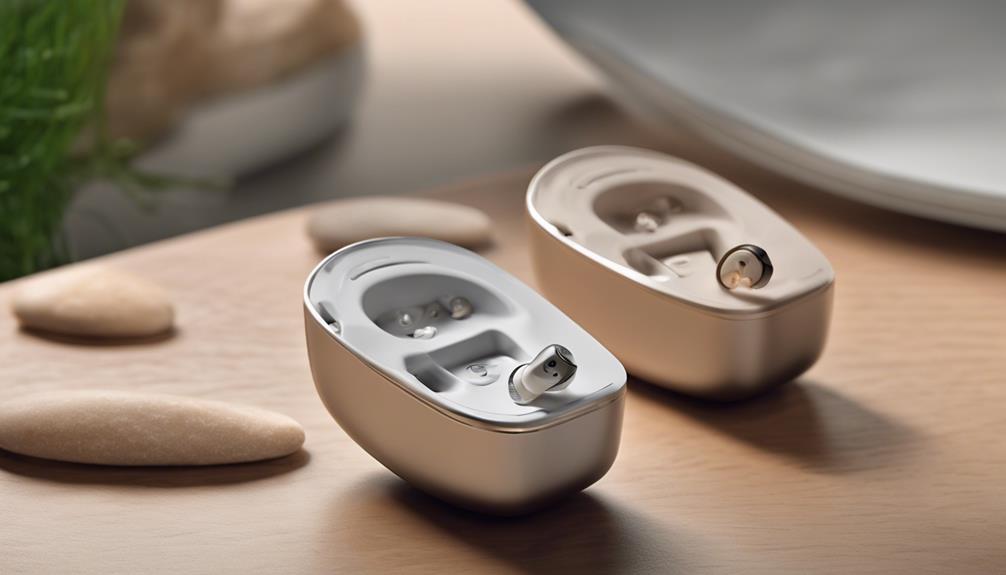
Tinnitus Retraining Therapy (TRT) offers a structured approach to help you manage persistent ringing or buzzing in your ears. It combines counseling and sound therapy to change how you perceive and respond to tinnitus, aiming to reduce its intrusiveness over time. One core component of TRT involves sound masking, which uses external noise to make tinnitus less noticeable. By introducing calming, low-level sounds through devices like white noise machines or specially designed hearing aids, you can lessen the contrast between your tinnitus and background noise. This process doesn’t eliminate the ringing but diminishes its prominence, helping your brain to ignore it more effectively. Over time, sound masking can make a significant difference in reducing your awareness of tinnitus and lowering your stress related to it.
Alongside sound masking, cognitive restructuring plays a crucial role in TRT. This aspect focuses on changing your thoughts and emotional responses to tinnitus. When you learn to challenge negative beliefs and reduce anxiety associated with the condition, your overall perception shifts. Rather than viewing tinnitus as a relentless problem, cognitive restructuring guides you toward understanding that it’s manageable and less threatening. This shift in mindset helps you develop healthier coping strategies, making tinnitus seem less overwhelming. The therapy often involves counseling sessions where you explore your reactions and learn techniques to reframe negative thoughts, gradually reducing the emotional distress caused by tinnitus. This dual approach of sound therapy and cognitive restructuring empowers you to regain control over your mental state.
Cognitive restructuring helps you change negative thoughts and reduce anxiety about tinnitus.
The process of TRT is gradual and personalized. You might start with sound therapy devices that produce soothing sounds tailored to your tinnitus frequency. Simultaneously, your therapist helps you recognize patterns of distress and guides you through cognitive restructuring exercises. Over time, as your brain adapts to the new sound environment and your thoughts become more positive, your perception of tinnitus often lessens. The goal isn’t to completely silence the ringing but to change your brain’s response to it, making it less disruptive. This combination of sound masking and mental reframing requires patience and consistent effort, but many find it highly effective in gaining relief. Additionally, understanding angel numbers can provide spiritual reassurance and motivation during your tinnitus management journey.
Ultimately, TRT is about retraining your brain to filter out tinnitus signals and reduce emotional reactions. By integrating sound masking with cognitive restructuring, you can develop a more peaceful coexistence with tinnitus, allowing you to focus on daily activities without constant distraction. It’s a detailed approach that addresses both the physical sound and the emotional response, leading to a more manageable and less stressful experience.
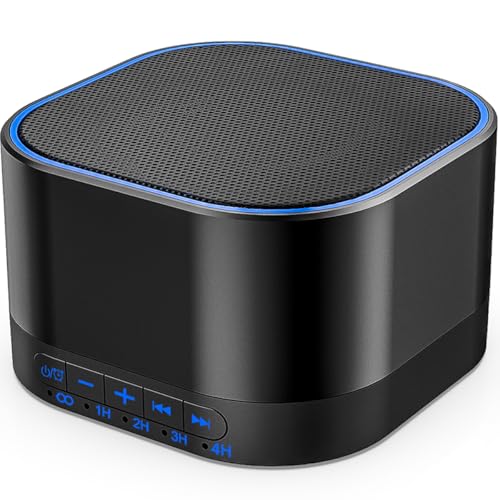
Magicteam White Noise Machine with 20 Non Looping Natural Soothing Sounds Memory Function 32 Levels of Volume Powered by AC or USB and Sleep Sound Timer Therapy for Baby Kids Adults Black
❤20 Non-Looping Sleep Sounds: White noise ,Brown noise, pink noise, blue noise, fan,brook, rain, ocean,bird and Bonfire,suitable for…
As an affiliate, we earn on qualifying purchases.
As an affiliate, we earn on qualifying purchases.
Frequently Asked Questions
How Long Does TRT Typically Take to Show Results?
You can usually expect to see some results from TRT within 3 to 6 months, but the full therapy timeline varies depending on your tinnitus severity and individual response. Consistency is key, so sticking to the program helps speed up progress. While some may notice improvements sooner, patience is essential, as it often takes around a year for tinnitus to become less noticeable and for you to adapt effectively.
Can TRT Be Combined With Other Tinnitus Treatments?
Yes, you can combine TRT with other tinnitus treatments. Many people find that multimodal approaches, which include TRT alongside sound therapy, counseling, or medication, enhance their overall relief. Complementary therapies like stress reduction techniques or mindfulness can also support TRT’s effectiveness. Always discuss your plans with a healthcare professional to guarantee these treatments work well together and suit your specific needs.
Are There Any Risks or Side Effects of TRT?
You might experience some risk factors or side effects with TRT, but they are generally mild. Common issues include temporary ear discomfort or fatigue as your brain adjusts. To manage side effects, follow your therapist’s guidance closely and communicate any concerns. Regular check-ins help ensure safe progress. Overall, TRT is safe, and most people tolerate it well, with side effect management making the experience more comfortable.
Is TRT Suitable for All Types of Tinnitus?
Like choosing the right tool for a task, TRT isn’t suitable for all tinnitus types. It works best for those with chronic, tonal tinnitus, where the sound is steady. Suitability considerations include your tinnitus’s nature and your emotional response. If your tinnitus fluctuates or is caused by certain health issues, TRT may not be the best fit. Consult a specialist to determine if TRT aligns with your specific tinnitus type.
What Is the Success Rate of Tinnitus Retraining Therapy?
The success rate of tinnitus retraining therapy varies, but many patients experience positive outcomes. You may find significant relief, as studies show improved patient outcomes for around 70-80% of those undergoing TRT. Keep in mind, individual results depend on factors like tinnitus severity and commitment to the process. By sticking with TRT, you increase your chances of managing your symptoms effectively and improving your quality of life.

Audien Atom One OTC Hearing Aids – Wireless, Rechargeable, and Comfortable | Clear Sound in a Small, Discreet Design for Seniors & Adults with Hearing Loss
Hear What Matters Most: Hearing isn’t one-size-fits-all. That’s why our adjustable frequency system lets you personalize your sound…
As an affiliate, we earn on qualifying purchases.
As an affiliate, we earn on qualifying purchases.
Conclusion
By understanding TRT, you learn to listen differently, to focus less on the noise, and to regain your peace. You embrace new habits, challenge old perceptions, and retrain your mind to ignore the tinnitus. You take control, you restore calm, and you reclaim your life. Through patience, persistence, and the right guidance, you can break free from the constant sound. Remember, your journey to silence begins with a single step—take it today.

Cognitive Behavioral Therapy for Tinnitus
As an affiliate, we earn on qualifying purchases.
As an affiliate, we earn on qualifying purchases.

ELEHEAR-Beyond OTC Hearing Aids, AI Powered Speech Enhancement and Tinnitus Masking, Superior Sound Quality, Connectivity with iOS or Android Devices via Bluetooth 5.3, for Seniors and Adults
Super Clear Sound – Powered by VocClear AI Technology with maximum gain of up to 50 dB and…
As an affiliate, we earn on qualifying purchases.
As an affiliate, we earn on qualifying purchases.