
Community care referrals help you access specialized cochlear implant services by connecting you with audiologists, ENT specialists, and surgeons. They guide you through evaluation, surgery, and post-operative rehabilitation, making the process smoother and more accessible. These referrals also provide ongoing support, including counseling, device maintenance, and troubleshooting. Better coordination increases the chances of a successful outcome and improves your overall quality of life. If you want to understand how this works, there’s more that can help you navigate your journey.
Key Takeaways
- Connect patients with specialized audiologists, ENT specialists, and surgeons for comprehensive cochlear implant care.
- Facilitate access to evaluation, surgery, and post-operative rehabilitation services.
- Provide support navigating complex healthcare processes and overcoming logistical barriers.
- Offer ongoing counseling, device training, and emotional support throughout the treatment journey.
- Promote improved hearing outcomes and quality of life through coordinated, holistic care.

Community care referrals play a crucial role in guaranteeing patients access cochlear implant surgery when they need it most. If you’ve been struggling with hearing loss and have tried traditional hearing aids without success, it’s essential to understand the alternatives available. Hearing aid alternatives, such as cochlear implants, can dramatically improve your quality of life by restoring hearing ability more effectively for severe or profound hearing loss. However, getting access isn’t always straightforward. That’s where community care referrals come into play, connecting you with the specialized services and professionals who can evaluate your condition and guide you through the process.
When you’re referred through community care programs, you gain access to a network of audiologists, ENT specialists, and surgeons experienced in cochlear implant procedures. These referrals streamline the pathway to treatment, making it easier to navigate the often complex process of assessment, surgery, and post-operative care. Once you’re identified as a suitable candidate, the surgical procedure itself becomes more accessible, especially if financial or logistical barriers might otherwise delay treatment. Community referrals also help ensure you receive all-encompassing post operative rehabilitation, which is critical for maximizing the benefits of your cochlear implant.
Post operative rehabilitation is a key component of successful cochlear implantation. After surgery, your brain needs time to adapt to the new way of hearing through the implant, and dedicated rehab programs support this adjustment. When you’re connected via community care, you’re more likely to receive ongoing speech therapy, auditory training, and support to help you interpret sounds and speech. These services are essential because they enable you to make the most of your implant, translating the raw signals into meaningful sounds. The rehabilitation process isn’t just about hearing; it’s about regaining confidence in social situations and improving communication overall.
Community care referrals also foster a holistic approach to hearing health. They ensure you’re not just getting the surgery but also ongoing support tailored to your needs. This includes counseling to help you adjust emotionally and practically to your new hearing capabilities, as well as education about device maintenance and troubleshooting. Additionally, understanding the role of cookies and privacy policies in healthcare information management can help you feel more confident in your engagement with digital health services. By integrating these services, community referral programs help you navigate the entire journey with confidence and clarity.

Retekess T130S Tour Guide Headsets, Tour Guide Microphone and Speaker, Upgraded Longer Range, Assistive Listening Devices for Church, One-Key Mute, Tour Guide Audio System for School (2 TX 60 RX)
Superior endurance; church translation system maintains 20H standby time with more durable battery. 64-device charging case allows for...
As an affiliate, we earn on qualifying purchases.
Frequently Asked Questions
What Are the Eligibility Criteria for Cochlear Implant Referrals?
You need to meet specific criteria for cochlear implant referrals, especially if hearing aid options and speech therapy programs haven’t helped your hearing. Typically, you’re considered if you have severe to profound sensorineural hearing loss in both ears and limited benefit from hearing aids. Your healthcare provider assesses your speech perception and overall health to determine eligibility. Make sure to discuss your hearing history and previous treatments to see if you qualify.
How Long Does the Referral Process Typically Take?
Ever wondered how long the referral process takes? Usually, it varies depending on the healthcare system, but you’re looking at timelines for assessment that can range from a few weeks to several months. Referral delays often happen due to high demand or administrative issues, so it’s crucial to stay proactive. Keep in touch with your provider and follow up regularly to help make certain your process moves smoothly and promptly.
Are There Financial Assistance Options Available for Surgery?
You might wonder if there’s financial aid available for cochlear implant surgery. Many insurance plans provide coverage, so check your policy details. Additionally, there are community programs and assistance options that can help reduce costs. It’s worth contacting your healthcare provider or local health services to explore financial aid opportunities. Don’t hesitate to ask about coverage options, as they can make this life-changing surgery more affordable for you.
What Is the Success Rate of Cochlear Implant Surgeries?
You might wonder about the success rate of cochlear implant surgeries. Generally, most patients experience significant improvement in hearing, especially with post-surgery rehabilitation. Advances in device technology have also increased success rates, making it easier to adapt and communicate. Your outcome depends on factors like age and health, but with proper follow-up and training, you can expect a positive impact on your quality of life.
Can Children With Multiple Disabilities Receive Cochlear Implants?
Did you know that around 80% of children with multiple disabilities can benefit from cochlear implants? If your child has additional challenges, a multidisciplinary assessment is vital to determine candidacy. Speech therapy plays a pivotal role in maximizing outcomes. With the right support team, many children with multiple disabilities can achieve improved hearing and communication, giving them a better chance to connect and thrive.
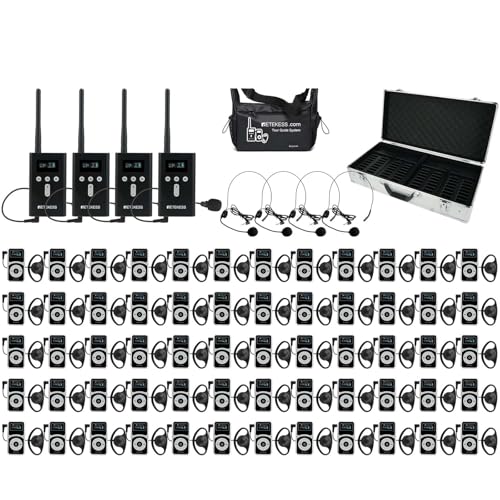
Retekess T130P (3nd Gen T130) Factory Tour Guide Headsets, Assistive Listening System, 64-Slot Charge Case, Upgraded Noise Reduction, Wireless Tour Guide Device for Plant, Church, School (4 TX 60 RX)
Clear sound quality; Retekess T130P tour guide system has noise reduction function; 1 to 4 levels of noise...
As an affiliate, we earn on qualifying purchases.
Conclusion
So, next time you’re tempted to dismiss community care referrals for cochlear implants, remember—they’re not just about better hearing; they’re about making sure everyone’s voice gets heard, even if some prefer to ignore the chorus. After all, who needs audiological access when you can enjoy the sweet silence of missed opportunities? Embrace the referrals—you might just find the conversation you’ve been missing. After all, deafening silence isn’t exactly the sound of progress.

Retekess T130 Wireless Tour Guide System, Church Translation System, Easy to Set Up, Clear Sound Quality, Tour Guide Headsets for Plant Tour, School (1 Transmitter 15 Receivers)
Clear sound quality; tour guide microphone and speaker uses PLL technology to automatically avoid interference, obtain a more...
As an affiliate, we earn on qualifying purchases.

Retekess TT106 Tour Guide Headset, Tour Guide Microphone and Speaker, 2.4G, Dual Transmitter Operation, Right Ear Hook Receiver, Assistive Listening Device for Factory (2 Transmitters 30 Receivers)
Lightweight; Retekess TT106 factory tour headset features lightweight ear-hanging receivers weighing only 18g/0.04lb; this design ensures comfort and...
As an affiliate, we earn on qualifying purchases.