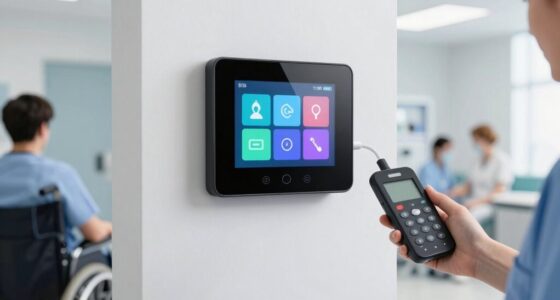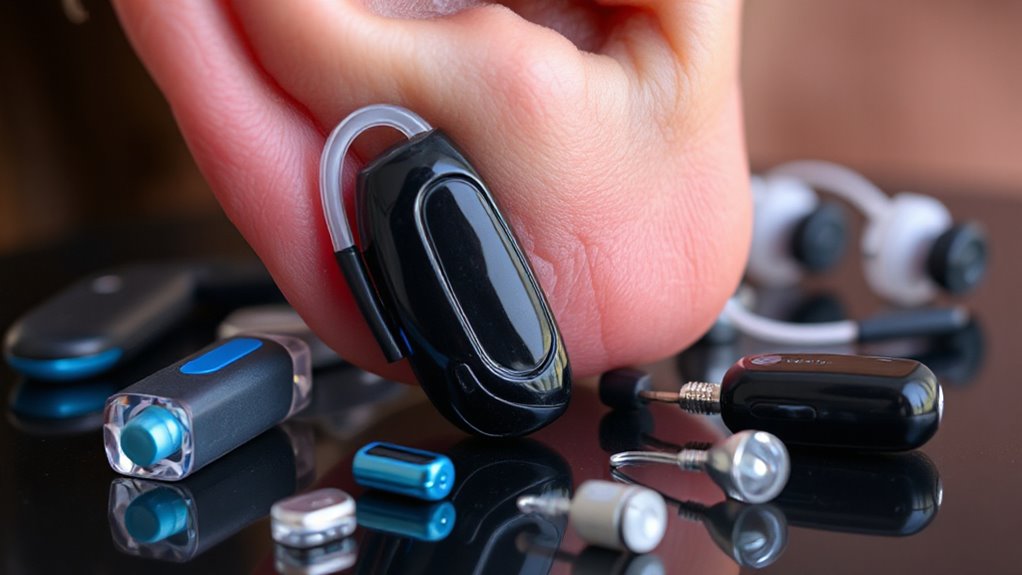

Choosing the right FM listening system can dramatically improve audio clarity for those with hearing loss, but the market is filled with varying levels of complexity and cost. The Retekess TT119 stands out as the best overall choice for institutional settings like churches due to its robust multi-receiver capacity and translation features. For individuals seeking a portable, personal solution, the Williams Sound PFM PRO offers superior channel density and reliability compared to bulkier alternatives. The primary tradeoff involves balancing multi-user capability against personal portability and ease of setup. This guide breaks down these six options to help you match the technology to your specific listening environment and budget constraints.

Get everyday helpers delivered free with Prime
- Fast, free delivery on millions of items
- Prime Video, Amazon Music and more included
- Member-only deals all year
Key Takeaways
- Institutional systems like the Retekess TT119 prioritize multi-user capacity and translation, while personal units like the Williams Sound PFM PRO focus on portability and single-user clarity.
- Receiver battery type matters: rechargeable lithium-ion options reduce long-term maintenance costs compared to systems requiring disposable batteries.
- Channel availability varies widely; high-density systems (17+ channels) prevent interference in crowded environments, whereas basic units may struggle in dense RF areas.
- Carrying cases and ADA plaques are not just accessories but critical for institutional compliance and equipment security in public venues.
- Neckloop compatibility is a differentiator; users with cochlear implants or T-coil hearing aids require systems that support telecoil induction, not just headphones.
| Retekess TT119 Assistive Listening System with Church Translation (1TX 10RX) |  | Best for Multilingual Large Venues | Connectivity: Auxiliary, FM, wireless | Connector: 3.5 mm jack | Channels: 17 | VIEW ON AMAZON | See Our Full Breakdown |
| 10-Person Assistive Listening System with Headphones and Neckloops |  | Best for Groups That Need Broad Listener Support | Supported listeners: 10 | Included listening accessories: Over-the-head headphones and neckloops | Headphone details: Reinforced cables and HiFi speakers | VIEW ON AMAZON | See Our Full Breakdown |
| Enersound 4-Person Assistive Listening System with Premium Over‑the‑Head Headphones and Carrying Case |  | Best for Portable, Small-Group Use | Included listeners: 4 | Headphones: Premium foldable over-the-head, over-ear | Cable: Reinforced and tangle-free | VIEW ON AMAZON | See Our Full Breakdown |
| Williams Sound PPA R37N PPA Select FM Receiver with Belt Clip |  | Best Replacement Receiver | Receiver type: Williams Sound PPA Select FM receiver | Dimensions: 4.1 x 2.85 x 1.38 inches | Weight: 4.6 oz with batteries | VIEW ON AMAZON | See Our Full Breakdown |
| Williams Sound PFM PRO Personal FM Listening System, 17 Channels, 72-76 MHz |  | Best Complete Personal FM Kit | Channels: 17 | Operating frequencies: 72–76 MHz | Listed range: Up to 150 feet | VIEW ON AMAZON | See Our Full Breakdown |
| 10-Person Assistive Listening System with Carrying Case and ADA Plaque |  | Best for Community Venues | Number of listeners: 10 | Expandable: Yes, with additional receivers | Included accessories: Carrying case and ADA plaque | VIEW ON AMAZON | See Our Full Breakdown |
| fm listening systems for hearing impaired | Weight |
|---|---|
| Retekess TT119 Assistive Liste | 3.86 kg |
| 10-Person Assistive Listening | 9 pounds |
| Enersound 4-Person Assistive L | 14 pounds |
| Williams Sound PPA R37N PPA Se | 4.6 oz with batteries |
| Williams Sound PFM PRO Persona | — |
| 10-Person Assistive Listening | — |
More Details on Our Top Picks
Retekess TT119 Assistive Listening System with Church Translation (1TX 10RX)
The Retekess TT119 suits churches, schools, and event organizers who need to send different audio channels to listeners across a large space. Its 17-channel support allows multiple language feeds, while the stated 300-meter range gives it more reach than the Williams Sound PFM PRO, listed for up to 150 feet. Recording and monitoring features also serve organizers who need more than basic live listening. The tradeoff is a heavier, more involved setup: at 3.86 kg, it is less convenient to move than the standalone Williams Sound PPA R37N receiver, and the description notes that receivers require external batteries. Its feature set is better matched to staffed events than to someone seeking a simple personal listening aid.
Pros:- Supports up to 17 channels for multilingual or multi-feed events.
- Stated wireless range of up to 300 meters suits large venues.
- Recording and monitoring features support organized event use.
- One-click operation and automatic pairing can simplify routine operation.
Cons:- The 3.86 kg system is less portable than a standalone receiver.
- Receiver batteries are required, adding upkeep for a multi-listener setup.
- The broader feature set may make setup harder for non-technical operators.
Best for: Churches and conference organizers running multilingual events in large venues who can manage a dedicated transmitter and receiver setup.
Not ideal for: Individuals seeking a lightweight, personal listening device or volunteers who need a minimal setup without technical support.
- Connectivity:Auxiliary, FM, wireless
- Connector:3.5 mm jack
- Channels:17
- Wireless range:Up to 300 meters
- Special features:Desktop FM transmitter, stereo, recording, long-range operation
- Power:Corded electric; receivers require 1 AA battery
- Weight:3.86 kg
- Dimensions:17.91 x 12.2 x 10.63 inches
Our verdict“Choose the TT119 for large, multilingual events where channel flexibility and reach matter more than portability and simple setup.”
10-Person Assistive Listening System with Headphones and Neckloops
For venues that regularly serve a group, this system’s clearest advantage is its 10-person included capacity, paired with both headphones and neckloops. That combination accommodates listeners who prefer over-the-head headphones as well as those using compatible hearing aids with a neckloop. Compared with the Enersound 4-Person Assistive Listening System, it covers more listeners out of the box, while the Enersound listing gives clearer detail about its receivers, carrying case, and FM expansion. This product instead stands out for its lifetime warranty and US-based phone support, useful for organizations that want an ongoing support route. The available specifications say little about transmitter compatibility or range, though, and expansion requires an additional purchase.
Pros:- Includes equipment to serve up to 10 listeners at once.
- Provides both headphones and neckloops for different listening preferences.
- Lifetime warranty and US-based phone support are specified.
- Can be expanded with additional receivers.
Cons:- Additional receivers are needed to expand beyond the included capacity.
- The supplied product details do not specify range or device compatibility.
- At 9 pounds, the system is less convenient to carry than a receiver-only option.
Best for: Community venues and organizations that need listening equipment for up to 10 people, including users who need neckloop access.
Not ideal for: Buyers who need documented transmitter compatibility, range, or detailed technical specifications before selecting a system.
- Supported listeners:10
- Included listening accessories:Over-the-head headphones and neckloops
- Headphone details:Reinforced cables and HiFi speakers
- Expansion:Additional receivers can be added
- Warranty:Lifetime
- Support:US-based phone support
- Included signage:ADA plaque
- Weight:9 pounds
Our verdict“Pick this system for group programs that need 10 listeners, headphones, and neckloops, but seek more technical detail if compatibility is a deciding factor.”
Enersound 4-Person Assistive Listening System with Premium Over‑the‑Head Headphones and Carrying Case
The Enersound kit is a practical fit for organizations that need to serve a small group and move the equipment between rooms. It includes four foldable headphones and a case designed to hold up to 10 receivers and accessories, so the package can travel together and has room for future additions. Compared with the 10-Person Assistive Listening System with Headphones and Neckloops, it starts with fewer listeners, but its carrying case capacity and named receiver expansion options make its growth path more specific. Its three-year US-based warranty and phone support also add a defined support window. The tradeoff is bulk: the listed 14-pound weight is substantial for a four-listener kit, and serving more than four people calls for extra FM receivers.
Pros:- Includes four foldable over-the-head headphones with reinforced, tangle-free cables.
- Carrying case holds up to 10 receivers and accessories.
- Can expand with R-120 or R-100 FM receivers.
- Includes a three-year manufacturer warranty and US-based phone support.
Cons:- The listed 14-pound weight is heavy for a portable four-listener package.
- Only four listeners are covered without purchasing additional receivers.
- The description does not specify operating range or channel count.
Best for: Small venues, congregations, or meeting organizers who need a four-listener kit that can be carried between locations and expanded later.
Not ideal for: Organizations that routinely serve more than four listeners and want all receivers included from the outset, or buyers prioritizing a lightweight kit.
- Included listeners:4
- Headphones:Premium foldable over-the-head, over-ear
- Cable:Reinforced and tangle-free
- Carrying case capacity:Up to 10 receivers and accessories
- Expandable receivers:R-120 or R-100 FM receivers
- Warranty and support:Three-year manufacturer warranty with US-based phone support
- Included signage:ADA plaque
- Weight:14 pounds
Our verdict“Choose Enersound when a small group, organized transport, and a stated expansion path matter more than low weight or high included capacity.”
Williams Sound PPA R37N PPA Select FM Receiver with Belt Clip
The Williams Sound PPA R37N is a receiver-only option, making it a focused choice for venues that already have a compatible PPA transmitter and need another listener unit. Its seek-button channel selection is more straightforward than the multi-part setup of the Williams Sound PFM PRO personal system, while compatibility with multiple PPA transmitters gives existing installations flexibility. A belt clip and 4.6-ounce weight with batteries make it easier to carry during a service or event than the Retekess TT119 system. The limitation is that this is not a complete listening system: a compatible transmitter and separate headphones or other listening accessory are needed. It also runs on two AA batteries rather than a built-in rechargeable battery, and its listed tuning range is limited to 72–76 MHz.
Pros:- Seek-button channel selection simplifies finding a signal.
- Compatible with multiple PPA transmitters.
- Provides access to 17 wideband frequencies.
- Belt clip and compact dimensions support portable use.
Cons:- Receiver only; a compatible transmitter and listening accessory are needed.
- Requires two AA alkaline or NiMH batteries and has no built-in rechargeable battery.
- Operation is limited to the 72–76 MHz bandwidth.
Best for: Venues already using a compatible Williams Sound PPA transmitter that need a portable additional receiver with simple channel selection.
Not ideal for: First-time buyers who need a complete transmitter-and-receiver kit or anyone seeking a rechargeable receiver.
- Receiver type:Williams Sound PPA Select FM receiver
- Dimensions:4.1 x 2.85 x 1.38 inches
- Weight:4.6 oz with batteries
- Battery:Two AA alkaline or NiMH
- Frequency range:72–76 MHz
- Channel access:17 wideband frequencies; seek-button selection
- Frequency response:200–15 kHz
- Audio output:35 mW maximum
- Auto shut-off:After approximately 6 minutes without RF signal
Our verdict“Choose the R37N to add a portable listener receiver to a compatible PPA setup, not as a standalone listening system.”
Williams Sound PFM PRO Personal FM Listening System, 17 Channels, 72-76 MHz
Unlike the PPA R37N, which is a receiver for an existing compatible installation, the Williams Sound PFM PRO is listed as a complete personal system with transmitter, receiver, microphone, headphones, earphone, cables, batteries, and carry case. That makes it a more direct starting point for one-to-one listening or small-group audio, without requiring the buyer to assemble those core parts separately. Its 17 channels and stated 150-foot range offer room to select a channel and listen away from the transmitter, though the Retekess TT119 claims greater range and is aimed more at large, multilingual venues. The PFM PRO is more personal in scale, but its 72–76 MHz frequency range may not fit every setup, and battery operation plus first-time configuration add practical steps.
Pros:- Includes transmitter, receiver, microphone, headphones, earphone, cables, batteries, and carry case.
- Offers 17 selectable channels.
- Listed operating range reaches up to 150 feet.
- Provides both headphone and earphone listening options.
Cons:- Uses batteries for operation rather than a stated built-in rechargeable system.
- Operates only within the listed 72–76 MHz frequency range.
- Channel and transmitter setup may take extra attention for first-time users.
Best for: Individuals, caregivers, or small organizations wanting a listed transmitter-and-receiver kit with headphones and microphone included.
Not ideal for: Large venues needing the Retekess TT119’s stated reach or multiple language feeds, or users who want a rechargeable system.
- Channels:17
- Operating frequencies:72–76 MHz
- Listed range:Up to 150 feet
- Included components:Transmitter and receiver
- Listening accessories:Earphone and headphones
- Other included items:Cables, microphone, batteries, and carry case
Our verdict“Choose the PFM PRO for a ready-to-use personal FM kit; choose the TT119 instead when a large venue and multilingual channels are the priority.”
10-Person Assistive Listening System with Carrying Case and ADA Plaque
I’d choose this system for a church, school, or community venue that needs a shared listening setup for up to 10 users. The included carrying case supports moving and storing the system, while the ADA plaque helps venues identify its availability. Compared with the Enersound 4-Person Assistive Listening System, this model accommodates a larger group; unlike the Williams Sound PFM PRO, it is presented as a venue package rather than a personal system. Its expandable receiver capacity leaves room to serve more listeners later, and the three-year warranty with phone support may suit organizations that want a clear support path. The tradeoff is that the base system serves only 10 people, and the supplied details do not specify receiver style or technical transmission features. I’d choose another option if those specifics are central to the decision.
Pros:- Supports up to 10 listeners at once
- Expandable with additional receivers for larger groups
- Includes a carrying case for transport and storage
- Includes an ADA plaque and a three-year warranty with phone support
Cons:- The base system is limited to 10 listeners
- Product details do not specify receiver type or transmission characteristics
Best for: Churches, schools, and community organizations that need a portable listening system for up to 10 users and value an ADA notice and phone support.
Not ideal for: Large venues that routinely serve more than 10 listeners without expansion, or buyers who need confirmed receiver, headphone, neckloop, or transmission specifications before choosing.
- Number of listeners:10
- Expandable:Yes, with additional receivers
- Included accessories:Carrying case and ADA plaque
- Warranty:3 years
- Support:Phone support
- Item weight:20 pounds
Our verdict“Choose this venue-focused package if your organization needs shared listening for up to 10 people, with portability and room to expand.”

How We Picked
I evaluated these systems based on three core criteria: audio fidelity, ease of deployment, and user versatility. Audio fidelity was assessed by looking at frequency response ranges and signal stability, ensuring that the systems provide clear speech intelligibility rather than just volume amplification. Ease of deployment considered setup complexity—whether a system requires professional installation or can be set up by a volunteer in minutes. Versatility looked at how well the system adapts to different hearing aid technologies, such as neckloops for telecoil users versus standard headphones for others.
Ranking logic favored systems that offered the best balance of reliability and accessibility. Products with dedicated carrying cases and ADA compliance features were ranked higher for institutional use, while compact, high-channel-count receivers were prioritized for personal daily use. I excluded systems with poor battery life or those lacking clear instruction manuals for non-technical users.
Factors to Consider When Choosing Fm Listening Systems For Hearing Impaired
Selecting an FM listening system requires understanding the specific acoustic environment and the hearing technology of the end user. Below are four key factors that will determine which system serves you best.
Institutional vs. Personal Use Cases
The first decision is whether you need a system for a single user or a group. Institutional systems like the Retekess TT119 are designed to broadcast to multiple receivers simultaneously, making them ideal for churches, classrooms, or conference halls. These setups often include a transmitter and multiple receivers, requiring more complex management. Personal systems, such as the Williams Sound PFM PRO, are lightweight, pocket-sized, and designed for one person to carry everywhere. If you are buying for a venue, do not choose a personal unit; if you are buying for yourself, do not buy a multi-user kit unless you plan to share it with family members regularly.
Hearing Aid Compatibility: Headphones vs. Neckloops
Not all hearing aids work with standard headphones. Users with telecoil (T-coil) hearing aids or cochlear implants benefit most from neckloops, which transmit audio magnetically directly to the hearing aid processor, bypassing the microphone to reduce background noise. Systems like the 10-Person Assistive Listening System often include neckloops, which is a significant advantage for this demographic. If you primarily use headphones, look for systems with high-quality over-ear options that provide comfort during long sessions. Always verify if the receiver supports induction loop output before purchasing if you rely on T-coil technology.
Channel Density and Interference Resistance
FM systems operate on specific radio frequencies, and in dense urban areas or buildings with multiple wireless devices, interference can ruin audio quality. High-channel-count systems, like the Williams Sound PFM PRO with 17 channels, allow users to switch frequencies to find a clear signal. Basic systems with fewer channels may suffer from static if nearby devices use similar frequencies. For personal use in varied locations, higher channel density is a non-negotiable feature. For fixed installations in rural or isolated areas, fewer channels may be acceptable, but flexibility is still preferred for future-proofing.
Battery Type and Maintenance Burden
Battery management is a frequent pain point for users of assistive listening devices. Rechargeable lithium-ion batteries are superior for daily users because they eliminate the recurring cost and environmental waste of disposable batteries. Some institutional receivers still use standard AA or AAA batteries, which can be convenient for infrequent users who do not want to worry about charging cycles. Consider your usage frequency: if you attend services or lectures weekly, a rechargeable system saves time and money over the long term. If you only use the device occasionally, disposable batteries may offer more convenience since they do not degrade if left unused for months.
Frequently Asked Questions
Can I use an FM listening system with my existing Bluetooth hearing aids?
Generally, no. FM systems operate on radio frequencies (typically 72-76 MHz), which are distinct from the Bluetooth protocols used by modern hearing aids. While some newer hearing aids have built-in FM receivers or can connect via a dedicated streamer device, most standard Bluetooth hearing aids cannot directly pair with an FM transmitter. You will likely need a receiver that outputs to a neckloop or uses a specific hearing aid streamer. Check your hearing aid manufacturer’s compatibility list before purchasing an FM system to avoid incompatibility issues.
Why do some systems require an ADA plaque and others do not?
An ADA (Americans with Disabilities Act) plaque is a visual indicator that informs the public that assistive listening devices are available in that venue. Venues subject to ADA compliance, such as public theaters, houses of worship, and government buildings, are required to provide these systems and display signage. Personal systems do not need plaques because they are private devices. If you are installing a system in a public space, choosing a kit that includes the plaque and a locking carrying case helps ensure compliance and protects the equipment from theft.
Is there a significant audio quality difference between expensive and cheap FM receivers?
Yes, there is a noticeable difference in signal-to-noise ratio and frequency response. Higher-end receivers like the Williams Sound PPA R37N typically feature better shielding against interference and clearer audio reproduction, especially in environments with competing radio signals. Cheaper units may introduce static or hum, which can be fatiguing over long periods. However, for simple speech reinforcement in a quiet room, a mid-range system often provides sufficient clarity. Invest in higher quality if you use the device in noisy or electrically noisy environments.
How do I prevent interference from other FM systems in the same building?
Interference occurs when two transmitters use the same frequency. To prevent this, use systems with multiple channel options and coordinate frequencies among different rooms or departments. If you are in a large facility, create a frequency map to ensure no two nearby transmitters share a channel. Additionally, keep transmitters away from other electronic equipment that emits radio noise, such as Wi-Fi routers or large power supplies. Using directional antennas can also help focus the signal and reduce spill-over into adjacent rooms.
Can I use a neckloop with a receiver that only comes with headphones?
It depends on the receiver’s output jack. Most standard FM receivers use a 3.5mm jack, which is compatible with many aftermarket neckloops. However, some receivers have proprietary connectors or lack the magnetic induction capability required for a neckloop to work effectively. Always check the specifications of the receiver to confirm it supports induction loop output. If it does not, you cannot simply plug in a neckloop and expect it to work with your hearing aid’s telecoil; the signal must be properly modulated for magnetic transmission.
Conclusion
Choosing the right FM listening system depends entirely on your role and environment. For institutional buyers managing churches or classrooms, the Retekess TT119 offers the best balance of multi-user capacity and translation features. Individual users who need a reliable, pocketable solution for daily life will find the Williams Sound PFM PRO to be the most versatile and interference-resistant option. If you are on a strict budget but need a functional multi-user kit for occasional events, the 10-Person Assistive Listening System with Headphones provides solid value without the premium price tag. For those who prioritize hearing aid compatibility, ensure your chosen system includes neckloops to maximize clarity for telecoil users.
Halloween Picks

27FT Giant Inflatable Pumpkin Lighted Outdoor Halloween Decor

DomKom 6 ft Halloween Inflatable Ghosts Roasting Marshmallows

Halloween Inflatable Haunted House Maze – 20×20 ft with Removable Roof and Blower
As an affiliate, we earn on qualifying purchases.