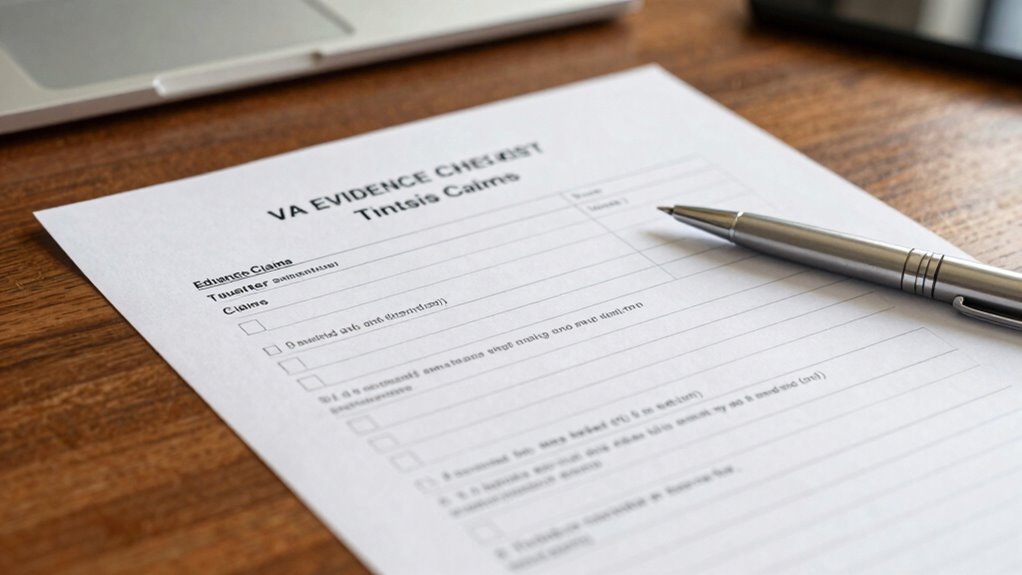

To strengthen your VA tinnitus claim, you need a complete evidence checklist. This includes detailed medical records from military and civilian providers, diagnostic tests like audiograms, and documentation of treatments such as hearing aids or therapy. Supporting statements from healthcare professionals and personal accounts of how tinnitus affects your life also matter. Keeping your records organized and thorough is key. If you keep exploring, you’ll find even more tips to help build a convincing claim.

Get everyday helpers delivered free — and shop member deals
- Fast, free delivery on millions of items
- Access to Prime Big Deal Days deals on October 6–7
- Prime Video, Amazon Music and more included
Key Takeaways
- Gather comprehensive medical records from military and civilian providers, including audiological tests and diagnostic procedures.
- Document all tinnitus treatments, including prescriptions, therapies, and their outcomes to demonstrate ongoing management efforts.
- Obtain detailed statements from healthcare professionals supporting the service connection and severity of tinnitus.
- Include personal statements describing daily impacts and how tinnitus affects quality of life.
- Ensure all diagnostic and treatment documentation is thorough, well-organized, and clearly linked to the claim.
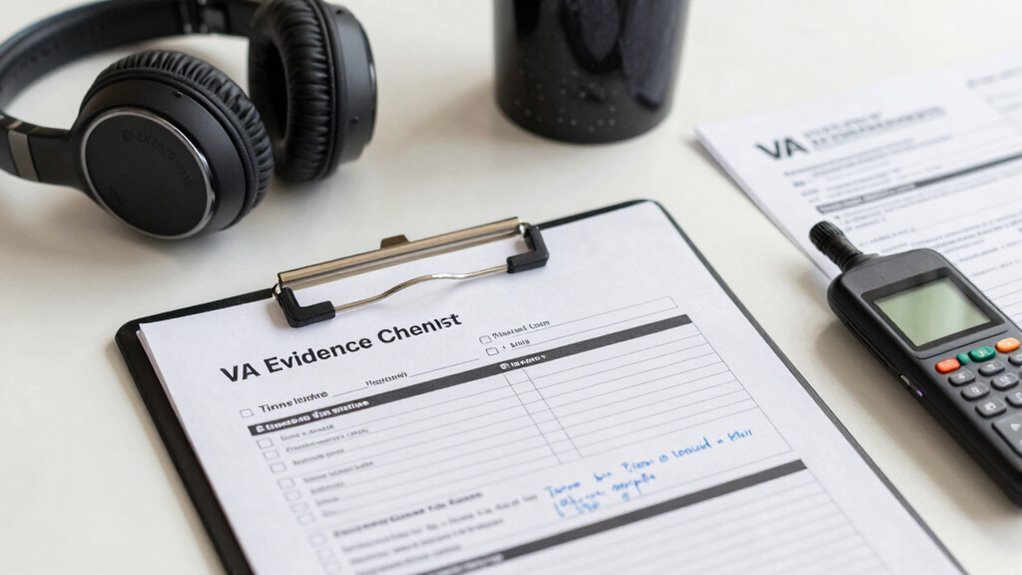
If you’re filing a claim for tinnitus with the VA, having the right evidence can make all the difference in securing a successful outcome. The key to a strong claim lies in presenting thorough, credible evidence that clearly links your tinnitus to your military service. This includes documentation of your treatment options and diagnostic procedures, which demonstrate the extent of your condition and the efforts you’ve made to manage it. The VA looks for detailed records showing how your tinnitus affects your daily life, so gathering detailed medical evidence is vital.
Start by collecting your medical records from both military and civilian healthcare providers. These records should include diagnostic procedures that confirm your tinnitus diagnosis, such as audiological tests or hearing assessments. Diagnostic procedures are essential because they objectively verify your condition and help establish a clear medical history. If your providers used specific tests like audiograms or tinnitus matching tests, ensure these are well-documented and included in your evidence package. This concrete evidence supports your claim by showing that your condition is medically recognized and documented. Additionally, understanding diagnostic procedures can help you better communicate with your healthcare providers to ensure thorough documentation. Recognizing the importance of medical documentation can also improve the quality and completeness of your records, which is crucial for your claim. Remember, well-documented diagnostic procedures can serve as compelling evidence to support your claim.
In addition to diagnostic procedures, it’s important to include records of your treatment options. These might encompass prescriptions for medications, hearing aids, sound therapy, or counseling sessions aimed at managing tinnitus symptoms. Documentation of these treatments demonstrates that you’ve actively sought care and highlights the severity of your symptoms. If you’ve tried multiple treatment options without significant relief, make sure to include medical notes that describe your ongoing struggles. This helps illustrate the impact tinnitus has on your quality of life, which is a key factor in VA evaluations. Including medical treatment history can provide a comprehensive view of your efforts to address your condition over time.
Beyond medical records, consider obtaining statements from healthcare providers who have treated you for tinnitus. These statements should detail their professional opinion on how your service caused or aggravated your tinnitus, reinforcing the connection between your military service and your condition. Personal statements describing how tinnitus affects your daily activities can also strengthen your claim, especially if they tie back to the documented severity and treatment efforts. Proper documentation of your medical history can significantly bolster your case by providing a comprehensive view of your condition over time.
audiogram hearing test for tinnitus
As an affiliate, we earn on qualifying purchases.
As an affiliate, we earn on qualifying purchases.
Frequently Asked Questions
How Long Does It Take to Process a Tinnitus Claim?
Processing a tinnitus claim usually takes about 3 to 4 months, but it can vary depending on your case. You should expect the VA to review your medical evaluations and determine your disability rating based on the evidence you submit. To speed up the process, make sure all your medical documentation is complete and accurate. Staying in contact with the VA and promptly responding to requests can help get your claim processed more efficiently.
Can I Submit New Evidence After Filing My Claim?
Yes, you can submit new evidence after filing your claim, but you must do so before the evidence deadline. Submitting evidence late can delay your claim’s processing or impact its outcome. To avoid issues, make sure you meet all evidence deadlines and include relevant supporting documents. It’s best to submit evidence as early as possible and keep copies of everything you send, so you’re prepared if the VA requests additional information.
What if My Tinnitus Symptoms Change Over Time?
Think of your tinnitus symptoms as a weather forecast—sometimes calm, sometimes stormy. If they change over time, it’s vital to document symptom fluctuation, distinguishing between chronic and acute episodes. This helps your claim reflect your current condition accurately. Keep detailed records of any new or worsening symptoms, and consider updating your evidence with the VA to guarantee your claim remains aligned with your evolving tinnitus.
Do I Need a Doctor’s Statement for My Claim?
Yes, you should include a doctor’s statement as part of your medical evidence for your tinnitus claim. A doctor’s statement provides essential details about your symptoms, diagnosis, and how tinnitus affects your daily life. This medical evidence supports your claim by verifying your condition and its severity. Make sure your statement is detailed, accurate, and from a qualified healthcare provider to strengthen your case with the VA.
How Can I Improve My Chances of Approval?
You know what they say: “Fortune favors the prepared.” To improve your chances of approval, focus on detailed medical evaluations and strong evidence submission. Obtain detailed medical records and expert statements that clearly show how tinnitus impacts your daily life. Submitting extensive, well-organized evidence demonstrates your sincerity and helps the VA understand your condition better, boosting your likelihood of a successful claim.
Conclusion
Finding your way through the VA evidence checklist for tinnitus claims might seem intimidating, but think of it as your map through a maze. Just as a lighthouse guides ships safely to shore, thorough documentation illuminates your path to a successful claim. Remember, collecting the right evidence isn’t just paperwork; it’s your voice loud and clear in a sea of bureaucracy. With preparation, you’ll find your way, transforming uncertainty into confidence and hope.
Fall Picks
fall essentials
As an affiliate, we earn on qualifying purchases.