During your first week with OTC hearing aids, expect some adjustment as your ears and brain adapt to new sounds. You may feel overwhelmed or notice muffled sounds initially, but with patience, clarity will improve. Finding the right fit and fine-tuning the device helps boost comfort and effectiveness. It takes time, usually several days, to get used to the device and experience the full benefit. Keep going—there’s much more to discover about making the most of your hearing aids.

Get everyday helpers delivered free with Prime
- Fast, free delivery on millions of items
- Prime Video, Amazon Music and more included
- Member-only deals all year
Key Takeaways
- Expect initial mixed feelings of excitement and uncertainty as you begin to experience improved hearing.
- Proper fit and adjustments are crucial for comfort and optimal sound quality.
- Sounds may seem muffled at first but will become clearer with daily use and time.
- Patience is essential, as it takes several days to fully adapt to the new device.
- Budget considerations include ongoing costs for batteries and accessories over time.

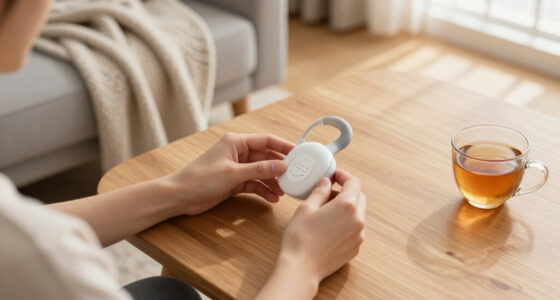
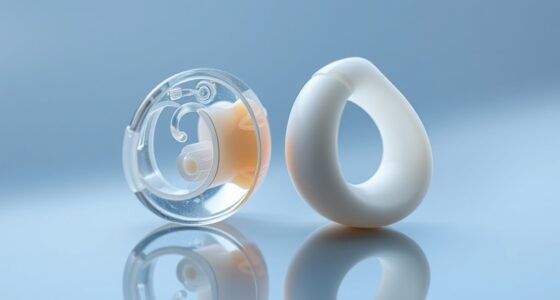
Starting to use OTC hearing aids can feel both exciting and uncertain, especially during the first week. You might be eager to experience improved hearing, but at the same time, you could feel overwhelmed by the new device and what to expect. During these initial days, it’s important to keep in mind that your adjustments will take time, and patience is key. One of the first things you’ll notice is that comfort adjustments are essential. OTC hearing aids often come with different settings or tips to help you find the most comfortable fit. You may need to try a few different ear tips or make small adjustments to the device’s placement to ensure it feels secure but not too tight. Proper fit is critical, as it influences both comfort and sound quality, so don’t hesitate to experiment until you find what works best for you. Proper fit can also impact your overall satisfaction and the effectiveness of your hearing aid. Cost considerations are another aspect that might cross your mind early on. OTC hearing aids are generally more affordable than traditional ones, but it’s still worth being aware of any additional costs. You might want to consider accessories, replacement parts, or batteries, which can add up over time. Understanding these costs upfront helps you manage your budget and avoid surprises later. If you’re using a device for the first time, you may also feel a bit anxious about whether it’s worth the investment, but many find that the benefits outweigh the costs, especially when they’re tailored to your specific hearing needs. In the first week, you’ll likely notice some initial sounds that seemed muffled or distant now becoming clearer. However, your brain is still adjusting to the new auditory input, so it’s normal to experience some unfamiliar sensations or even brief moments of discomfort. As you continue to wear the device daily, your ears will start to adapt, and you’ll find that sounds become more natural. It’s also helpful to understand that sound processing varies from person to person, which is why patience and regular adjustments are important. Additionally, understanding auditory adaptation can help you stay patient during this adjustment period. Remember, it’s common to need a few days to fully get used to the device and to fine-tune its settings for optimal comfort and clarity. Recognizing that initial adjustment can take time will help set realistic expectations. Being aware of hearing loss can also help you set realistic expectations as you adjust. Be patient with yourself—your hearing is adjusting, and with time, you’ll begin to notice the improvements more consistently.
OTC hearing aids with adjustable ear tips
As an affiliate, we earn on qualifying purchases.
As an affiliate, we earn on qualifying purchases.
Frequently Asked Questions
Can OTC Hearing Aids Completely Replace Professional Hearing Aid Fittings?
OTC hearing aids can’t fully replace professional fittings, as they lack personalized adjustments and customization options. While they can improve hearing, a professional fitting guarantees the device is tailored to your specific needs, providing better comfort and sound quality. Personalized fittings help optimize performance, which OTC models can’t offer. If you have significant hearing loss, consulting an audiologist remains the best way to get the most effective hearing solution.
Are OTC Hearing Aids Suitable for Severe Hearing Loss?
OTC hearing aids generally aren’t suitable for severe hearing challenges, as they lack the advanced amplification and customization needed for such cases. If you have severe hearing loss, you might find OTC options insufficient, and professional fittings are usually recommended. These professionals can tailor the device to your specific needs, ensuring effective support and comfort, which OTC devices can’t fully provide for severe hearing impairments.
How Do I Troubleshoot if My OTC Hearing Aids Aren’t Working?
Imagine your OTC hearing aids are tiny radios that need the right signal to work. First, check the battery life—if batteries are dead, replace them. Then, verify a proper fit; if they’re loose, adjust the fit to improve sound. If they still don’t work, try resetting your device or consulting the user manual. These simple steps often fix common issues and get your hearing aids back in tune.
What Is the Average Cost of OTC Hearing Aids?
The average cost of OTC hearing aids ranges from $200 to $1,000 per device, depending on features and brand. You can find affordable options through online retailers or local stores, making it easier to compare prices and find the best deal. Keep in mind that cost comparison helps you choose a device that fits your budget, and exploring affordability options guarantees you get effective hearing aids without overspending.
How Long Does It Take to Get Used to OTC Hearing Aids?
It typically takes about one to two weeks to get used to OTC hearing aids. During this adjustment period, you’ll notice your comfort level gradually improving as your ears adapt to the device. Be patient and wear them consistently, as this helps your brain adjust to the new sounds. If you experience discomfort or persistent issues, consult a professional to ensure proper fit and maximum hearing enhancement.
Conclusion
In your first week with OTC hearing aids, expect some adjustments as you get used to the sounds. It’s normal to notice differences and even some initial discomfort, but don’t worry—these will fade as you adapt. Think of it like breaking in new shoes; at first, they might feel tight, but soon they’ll fit perfectly. Stick with it, and you’ll soon enjoy clearer conversations and improved hearing, just like turning a rough draft into a polished masterpiece.
Columbus Day / Indigenous Peoples' Day Picks
long weekend sales
As an affiliate, we earn on qualifying purchases.