Assistive listening systems help you access clearer sound in noisy environments beyond traditional hearing aids. They capture sound with microphones and wirelessly transmit it directly to your hearing devices or personal receivers, reducing background noise and echoes. These systems are adjustable and compatible with smartphones and other devices, giving you more control. By focusing on speech clarity and minimizing listening effort, they make social and public settings more manageable. Keep exploring, and you’ll discover even more ways these systems can support your hearing needs.

Get everyday helpers delivered free with Prime
- Fast, free delivery on millions of items
- Prime Video, Amazon Music and more included
- Member-only deals all year
Key Takeaways
- Assistive Listening Systems provide wireless transmission of sound, reducing background noise and echoes for clearer communication beyond hearing aids.
- They can be used with various devices like smartphones and personal listeners, extending access in different environments.
- These systems automatically adapt to ambient noise levels, ensuring optimal sound clarity without requiring new hearing aids.
- They facilitate remote control and seamless device pairing, enhancing user convenience and mobility.
- Assistive Listening Systems improve speech understanding in diverse public and social settings, expanding access beyond traditional hearing aids.
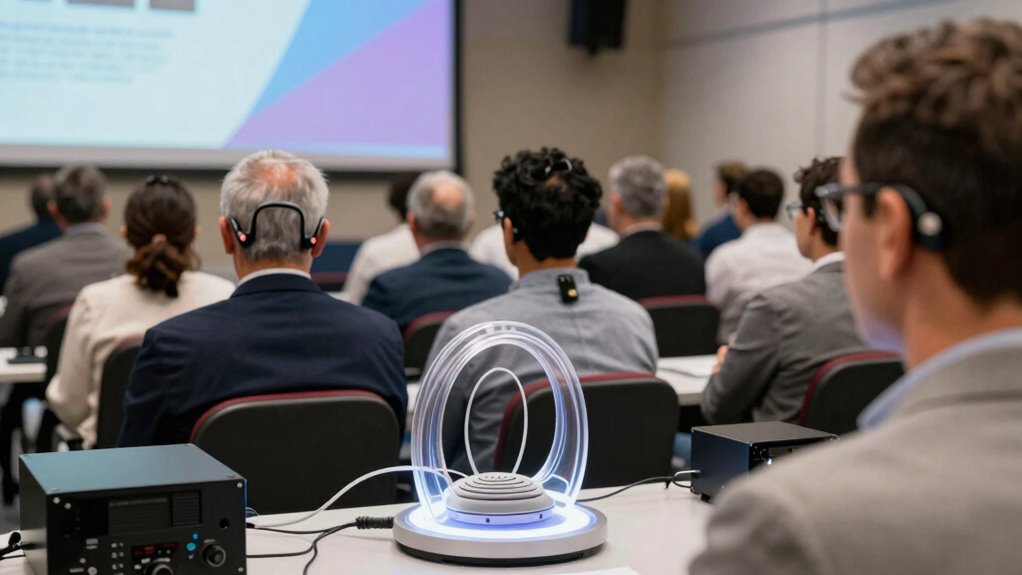
Have you ever struggled to hear conversations clearly in noisy environments? It’s a common challenge, especially in bustling places like restaurants, gatherings, or public events. While hearing aids are designed to help, they don’t always fully resolve the problem, particularly in extremely loud or complex settings. That’s where assistive listening systems come into play. These devices are engineered to enhance your listening experience by providing targeted sound amplification and reliable wireless connectivity, making it easier to follow conversations without straining or missing important details.
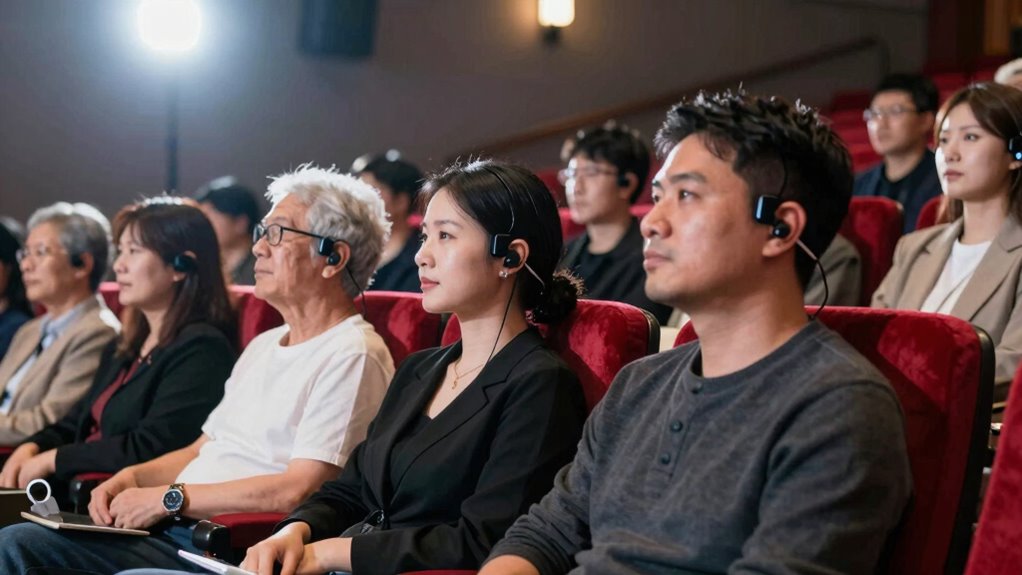
Assistive listening systems expand access beyond traditional hearing aids by offering tailored solutions that improve sound quality directly at the source. They work by capturing sound through a microphone and transmitting it directly to your hearing device or personal listening device using wireless connectivity. This wireless link minimizes background noise and echoes, allowing you to focus on the speaker rather than the surrounding chaos. Whether you’re in a lecture hall, church, or theater, these systems amplify the sound precisely where it’s needed, reducing the effort required to understand speech. Additionally, many systems incorporate features that help reduce listening fatigue over extended periods.
Assistive listening systems enhance sound at the source, reducing noise and echoes for clearer, focused communication in any setting.
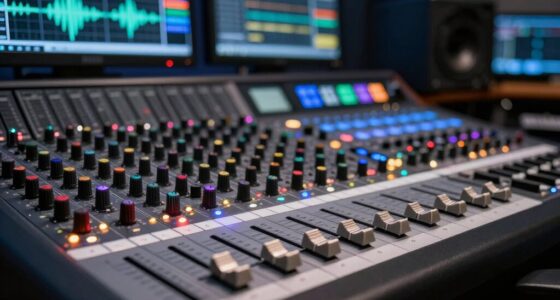
Sound amplification is a core feature of assistive listening systems, but it’s not just about making sounds louder. It’s about clarity and context. Modern systems are designed to amplify speech frequencies while suppressing unwanted noise, ensuring that you can hear the nuances of conversation without distortion. This targeted sound enhancement dramatically improves comprehension, especially for those with mild to moderate hearing loss. Plus, because many systems incorporate digital signal processing, they adapt dynamically to changing environments, automatically tuning themselves to optimize sound quality. This adaptability is especially important in dynamic environments where ambient noise levels can fluctuate rapidly.
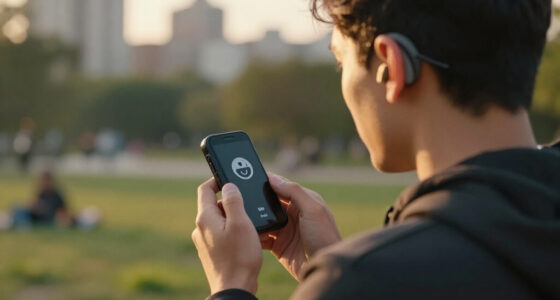
Wireless connectivity is the backbone of these systems, offering flexibility and convenience that traditional wired devices can’t match. You don’t have to worry about cumbersome cords or limited mobility; instead, you can move freely while staying connected. Many systems use Bluetooth or similar wireless standards, allowing seamless pairing with smartphones, tablets, and hearing aids. This integration means you can control volume, switch between programs, or even stream audio directly from your devices, all without interrupting your listening experience. Additionally, advancements in digital signal processing help these systems automatically adapt to different acoustic environments for optimal clarity. As the technology continues to evolve, more systems are incorporating wireless streaming to further enhance user experience.
In essence, assistive listening systems extend the reach of hearing assistance by combining advanced sound amplification with robust wireless connectivity. They’re designed to adapt to your environment, reduce listening fatigue, and improve your overall communication experience. Whether you’re attending a concert, participating in a meeting, or enjoying a social gathering, these systems help you stay engaged and connected, offering a significant upgrade to traditional hearing aids and broadening access to clear, meaningful sound. The ongoing innovations in assistive listening technology continue to make these devices more accessible and effective for a wider range of users.
assistive listening system wireless
As an affiliate, we earn on qualifying purchases.
As an affiliate, we earn on qualifying purchases.
Frequently Asked Questions
Can Assistive Listening Systems Be Used Outdoors Effectively?
Yes, assistive listening systems can be used outdoors effectively. They’re designed with outdoor durability and weather resistance in mind, allowing you to enjoy events in various environments. Whether it’s rain, wind, or sunshine, these systems help you hear clearly without interference. Just make certain you choose models specifically built for outdoor use, and you’ll experience reliable performance and improved accessibility wherever you go.
Are Assistive Listening Devices Compatible With Smartphones?
Yes, many assistive listening devices are compatible with smartphones. You can connect them easily via Bluetooth connectivity, which allows for seamless streaming of phone calls, music, and other audio directly to your device. This technology enhances your listening experience, making it more discreet and convenient. With smartphone compatibility, you don’t need separate devices, and you can enjoy better sound clarity wherever you go.
How Do Assistive Listening Systems Differ From Personal Amplifiers?
Assistive listening systems differ from personal amplifiers by offering advanced hearing enhancement and improved sound clarity through specialized technology. While personal amplifiers boost overall volume, assistive listening systems are designed to reduce background noise and focus on specific sounds, making conversations clearer. You’ll find these systems are more effective in complex environments like theaters or lectures, providing a more seamless listening experience tailored to your needs.
What Is the Typical Cost of Installing an Assistive Listening System?
Installation costs for assistive listening systems typically range from $1,000 to $5,000, depending on the venue size and system complexity. While it may seem pricey initially, consider it an investment in accessibility, especially for larger spaces. Budget considerations vary, but many organizations find the benefits of improved communication and inclusivity outweigh the costs. Plus, grants or funding options can help offset expenses, making installation more manageable.
Do Assistive Listening Systems Require Professional Setup or Can They Be DIY?
Assistive listening systems can often be set up with DIY installation, especially for simple setups like personal amplifiers or basic systems. However, for more complex installations, professional setup is recommended to guarantee peak performance and proper coverage. If you’re comfortable with technical tasks, DIY installation might work, but consulting a professional can save time and prevent issues, especially in larger or more intricate environments.
Conclusion
By embracing assistive listening systems, you’re opening the door to richer conversations and shared experiences. These devices gently enhance your environment, allowing you to enjoy moments that might have once felt just out of reach. With a little help, you can stay connected and engaged, turning everyday interactions into cherished memories. So, consider these systems not just as tools, but as gentle companions guiding you toward a more vibrant, inclusive world.
Halloween Picks
halloween
As an affiliate, we earn on qualifying purchases.