
Consumer audio gear like wireless earbuds and soundbars focus on delivering rich, immersive sound for music, movies, and gaming, prioritizing sound quality and convenience. Assistive hearing technology, on the other hand, is designed to improve speech clarity, environmental awareness, and ease of communication for people with hearing impairments. While both use wireless connectivity, their features and goals differ considerably. Keep exploring to understand how each type suits different user needs and situations.

Get everyday helpers delivered free with Prime
- Fast, free delivery on millions of items
- Prime Video, Amazon Music and more included
- Member-only deals all year
Key Takeaways
- Consumer audio gear focuses on immersive sound quality for entertainment, while assistive hearing tech prioritizes speech clarity and environmental awareness.
- Assistive devices incorporate sound processing algorithms and customizable settings for improved communication, unlike consumer devices.
- Wireless connectivity in consumer gear enhances streaming convenience; in assistive tech, it supports discreet communication and environmental control.
- Consumer audio products typically emphasize bass and dynamic sound, whereas assistive devices optimize for speech intelligibility.
- The primary goal of consumer gear is entertainment, while assistive hearing technology aims to improve communication and safety for users with hearing impairments.
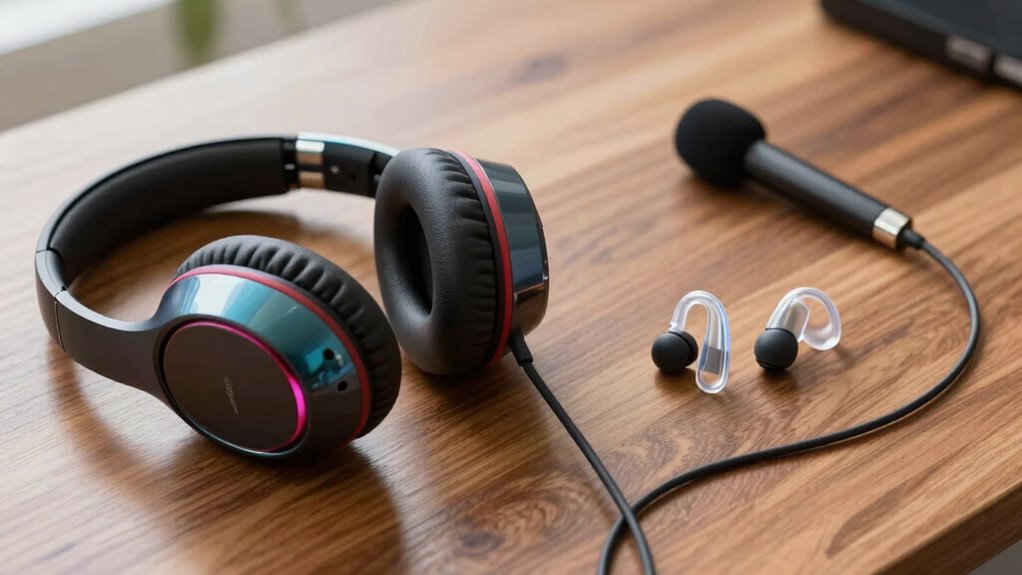
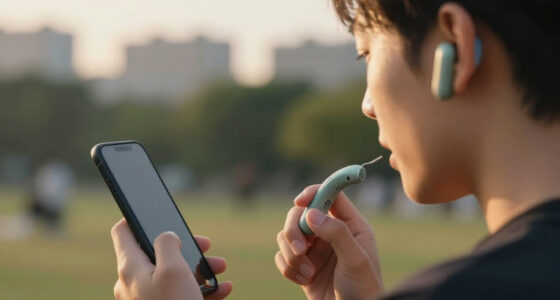
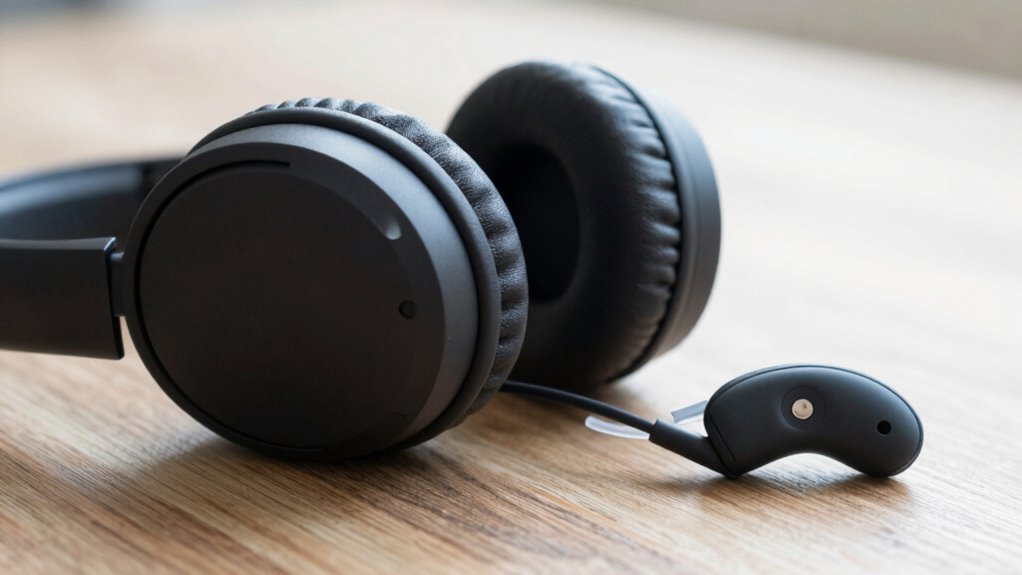
When it comes to improving your listening experience, understanding the difference between consumer audio devices and assistive hearing technology is essential. While both aim to enhance how you hear, they serve very different purposes and are built with distinct features in mind. Consumer audio gear, like wireless earbuds, headphones, and soundbars, focuses on delivering superior sound quality and convenience for everyday entertainment. These devices typically emphasize rich, immersive audio, often incorporating advanced wireless connectivity options such as Bluetooth or Wi-Fi, making it easy to connect to your smartphone, tablet, or smart home devices. The primary goal is to enhance your experience, whether you’re listening to music, watching movies, or gaming, with sound quality that’s optimized for entertainment rather than medical necessity. Sound quality optimization is a key feature that distinguishes consumer audio from assistive hearing tech, which prioritizes clarity over richness.
Consumer audio devices focus on immersive sound quality and convenience for entertainment, not medical hearing support.
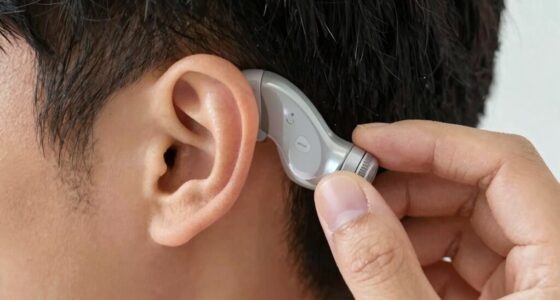
Assistive hearing technology, on the other hand, is designed specifically to support individuals with hearing impairments. These devices are built with the goal of amplifying sounds, clarifying speech, and reducing background noise to improve communication and safety. Unlike consumer audio gear, assistive hearing devices often feature sophisticated sound processing algorithms that prioritize speech sounds over ambient noise, helping you understand conversations more clearly. They also typically include features like customizable settings, directional microphones, and sometimes even wireless connectivity, allowing them to sync with smartphones or other assistive communication tools. However, their main focus isn’t just on delivering the highest sound quality for entertainment, but on ensuring clarity and audibility in various listening environments. Hearing clarity is a crucial aspect that sets these devices apart from general consumer audio products.
You’ll notice that wireless connectivity plays a significant role in both types of devices, but the way it’s used differs. Consumer devices often leverage wireless tech to provide seamless, high-quality streaming, minimizing wires and maximizing convenience. Assistive devices, meanwhile, use wireless connections to link with smartphones or remote microphones, enabling better control, discreet use, and integration with other assistive tools. Sound quality in consumer audio gear is generally optimized for a broad range of frequencies and dynamic range, aiming for a rich listening experience. In contrast, assistive hearing devices prioritize speech intelligibility and environmental adaptability, sometimes sacrificing a bit of sound richness to enhance clarity.
Ultimately, your choice depends on your needs. If you’re after immersive sound for entertainment, consumer audio gear with excellent wireless connectivity and sound quality is the way to go. If you require devices that support hearing clarity and communication, assistive hearing technology offers specialized features that make a real difference in daily life.
wireless earbuds for immersive sound
As an affiliate, we earn on qualifying purchases.
As an affiliate, we earn on qualifying purchases.
Frequently Asked Questions
Can Consumer Audio Devices Improve Hearing in Noisy Environments?
Consumer audio devices can help improve hearing in noisy environments, but they often struggle with background noise and may not enhance sound clarity enough for difficult listening situations. They typically boost volume rather than filter out unwanted sounds, so you might still find it hard to focus on conversations. For better results in noisy settings, specialized assistive hearing technology is designed to reduce background noise and enhance sound clarity more effectively.
Are Assistive Hearing Devices Covered by Insurance?
Think of assistive hearing devices as specialized tools in your arsenal; yes, insurance often covers them, but coverage varies. You need to explore your insurance plan for details on insurance coverage and understand the cost considerations involved. While some policies fully cover these devices, others might only partially reimburse. It’s essential to check with your provider beforehand to avoid surprises and guarantee you get the support you need.
Do Assistive Hearing Aids Require a Prescription?
Yes, assistive hearing aids typically require a prescription. As part of hearing technology and accessibility solutions, these devices are tailored to your specific hearing needs, which a healthcare professional assesses. Getting a prescription ensures you receive the right device for your hearing loss. Unlike consumer audio gear, assistive hearing tech is regulated to guarantee safety and effectiveness, making professional guidance essential for maximum results.
How Long Do Assistive Hearing Devices Typically Last?
Assistive hearing devices typically last between 3 to 7 years, depending on usage and care. Think of them as reliable workhorses, built for durability, but their battery life can vary—some last a day, others several days with rechargeable options. Proper maintenance, like regular cleaning and timely part replacement, can extend their lifespan, ensuring your investment remains steady and dependable for years to come.
Can Consumer Headphones Help With Hearing Loss?
Consumer headphones can provide some help with hearing difficulties, especially if they have personalization options like adjustable volume and tone. Connectivity features, such as Bluetooth, allow you to stream audio directly from your devices, which can enhance clarity. However, they aren’t designed specifically for hearing loss and might not address all your needs. For proper assistance, consult an audiologist and consider assistive hearing devices tailored for your condition.
Conclusion
Think of consumer audio gear as a sleek, swift sailboat, designed for fun and adventure on familiar waters, easily maneuvered for everyday enjoyment. Assistive hearing tech, on the other hand, is your sturdy lighthouse, guiding you through foggy, challenging nights to guarantee you never lose your way. While both serve to enhance your hearing experience, understanding their differences helps you choose the right tool—so you can navigate life’s sounds with confidence and clarity, no matter the journey.
Halloween Picks
halloween
As an affiliate, we earn on qualifying purchases.