
Dialogue enhancement helps your TV and streaming audio by making speech clearer and easier to understand, especially during scenes with background noise or music. It isolates speech from distracting sounds, reducing the need to turn up the volume or strain to catch words. This creates a more immersive experience and keeps you engaged without missing important details. To discover how new technology continues to improve your listening experience, keep exploring what’s available.

Get everyday helpers delivered free with Prime
- Fast, free delivery on millions of items
- Prime Video, Amazon Music and more included
- Member-only deals all year
Key Takeaways
- Clarifies speech by isolating dialogue from background sounds, making conversations easier to understand.
- Reduces the need to increase volume, preventing listener fatigue and discomfort.
- Enhances emotional and subtle cues, improving viewer engagement and comprehension.
- Utilizes advanced algorithms to adapt audio for different environments and noise levels.
- Ensures key story details are not missed due to muffled or unclear dialogue.

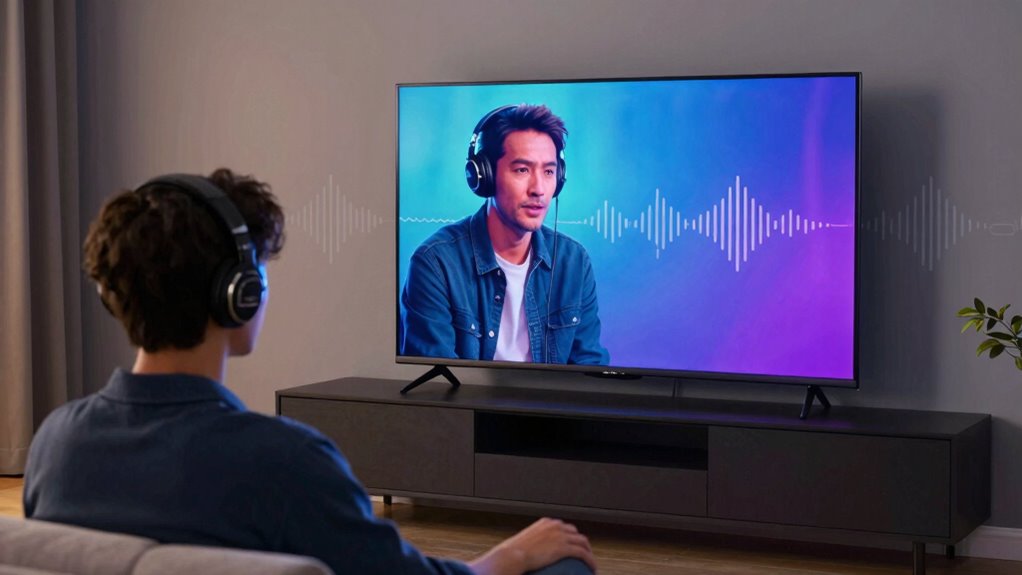
Have you ever struggled to catch every word in a TV show or streaming movie because of background noise or soft dialogue? If so, you’re not alone. Many viewers find it frustrating when dialogue gets lost amid loud sound effects, music, or poor audio mixing. That’s where dialogue enhancement comes into play, making a crucial difference in how you experience your favorite content. By improving sound clarity, dialogue enhancement tools help you hear each word clearly, no matter the scene or the environment you’re watching in. This technology isolates speech from other sounds, reducing the need to constantly turn up the volume or strain to understand what’s being said. As a result, your viewing experience becomes more immersive and less tiring.
Dialogue enhancement improves clarity, making every word audible regardless of background noise or volume challenges.
When dialogue is clearer, your listener engagement naturally increases. You’re more likely to follow plot twists, catch subtle nuances, and understand character interactions without distraction or guesswork. This heightened clarity keeps you glued to the screen and allows you to connect emotionally with the story. It also minimizes misunderstandings that can occur when dialogue is muffled or drowned out, making the entire experience more satisfying. In addition, with the rise of streaming platforms and varied listening environments—like noisy cafes or quiet bedrooms—dialogue enhancement ensures you don’t miss essential parts of the story simply because of ambient noise or audio quality issues.
Many modern TV sets and streaming devices now come equipped with built-in features or support for third-party audio processors designed to boost sound clarity. These tools often offer customizable settings, allowing you to tailor the audio output to your preferences. Whether it’s an increase in dialogue volume, noise reduction, or speech enhancement modes, these options are designed to improve your overall enjoyment. With clearer sound, you spend less time fiddling with your remote or adjusting the volume, and more time immersed in the story. This seamless listening experience makes your streaming sessions more enjoyable and less frustrating, especially during dialogue-heavy scenes or when watching content with multiple speakers. Additionally, audio processing technology continues to evolve, offering even more precise ways to enhance speech intelligibility. For example, advancements in speech enhancement algorithms are helping to further differentiate speech from background sounds, creating an even clearer audio experience. Moreover, sound calibration features can optimize audio settings for your specific environment, further boosting clarity.
Furthermore, automated grammar correction tools can help you better understand and analyze content by ensuring that subtitles or captions are accurate and easy to read, which can complement the benefits of dialogue enhancement. As technology advances, smart audio adjustment systems are also becoming more common, automatically tuning sound settings to optimize clarity based on the ambient noise levels. Ultimately, dialogue enhancement serves as a bridge between the content creators’ intent and your ability to engage fully. It transforms fuzzy, hard-to-hear audio into crisp, intelligible speech, elevating sound clarity and fostering deeper listener engagement. Whether you’re catching every word of a suspenseful thriller or following a heartfelt conversation, this technology ensures you don’t miss a thing. It’s a simple upgrade that considerably enriches your TV and streaming experience, making every scene more vivid and every story more compelling.
dialogue enhancement TV soundbar
As an affiliate, we earn on qualifying purchases.
As an affiliate, we earn on qualifying purchases.
Frequently Asked Questions
Can Dialogue Enhancement Be Used With All TV Models?
Dialogue enhancement isn’t compatible with all TV models, so you’ll want to check your TV’s compatibility first. Many modern TVs and streaming devices support sound customization features, including dialogue enhancement, but older models might not. To confirm it works for you, verify your TV’s specifications or consult the manufacturer. If it’s compatible, you’ll enjoy clearer conversations and improved overall audio quality during your favorite shows and movies.
Does Dialogue Enhancement Affect Overall Sound Quality?
Dialogue enhancement definitely doesn’t dampen overall sound quality; instead, it boosts audio clarity, making dialogue more distinct and decipherable. You’ll notice a sharper, smoother listener experience, as the feature isolates speech from background noise. This enhancement heightens your hearing happiness without harming the harmony of your home theater’s soundscape, ensuring every word is wonderingly clear while preserving the pure, powerful sound you love.
Is Dialogue Enhancement Suitable for All Hearing Impairments?
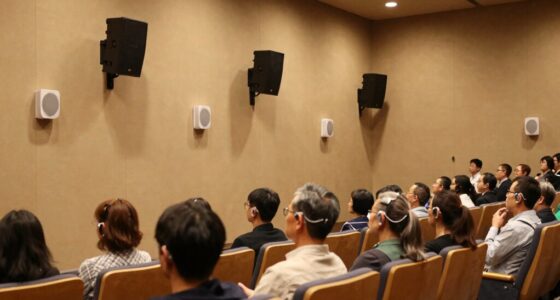
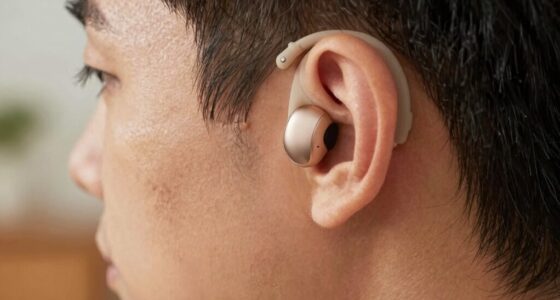
Dialogue enhancement isn’t suitable for all hearing impairments. If you have hearing aid compatibility, it can work well, especially for mild to moderate hearing loss types. However, for severe hearing loss, it might not provide enough clarity or support. You should consult your audiologist to determine if this feature matches your specific hearing loss type. Personal hearing needs vary, so professional guidance guarantees you get the best audio experience.
How Does Dialogue Enhancement Differ From Basic Volume Leveling?
Dialogue enhancement differs from basic volume leveling by specifically focusing on improving audio clarity, especially for speech, amidst background noise. While volume leveling simply adjusts the overall sound to a consistent level, dialogue enhancement isolates speech frequencies and boosts them, making conversations clearer. This targeted approach helps you understand dialogue better without increasing background noise or overall volume, ensuring a more enjoyable and intelligible viewing experience.
Can Viewers Customize Dialogue Enhancement Settings?
You can definitely customize dialogue enhancement settings to suit your preferences, like tuning a musical instrument to harmony. With user customization, you become the conductor of your audio experience, fine-tuning audio clarity to your liking. Many modern TVs and streaming devices offer intuitive menus where you can adjust dialogue enhancement levels, ensuring every word is crystal clear—making your viewing experience perfectly tailored, just the way you want it.
Conclusion
In the end, dialogue enhancement truly transforms your viewing experience, making conversations clearer and more engaging. While some might think it’s just a tech gimmick, studies suggest it markedly improves comprehension, especially for viewers with hearing difficulties. So, next time you notice more natural, crisp dialogue, remember it’s not just a convenience — it’s backed by real research. Embrace these innovations; they’re shaping the future of how we enjoy TV and streaming content.
Halloween Picks
halloween
As an affiliate, we earn on qualifying purchases.