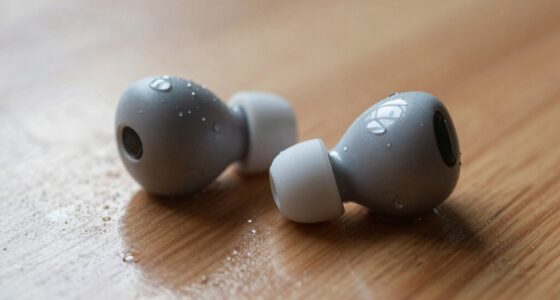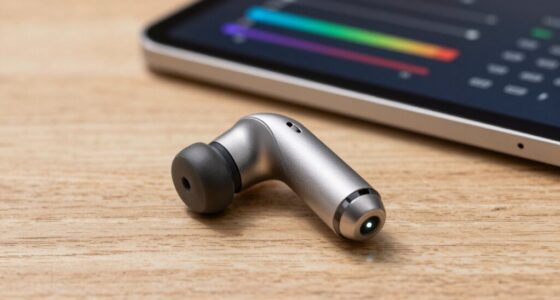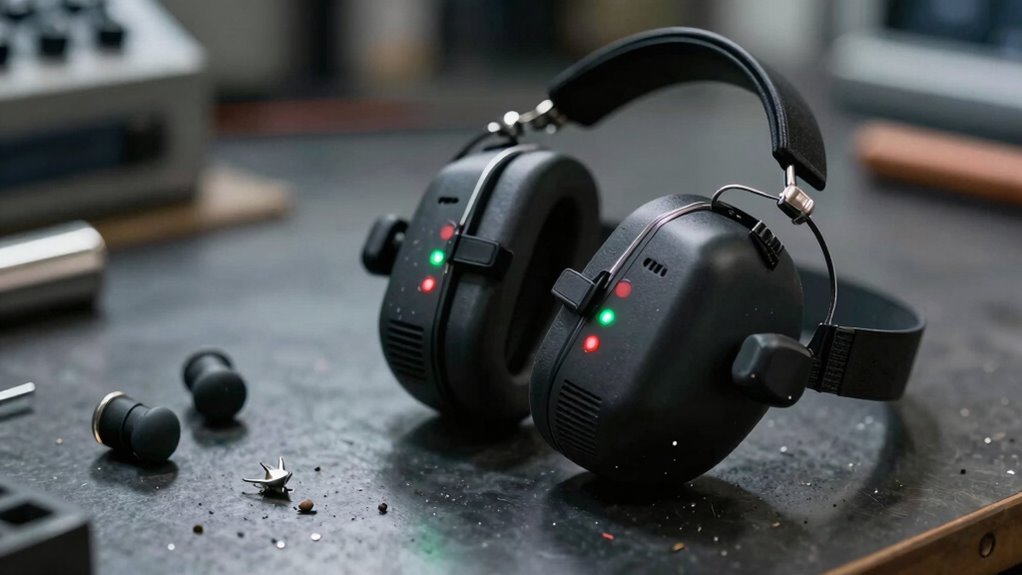

Level-dependent audio in electronic hearing protectors automatically adjusts sound levels to protect your ears while still letting you hear important noises like voices or alarms. The device uses sensors and digital processors to gently amplify quieter sounds and reduce loud, potentially damaging noise. This balance helps you stay aware of your surroundings without sacrificing safety. If you want to understand how this smart technology works and enhances your hearing protection, there’s more to discover ahead.

Get everyday helpers delivered free with Prime
- Fast, free delivery on millions of items
- Prime Video, Amazon Music and more included
- Member-only deals all year
Key Takeaways
- Level-dependent audio uses sensors and digital processing to amplify quiet sounds while reducing loud noises automatically.
- It detects sudden loud noises and instantly lowers volume to protect hearing.
- The system dynamically adjusts sound levels in real-time for seamless situational awareness.
- Technologies like noise filtering and energetic alignment help balance safety and audio clarity.
- Proper calibration and maintenance ensure optimal performance of level-dependent hearing protectors.
electronic hearing protection with level-dependent audio
As an affiliate, we earn on qualifying purchases.
As an affiliate, we earn on qualifying purchases.
What Is Level-Dependent Audio in Hearing Protectors?
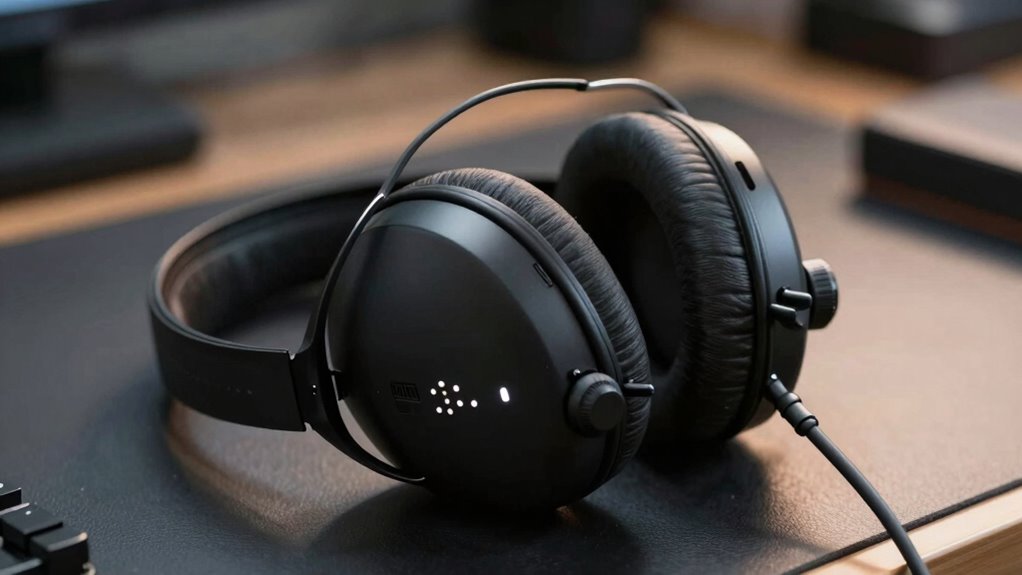
Level-dependent audio in hearing protectors allows you to hear certain sounds clearly while still protecting your ears from loud noises. This technology balances noise reduction with audio amplification, so you can stay alert without risking hearing damage. When surrounding sounds are quiet, the device gently amplifies speech or important noises, making them easier to hear. As loud sounds increase, the hearing protector automatically reduces their volume, preventing discomfort or injury. This dynamic adjustment guarantees you don’t miss critical auditory cues in noisy environments, like conversations or warning signals. By intelligently managing sound levels, level-dependent audio offers a seamless listening experience that combines effective hearing protection with the ability to hear essential sounds accurately. Understanding sound management is key to appreciating how these devices help maintain situational awareness in noisy settings. Modern hearing protection employs these advanced features to enhance safety and communication in various professional and recreational environments. Additionally, some devices incorporate energetic alignment principles, optimizing sound performance based on the surrounding environment for improved user experience.
How Does Level-Dependent Technology Adjust Sounds Automatically?
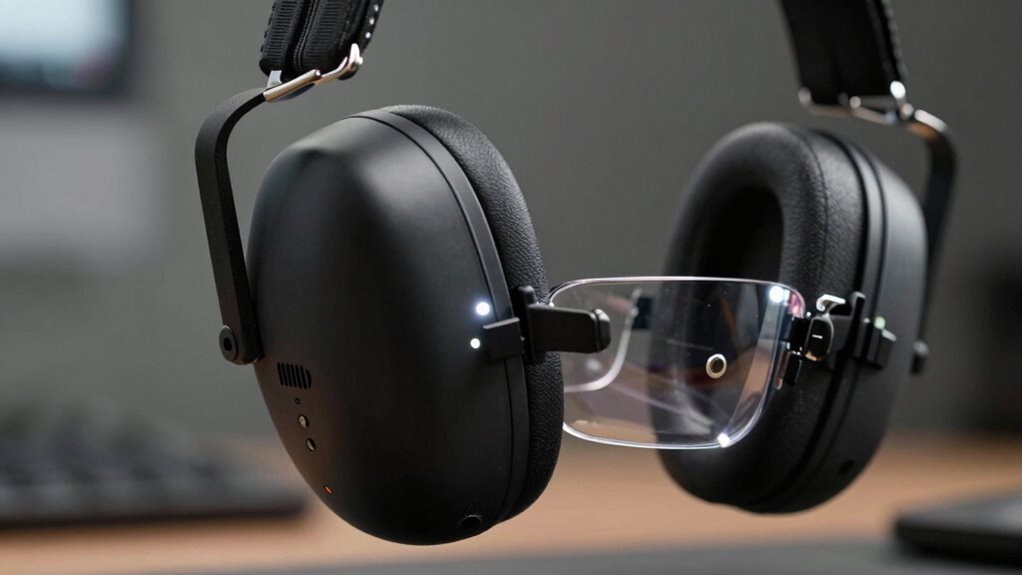
When loud sounds threaten to overwhelm your hearing protection, advanced sensors and digital processors spring into action to modify the audio levels automatically. These sensors continuously monitor the environment, detecting sudden spikes in noise. Once a loud sound is detected, the system quickly reduces the volume to protect your hearing, providing effective noise reduction without cutting you off from important sounds. When the noise subsides, the processors smoothly restore the sound levels, maintaining sound clarity so you can hear conversations or important cues clearly. This automatic adjustment ensures you’re protected from harmful noise while still being able to stay aware of your surroundings. European cloud innovation plays a crucial role in developing these advanced hearing protection systems by enabling real-time data processing and secure connectivity. Additionally, Free Floating technology allows for more adaptable and responsive hearing protection by dynamically adjusting to environmental changes, enhancing user safety and comfort. Level-dependent technology seamlessly balances safety and awareness, adapting in real time to changing noise environments, and relies on real-time data processing to make instantaneous adjustments. Incorporating adaptive audio technology further improves the system’s responsiveness, ensuring a smoother transition between different sound levels. Moreover, advanced sensors enable the system to detect various environmental cues, optimizing both safety and sound quality.
What Are the Main Benefits of Level-Dependent Hearing Protectors?
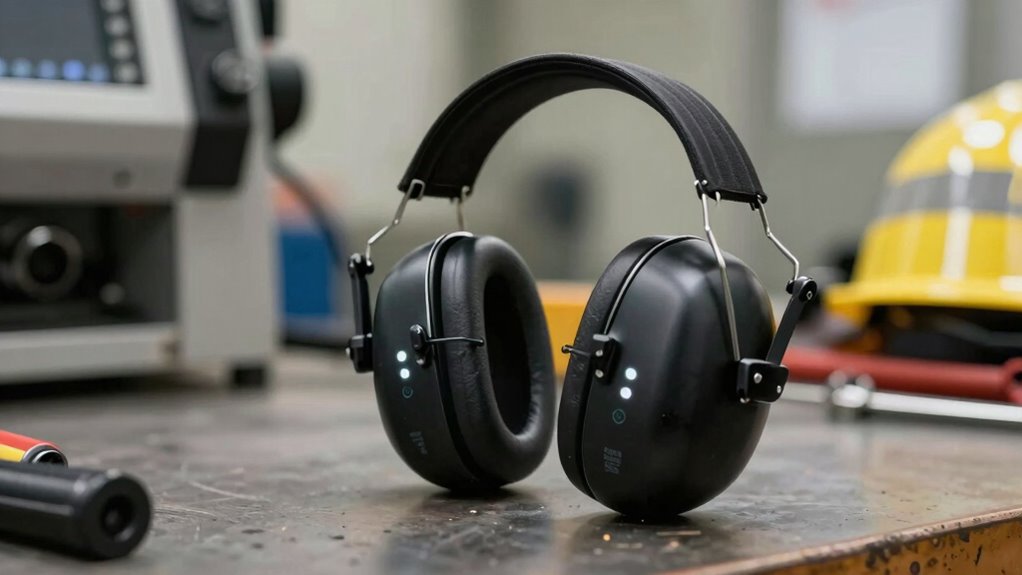
Have you ever wished for hearing protection that keeps you safe without sacrificing awareness? Level-dependent hearing protectors offer this advantage by balancing noise reduction with sound clarity. They automatically adjust to environmental sounds, allowing you to stay alert while blocking harmful noise. The main benefits include:
- Improved situational awareness, helping you detect important sounds like voices or alarms.
- Enhanced sound clarity, so you can communicate effectively even in noisy settings.
- Dynamic noise reduction, which adapts to different environments for personalized protection.
- Real-time sound adjustment ensures that your hearing protection remains responsive to changing surroundings. This technology utilizes digital signal processing to optimize hearing in real time, providing a more personalized experience for each user. The adaptability of these devices makes them especially useful in dynamic, unpredictable environments where constant awareness is crucial. Additionally, noise reduction technology plays a key role in balancing safety with awareness by filtering out harmful sounds while preserving important environmental cues.
These features help you stay safe while maintaining the ability to hear essential sounds around you. Level-dependent devices provide a seamless experience, ensuring you’re protected and aware at all times.
What Features Should You Look for in Level-Dependent Devices?
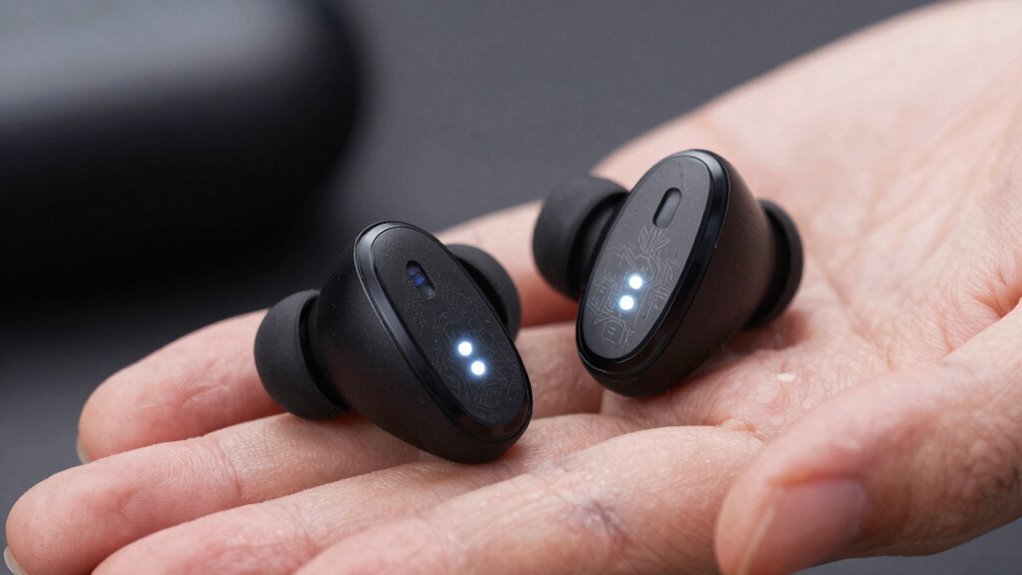
Choosing the right level-dependent hearing protection involves evaluating key features that guarantee both safety and awareness. First, look for effective noise cancellation to block harmful sounds while allowing important audio cues. Good noise cancellation helps you stay alert without compromising protection. Next, consider battery life; longer battery life means your device remains reliable during extended use, reducing the need for frequent replacements or recharging. Some devices offer quick-charging options, which can be helpful in urgent situations. Additionally, check if the device has adjustable volume controls and user-friendly controls for convenience. Compatibility with headphones or other audio devices can also enhance your experience. Incorporating a high contrast ratio ensures clearer sound differentiation and enhances overall audio quality, especially in complex environments. Moreover, paying attention to design aesthetics can contribute to a more comfortable and stylish experience, encouraging consistent use. Understanding how electronic hearing protection works can help you make more informed choices when selecting a device, and being aware of sound level measurement can assist in selecting the appropriate protection for different environments. Recognizing the importance of field‑of‑view in related imaging or observation equipment underscores the significance of clear situational awareness. Prioritizing these features ensures you get a device that effectively protects your hearing while keeping you aware of your environment.
Common Issues With Level-Dependent Audio and How to Fix Them
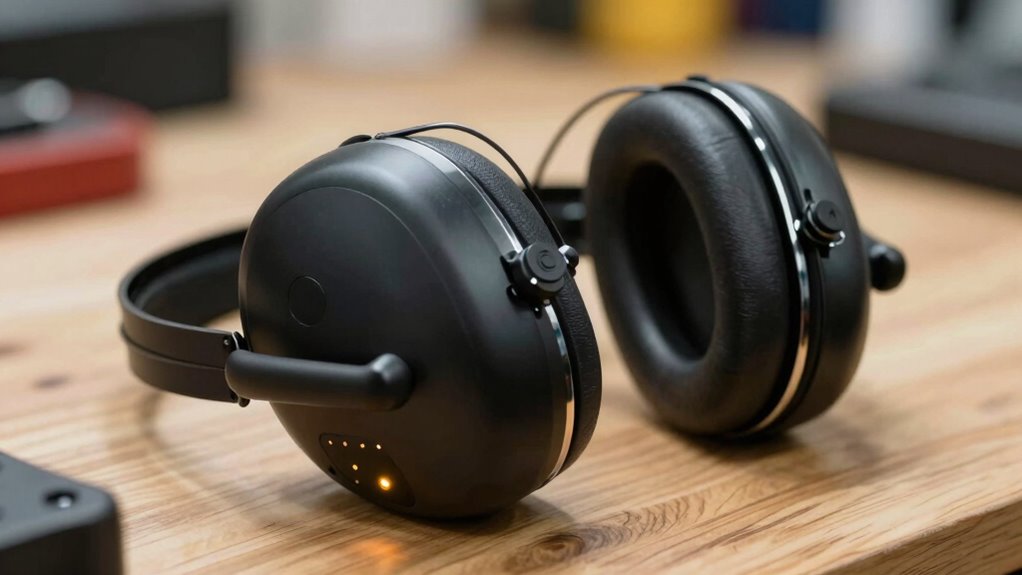
Level-dependent audio devices can sometimes produce issues that disrupt your hearing protection and situational awareness. Common problems include feedback issues, inaccurate sound levels, and device calibration errors. To fix feedback issues, check for loose or improperly positioned microphones and adjust their placement. Ensuring proper device calibration is essential; regularly recalibrate your device to match your environment and activity level. If you experience inconsistent sound levels, verify the device’s settings and update firmware if available. Additionally, calibrate the device periodically to avoid distortion or delayed audio response. Proper maintenance and adjustments are key to resolving these common level-dependent audio problems. Maintaining awareness of your environment is crucial for safe caregiving, especially when managing multiple responsibilities. Regularly inspecting and maintaining your audio equipment can help prevent many of these issues before they impact your hearing protection. Being aware of device specifications and how they influence performance can also aid in troubleshooting and optimizing your audio experience. Understanding performance ratings can help you select more reliable and compatible audio devices for your needs. Moreover, consulting manufacturer guidelines can provide valuable insights into device-specific troubleshooting and maintenance practices.
Frequently Asked Questions
How Does Level-Dependent Audio Compare to Traditional Hearing Protection?
Level-dependent audio offers better sound clarity than traditional hearing protection because it allows you to hear important sounds while reducing noise. Unlike traditional ear muffs that block out all noise, this technology selectively filters noise, providing noise reduction without sacrificing situational awareness. You can communicate and hear safety signals clearly, making it ideal for noisy environments where hearing critical sounds matters.
Can Level-Dependent Hearing Protectors Be Used for Everyday Listening?
Yes, you can use level-dependent hearing protectors for everyday listening, but keep in mind that sound quality varies depending on the device and environment. They’re designed to amplify ambient sounds while protecting your hearing, so they may not match the sound quality of regular headphones. Battery life is also a consideration; frequent use can drain batteries quickly, so carry spares to guarantee continuous protection and audio clarity during daily activities.
What Are the Limitations of Current Level-Dependent Audio Technology?
Sure, your trusty level-dependent audio tech has its flaws. You might notice sound distortion when loud noises hit, making conversations or music sound like underwater echoes. Plus, it’s painfully battery dependent—forget to charge, and you’re left in silence, not safety. These limitations mean you get compromised sound quality and a reliance on power, which can turn your hearing protection into a frustrating game of “Will it work today?”
How Do Different Environments Affect the Performance of Level-Dependent Protectors?
Different environments impact your level-dependent protectors because ambient noise and acoustic variability fluctuate. In noisy settings, the device may struggle to distinguish between harmful sounds and safe sounds, reducing effectiveness. Conversely, in quieter areas, it might amplify sounds unnecessarily. You’ll notice performance varies as ambient noise levels change, so it’s essential to choose protectors suited for your specific environment and be aware of how acoustic variability influences sound processing.
Are There Any Health Risks Associated With Long-Term Use of Level-Dependent Hearing Protectors?
Long-term use of level-dependent hearing protectors can pose potential health hazards, impacting your hearing health and sensitivity. You might experience diminished hearing or discomfort if you don’t take breaks, risking ruined musical enjoyment and reduced hearing sensitivity. It’s vital to use these protectors responsibly, ensuring proper fit and limiting extended exposure. Regularly consulting hearing professionals helps prevent possible problems, so you protect your hearing health while enjoying sound safely.
Conclusion
In the end, understanding how level-dependent audio works can make your hearing protection as reliable as a trusty steed. With features that adapt to your environment, you’ll stay safe and aware, whether you’re in a noisy workshop or enjoying a concert. Don’t let common issues like feedback or battery life dampen your experience—think of it as having your own personal JARVIS, always ready to keep your ears happy. Stay smart, stay protected, and keep those ears in top shape!
Halloween Picks
halloween
As an affiliate, we earn on qualifying purchases.