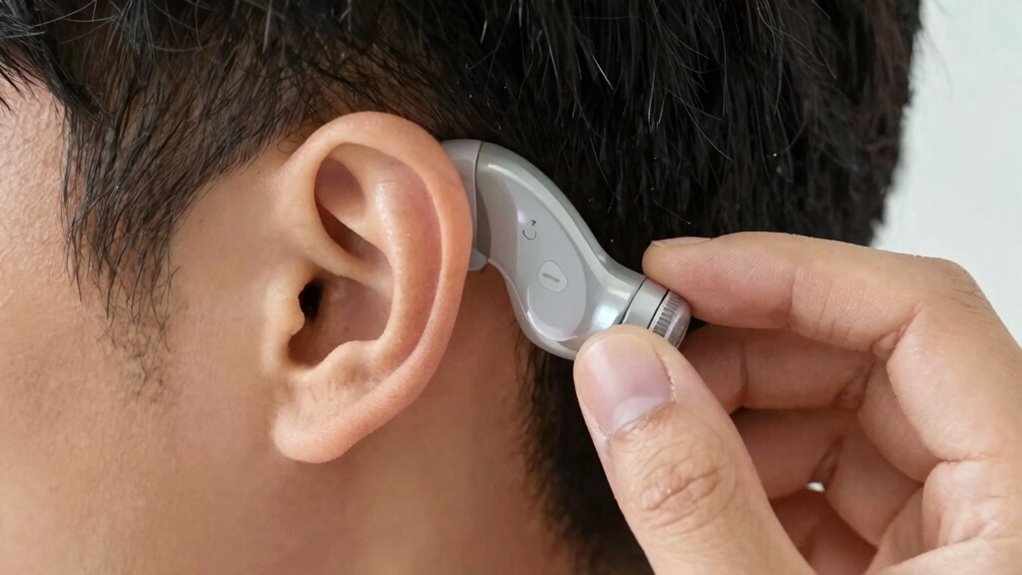

During your hearing aid trial period, you’ll test how well the device fits your real-life needs and environments. Expect some sounds to feel different or overwhelming at first, but your brain will learn to adjust over time. Fine-tuning by your audiologist can improve comfort and clarity. Patience is key as you go through ongoing adjustments to find the best settings. If you want to uncover tips for making the most of this phase, keep exploring.

Get everyday helpers delivered free with Prime
- Fast, free delivery on millions of items
- Prime Video, Amazon Music and more included
- Member-only deals all year
Key Takeaways
- Trial periods typically last 30 to 60 days, allowing comprehensive evaluation and adaptation to hearing aids.
- Sound adjustments and fine-tuning are ongoing processes requiring multiple visits for optimal comfort.
- Real-life environments influence device performance, making personalized settings essential during the trial.
- Patience is crucial, as the brain needs time to adapt to new sounds and sensations.
- Many providers offer free trial periods, but understanding refund policies and costs upfront prevents surprises.
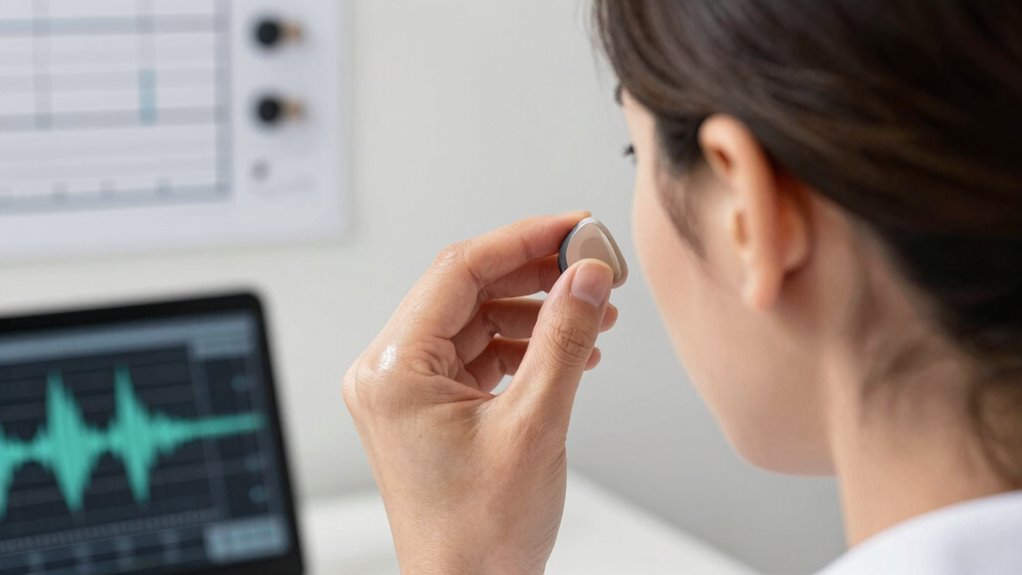
When considering hearing aids, understanding the trial period and adjustment time can make a big difference in your overall experience. During this phase, you have the opportunity to evaluate how well the hearing aid technology works for you and whether it truly meets your needs. Most providers offer a trial period, often lasting between 30 and 60 days, giving you a chance to test the devices in real-life situations. This trial period isn’t just about trying out different models; it’s also about giving yourself enough time to adapt to the new sounds and sensations that come with the hearing aids. You might notice that sounds seem different or even overwhelming at first, but with patience, your brain will learn to interpret these sounds more naturally. It’s also helpful to understand how biodiversity affects sound environments, as different settings can influence how your hearing aids perform and how comfortable you feel wearing them. Additionally, being aware of sound environment variability can help you better prepare for the adjustments needed in different situations. Recognizing how soundscapes change across various environments can aid in customizing your hearing aid settings for optimal comfort and clarity.
Adjustments are a critical part of this process. Your audiologist will likely fine-tune your hearing aids during this period to optimize sound quality, comfort, and performance. These adjustments can include changing the volume, modifying the frequency response, or switching programs to suit different environments like noisy restaurants or quiet rooms. The adjustment time can vary based on individual needs, but it’s essential to stay patient and open to ongoing tweaks. Remember, the goal is to find settings that feel natural and comfortable while improving your hearing. You might need several visits to get everything just right, but these iterative adjustments are worth the effort.
Understanding the cost considerations linked to these trial periods is also important. While many hearing aids come with a price tag that reflects advanced technology, some providers include the trial period as part of the purchase, so you aren’t paying extra for the initial testing phase. However, if you choose to return the devices after the trial, some costs may not be refundable, especially if custom features or fittings were involved. It’s wise to clarify the financial aspects upfront, including whether the trial fee is included or if there are charges for adjustments beyond the trial period. This way, you can make an informed decision without surprises later on.
As an affiliate, we earn on qualifying purchases.
Frequently Asked Questions
Can I Upgrade to a Different Hearing Aid During the Trial Period?
Yes, you can typically upgrade to a different hearing aid during the trial period, but it depends on the clinic’s trial period policies. You should discuss your desire for customization and potential upgrade options with your audiologist early on. They can guide you through the process, ensuring any switch aligns with trial policies, and help find a device better suited to your needs for maximum hearing enhancement.
Are Hearing Aid Trial Periods Covered by Insurance?
Hearing aid trial periods are typically not covered by insurance, but it depends on your plan and the provider’s trial period policies. You should check your insurance coverage details and ask your audiologist or provider about their specific trial policies. Some plans might cover parts of the cost, while others don’t. Always review trial period policies carefully to understand what’s included and what’s not before committing.
How Often Should I Schedule Follow-Up Visits During the Trial?
You should schedule follow-up visits every 2 to 4 weeks during your hearing aid trial. These visits help improve hearing comfort and address any adjustment tips, ensuring your devices fit well and work effectively. Regular check-ins allow your audiologist to fine-tune your hearing aids, address concerns early, and make adjustments for better sound quality. Staying consistent with follow-ups leads to a smoother adjustment process and ideal hearing experience.
What Should I Do if I Experience Discomfort During the Trial?
If you experience discomfort during the trial, it’s important to address it promptly. About 60% of users report initial discomfort, mainly due to sound quality issues. During the adjustment process, communicate with your audiologist to fine-tune the hearing aids. They can modify settings or recommend different styles to improve comfort and sound clarity, ensuring your experience becomes more natural and less frustrating. Don’t ignore discomfort; early intervention helps optimize your hearing aid benefits.
Do Trial Periods Include Maintenance and Repairs?
Hearing aid trial periods typically do include maintenance and repairs, ensuring you get the most out of your device. During this time, you can evaluate hearing aid durability and see how well it withstands daily use. The trial period benefits allow you to test features, comfort, and longevity, knowing that repairs or adjustments are often covered. This helps you decide confidently if the hearing aid meets your needs before making a long-term commitment.
Conclusion
So, don’t rush through your hearing aid trial or dismiss the adjustment period. Think of it like training for a marathon—you wouldn’t expect instant results or to run perfectly the first day. Give yourself time to adapt; it’s your chance to open a world of sound you’ve been missing. Stick with it, be patient, and soon, you’ll wonder how you ever lived without these little miracles. Trust the process—you’re on the verge of a life-changing breakthrough!
Halloween Picks
halloween
As an affiliate, we earn on qualifying purchases.