Hearing Aid Compatibility (HAC) ratings show how well a phone or device works with hearing aids, making communication clearer and reducing static or background noise. These ratings are categorized as M (microphone), T (telecoil), or both, which indicate support for different hearing aid types. While high HAC ratings suggest better compatibility, they don’t guarantee performance in all environments or sound quality. Continuing will help you understand how these ratings can guide your choices effectively.
Key Takeaways
- HAC ratings indicate how well a device works with hearing aids, focusing on compatibility for clearer communication.
- Higher HAC ratings generally mean better device interoperability with hearing aids, but do not guarantee sound quality.
- Ratings are based on standardized tests measuring frequency response, noise reduction, and electromagnetic interference.
- HAC categories include M (Microphone), T (Telecoil), and M/T (both), supporting different hearing aid configurations.
- These ratings help users select devices compatible with their hearing aids but don’t reflect overall audio performance.
Hearing Aid Compatible Cell Phones
As an affiliate, we earn on qualifying purchases.
As an affiliate, we earn on qualifying purchases.
What Are Hearing Aid Compatibility Ratings and Why Do They Matter?

Hearing aid compatibility (HAC) ratings indicate how well a cellphone or wireless device works with hearing aids. These ratings matter because they directly affect your auditory clarity during calls and device integration with your hearing aids. A high HAC rating guarantees your hearing aids can connect smoothly without static or background noise, making conversations clearer. When your device is compatible, you won’t strain to hear or rely on external tools to improve sound quality. This seamless integration helps you stay connected and communicate effectively, especially in busy or noisy environments. Knowing your device’s HAC rating can guide your choice, ensuring you get a phone that supports your hearing needs. Additionally, understanding the technology standards behind HAC ratings can help you make more informed decisions about device compatibility. Recognizing the importance of standards ensures you select devices that meet reliable performance criteria, leading to better user experiences. Being aware of compatibility testing processes can further assist in choosing devices that meet your specific hearing requirements.
HAC rated smartphones
As an affiliate, we earn on qualifying purchases.
As an affiliate, we earn on qualifying purchases.
How Are HAC Ratings Decided and What Do They Mean?
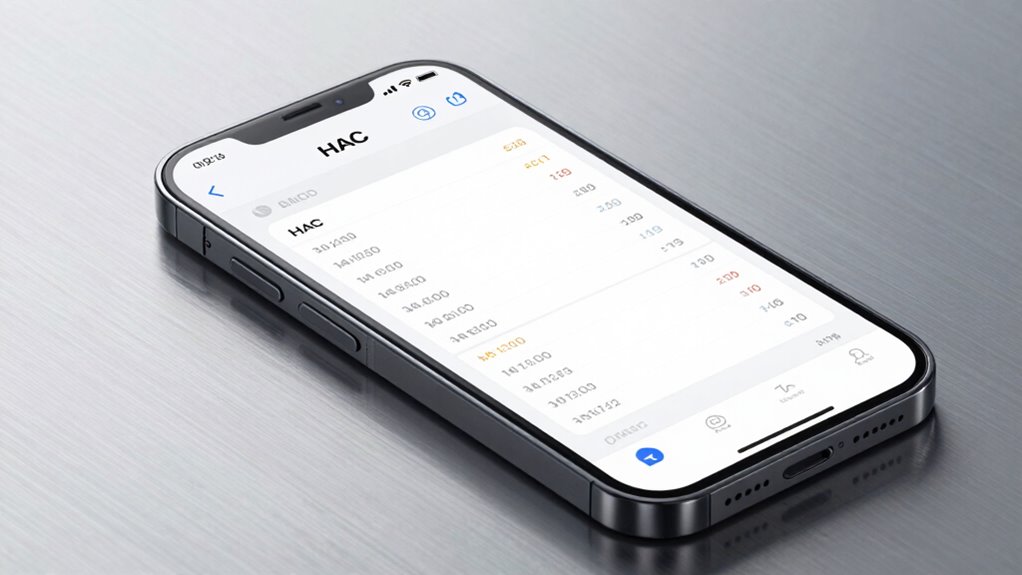
HAC ratings are determined through specific certification standards and testing procedures that guarantee compatibility with hearing aids. These tests evaluate how well a device meets the criteria and what the ratings truly mean for your hearing experience. Understanding these points will help you interpret the ratings accurately and make better choices. Additionally, water-related environments can impact the effectiveness of hearing aid compatibility, emphasizing the importance of considering where and how devices are used. Recognizing the testing procedures involved can provide deeper insight into the reliability of these ratings and ensure you select devices suited to your needs. Being aware of Free Floating technologies can also influence how devices perform in various settings, including outdoor or dynamic environments.
Certification Standards Overview
To determine how well a device works with hearing aids, certification standards set clear criteria for compatibility ratings. These standards ensure device compatibility supports hearing health and user convenience. The FCC (Federal Communications Commission) and the CTA (Consumer Technology Association) establish guidelines that manufacturers follow.
The standards focus on:
- Signal strength and clarity, ensuring minimal interference with hearing aids.
- Frequency compatibility, matching device outputs with hearing aid settings.
- Environmental interference resistance, maintaining performance amidst common background noise.
- Support Breakfast options, promoting user comfort and satisfaction during device use. Additionally, these benchmarks consider electromagnetic interference, which can disrupt hearing aid functioning if not properly managed. Manufacturers also evaluate device emissions to prevent interference with hearing aids in various environments. These standards also incorporate compatibility testing procedures to verify real-world performance before products reach consumers.
These benchmarks help you identify devices that won’t compromise hearing health or interfere with your hearing aids. By adhering to certification standards, manufacturers provide reliable information about how well their devices work with hearing aids, making it easier for you to choose compatible technology.
Testing Procedures Explained
Testing procedures for compatibility ratings involve rigorous, standardized methods that manufacturers and testing labs follow to evaluate how well a device works with hearing aids. During auditory testing, signals are played through the device, and their interaction with hearing aids is carefully analyzed. Signal analysis helps identify electromagnetic interference or acoustic issues affecting hearing aid users. The testing process includes measuring radio frequency emissions, susceptibility to interference, and audio quality. Ratings are assigned based on these results, indicating how compatible a device is with hearing aids. Below is a quick overview:
| Step | Method | Purpose |
|---|---|---|
| Signal Generation | Emitting test signals | Assess device’s audio output and interference |
| Auditory Testing | Listening tests with hearing aids | Measure sound clarity and interference levels |
| Signal Analysis | Data recording and analysis | Identify electromagnetic compatibility issues |
This guarantees devices meet specific standards before rating them for hearing aid users. Understanding the testing procedures ensures users can rely on these ratings for safe and effective device use.
Interpretation of Ratings
Understanding how hearing aid compatibility ratings are decided helps you interpret what these labels mean for your devices. Ratings are based on testing procedures that evaluate how well a device manages frequency response, noise reduction, and electromagnetic interference. These tests determine how effectively the device transmits sound without distortion or interference, especially for users with hearing aids.
Here’s what the ratings indicate:
- Frequency Response: How clearly the device transmits sound across different pitches, impacting speech clarity.
- Noise Reduction: The ability to minimize background noise, making conversations easier.
- Overall Compatibility: How well the device works with hearing aids, based on standardized testing for audio quality and interference levels.
Hearing aid compatible wireless devices
As an affiliate, we earn on qualifying purchases.
As an affiliate, we earn on qualifying purchases.
Understanding the Different HAC Rating Categories (M, T, and Combined)

Hearing Aid Compatibility (HAC) ratings are designed to help you determine how well a phone works with hearing aids. These ratings fall into three categories: M (microphone), T (telecoil), and combined. The M rating measures how well the phone transmits sound through wireless standards, affecting auditory signals you hear directly. The T rating indicates compatibility with telecoil-equipped hearing aids, which use magnetic fields to pick up sound. The combined rating shows the best performance in both modes. Here’s a quick overview:
| Rating | Description | Best Use |
|---|---|---|
| M | Microphone mode | For hearing aids without telecoils |
| T | Telecoil mode | When using telecoil-equipped aids |
| M / T | Combined | Versatile, works with either setting |
| N/A | Not rated | No data available |
Additionally, hearing aid standards help ensure compatibility across devices. These standards specify the minimum requirements for HAC ratings to promote consistent performance and user experience, which is especially important given the variability in wireless communication technology. Moreover, testing procedures used to determine these ratings help ensure that devices meet specific quality benchmarks. Understanding the rating categories can assist users in choosing devices that best suit their hearing needs and communication environments.
HAC certification hearing aids
As an affiliate, we earn on qualifying purchases.
As an affiliate, we earn on qualifying purchases.
Common Misconceptions About HAC Ratings and Sound Quality
Many people assume that a high HAC rating automatically means better sound quality, but that’s not always true. Compatibility ratings focus on how well devices work together, not how they sound. It’s important to understand the difference so you don’t get confused or disappointed with your hearing experience. Additionally, vetted wave and wind conditions can impact the effectiveness of hearing devices regardless of HAC ratings. Recognizing the distinction between compatibility and sound quality can help you make more informed choices when selecting hearing aids or accessories. Being aware of listening environment factors can further ensure you choose devices suited to your everyday surroundings. Understanding hearing aid features and their actual impact on performance is essential for making the right choice. Furthermore, considering technical specifications can help you better evaluate device performance beyond just HAC ratings.
Misinterpreting HAC Ratings
Misinterpreting HAC ratings is a common mistake that can lead you to believe your hearing aid is incompatible with certain devices or environments when it actually isn’t. Many people fall for hearing aid myths, thinking a low rating means incompatibility, but that’s not always true. Compatibility myths often stem from misunderstandings about what HAC ratings indicate.
To clarify:
- A high HAC rating doesn’t guarantee perfect sound quality in all settings.
- A low HAC rating doesn’t mean your hearing aid won’t work with a device.
- Ratings show general compatibility, not the specific performance in every situation.
- HAC ratings are just one aspect of overall device performance, and other factors can influence sound quality and usability.
- Additionally, the regulatory standards for HAC ratings can vary, which may affect how these ratings are interpreted across different devices.
- Being aware of sound quality factors helps you better understand what HAC ratings imply for everyday use.
Understanding these nuances helps you avoid unnecessary worries and ensures you get the most out of your hearing aids.
Sound Quality vs. Compatibility
HAC ratings often lead to confusion because people assume that a higher rating automatically means better sound quality. In reality, these ratings focus on device interoperability and reducing electromagnetic interference, not audio clarity. A phone with a high HAC rating might connect well with hearing aids, but it doesn’t guarantee superior sound quality. Sound quality depends on other factors like speaker design and audio processing, which aren’t reflected in HAC ratings. Don’t mistake compatibility for better listening experiences. You can have a device that is highly compatible but delivers less clear audio, or vice versa. Understanding this distinction helps you choose devices that meet both your hearing needs and sound quality expectations without relying solely on HAC ratings. HAC ratings are just one piece of the puzzle when selecting the right device for your hearing and listening preferences.
How to Use HAC Ratings When Choosing Your Phone or Device
When choosing a phone or device, understanding HAC ratings helps guarantee it will work well with your hearing aids. To make informed decisions, consider the following:
- Check the HAC rating, focusing on M or T ratings for better compatibility.
- Prioritize phones with strong wireless connectivity features, like Bluetooth pairing, which can improve sound clarity.
- Verify if the device supports Bluetooth or other wireless options that facilitate direct streaming to your hearing aids.
Using these tips ensures your device will work smoothly with your hearing aids, minimizing background noise and maximizing sound quality. Remember, a higher HAC rating combined with reliable wireless features provides a better experience and easier communication.
What HAC Ratings Don’t Tell You About Device Compatibility
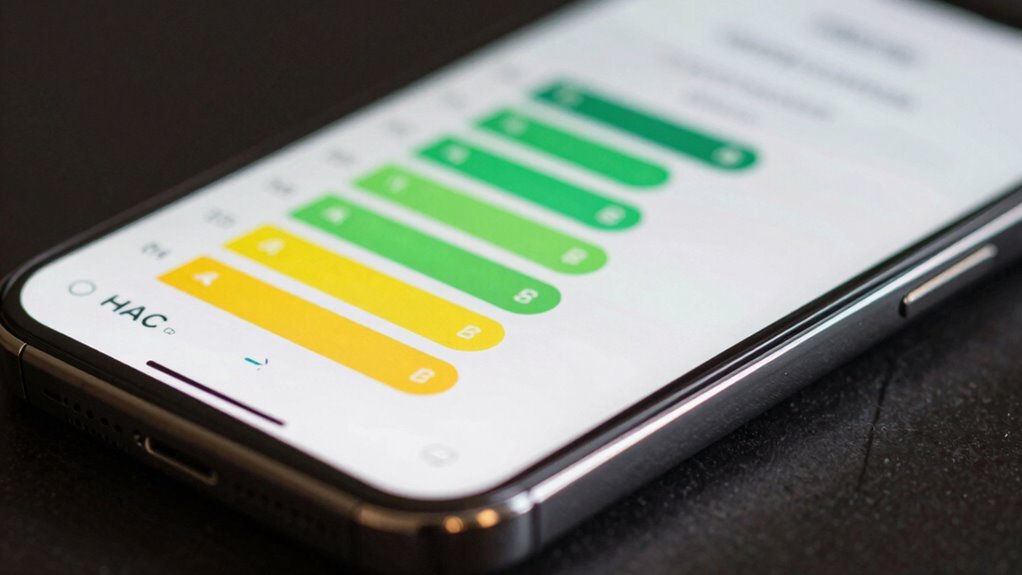
While a high HAC rating indicates good compatibility, it doesn’t tell you everything about how well a device will work with your hearing aids. Technical limitations can affect performance, even with top ratings. For example, some devices may cause background noise or interference, impacting clarity. Additionally, privacy concerns arise because high HAC ratings don’t account for data security or potential eavesdropping risks. Compatibility varies based on device models, settings, and personal hearing aid configurations. Here’s a quick overview:
| Aspect | What HAC Ratings Cover | What They Don’t Cover |
|---|---|---|
| Device performance | Compatibility level | Interference issues |
| Signal clarity | Basic testing results | Background noise or distortions |
| Security and privacy | Not addressed | Data privacy and hacking risks |
| Technical limitations | General standards | Specific device limitations |
Understanding these gaps helps you make informed choices.
Tips for Seamless Connectivity Between Hearing Aids and Your Devices
Achieving seamless connectivity between your hearing aids and devices can substantially enhance your listening experience, but it requires some proactive steps. First, confirm your hearing technology supports Bluetooth or other wireless protocols compatible with your devices. Second, explore accessibility features on your phone or tablet, such as dedicated hearing aid settings or sound adjustments. Third, keep your devices updated with the latest software to improve compatibility and performance. Additionally, consult your audiologist for personalized guidance on pairing procedures and ideal settings. By staying informed about your hearing aids’ connectivity options and leveraging accessibility features, you can enjoy a smoother, more integrated listening experience without interruptions or frustration.
How HAC Ratings Impact Your Daily Hearing Experience
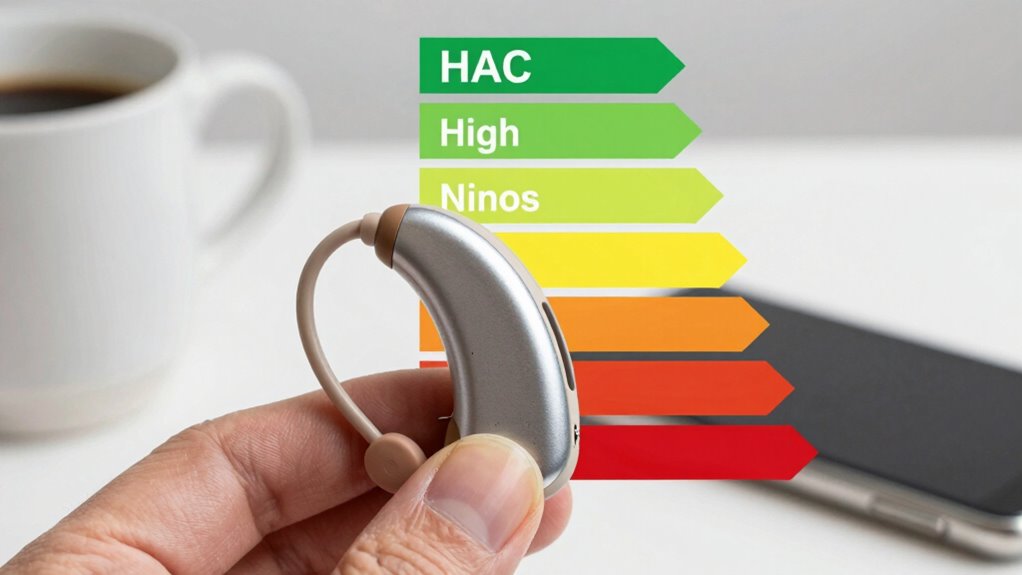
HAC ratings, or Hearing Aid Compatibility ratings, directly influence how well your hearing aids work with various phones and devices in your daily life. When devices use advanced wireless technology, a high HAC rating ensures your hearing aids can connect smoothly, reducing static or feedback. This improves your overall user experience, making phone calls and device interactions clearer and more comfortable. If your devices meet high HAC standards, you’ll notice less frustration and more seamless communication. Conversely, lower ratings may cause interference or difficulty hearing properly. By understanding these ratings, you can choose compatible devices that enhance your daily interactions. Ultimately, HAC ratings play a crucial role in ensuring your hearing aids function effectively, empowering you to stay connected with confidence and ease.
Next Steps: Making Smarter Device Choices Using HAC Ratings and Features

To make smarter device choices, start by researching the HAC ratings and features of the phones and gadgets you’re interested in. Understanding device compatibility guarantees your hearing aids work seamlessly with new technology. Look for phones with higher HAC ratings, indicating better compatibility. Additionally, consider hearing aid features like telecoil support or sound processing options, which can enhance your experience.
Research HAC ratings and hearing aid features to ensure seamless device compatibility and optimal performance.
Here are three steps to guide your decision:
- Check HAC ratings for each device to compare compatibility levels.
- Review hearing aid features that support phone use, such as telecoil or Bluetooth connectivity.
- Test devices in-store or through reviews to ensure they meet your hearing needs effectively.
This approach helps you choose devices that optimize your hearing aid performance.
Frequently Asked Questions
Can I Improve Device Compatibility With Hearing Aids Beyond HAC Ratings?
Yes, you can improve device compatibility with hearing aids beyond HAC ratings by exploring assistive technology options like Bluetooth streamers or telecoils. Compatibility enhancements such as using compatible apps or accessories can also help you connect more effectively. Be sure to check device specifications and consult with audiologists or specialists who can recommend tailored solutions, ensuring a better listening experience tailored to your hearing needs.
Do All Hearing Aids Respond Equally to Devices With the Same HAC Rating?
Not all hearing aids respond equally to devices with the same HAC rating because Bluetooth standards and wireless interference can affect compatibility. Your hearing aid’s design, age, and specific technology impact how well it works with a device, even if they share the same rating. You might experience differences in sound quality or connection stability, so testing different devices or consulting an audiologist can help improve your experience.
Are There Specific Brands or Models That Better Support Hac-Rated Devices?
Think of it like choosing the right tool for a job—you’ll find some brands and models better support HAC-rated devices. Brands like Phonak, Oticon, and Widex often lead in compatibility, but you should compare models within those brands. Your best bet is to review specific model comparisons and consider your personal needs, ensuring your hearing aids work smoothly with your devices. Always check compatibility before making a purchase.
How Often Are HAC Ratings Updated or Reassessed for Devices?
HAC ratings are typically updated during software updates or reassessments by manufacturers. You should check with the device maker regularly, as ratings might change with new software or hardware revisions. Manufacturers reassess ratings based on evolving standards and testing results. Staying informed through official updates guarantees your device maintains proper HAC compatibility, helping you enjoy clear hearing without interference from your hearing aids or assistive listening devices.
Do HAC Ratings Affect the Overall Sound Quality of My Hearing Aids?
HAC ratings don’t directly impact your hearing aids’ overall sound quality, but they do influence audio clarity during phone calls. Remarkably, over 80% of users notice less device interference when their device meets higher HAC ratings. While these ratings primarily focus on compatibility, they can help ensure your hearing aids work smoothly with phones, reducing disruptions and improving your experience without compromising the sound quality you rely on daily.
Conclusion
Think of HAC ratings as a map guiding your journey with hearing aids and devices. Just like a GPS helps you avoid wrong turns, understanding these ratings guarantees smoother connections and clearer sound. When I first checked my phone’s HAC rating, it was like revealing a secret pathway—making my daily conversations effortless. By paying attention to these ratings, you’ll navigate your tech choices confidently, transforming everyday interactions into seamless experiences.