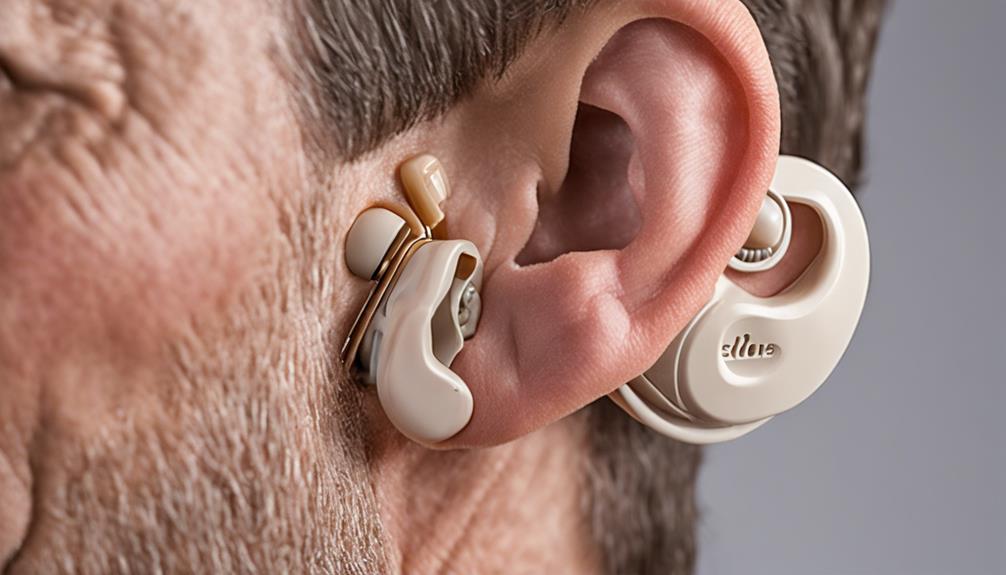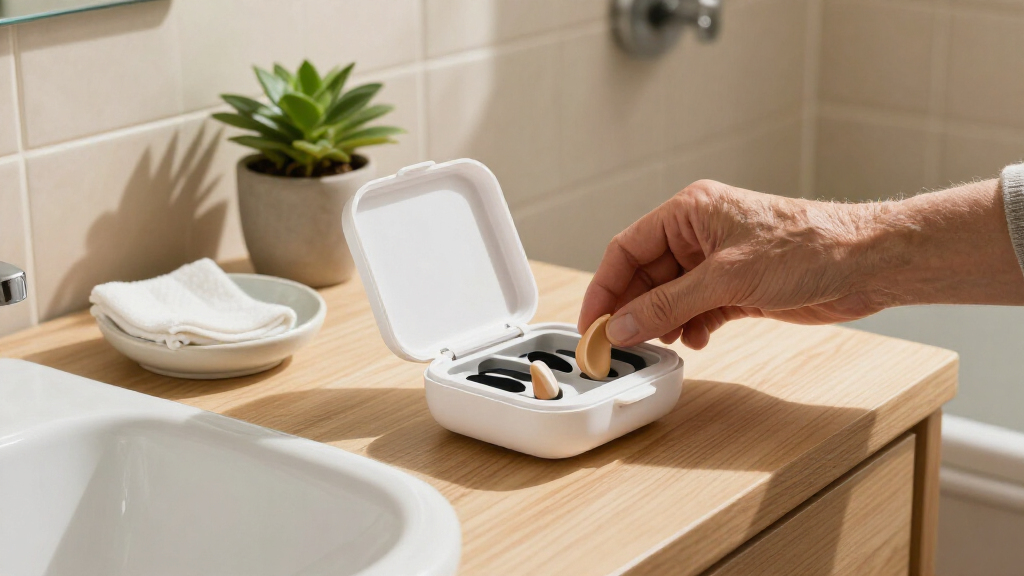

When choosing a hearing aid drying kit, the real decision is whether routine overnight moisture control calls for a simple desiccant container or a powered appliance. A silica gel kit uses an absorbent capsule or beads inside a closed container; an electric dryer runs a cycle that may use gentle heat, airflow, or desiccant, depending on the model. The silica option generally costs less and is easy to pack, while an electric unit can be more convenient for frequent use and may suit people dealing with heavy perspiration or humid conditions. The difference matters most if you use your aids every day, have recurring moisture problems, or wear rechargeable models. Manufacturer guidance also matters: dryer designs and hearing aids vary, so check that the specific method is approved for your device.

Get everyday helpers delivered free with Prime
- Fast, free delivery on millions of items
- Prime Video, Amazon Music and more included
- Member-only deals all year

PerfectDry LUX – Fastest Hearing Aid Dryer & Dehumidifier with 360° UV-C Light
- ✔ Drying cycle: 45 minutes, as described by the manufacturer
- ✔ Drying method: Pulsed hot air
- ✔ Light: 360° UV-C lamp

Super Dri Aid Hearing Aid Dehumidifier – Single Dryer
- ✔ Product format: Single dryer
- ✔ Drying material: Reusable loose pellets
- ✔ Reactivation: Heating in a microwave

Wisesorb Hearing Aid Dryer, Hearing Aid Dehumidifier, Hearing Drying Jar and Dehumidifier Set (1 Jar+1 Dryer)
- ✔ Set contents: 1 jar and 1 dryer
- ✔ Moisture capacity: Up to 30 g
- ✔ Drying material: Cobalt-free indicating silica gel
At a Glance
| Criteria | Silica gel drying kit | Electric hearing aid dryer | Winner |
|---|---|---|---|
| Purchase cost | Usually the lower-cost setup: a lidded case and replaceable or reusable desiccant. | Usually costs more upfront; replacement parts or power may add expense for some models. | A |
| Routine moisture control | Absorbs moisture while the aids rest in a closed container, commonly overnight. | Runs a set cycle; performance and method vary, with some units using airflow, heat, or desiccant. | Depends |
| Effort and convenience | Place the aids in the container; monitor, replace, or reactivate the desiccant as directed. | A timed cycle can make nightly care more consistent, though the appliance needs setup and power. | B |
| Portability | Compact and does not need a power outlet. | Less convenient away from home because it needs electricity or a compatible power source. | A |
| Ongoing upkeep | Desiccant loses effectiveness and must be replaced or regenerated according to product instructions. | Keep the unit clean and follow instructions for any replaceable desiccant or other components. | A |
| Rechargeable aid compatibility | Often a straightforward option, but confirm the aid maker’s care instructions. | Depends on the model and hearing aid; check compatibility, particularly for heat-based cycles. | Depends |
| Extra features | Typically focused on moisture absorption, with few added functions. | Some models add drying indicators, airflow, or UV-C; features differ and do not all improve drying. | B |
PerfectDry LUX – Fastest Hearing Aid Dryer & Dehumidifier with 360° UV-C Light
The PerfectDry LUX is the clearest fit for people who want a defined drying routine rather than waiting for a desiccant material to absorb moisture. Its stated 45-minute cycle uses pulsed hot air, while a 360° UV-C lamp is intended to reach device surfaces. The automatic temperature limit of 113°F is a notable design detail for buyers weighing active drying against heat exposure.Compared with Super Dri Aid and Wisesorb, this is the most feature-rich and time-specific option: those two rely on reusable drying material, while the LUX runs on electricity. That makes it easier to build into a regular home routine, but less convenient where outlets are unavailable. Its compact body is suited to travel, though the interior may not fit larger or unusually shaped devices. Buyers with multiple aids or bulky accessories should check fit before settling on this pick.We place it first because it combines an explicit cycle time with airflow, temperature regulation, and UV-C in one compact unit. Its advantage is convenience and speed, not universal compatibility. If you prefer a passive, quiet overnight setup, Wisesorb may suit you better; if you want to avoid a powered dryer, Super Dri Aid is the simpler alternative.
Pros:
- Stated 45-minute drying cycle
- Pulsed hot air and 360° UV-C lamp
- Temperature automatically capped at 113°F
- Compact unit doubles as a carrying case
Cons:
- Small interior may not fit larger or unusually shaped devices
- Requires an electrical outlet
Best for: Hearing aid owners who want a compact, powered dryer with a defined cycle and temperature regulation.
Not ideal for: People without reliable outlet access or those whose devices are too large for its compact interior.
Bottom line: Choose the PerfectDry LUX when a fast, powered drying routine matters more than passive operation or a visible saturation indicator.
“Choose the PerfectDry LUX when a fast, powered drying routine matters more than passive operation or a visible saturation indicator.”
Super Dri Aid Hearing Aid Dehumidifier – Single Dryer
Super Dri Aid keeps the setup simple: place hearing aids in the compact dryer and let its reusable pellets absorb moisture. Instead of using a powered air cycle like the PerfectDry LUX, it relies on a replenishable desiccant. That makes it a straightforward choice for people who prefer a passive routine and do not need features such as a timed cycle or UV-C lamp.The main tradeoff is maintenance. The pellets need to be reactivated by heating them in a microwave, so this kit is most convenient in a household with reliable microwave access. That step also makes it less self-contained for travel than its compact size might suggest. Compared with Wisesorb, Super Dri Aid has no stated color-changing saturation cue, so users need to follow the product’s care guidance rather than rely on a visual indicator.We rank it as the reusable-pellet pick because the material can be refreshed instead of replaced after each use, and the dryer is intended for home, office, or travel settings. It is a less automated option than the LUX and less informative at a glance than Wisesorb. Buyers drying several devices together should also account for its single-unit format.
Pros:
- Reusable pellets can be reactivated
- Compact for home, office, or travel use
- Simple desiccant-based routine
- Does not depend on an electric drying cycle
Cons:
- Pellets require microwave heating to reactivate
- Single dryer may not suit several devices at once
- No stated visual saturation indicator
Best for: Owners seeking a compact, passive dehumidifier with reusable pellets and access to a microwave for reactivation.
Not ideal for: People who want a timed powered cycle, a visible saturation indicator, or a kit that can be refreshed without a microwave.
Bottom line: Super Dri Aid suits buyers who want a basic reusable desiccant dryer and are comfortable managing pellet reactivation.
“Super Dri Aid suits buyers who want a basic reusable desiccant dryer and are comfortable managing pellet reactivation.”
Wisesorb Hearing Aid Dryer, Hearing Aid Dehumidifier, Hearing Drying Jar and Dehumidifier Set (1 Jar+1 Dryer)
The Wisesorb jar is the most monitorable option in this lineup. Its cobalt-free indicating silica gel changes from orange to white as it absorbs moisture, offering a visual cue about the drying material’s condition. The jar holds up to 30 g of moisture according to the supplied description and operates silently in sleep mode, making it suited to a bedside routine where a fan or active cycle may be unwelcome.Compared with Super Dri Aid, Wisesorb offers a clearer at-a-glance indication of saturation. Compared with the PerfectDry LUX, it does not provide a stated timed warm-air cycle; its appeal is quiet absorption and a compact jar format. The color cue may be less visible in very dry environments, so it should not be treated as a precise measurement of moisture inside a hearing aid. The included set is still a single jar and dryer, which may be limiting for households with several devices or accessories.We give Wisesorb this role because its combination of silent overnight operation and indicating silica gel creates a distinct routine among the three picks. The product information also notes an external power requirement, which can limit portability despite the jar’s small size. Buyers should confirm their setup and power needs, especially if they want to use it away from a bedside outlet.
Pros:
- Cobalt-free indicating silica gel changes color as it absorbs moisture
- Silent sleep-mode operation
- Compact jar fits on a bedside table
- Stated moisture capacity of up to 30 g
Cons:
- Single jar may be insufficient for multiple aids or accessories
- Color indicator is less visible in very dry environments
- Description notes an external power requirement, limiting portability
Best for: Hearing aid owners who prefer quiet overnight use and want a visible indication of silica gel saturation.
Not ideal for: Travelers seeking a fully self-contained passive jar, or buyers who need a timed hot-air cycle or more capacity for multiple devices.
Bottom line: Choose Wisesorb for a compact, quiet overnight routine when a visible desiccant cue matters more than a fast powered cycle.
“Choose Wisesorb for a compact, quiet overnight routine when a visible desiccant cue matters more than a fast powered cycle.”
As an Amazon Associate we earn from qualifying purchases.
Key Differences
The clearest difference is simplicity versus automation. A silica gel kit is a closed container plus an absorbent material. It has no motor or timed cycle, so it is quiet, easy to carry, and usually cheaper to start with. Its performance depends on the condition of the desiccant and how well the container is closed. It can be a sensible choice for people who want a nightly place to store aids and have ordinary exposure to sweat or humidity.
An electric dryer adds a powered cycle, but the label does not describe one universal technology. Some units use airflow or controlled warmth; others rely on desiccant, and some include UV-C. That may make nightly care more convenient, especially for people who find moisture problems recur. It also means the buyer must check the exact model and hearing aid instructions. UV-C is an added feature, not a substitute for cleaning or a guarantee of infection prevention. A higher price makes sense when the powered routine solves a real problem; it is hard to justify for someone whose simple kit works well.
Detailed Comparison
Purchase cost (Silica gel drying kit wins — moderate)
Winner: A; the gap is usually moderate. A silica gel kit generally needs only a case and desiccant, while an electric unit requires an appliance. That makes the silica route the lower-cost starting point. The purchase price is only part of ownership, though: desiccant needs replacement or regeneration, while some electric models may have components to maintain. For routine use without persistent moisture trouble, the cheaper kit is often better value.
Routine moisture control (moderate difference)
Winner: Depends; the gap is moderate and model-specific. Both approaches are designed to reduce moisture during storage. A silica kit works passively while the aids sit in a closed container; an electric unit runs a defined cycle, whose method varies. A powered appliance may be attractive when ordinary passive storage has not been enough, but its presence alone does not prove it dries every aid more effectively. For occasional dampness, a maintained desiccant kit may be adequate. Persistent trouble calls for advice from the hearing care professional and a check of device instructions.
Effort and convenience (Electric hearing aid dryer wins — minor)
Winner: B; the gap is minor to moderate. Both require placing the aids somewhere at night. A powered dryer adds a cycle to start, but it can provide a repeatable routine without tracking when a capsule is spent. A silica kit is nearly effortless when the desiccant is fresh, yet its effectiveness is easier to overlook as the material ages. If routine consistency is the challenge, a timed appliance can help; if one simple nightly step is easy, the distinction is small.
Portability (Silica gel drying kit wins — moderate)
Winner: A; the gap is moderate. A compact container can travel without a power supply, which helps on trips or in places where outlets are inconvenient. An electric appliance is better suited to a regular home location and may be awkward to pack. Frequent travelers who want overnight moisture control should favor a desiccant kit unless they have a portable powered model and reliable access to power.
Ongoing upkeep (Silica gel drying kit wins — minor)
Winner: A by a small margin. A silica kit’s main upkeep is checking the desiccant and replacing or regenerating it as the product maker directs. An electric dryer may need cleaning and may also use replaceable desiccant or other parts. Neither is maintenance-free, but the simple container typically has fewer things to manage. Buyers should include the recurring cost of desiccant when comparing long-term value.
Rechargeable aid compatibility (major difference)
Winner: Depends; this can be a major difference for an individual buyer. A passive silica kit avoids choosing a powered heat cycle, but compatibility should still be checked against the aid maker’s care guidance. Electric dryers vary, and some use warmth; the manufacturer may specify which methods are suitable for rechargeable models. Do not assume that every appliance is safe for every aid just because it is marketed for hearing devices. Confirm the exact dryer and model before buying.
Extra features (Electric hearing aid dryer wins — minor)
Winner: B; the gap is minor for most users. Electric models may offer airflow, a timed cycle, or UV-C. These features can make a routine easier, but they should not be treated as equivalent: UV-C is not moisture removal, and a sanitizing claim does not make ordinary cleaning unnecessary. Buyers who only need a dry storage place may get little practical benefit from extras. Pay more for a feature only when it fits the aid maker’s instructions and addresses a need the basic kit leaves open.
Silica gel drying kit: Pros and Cons
Pros:
- Usually lower upfront cost.
- Compact, quiet, and easy to pack.
- No electricity or powered cycle required.
- Simple storage routine.
Cons:
- Desiccant must be monitored and replaced or regenerated.
- No powered cycle or added functions.
- Moisture control depends on a closed container and active desiccant.
Electric hearing aid dryer: Pros and Cons
Pros:
- Timed powered cycles can make nightly care more consistent.
- Some models use airflow or other drying methods.
- Some include features such as UV-C.
Cons:
- Higher initial cost and need for power.
- Compatibility varies, especially when a cycle uses heat.
- Extra features may not add value for every user.
Who Should Choose What
Choose Silica gel drying kit if:
- You want a low-cost, portable way to store aids overnight.
- You have ordinary day-to-day moisture exposure and no recurring moisture failures.
- You prefer a quiet, low-tech routine and are willing to monitor the desiccant.
Choose Electric hearing aid dryer if:
- You use your aids daily and want a timed drying routine at home.
- You experience recurring perspiration or humidity issues and your hearing care professional approves a compatible dryer.
- A specific feature, such as airflow or a timed cycle, solves a practical problem for you.
Skip both if: Your aids have been soaked, exposed to heavy rain, or are malfunctioning; follow the device maker’s instructions and contact your hearing care professional for repair guidance rather than relying on a routine kit.
Value for Money
A silica gel kit is the better value for most people starting with ordinary nightly moisture control: it costs less, travels easily, and does not require power. Its ongoing cost is the desiccant, which must be replaced or refreshed as directed. An electric dryer is worth paying more for when it makes consistent care easier or addresses a recurring moisture issue with a method approved for your specific hearing aids. Do not pay a premium simply for a UV label or a longer feature list. Compare the actual drying method, compatibility, upkeep, and what problem the appliance is meant to solve. If your aids are rechargeable, confirm the maker’s recommendations before using either heat or a powered drying cycle.
Final Verdict
For most hearing aid users with routine exposure to sweat and humidity, start with a silica gel drying kit: it is the more affordable, portable choice, and its passive overnight routine suits basic moisture management. Choose an electric dryer if a timed cycle would improve your nightly routine or if recurring moisture trouble justifies the added cost, provided the exact appliance is approved for your aids. The biggest deciding factor is compatibility, particularly for rechargeable devices and heat-based dryers. If neither approach seems to address repeated moisture problems, ask your hearing care professional about the right care method before spending more.
Frequently Asked Questions
Are silica gel kits and electric dryers used for the same purpose?
Both are intended to reduce moisture during storage. A silica kit absorbs moisture in a closed container, while an electric model runs a cycle whose method varies by product. Check the device maker’s care guidance before choosing.
Which is better for rechargeable hearing aids?
There is no universal answer. Some electric dryers use warmth and others use different methods. Check the instructions for both your hearing aids and the exact dryer, and ask your hearing care professional if guidance is unclear.
How do I know when silica gel needs replacing or refreshing?
Follow the desiccant manufacturer’s instructions. Some products change color as they expire; others provide a replacement schedule or directions for regeneration. Do not assume all capsules or beads can be refreshed.
Does UV-C make an electric dryer worth the extra cost?
Only if that feature is useful to you and its claims are supported for the specific product. UV-C is separate from moisture removal and does not replace routine cleaning. For buyers focused on drying alone, the added feature may not justify a higher price.
Can a drying kit fix hearing aids that got soaked?
A routine drying kit should not be treated as a repair service for aids exposed to water or heavy rain. Follow the manufacturer’s instructions and contact your hearing care professional for advice.