
TL;DR

Get everyday helpers delivered free with Prime
- Fast, free delivery on millions of items
- Prime Video, Amazon Music and more included
- Member-only deals all year
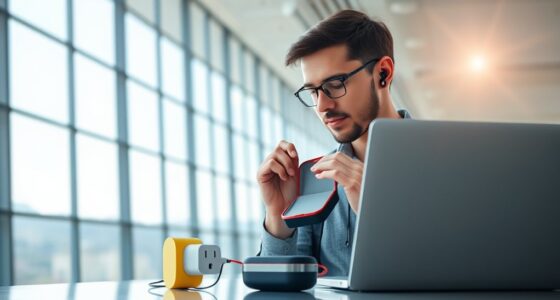
Hearing amplification devices include regulated hearing aids and consumer products like earbuds. They enhance sounds but don’t restore perfect hearing. Choosing the right device depends on your hearing loss, environment, and comfort, with professional support often making a difference.
Imagine sitting in a bustling restaurant, struggling to catch your friend’s words over the clatter of dishes and chatter. Now, picture slipping on a compact device that sharpens speech and filters out background noise. That’s the power of hearing amplification devices.
Whether you’re dealing with mild hearing loss or just want to tune into distant sounds, understanding your options can transform how you experience the world around you. This guide will break down how these devices work, what’s available today, and how to pick the right one for your needs.
Select a device tailored to your hearing loss and lifestyle, not just based on size or price.
Professional fitting can significantly improve comfort, sound quality, and overall satisfaction.
Recent tech advances like app-guided self-fitting and wireless connectivity make hearing devices more accessible and versatile.
Understand the limits: amplification helps but doesn’t restore perfect hearing or fix all auditory problems.
Always check for transparent pricing, warranties, and support before buying.
What Are Hearing Amplification Devices Anyway?
Hearing amplification devices are products designed to make sounds easier to hear. But not all are created equal. Some are regulated hearing aids, made to treat hearing loss. Others are consumer gadgets like earbuds or personal amplifiers, aimed at situational listening.
For example, a pair of prescription hearing aids are tailored to your specific hearing loss, fitted by a professional. On the other hand, a pair of earbuds with hearing features might be used for listening to music or making phone calls, but they aren’t meant to fix hearing loss.
Understanding this distinction is key, because while these products may look similar, their purpose, performance, and regulation can vary wildly.
digital hearing amplification devices
As an affiliate, we earn on qualifying purchases.
As an affiliate, we earn on qualifying purchases.
How Modern Hearing Aids Actually Improve Sound — And What They Can’t
Today’s hearing aids are tiny computers that do more than just turn up the volume. They analyze sound across multiple frequencies, boosting soft sounds and dampening loud, harsh noises. Imagine a smart filter that emphasizes speech, especially when multiple voices compete in a noisy room.
For instance, in a lively café, a hearing aid might sharpen a friend’s voice while quieting background chatter. They also connect wirelessly to your phone or TV, letting you stream sound directly into your ears.
But they’re not miracle workers. They can’t fully restore natural hearing. Speech clarity in noisy environments still challenges many users. And complex auditory issues like difficulty separating sounds or processing speech aren’t entirely fixable with amplification alone.
Understanding these limitations matters because it helps set realistic expectations. Knowing what modern devices can and cannot do guides you in choosing the right technology and understanding the tradeoffs involved—like how some features might improve clarity in certain situations but may also introduce issues like feedback or increased battery use. Recognizing these nuances ensures you make informed decisions and avoid disappointment when expectations aren’t perfectly met.
The Latest Breakthroughs You’ll Want to Know About
2024 has seen some exciting strides in hearing technology. Over-the-counter hearing aids, now legal in the US since October 2022, open a new door for adults with mild to moderate issues. These devices often use app-guided self-fitting, making setup easier than ever.
Take smart earbuds, like the AirPods Pro 2, now authorized for hearing aid features in certain countries. They offer hearing screening, conversation enhancement, and even regulation-compliant amplification. Plus, rechargeable batteries, Bluetooth streaming, and remote tuning are becoming standard, turning everyday gadgets into powerful hearing helpers.
Machine learning algorithms automatically adjust sound settings based on your environment—whether you’re walking outdoors or in a restaurant. And teleaudiology services let you connect with professionals without leaving home.
Understanding these innovations is important because they often balance convenience, affordability, and functionality. For example, app-guided self-fitting simplifies the process, but may not offer the precise calibration that a professional provides, which can impact comfort and effectiveness. Similarly, features like automatic environment adjustment can improve user experience, but may occasionally misinterpret surroundings, leading to suboptimal sound quality. Recognizing these tradeoffs helps you choose a device that aligns with your priorities—whether that’s ease of use, advanced customization, or cost-effectiveness.
Picking the Perfect Device: How to Find Your Match
Choosing the right hearing device depends on your specific needs and lifestyle. Consider the severity of your hearing loss, whether you mostly listen to conversations, watch TV, or need something portable for travel. Comfort and ease of use matter too.
Here’s a simple checklist:
- Assess your hearing loss with a professional or online screening.
- Decide if you want professional fitting or a self-fitting device.
- Prioritize features like Bluetooth, rechargeable batteries, or water resistance.
- Think about your listening environments—noisy restaurants or quiet offices.
- Set your budget, but remember that price often reflects technology and support, not just the device itself.
For bilateral loss, two devices usually outperform one. They help with localization—knowing where sounds come from—and understanding speech better. But always consult a professional for tailored advice.
Understanding your specific needs and the capabilities of different devices helps you weigh the tradeoffs involved—such as choosing between more advanced features versus simplicity, or cost versus customization. This way, you can select a device that truly fits your lifestyle and hearing profile, ensuring better satisfaction and long-term benefit.
Why Getting Fitted by a Pro Matters (More Than You Think)
While some gadgets promise quick fixes, professional fitting can make a huge difference. An audiologist will examine your ears, measure your hearing loss, and calibrate your device precisely. Think of it like tailoring a suit—off-the-rack rarely fits perfectly.
For example, a person with a slight asymmetry might need different settings in each ear. Without proper adjustment, the device may cause discomfort or not work as well as it could. Plus, professionals can recommend accessories like remote microphones or hearing loops that suit your environment.
Investing in a professional fit often means better comfort, clearer sound, and fewer frustrations in the long run. It also allows for ongoing adjustments as your hearing changes over time, which can be critical for maintaining optimal performance and ensuring your device continues to meet your needs effectively.
Safety First: When to See a Doctor ASAP
If you notice sudden hearing loss, ear pain, or any unusual symptoms, seek medical help immediately. Think of it as a red flag—these signs can signal urgent issues like infections or nerve problems that need quick treatment.
Other warning signs include dizziness, discharge, bleeding, or a feeling that your ear is blocked or painful. If your hearing suddenly worsens or you experience pulsating tinnitus, don’t delay—get checked out.
Remember, amplification devices won’t fix these problems and could even make them worse if used improperly. Prompt medical attention can prevent further damage and address underlying issues that might be causing your symptoms, which is essential for preserving your hearing health long-term.
What You Can Expect (And What Not) From Amplification
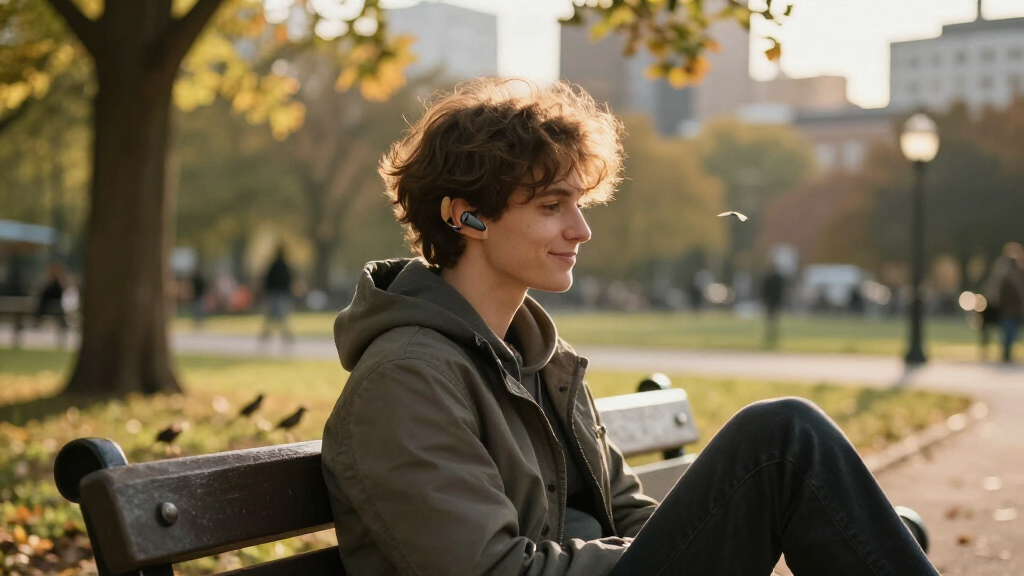
Properly chosen amplification can make speaking easier, help you hear environmental sounds clearly, and boost your independence. Picture catching every word in a conversation or hearing birds chirping again. That’s real benefit.
But it’s not perfect. You might still struggle in loud, crowded places. There can be wind noise or feedback squeals, and a sensation of a plugged ear. Some devices cause occlusion—your voice might sound muffled—and maintenance is needed to keep them working well.
Understanding these limits helps set realistic expectations. When you choose the right device and work with a pro, the benefits can be remarkable—yet not miraculous. Recognizing that amplification is a tool to enhance your hearing, not a cure-all, allows you to approach your hearing journey with appropriate expectations, leading to greater satisfaction and less frustration.
Money Matters: How to Get the Most Without Overpaying
Prices for hearing devices range from under $100 for basic personal amplifiers to several thousand dollars for premium, professionally fitted hearing aids. The key is to match your budget with your needs.
Look beyond price tags. Seek transparency about what’s included—warranty, repairs, support—and read independent reviews. A cheap device might seem tempting, but if it causes discomfort or offers poor sound quality, it’s not worth it.
Investing in a device with good support, a trial period, and clear return policies often pays off. Remember, a more expensive device isn’t necessarily better if it doesn’t suit your lifestyle or hearing profile. Consider long-term costs like maintenance and potential upgrades, and weigh these against the initial investment to ensure you’re making a smart, sustainable choice.
Frequently Asked Questions
Are over-the-counter hearing aids as effective as professionally fitted ones?
OTC hearing aids can be effective for mild to moderate hearing loss and are convenient, but they often lack personalized calibration. For complex or severe loss, professional fitting provides better customization and comfort.Can I use regular earbuds as hearing aids?
Some regulated earbuds offer hearing support features, especially for mild loss. However, they don’t provide the tailored fitting or advanced processing of dedicated hearing aids and may not be suitable for all types of hearing loss.How do I know if my hearing loss is mild or moderate?
Common signs include turning up the TV, asking others to repeat, or struggling in noisy places. Still, only a hearing test conducted by a professional or reliable screening can accurately determine the severity.Are hearing amplifiers safe to use?
They can be safe if designed properly and used at reasonable levels. Poorly made or excessively loud devices can cause discomfort or damage, so it’s best to choose reputable products and follow usage guidelines.Will a hearing aid restore my natural hearing?
No. Hearing aids improve access to sounds but can’t fully replicate natural hearing or reverse damage in the auditory system. They’re tools to help you hear better, not cure all hearing issues.Conclusion
Hearing amplification devices have come a long way, blending technology and convenience. The secret is finding the right fit for your unique needs—whether that’s a professional-fitted hearing aid or a smart earbud that makes sound clearer and more comfortable.
Remember, the best device is the one you wear confidently and comfortably. Hearing is a vital part of life, and with the right help, you can enjoy the sounds that make it rich and rewarding—every day.
Halloween Picks
halloween
As an affiliate, we earn on qualifying purchases.